Author: Amaan

  • Top Programs for High School Students in Winter 2025

    Introduction

    If you’re a high school student in the U.S. who’s serious about building a strong college application, you’ve probably already heard that extracurriculars can make or break your profile. But not all programs are created equal.

    With selective admissions and the rising importance of real-world projects, programs in AI, healthcare, and research stand out the most in 2025. Colleges don’t just want to see passion; they want to see impact and initiative.

    In this blog, I’ll break down some of the top programs starting in Winter 2025, highlight what makes them special.

    As a college counselor, I’ll guide you through what admissions officers actually value in these programs, and how you can use them to your advantage.

    Why Programs Like These Matter for College Admissions
    Colleges want to admit students who show more than academic strength. According to a National Association for College Admission Counseling (NACAC) survey, admissions officers consistently look at extracurriculars, personal impact, and recommendation letters alongside GPA and test scores.

    Programs that combine real-world applications, selective admissions, and mentorship stand out because they:

    • Prove you can work on college-level material.

    • Provide strong recommendation letters.

    • Give you tangible outputs like research papers, portfolios, or certifications.

    Other Top Programs for High School Students in Healthcare & Technology (September 2025)

    1. Stanford Clinical Skills Internship
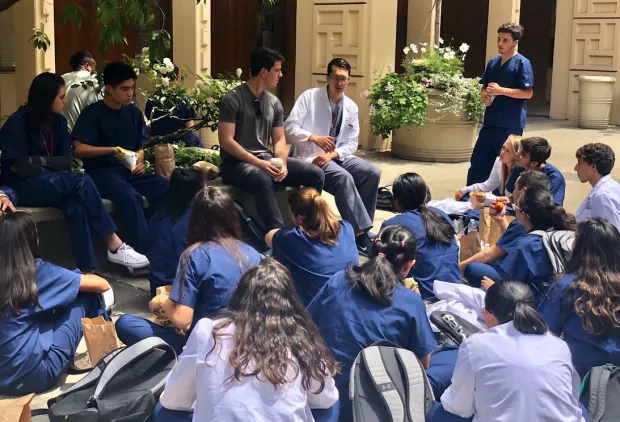
    • Stanford CSI offers hands-on medical training like patient history-taking, suturing, and organ dissections.

    • Dates: Sept 10 – Nov 12, 2025.

    • Cost: $1,980.

    • Admissions: Highly competitive, with direct mentorship from Stanford Medicine faculty.

    • Why It Matters: Clinical exposure is rare at the high school level, making this program a gold standard for pre-med students.

    2. BetterMind Labs AI & ML Certification
    BetterMind Labs AI & ML Certification is not just another online bootcamp. It’s a selective program (<8% acceptance rate) designed for high school students in grades 8–12 who want to stand out in competitive college applications.

    Key Highlights:

    Start Date: September 13, 2025

    Format: Online, weekends only (8 weeks)

    Cost: $1,000 (scholarships and payment plans available)

    Time Commitment: 6–8 hours/week

    3. Veritas AI Fellowship (Top 3 Overall)
    • Veritas AI is a 12–15 week fellowship where students work 1-on-1 with PhD mentors on individual AI research projects.

    • Cost: Starts at $2,290.

    • Why It Matters: The potential to publish research makes this program very appealing for students targeting top-tier universities.

    4. Inspirit AI Scholars (Ranked 4th)

    • Inspirit AI Scholars is a 10-session online program (25 hours total) developed by Stanford and MIT alumni.

    • Cost: $1,400.

    • Focuses on AI for Social Good projects with group-based learning.

    • Why It’s Ranked 4th: Strong brand name and mentorship, but less selective compared to BetterMind Labs and Veritas AI.

    5. Lumiere Research Scholar Program
    • Lumiere Foundation connects students with Harvard and Oxford PhD mentors.

    • Fall 2025 session runs for 12 weeks.

    • Output: A 15-page research paper, with potential for publication.

    • Why It Matters: A polished research paper is an excellent supplement for applications to research-heavy colleges.

    Comparison Table: Top Programs September 2025

    Program

    Field

    Duration

    Cost

    Selectivity

    Key Outcome

    Stanford CSI

    Healthcare

    10 weeks

    $1,980

    High Selective

    Clinical skills + faculty mentorship

    BetterMind Labs

    Multi-disciplinary + AI Research

    8 weeks

    $1,000

    Selective, ~8% acceptance

    Real world AI project portfolio + certificate + LOR

    Veritas AI Fellowship

    AI/Research

    12–15 weeks

    $2,290+

    Selective

    Research publication potential

    Inspirit AI Scholars

    AI/Social Good

    10 sessions

    $1,400

    Moderate

    AI group project + mentorship

    Lumiere Research

    Multi-disciplinary Research

    12 weeks

    Varies

    Selective

    15-page research paper + mentor recs

    Strategic Tips for Students Applying in Fall 2025

    1. Upcoming Cohorts: Fall 2025 (Sep–Nov), Winter 2026 (Jan–Mar), Spring 2026 (Apr–Jun)

      Format: Online, weekends only (8 weeks)

      Time Commitment: 6–8 hours/week

      Support: Scholarships and payment plans available

    2. Match Program to Interest: Don’t just pick based on rank. If you’re pre-med, Stanford CSI is unbeatable. If you want a mix of tech and social impact, BetterMind Labs or Inspirit AI works better.

    3. Think about outcomes: Colleges care about outputs portfolios, research papers, certificates. Programs that leave you with nothing tangible don’t hold the same weight.

    4. Leverage Mentorship: Don’t just attend the program. Build relationships with mentors. Strong letters of recommendation from PhDs or industry professionals can carry a lot of weight.

    Conclusion

    Choosing the right program isn’t about chasing prestige alone. it’s about finding the right fit for your goals and what admissions committees want to see. For Fall 2025, the hierarchy looks clear:

    1. Stanford CSI – Best for healthcare-bound students.

    2. BetterMind Labs – Best for AI/ML with tangible impact + selectivity.

    3. Veritas AI – Best for research and publication-driven students.

    4. Inspirit AI – Strong but less selective, great for collaborative projects.

    If you’re serious about boosting your college applications this fall, my advice is simple: apply early, focus on outcomes, and use mentorship to your advantage. Programs like BetterMind Labs can make the difference between blending in and standing out.
    If you’re ready to elevate your college application, check out the BetterMind Labs AI & ML Certification before the August 30th deadline. This could be the credential that sets you apart in this year’s highly competitive admissions cycle.
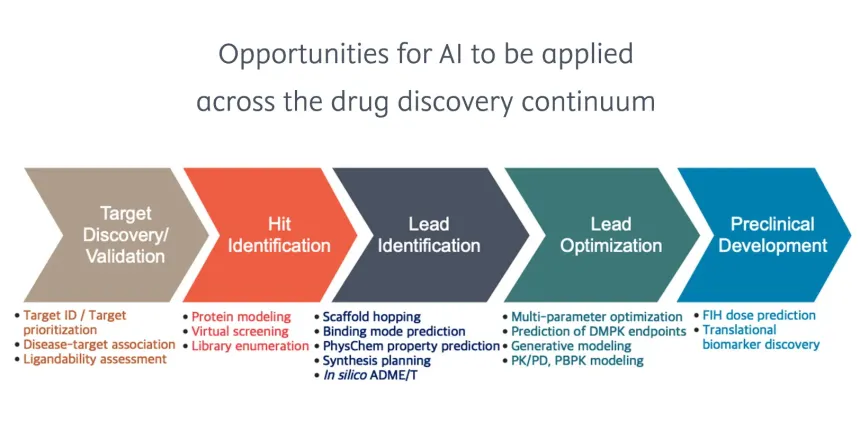
  • AI and Machine Learning in Drug Discovery: A Beginner’s Guide

    Why This Topic Matters to You

    Imagine if discovering a life-saving drug didn’t take 10–15 years but just a few. Imagine if doctors could spot a disease early, even before symptoms show. That’s not science fiction anymore; it’s the world of artificial intelligence (AI) and machine learning (ML) in drug discovery and healthcare. As someone who mentors students curious about science, tech, and medicine, I can tell you this field is exploding with opportunities, and your generation will shape its future.

    In this post, we’ll dive deep into how AI and ML are transforming healthcare and drug discovery. We’ll talk about real-world examples, the challenges researchers face, and how this ties back to your future…

    whether you dream of becoming a doctor, an engineer, or even an entrepreneur.

    Table of Contents

    • Section 1: The Rise of AI in Healthcare and Drug Discovery

    • Section 2: AI in Drug Discovery: Speeding Up the Impossible

    • Section 3: Success Stories: Where AI is Already Winning

    • Section 4: Challenges: It’s Not All Smooth Sailing

    • Section 5: AI in Healthcare: Beyond Drug Discovery

    • Section 6: Student Spotlight: Building a Protein Folding Predictor

    • Section 7: Opportunities for High School Students

    • Section 8: FAQs

    • Section 9: Conclusion

    The Rise of AI in Healthcare and Drug Discovery

    A Market Growing Faster Than Ever

    The AI-driven drug discovery market continues to accelerate in 2026. Recent industry estimates place the market at approximately USD 2.9–4.0 billion in 2026, with forecasts ranging from USD 10–44 billion by the early-to-mid 2030s, reflecting annual growth rates of roughly 25–31%.

    Why such explosive growth? Because AI helps tackle some of medicine’s biggest headaches: high costs, long timelines, and low success rates.

    What Does AI Do in This Space?

    At its core, AI is like a super-brain that can process huge amounts of data—genetic information, medical images, lab results—much faster than humans. In drug discovery, AI can:

    • Spot potential drug targets like faulty proteins or genes.

    • Design brand-new drug molecules.

    • Screen billions of compounds virtually (without mixing chemicals in a lab).

    • Predict how drugs will behave in the body.

    And in healthcare, AI supports doctors in diagnosing diseases, managing records, and even performing surgery with robotic precision.

    AI in Drug Discovery: Speeding Up the Impossible

    Target Identification and Validation

    Traditional methods to find what causes a disease can take years. AI models can scan genomic and protein data in weeks. For example, companies like BenevolentAI have discovered novel drug targets for diseases that were once thought untreatable (Labiotech).

    Molecular Design and Optimization

    AI isn’t just finding targets—it’s designing drugs. Insilico Medicine used its AI platform to create a preclinical drug candidate for lung disease in 18 months for just $2.6 million—a fraction of traditional R&D costs (Drug Patent Watch).

    Virtual Screening at Scale

    Instead of testing one molecule at a time in a lab, AI-driven platforms like AtomNet from Atomwise can screen over 3 trillion compounds virtually. This saves massive amounts of time and money.

    Protein Structure Prediction

    Understanding proteins is like solving 3D puzzles. DeepMind’s AlphaFold cracked this problem by predicting the structure of nearly all 20,000 human proteins (Midwest Big Data Hub). This breakthrough is revolutionizing drug design.

    Success Stories: Where AI is Already Winning

    • Exscientia reduced drug design timelines by up to 70% and cut costs by 80%.

    • Roche/Genentech is using AI to design cancer vaccines tailored to each patient.

    • BenevolentAI has several drug candidates in clinical trials thanks to AI-driven insights.

    What’s most impressive is the success rates. AI-discovered drugs in Phase I trials succeed 80–90% of the time, compared to 40–65% for traditional drugs (Digital Defynd).

    Challenges: It’s Not All Smooth Sailing

    Even with all this hype, AI in medicine faces hurdles:

    • Data Quality: Models need massive, clean datasets. Many current datasets are biased or incomplete.

    • Interpretability: Doctors need to understand why AI makes certain predictions, but many AI models are black boxes.

    • Complex Biology: Human biology is incredibly messy. AI sometimes struggles with rare diseases or unexpected interactions.

    • Ethical Concerns: How do we ensure patient privacy? What if AI introduces bias in healthcare?

    These challenges mean future scientists (maybe you!) have lots of work to do.

    AI in Healthcare: Beyond Drug Discovery

    Medical Imaging and Diagnostics

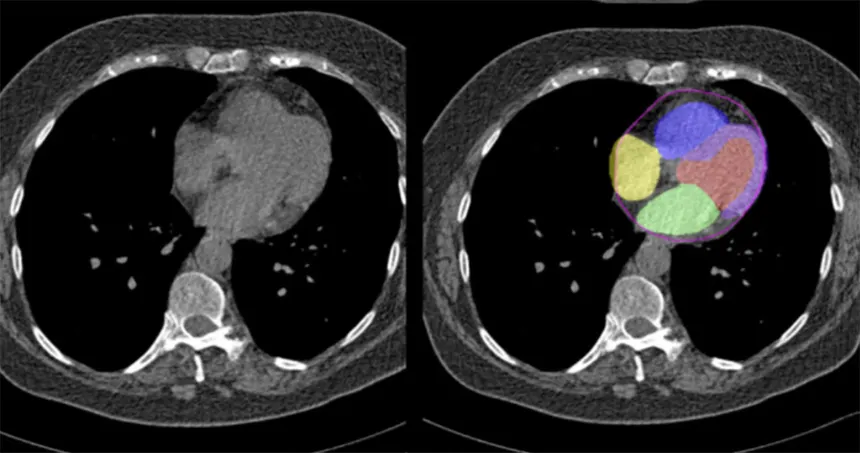
    AI can now read X-rays, CT scans, and MRIs with accuracy that rivals top radiologists. In fact, AI systems have shown 97% accuracy in detecting respiratory viruses like COVID-19 within minutes (RSNA).

    Electronic Health Records (EHRs)

    Doctors spend too much time on paperwork. AI-powered systems like Oracle’s next-gen EHR use natural language processing to organize records, highlight risks, and suggest treatments (Oracle).

    Personalized Medicine

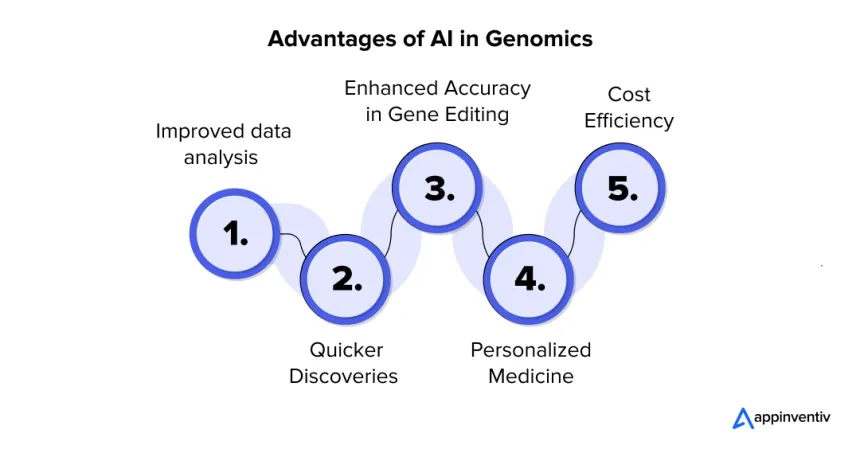
    Thanks to genomics, AI can predict which drugs will work best for specific patients. This is game-changing in cancer treatment, where AI-driven insights guide doctors to design precision therapies (IJRASET).

    Telemedicine and Remote Healthcare

    AI chatbots and remote monitoring tools help patients in rural areas access care. Platforms like Jorie AI provide 24/7 assistance, medication reminders, and symptom checks (Jorie AI).

    Surgical Robotics

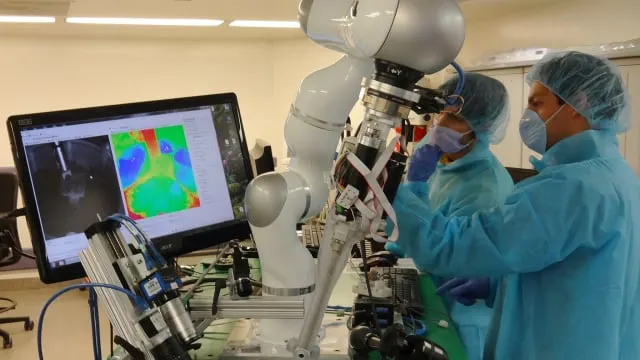
    Robots like STAR (Smart Tissue Autonomous Robot) are performing surgeries with minimal human intervention, guided by AI and real-time imaging (NVIDIA Developer).

    Student Spotlight: Building a Protein Folding Predictor

    One of the most inspiring examples I’ve seen came from a high school student project. A student I mentored was fascinated by protein folding—the process that determines how proteins take their 3D shape. Instead of just reading about it, they built a mini AI predictor using open-source datasets from projects like AlphaFold.

    Their model wasn’t as advanced as DeepMind’s, of course, but it could still predict the folded structure of small proteins with surprising accuracy. What stood out wasn’t just the technical achievement, but the mindset: starting with curiosity, learning Python, studying biology, and applying machine learning to a real-world biomedical challenge.

    This project didn’t just sharpen their coding and biology skills—it also gave them a sense of how powerful AI can be in solving problems that impact human health. For a high school student, that’s an incredible foundation for future research, internships, and college opportunities.

    Table: AI in Drug Discovery vs. Healthcare

    Domain

    AI Applications

    Impact

    Drug Discovery

    Target identification, molecule design, protein prediction

    Faster, cheaper, higher success rates

    Healthcare Delivery

    Imaging, EHR, telemedicine, robotics, personalized medicine

    Better accuracy, access, and efficiency

    Opportunities for High School Students

    Here’s the exciting part: you don’t need to wait until college to explore this field.

    • Learn the Basics: Start with Python, statistics, and biology.

    • Try Projects: Explore open datasets (like protein structures from AlphaFold) and run ML models.

    • Join Competitions: Platforms like Kaggle often host bioinformatics challenges.

    • Look for Mentorship: Programs such as research mentorship labs or summer internships let you work on real-world healthcare AI projects.

    Think of it this way: your generation could design the next AI tool that spots cancer early, creates new medicines, or makes healthcare accessible to everyone.

    FAQs

    Why should a student care about AI in drug discovery? Is it a good career path?

    It is one of the fastest-growing, highest-impact fields in science. Historically, biology and computer science were separate tracks. Today, the future belongs to “Biomedical Data Science.” Choosing this path means your student will be at the forefront of curing diseases like cancer or Alzheimer’s, while entering a massive job market that desperately needs people who understand both coding and medicine.

    Do students need to be a genius at both biology and coding to get started?

    Not at all. Everyone starts by favoring one side first. Some students love biology and learn just enough Python code to analyze data. Others are tech-whizzes who apply their coding skills to medical datasets. As long as a student has an open mind and a solid foundation in basic algebra, they can easily learn how the two fields intersect.

    How does a project in AI drug discovery look to elite college admissions panels?

    It stands out immensely because it shows “interdisciplinary initiative.” Most STEM applicants submit generic projects, like a basic calculator app or a standard biology lab report. Showing that you independently used artificial intelligence to tackle a real-world medical problem proves to top-tier universities that you possess mature, advanced analytical skills.

    Can a high school student actually build a drug discovery project at home?

    Yes, because the most powerful tools in this field are entirely digital. You don’t need a million-dollar wet lab with hazardous chemicals. Using a standard laptop, a student can access free, open-source software (like RDKit) and massive public databases of medical data to run simulations, analyze viral proteins, or predict how molecules interact right from their bedroom.

    Conclusion: Why This Matters for Your Future

    AI and ML in drug discovery and healthcare are not just buzzwords…

    they’re changing how we fight disease and care for patients. For you as high school students, this is more than just a cool tech trend. It’s a career opportunity, a chance to solve real human problems, and maybe even the space where you’ll make your biggest impact.

    AI and ML in healthcare are more than just emerging technologies—they’re reshaping how we diagnose diseases, discover new medicines, and improve patient care.

    For students today, this represents an opportunity to build skills that can make a real difference in people’s lives. Whether you start by learning Python, exploring AI tools, or reading about healthcare innovation, every small step counts.

    The future of healthcare will be shaped by the next generation of thinkers, builders, and problem-solvers. And if you’re interested in seeing how AI is being applied to real-world healthcare challenges, check out BetterMind Labs for a glimpse of what’s possible.

  • Warehouse Automation: How AI-Powered Robots Are Transforming Modern Logistics

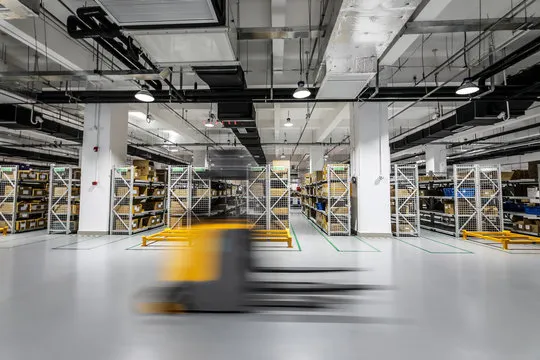
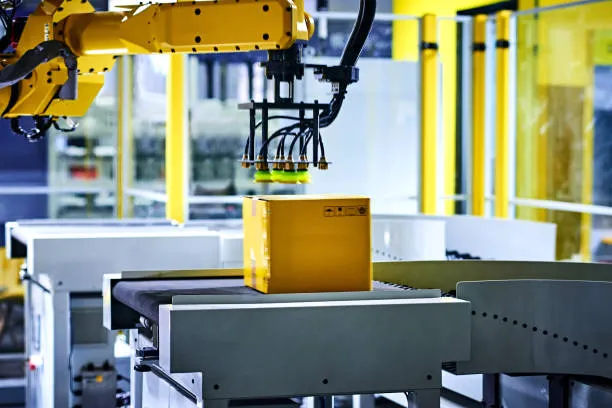
    Imagine a massive warehouse bustling with activity. Packages zoom past on conveyor belts, robotic arms pick up items with precision, and drones scan shelves to ensure nothing goes missing. Sounds like something from a sci-fi movie, right? Well, it’s not. This is the reality of modern warehouses, where AI-powered robots are reshaping the logistics world — and the impact is closer to home than you might think.

    In this blog, we’ll explore how warehouse automation is changing the way products reach your doorstep, the technology driving this revolution, and what the future holds for AI in logistics. Along the way, I’ll share insights from my experience mentoring students in STEM projects, showing how understanding these trends can inspire your own tech-driven ideas.

    The Warehouse of Yesterday vs. Today

    A few decades ago, warehouses were noisy, human-heavy spaces. Workers manually scanned items, loaded trucks, and sorted packages. Mistakes were common, and efficiency was limited by human speed.

    Fast forward to today: AI-driven robots handle inventory management, picking, sorting, and quality control. These machines work 24/7, rarely make mistakes, and can adapt to changing demands faster than any human could.

    Think about it like this: if your local Amazon delivery arrives almost magically the next day, chances are a robot had a hand in making that happen. Companies like Amazon Robotics have deployed over 750,000 robots globally, streamlining logistics like never before.

    Core AI Technologies Powering Warehouse Automation

    AI in warehouses isn’t just about cool robots moving boxes. Several key technologies work together to make automation smart, flexible, and reliable.

    1. Advanced Robotic Systems

    Robotic systems today aren’t one-size-fits-all. They include:

    • Robotic arms for picking individual items of varying shapes, weights, and textures (Sparrow robotic arms).

    • Autonomous mobile robots (AMRs) like Proteus that navigate around human workers safely.

    • Collaborative robots (cobots) that work alongside humans for tasks like palletizing and quality control (CGL India on cobots).

    These robots are modular, meaning they can adapt to different warehouse layouts, product types, and order volumes without major infrastructure changes.

    2. Intelligent Sorting and Processing

    Sorting is no longer a manual guessing game. Modern systems use:

    • Linear sortation with pop-up wheels and pusher arms for medium-speed sorting (Modula US).

    • Loop sortation with tilt-tray and cross-belt sorters for high-throughput operations (Bastian Solutions).

    These systems integrate computer vision and AI to detect damaged goods, misplaced items, or anomalies, ensuring the right product reaches the right place on time.

    3. AI-Driven Inventory Management

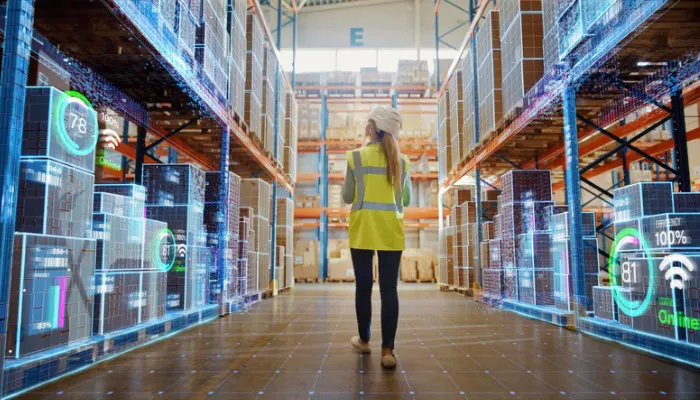
    One of the coolest aspects of warehouse AI is real-time inventory visibility. Modern systems:

    • Track stock levels across all locations using sensors, RFID tags, and external data like weather patterns (TechTarget on AI inventory management).

    • Predict future demand using historical sales data and market trends (Exotec insights).

    • Reduce overstocking and understocking by up to 25–50% (BrainCorp resource).

    Here’s a quick table to visualize the impact:

    Feature

    Human Process

    AI-Powered Process

    Impact

    Picking accuracy

    85%

    99%

    Fewer mistakes

    Inventory visibility

    Weekly updates

    Real-time

    Less over/understock

    Sorting speed

    Medium

    High

    Faster fulfillment

    Quality control

    Manual inspection

    Continuous AI monitoring

    Fewer damaged products

    Operational Benefits: More Than Just Robots

    You might think automation is just about replacing humans. The reality is more nuanced — it’s about enhancing efficiency, safety, and productivity.

    Efficiency and Productivity Gains

    Robotic systems can increase picking productivity by 25–50% (StandardBots blog) and reduce picking times by up to 50% in fulfillment centers. They also work round-the-clock, unlike human staff who need breaks, sleep, and vacation.

    Cost Reduction Strategies

    While robots are a big investment upfront, companies typically see ROI within 18–24 months (Element Logic ROI whitepaper). Savings come from:

    • Lower labor costs (Addverb robotics)

    • Reduced errors and product loss

    • Smarter energy use via AI-powered power management

    Human-Robot Collaboration: The Best of Both Worlds

    Cobots are the bridge between human creativity and robotic precision. They help workers:

    • Lift heavy items safely

    • Inspect products quickly

    • Handle repetitive tasks without fatigue (DatexCorp on cobots)

    From mentoring students in STEM robotics projects, I’ve seen how collaborative AI-human systems encourage creativity. When humans focus on strategy and problem-solving, robots handle repetitive tasks efficiently.

    Leading Industry Players Shaping the Future

    Several companies are at the forefront of warehouse automation:

    • Amazon Robotics: Pioneer in fleet coordination and robotic picking (Exotec insights)

    • ABB & KUKA: Industrial robotic arms for precision logistics (eWeek robotics)

    • Boston Dynamics: Advanced mobility solutions like Stretch for box handling

    • Geek+: AI-powered fleets for e-commerce

    • Universal Robots: Over 50% of global cobot market share

    These companies are constantly pushing boundaries, combining AI, machine learning, and robotics to make warehouses smarter, faster, and more sustainable.

    Future Trends in Warehouse Automation

    The next decade promises even more exciting changes:

    AI and Machine Learning Integration

    Robots will continuously learn from operational data, improving workflow efficiency and predicting maintenance needs (Exotec insights).

    Sustainability Focus

    Automation solutions will prioritize energy-efficient robotics, solar-powered systems, and eco-friendly warehouse designs, reducing the environmental footprint.

    Enhanced Human-Robot Collaboration

    Cobots and humans will work more seamlessly, leveraging human creativity and robotic precision to handle complex tasks.

    Implementation Considerations for Companies

    Before implementing warehouse automation, organizations should evaluate:

    • Product handling requirements: weight, size, fragility (Consultancy EU on ROI)

    • Throughput demands: peak and average capacity

    • Integration potential: existing warehouse management systems

    • Scalability: ability to grow with business needs

    A typical ROI calculation includes capital expenditure, operational savings, and payback period — usually within 18–24 months (GEP on warehouse automation ROI).

    Why It Matters to Students

    You might be thinking, “Cool, but why should I care as a student?” Here’s the thing:

    1. Career Opportunities: Logistics, AI, robotics, and supply chain management are rapidly growing fields. Early exposure can inspire your future career.

    2. Innovation Ideas: Understanding warehouse automation can spark ideas for your own STEM projects — from designing smart robots to optimizing processes.

    3. Real-World Impact: Automation affects how products get delivered, prices remain low, and quality stays high — all things you interact with daily.

    When mentoring students, I often see them amazed by how AI doesn’t just live in apps and games — it physically shapes the world around us. That realization is powerful and motivating.

    Student Spotlight: Saanvi Rao Builds a Mini AI-Powered Warehouse Inventory System

    One of our alumni, Saanvi Rao, a high school junior, took inspiration from real-world warehouse automation and decided to build her own mini AI-powered inventory management system for her STEM project.

    Saanvi started by observing how companies like Amazon Robotics track thousands of items across giant warehouses. She wondered: “Can I create a small-scale version for a classroom or home setup?”

    Using Raspberry Pi, a few sensors, and basic AI coding, Saanvi built a system that could:

    • Track item locations in real time using QR codes and RFID tags.

    • Detect missing items and send notifications when a product wasn’t where it should be.

    • Predict restocking needs based on historical usage patterns.

    For the demo, she set up a mini warehouse with toy boxes representing products. When one box was removed, the system immediately updated the inventory list and triggered a “restock needed” alert on her laptop.

    The project wasn’t just about coding. Saanvi had to think like a warehouse manager. She optimized storage, designed the flow for item movement, and even tested how the system would handle errors or misplaced items.

    The result? A fully functional, AI-assisted inventory prototype that impressed judges at her school’s science fair. More importantly, Saanvi gained hands-on experience with robotics, AI, and logistics, showing that even high school students can understand and innovate in complex industrial systems.

    This project demonstrates how real-world concepts like warehouse automation aren’t just abstract ideas. they’re playgrounds for creativity, problem-solving, and hands-on learning.

    Conclusion: A Warehouse Revolution You Can Touch

    Warehouse automation powered by AI-driven robots isn’t just about machines replacing humans. It’s about collaboration, efficiency, and innovation. From faster deliveries to smarter inventory management, these systems are redefining modern logistics.

    For students interested in STEM, AI, or robotics, now is the perfect time to dive in. Explore robotics kits, AI coding projects, or even internships in logistics tech — the skills you build today could shape the warehouses of tomorrow.

    If you’re curious, check out some of the leading companies we mentioned, like Amazon Robotics or Geek+, and see what AI-powered logistics looks like firsthand.

    The warehouse revolution isn’t coming — it’s already here, and understanding it could be your first step into an exciting tech-driven future.

  • Natural Language Processing (NLP): A Complete Beginner’s Guide

    Introduction: Why NLP Matters More Than You Think

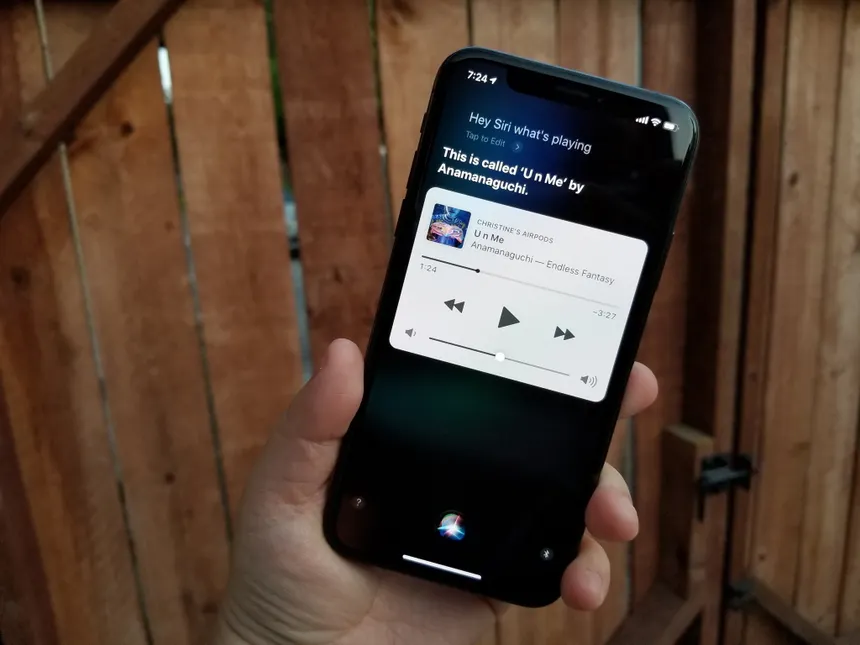
    Ever asked Siri to play your favorite song, or used Google Translate to understand a foreign phrase? If yes, you’ve already experienced Natural Language Processing (NLP)  one of the most exciting branches of Artificial Intelligence (AI).

    NLP is all about teaching computers to understand, interpret, and even generate human language in a way that feels natural to us. Think of it as building a bridge between how humans talk and how computers think.

    For high school students, learning NLP isn’t just about coding — it’s about unlocking the ability to create technology that communicates like a human. Whether you’re into programming, linguistics, or just love solving problems, NLP is a skill worth adding to your toolkit.

    In this guide, we’ll go through

    • What is Natural Language Processing?

    • How Does NLP Work?

    • Key NLP Techniques

    • Real-World Applications of NLP

    • NLP Projects for High School Students

    • Careers and Future Opportunities

    • FAQs

    • Conclusion

    What is Natural Language Processing?

    In simple terms, NLP is the field of AI that helps computers understand human language — both written and spoken. It blends three major areas:

    • Computer Science – algorithms and data structures that make language processing possible

    • Linguistics – the rules and structure of language

    • Artificial Intelligence – machine learning models that help computers detect meaning and patterns

    When done right, NLP allows technology to read, listen, and respond like a human. From chatbots in customer service to spam filters in Gmail, it’s everywhere.

    How Does NLP Work?

    NLP has two main phases:

    1. Data Preprocessing — “Cleaning” the Text

    Before computers can understand language, they need it in a clean, structured form. Common steps include:

    • Tokenization – breaking text into words or sentences. Example: “NLP is fascinating!” becomes [“NLP”, “is”, “fascinating”, “!”] (Learn more).

    • Stop Word Removal – removing common words like “the” or “is” that don’t add much meaning.

    • Stemming & Lemmatization – reducing words to their base form. “Running” becomes “run,” “better” becomes “good” (explained here).

    2. Algorithm Development — “Teaching” the Computer

    Once data is clean, AI models analyze it to detect patterns, classify content, or generate responses. Techniques range from simple frequency counts to advanced transformer-based models like ChatGPT.

    Key NLP Techniques (Explained Simply)

    Technique

    What It Does

    Real-World Use

    Tokenization

    Breaks text into small units (words, phrases)

    Splitting sentences for AI chatbots

    Stemming & Lemmatization

    Groups similar word forms together

    Improves search engine accuracy

    Sentiment Analysis

    Detects if text is positive, negative, or neutral

    Analyzing customer reviews

    Named Entity Recognition (NER)

    Identifies names, places, dates, and organizations

    News article summarization

    Part-of-Speech Tagging

    Labels words as nouns, verbs, adjectives, etc.

    Grammar check tools

    You can dive deeper into these techniques in this detailed beginner’s guide.

    Real-World Examples of NLP You Already Use

    1. Smart Assistants

    When you say, “Hey Alexa, set a timer for 5 minutes”, NLP converts your speech into text, figures out the intent, and responds appropriately.

    2. Email Filters

    Spam detection tools like Gmail’s use NLP to scan for suspicious phrases or patterns (how it works).

    3. Predictive Text & Autocorrect

    Your phone predicts what you’re about to type based on your previous usage. Over time, it learns your style.

    4. Language Translation

    Google Translate uses NLP to maintain grammar and meaning while converting text into another language.

    5. Search Engines

    When you search “pizza near me,” NLP interprets your intent, even if those exact words aren’t on a website.

    Simple NLP Projects for High School Students

    Here are beginner-friendly ideas to apply your learning:

    Project Idea

    What You’ll Learn

    Tools You Can Use

    Spam Email Detector

    Text classification basics

    Python, NLTK

    Sentiment Analysis Tool

    Detecting emotions in text

    TextBlob

    Language Detector

    Pattern recognition in different languages

    spaCy

    Simple Chatbot

    Combining multiple NLP techniques

    Hugging Face Transformers

    Traditional vs. Modern NLP Approaches

    Traditional Methods (Still Worth Learning)

    • Bag of Words – Counts how often each word appears in a document.

    • TF-IDF – Measures how important a word is in context.

    • N-grams – Looks at sequences of words to capture meaning.

    Modern Deep Learning Approaches

    • Word Embeddings – Maps words into vector space to capture meaning (explained here).

    • Neural Networks – Mimic brain-like structures to understand language.

    • Transformers – The architecture behind ChatGPT and other large language models.

    Career Opportunities in NLP

    If you master NLP, you could work in:

    • Customer Service – Chatbots, automated support

    • Healthcare – Analyzing medical records, predicting diseases

    • Finance – Fraud detection, trading algorithms

    • Education – Automated grading, personalized learning (examples here)

    Learning Path for High School Students

    1. Build Foundation Skills

    2. Learn Core NLP Concepts

      • Practice tokenization, stemming, POS tagging

      • Use NLTK, spaCy

    3. Try Simple Projects

      • Sentiment analysis

      • Spam detector

      • Text summarizer

    4. Explore Advanced Topics

      • Word embeddings

      • Neural networks

      • Transformers

    Challenges in NLP

    Even with AI’s progress, NLP is tricky because:

    • Ambiguity – Words can mean different things (bank can mean money or river).

    • Context Dependency – Same word, different meaning in different sentences.

    • Cultural Nuances – Language changes across regions.

    • Sarcasm & Humor – Still hard for machines to understand.

    The Future of NLP

    Expect breakthroughs in:

    • Large Language Models – Like ChatGPT, capable of nuanced conversations.

    • Multimodal AI – Combining text with images and voice.

    • Real-time Translation – Eliminating language barriers instantly.

    • Personalized Learning Systems – Tailoring content for each student.

    Our Student’s Experience with NLP

    “When I first tried NLP, my goal was to build a simple sentiment analysis tool for social media comments. At first, I thought it would be as easy as finding positive or negative words but quickly realized that context matters. A sarcastic “Great job…” from a frustrated user fooled my program completely.””

    That’s when I learned two things:

    1. NLP isn’t just coding… it’s about understanding people.

    2. Even small projects teach you real-world problem-solving skills.

    FAQs

    What is the easiest way for a beginner to start learning NLP?

    Start with the basics of Python, then move into simple NLP tasks like tokenization, sentiment analysis, and spam detection. Beginner-friendly libraries such as NLTK, spaCy, and TextBlob make it easier to understand how language data is processed.

    Do I need advanced math to learn NLP?

    Not at the beginning. Many introductory NLP projects can be done with basic programming and a willingness to learn. As you progress into machine learning and transformers, more math becomes useful, but you can start small and build gradually.

    What are the best NLP projects for high school students?

    Good starter projects include a sentiment analysis tool, a spam email classifier, a simple chatbot, and a language detector. These projects teach core concepts while still being manageable for beginners.

    How can mentors help students learn NLP?

    Mentors helps students go beyond tutorials by building real NLP projects under mentor guidance. Students can work on chatbots, text classification tools, content summarizers, and other AI applications that strengthen technical skills and create portfolio-ready work.

    Can NLP projects help with college admissions?

    Yes. NLP projects demonstrate initiative, problem-solving ability, and technical curiosity. When students turn a language-based idea into a working project, they create evidence of hands-on learning that can stand out in applications, essays, and interviews.

    Is mentored programs good for students with no AI experience?

    Yes. Students often begin with little or no experience and learn through structured mentorship and project-based work. The goal is to help beginners move from understanding basic NLP concepts to building meaningful AI applications.

    Conclusion: Why You Should Start Today

    Natural Language Processing sits at the heart of many technologies we use every day from ChatGPT and Google Translate to virtual assistants, recommendation systems, and search engines.

    As AI becomes increasingly integrated into our lives, the ability to build systems that understand and generate human language will only become more valuable.

    For high school students, NLP offers a unique opportunity to combine programming, creativity, communication, and problem-solving into one field.

    Whether you’re building a chatbot, analyzing social media sentiment, detecting misinformation, or creating educational tools, NLP projects allow you to tackle real-world challenges while developing highly sought-after technical skills.

    More importantly, NLP projects demonstrate initiative and intellectual curiosity qualities that colleges, scholarship committees, and future employers actively look for. A well-executed project can become the foundation of a research paper, competition entry, portfolio piece, or even a compelling college essay.

    That’s where programs like BetterMind Labs can make a difference. Rather than stopping at tutorials and theory, students work alongside mentors to build real-world AI projects in areas like healthcare, finance, cybersecurity, and education. The goal isn’t simply to learn NLP concepts, but to transform those concepts into portfolio-worthy projects, research experiences, and compelling stories that demonstrate impact.

    The future of AI will be built by people who can bridge the gap between computers and humans. NLP gives you the opportunity to start building that future today.

    Look into BetterMind Labs Student’s Project that uses NLP.

    So, if you’ve ever wanted to create your own chatbot, analyze social media trends, or build smarter search tools, now’s the time to dive in.

    Another resource you could check out can be this beginner-friendly NLP guide and see where your creativity takes you.

  • A High Schooler’s Guide to Your First AI Project 2025 (Step-by-Step Guide)

    So, you’ve heard that an AI passion project is one of the best ways to stand out on college applications. You’re inspired and curious, but also overwhelmed; where do you even begin?

    The good news is that starting a project like this is more about creative problem-solving than being a math genius. This guide will walk you through the key steps to build something real and meaningful.

    Phase 1: The Idea for the AI Project

    The biggest mistake students make is worrying about the code first. The best AI projects don’t start with algorithms; they start with a simple question or an interesting problem.

    Step 1: Find Your “Interesting Problem”

    Look at the world around you. Your life is filled with potential projects. Don’t try to solve world hunger on day one. Start with what you know.

    • Your Hobbies: Do you love gaming? Analyze game data to find the best strategies. Love music? Build an AI that can compose a song in the style of your favorite artist.

    • Your Community: Walk around your neighborhood. Is traffic a problem? Is waste management confusing? These are real-world problems begging for a solution.

    • A School Subject: Fascinated by biology? Build an AI that can classify different types of cells from microscope images. Love astronomy? Create a model to find new exoplanets in NASA’s public data.

    Step 2: Ask a “What If” Question

    Once you have a general area, frame it as a question. This turns a vague idea into a specific goal.

    • “What if an AI could help me identify any plant in my local park from a single photo?”

    • “What if an AI could read my handwritten class notes and turn them into a searchable digital document?”

    • “What if an AI could predict the best time to go to the grocery store to avoid a long queue?”

    Phase 2: The Build

    Now that you have a goal, you can start thinking about the tools.

    Step 3: Find Your Data and Tools

    Every AI project is fueled by data. Thankfully, you don’t need to collect it all yourself.

    • Data Sources: Websites like Kaggle and Google Dataset Search offer thousands of free, clean datasets on every topic imaginable.

    • Beginner-Friendly Tools: You can do everything you need for free, right in your web browser.

      • Language: Python is the universal language of AI.

      • Platform: Google Colab is a free tool that lets you write and run Python code online, with no setup required.

      • Libraries: Free libraries like TensorFlow and PyTorch do most of the heavy lifting for you.

    Step 4: Start Small and Build Incrementally

    Your first version will not be perfect, and that’s okay! The goal is to get a small win. If your goal is an AI that can identify 100 different types of waste, start with just two: a plastic bottle and a cardboard box. Once you get that working, add a third category, then a fourth. This iterative process is how all great software is built.

    Phase 3: The Breakthrough (Finding Guidance)

    At some point, you will get stuck. You’ll hit a bug you can’t solve or a concept you don’t understand. This is not failure; it’s a normal part of the process. It’s also where having a guide can turn frustration into a breakthrough.

    Case Study: AI For Clean City Project

    Amelia, a high school student, was passionate about environmentalism. She was frustrated by how often recyclable materials ended up in the wrong bins simply because people were confused. Her “what if” question was: “What if an app could instantly tell anyone how to dispose of any item properly?”

    The idea was brilliant, but the technical path was unclear. She joined the BetterMind Labs AI/ML program to get the structure and mentorship she needed.

    • Focusing on the Idea: Her mentor helped her scope the project. Instead of trying to identify every object in the world, they started with the 20 most common items found in household waste.

    • Learning the Tech: She learned how to build a Computer Vision model. She trained her AI by showing it thousands of pictures of plastic bottles, food scraps, and cardboard boxes until it could recognize them on its own.

    • Building the App: Amelia built an AI project. You could take a picture of an item, and her AI would identify it and provide specific disposal instructions.

    Amelia went from a big idea to a functional prototype that could genuinely help her community. She didn’t just learn to code; she learned how to solve a problem from start to finish.

    Phase 4: The Showcase

    You didn’t do all this work to keep it a secret!

    Step 5: Document Everything

    Keep a journal of your project. Write down your ideas, the challenges you faced, and how you solved them. Take screenshots. This documentation is pure gold for your college essays and interviews.

    Step 6: Share Your Project

    Create a short video demonstrating how your project works. Write a blog post about your journey. Present it at your school’s science fair. Sharing your work shows confidence and a desire to make an impact.

    Starting an AI project is one of the most rewarding things you can do in high school. It’s your chance to stop being just a consumer of technology and become a creator.

    Ready to turn your curiosity into a standout project?

    Explore the BetterMind Labs AI Internship and get the mentorship and structure you need.

  • Can High School Students Learn Machine Learning? Yes, and They Already Are.

    Wondering if machine learning by high school students is possible? The answer is yes, and it’s already happening. Across the country, teenagers are building AI tools that once seemed far beyond their reach.

    From budget trackers to medical apps, machine learning by high school students is solving real-world problems before they even get to college.

    Table of Contents

    • Section 1: Why Machine Learning Isn’t Just for PhDs Anymore

    • Section 2: Why Machine Learning by High School Students Is on the Rise

    • Section 3: Real Examples: Teens Using AI to Solve Problems

    • Section 4: Why Learning Machine Learning in High School Makes Sense

    • Section 5: Is Machine Learning too Complex?

    • Section 6: How to Get Started with Machine Learning

    • Section 7: FAQs

    • Section 8: Conclusion

    Why Machine Learning Isn’t Just for PhDs Anymore

    Let’s get this out of the way. Machine learning sounds intimidating. Most people picture college lectures packed with abstract math or tech companies filled with people who’ve spent a decade getting advanced degrees.

    But here’s what’s actually happening: teenagers are already building AI projects. And not just toy demos or school assignments. We’re talking about real-world tools, finance bots, plant disease detectors, and custom recommendation engines created by high schoolers.

    Why Machine Learning by High School Students Is on the Rise

    Rewind to 2010, and high school computer science mostly meant HTML and maybe a little Java. Things have shifted. Today’s students have access to open-source tools, free cloud computing, and hands-on platforms like Kaggle, Google Colab, and Hugging Face.

    According to a 2023 Code.org survey, nearly 80% of teens say they’re interested in AI. But only about 16% have actually used any AI tools or done projects with them. That’s a big gap, and it’s being filled by self-driven learners and programs designed specifically for high school students.

    Real Examples: Teens Using AI to Solve Problems

    Take Maher, a senior in high school who built a budgeting assistant at BetterMind Labs for his family. He used machine learning to predict spending and flag when it went over a set limit.

    He didn’t have any background in data science. What he had was curiosity and a bit of structure, and a mentor who guided him from idea to functioning prototype. Along the way, he learned the basics of Python, how to work with datasets, and how to present their project like a real-world builder.

    Why Learning Machine Learning in High School Makes Sense

    For one, it gives students a huge edge in college applications. Top schools now look beyond test scores and grades. They want to see initiative, real-world thinking, and the ability to solve meaningful problems.

    But it’s not just about admissions. When a teenager spends time building an AI tool, even a small one, they pick up skills in logic, experimentation, and data interpretation. Those are skills that pay off whether they go into medicine, finance, design, or literally anything else.

    It also gives them something real to talk about in interviews, scholarship applications, or even internships.

    Is Machine Learning too Complex?

    Not really. Most beginner-friendly ML projects are surprisingly accessible. Students typically start with Python and use pre-built libraries like scikit-learn or pandas. They often work with existing datasets and don’t need to code algorithms from scratch.

    What matters more is how they think. Can they break down a problem into steps? Can they use data to ask better questions? That’s the core of any good AI project.

    How to Get Started with Machine Learning

    If your kid’s curious about AI, here’s a basic path that works:

    Start with Python; platforms like Codecademy or W3Schools make this easy

    1. Play with simple machine learning tools like Google’s Teachable Machine

    2. Explore beginner projects on Kaggle

    3. Build something small: maybe a grade predictor, a song recommender, or a tool to sort emails

    4. Find a structured community like BetterMind Labs, where they can get feedback and support

    They don’t need to become the next AI prodigy overnight. The point is to experiment, fail a little, and slowly build something that feels real.

    FAQS :

    Do high school students need advanced college math to start learning Machine Learning?

    No, you don’t need a PhD in math to get started. While the backend of ML relies heavily on linear algebra, calculus, and probability, high school students can easily start with foundational algebra. Many modern tools and libraries abstract the complex math, allowing students to focus on the logic and coding first, building up their math skills as they go.

    What are some beginner-friendly ML projects a teenager can build?

    Start small with projects that match personal interests. Great beginner projects include building a spam email detector, a movie recommendation system, an image classifier that tells cats from dogs, or a predictor for sports statistics. These can all be built using basic datasets available online.

    How does learning Machine Learning benefit a student’s future college applications?

    It provides a massive competitive edge. Admissions officers look for initiative, problem-solving, and practical application of skills. Building an ML project, competing in a Kaggle hackathon, or coding a unique algorithm demonstrates a level of drive and technical curiosity that sets a student apart from the crowd.

    Are there free tools available for students to build ML models without a powerful computer?

    Yes, you don’t need an expensive gaming PC. Tools like Google Colab and Kaggle Notebooks allow anyone to write and execute Python code in their web browser. They provide free access to powerful hardware (like GPUs) directly through the cloud, making ML accessible to anyone with a standard laptop and an internet connection.

    Conclusion :

    Machine learning isn’t locked behind a university gate anymore. With the right mindset and some early guidance, high school students can dive into it, and many are already doing it.

    These projects don’t just teach code. They teach clarity, creativity, and initiative. And in today’s world, that’s what sets people apart.

    If you’re curious about what this actually looks like in practice, take a look at how students are doing it at BetterMind Labs. It might just be the nudge your teen needs.


    Relevant Links

  • The AI Emergency Response Project by a High School Student That’s Outperforming 911 Dispatchers

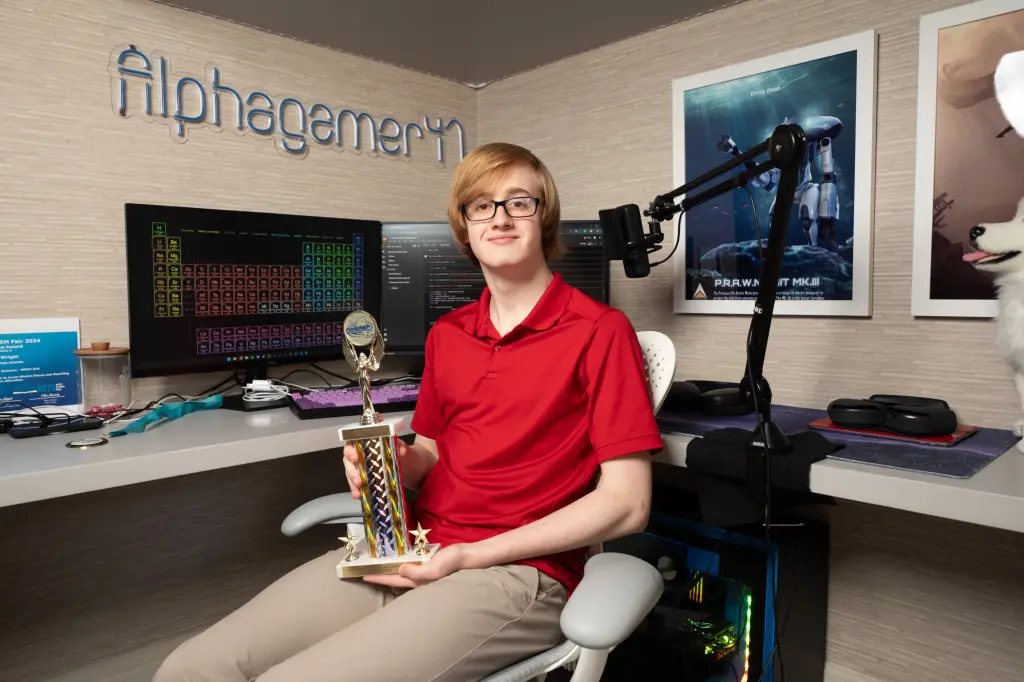
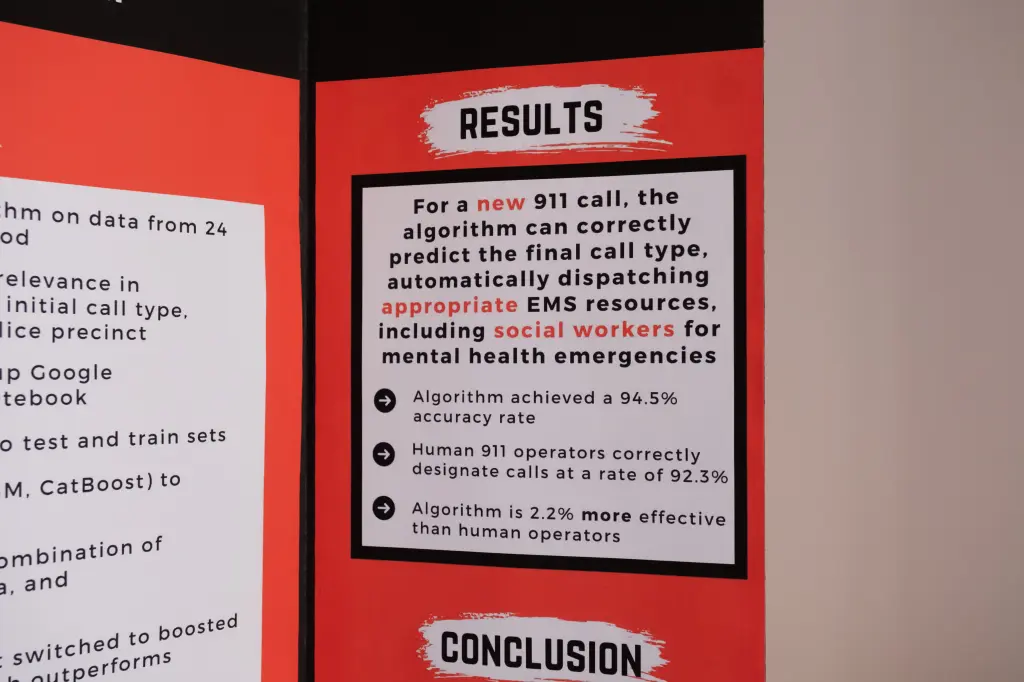
    When 17-year-old Pierce Wright built an AI emergency response project as a high school student, he didn’t expect to outperform trained 911 dispatchers. But that’s exactly what happened. His system, trained on over 24 million NYC 911 call records, clocked 94.5% accuracy higher than human professionals.

    This AI emergency response project by a high school student shows that real-world AI innovation isn’t just happening in labs—it’s happening in classrooms and teen bedrooms across the country.

    Why AI Emergency Response Projects by High School Students Matter

    Every year, hundreds of thousands of 911 calls in cities like New York involve mental health or substance abuse. Many of those calls don’t need a police officer or an ambulance. They need a different kind of help. And getting that wrong leads to wasted time, crowded ERs, and in some cases, tragic outcomes.

    Pierce saw this firsthand while volunteering with EMS teams in Westport, Connecticut. He noticed that emergency responders were constantly sent to cases that didn’t require their specific skills. That experience made him wonder if AI could help solve the mismatch between real needs and dispatched services.

    So he went to work.

    What He Actually Built

    Using open city datasets from NYC, Pierce trained a gradient-boosting model that looks at four key inputs: zip code, time of day, police precinct, and the initial call type. From that, the model predicts what kind of emergency response is actually needed.

    The scale was massive. He trained the system on data from 2005 to 2022, with millions of emergency medical service records. Then he tested the results and discovered something wild: the AI wasn’t just keeping up with human dispatchers, it was slightly better.

    That small margin could mean over $123 million saved annually by sending the right help more efficiently.

    But here’s the bigger picture. Pierce didn’t build this in a university lab or under a tech giant. He built it as a high school student, using tools and data that anyone can access.

    What Other Students Can Learn from This

    This isn’t a one-off miracle. More and more high school students are building real, working AI tools that tackle serious problems. Some are using computer vision to detect skin cancer. Others are training language models to flag early signs of depression in teens. The difference usually comes down to whether they have the right mentors, space to explore, and a reason to care.
    That’s where programs like BetterMind Labs come in. We’ve worked with students to help them go beyond theory and actually build projects that solve real-world problems.

    And yes, they also happen to look incredible on college applications.

    What Pierce’s Story Really Shows Us

    It’s easy to think of AI as something distant or overly complex. But the truth is, the tools are here. The knowledge is accessible. And when a teenager like Pierce Wright can train a smarter emergency response system than professionals with decades of experience, it’s a wake-up call.
    Students aren’t just future innovators. They’re already creating things that matter.

    So if you’re a parent wondering what your teen could be doing with their interests in tech, or a student who’s curious about AI but doesn’t know where to start, this is your sign.

    Want to help your teen build something real with AI?

    BetterMind Labs helps high school students learn AI by building meaningful projects. No fluff. No busywork. Just real-world tools, guided by mentors who’ve been there.

    Pierce started with a simple idea. Your teen can too.


    Relevant Links:

  • AI Fact-Checker Built by High School Students | Debate Tool

    How High School Students Built an AI Fact-Checker for Political Debates

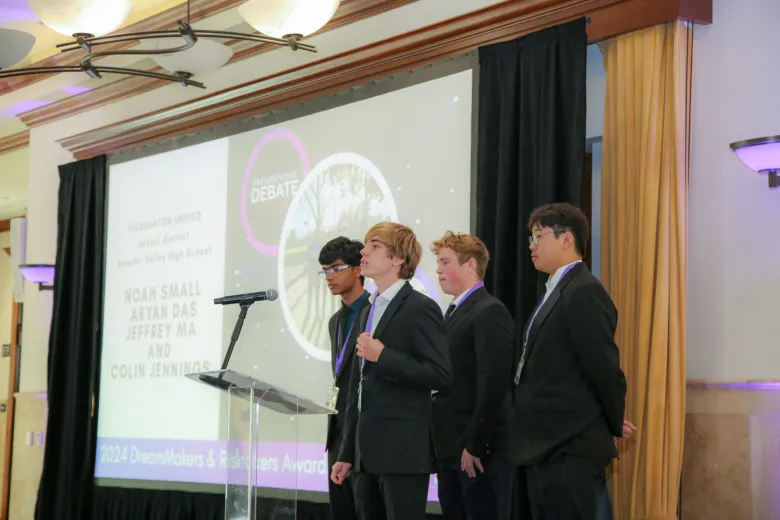
    Political debates are intense, fast-paced, and full of claims that aren’t always true. So students at Amador Valley High School in California took action. High school students built an AI fact-checker that listened to the 2024 U.S. presidential debate and flagged misleading or false statements on the spot. It wasn’t just for show; it achieved 87% accuracy using live news sources and natural language processing.

    This wasn’t a classroom assignment. It worked in the real world, and it was built by high schoolers.

    Real-Time AI Debate Fact-Checking System: What They Created

    Using speech-to-text software, the team transcribed debate audio in real time. Then their AI model compared spoken statements to verified databases and up-to-date news sources. Machine learning algorithms classified each claim as true, false, or misleading within seconds.

    One student, Noah Small, led efforts to optimize the speech transcription. Colin Jennings, Aryan Das, and Jeffrey Ma designed the machine learning model and built the confidence scoring system. Working under their teacher, Kevin Kiyoi, they tested APIs like Google Gemini and OpenAI’s GPT to parse and verify statements.

    The impressive part wasn’t just accuracy. It was adaptability. The system handled background noise, rapid speaker changes, and incomplete sentences. That made it a true example of a high school AI project success.

    Accuracy and Impact: Why AI Misinformation Tools Matter

    The debate tool achieved 87% accuracy, verified by students cross-checking outputs. Local media and educators praised its innovation and potential. This showed that teenagers can build useful systems for political fact-checking and tackling misinformation.

    They didn’t replace fact-checking organizations. Instead, they enhanced it, providing instant feedback during live events. Imagine using a similar tool for televised interviews, press briefings, or live podcasts. That’s the power of accessible, student-built AI.

    AI Projects by Teens: Projects with Purpose

    What makes this project shine is the mindset behind it. These students didn’t just learn AI theory. They picked a real problem and built a solution. That’s a big difference between classroom exercises and real-world projects.

    They could have studied algorithms all year. Instead, they created something meaningful.

    Mentorship in High School AI: Why It Matters

    The Amador Valley team had the guidance of Kevin Kiyoi, a teacher who encouraged experimentation and problem-solving. Mentorship like that is often what turns a decent project into something impactful.

    It’s the same reason students at BetterMind Labs get to build projects that matter. Take Namya and Rishav, developed an early disease detection system. They didn’t just work through tutorials; they had mentors who helped them work through real data, hit roadblocks, and iterate until their model worked in the wild.

    Whether it’s a debate fact-checker or an Early disease detector, mentorship makes the difference between learning the tools and learning how to use them.

    Final Thoughts: Teen AI Project Inspiration

    When Noah Small, Colin Jennings, Aryan Das, and Jeffrey Ma built their live AI fact-checker, they showed that high school students can tackle misinformation with real impact. That’s not a niche achievement. It’s a sign that the next wave of AI innovation will come from unexpected places.

    They just need curiosity, support, and tools. And once they start building, they might surprise you with just how far they can go.


    Relevant Links

  • The AI Project by High School Students That’s Revolutionizing Cancer Detection

    Stanford’s AI System That Diagnoses Skin Cancer

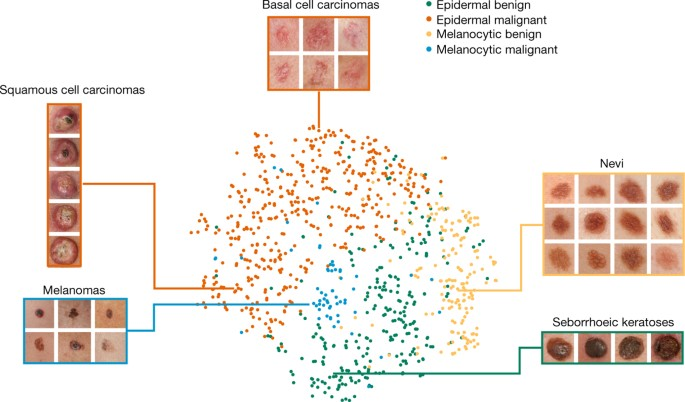
    In 2017, researchers at Stanford University published something that turned heads in both tech and healthcare: a convolutional neural network that could classify skin cancer with the same accuracy as board-certified dermatologists.

    They trained their AI model using over 129,000 images of skin lesions, covering more than 2,000 skin diseases. What made it groundbreaking wasn’t just the scale, but the performance. The system could accurately distinguish between benign and malignant conditions, including deadly melanoma.

    This wasn’t some lab experiment with carefully cleaned-up data. The model was tested against 21 dermatologists and performed on par with the experts. The results were published in Nature, one of the most respected scientific journals.

    Why It Matters

    Skin cancer is one of the most common cancers in the world. Melanoma, while less common than basal or squamous cell carcinomas, is far more dangerous. Early detection dramatically increases survival rates, but many people don’t have access to dermatologists or don’t recognize symptoms in time.

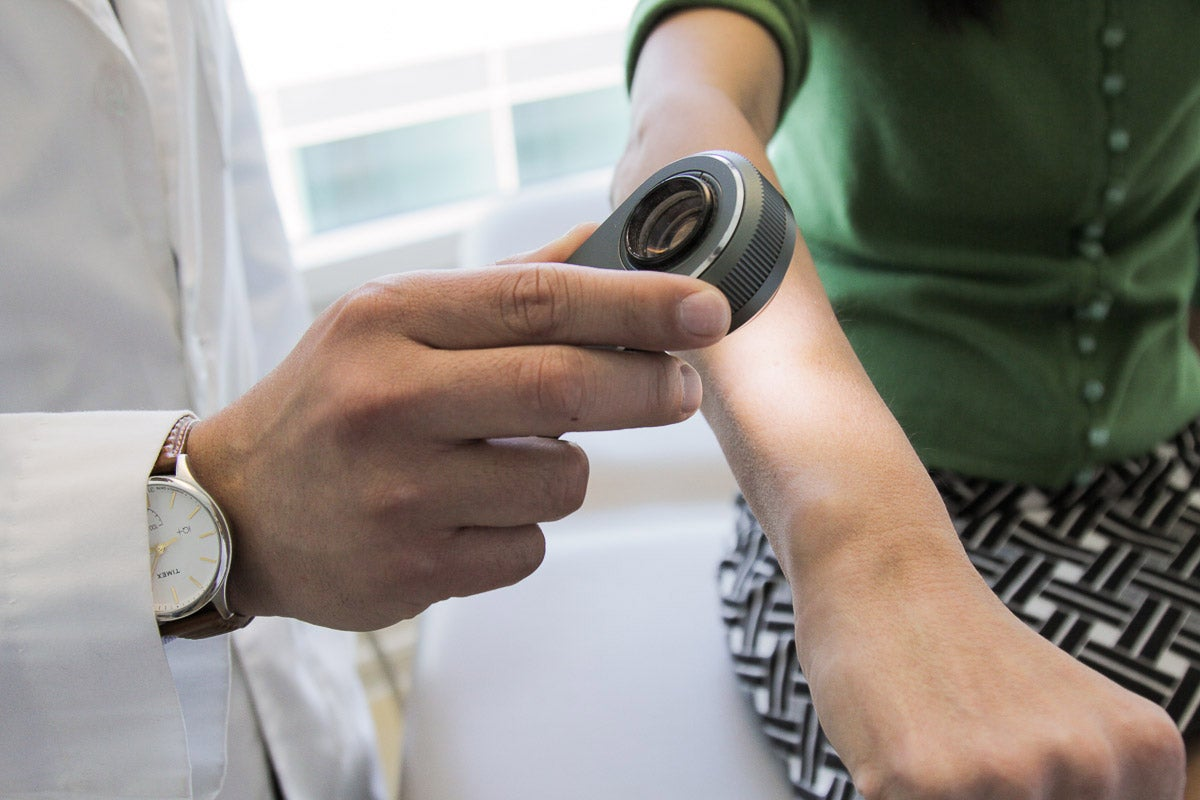
    That’s where AI can play a critical role. A mobile app with this kind of model behind it could help people check suspicious moles or spots in minutes. It wouldn’t replace doctors, but it could flag potential problems earlier and bring peace of mind to users who might otherwise ignore a warning sign.

    The real power here is accessibility. A smartphone with a decent camera and a trained model could serve as a first line of defense, especially in areas where dermatological care is hard to reach.

    What the Research Actually Did

    The Stanford team used a single deep convolutional neural network architecture based on GoogleNet Inception v3. They pretrained it on ImageNet, a dataset with millions of everyday images, before fine-tuning it on their skin lesion dataset.

    No special filters or image preprocessing tricks were used. That’s what made it so impressive: it worked with regular photographs, similar to what a patient might take at home.

    The model was able to differentiate between three major categories:

    • Benign lesions

    • Malignant melanomas

    • Carcinomas like basal or squamous cell cancers

    The implications were clear. AI didn’t just belong in labs or self-driving cars. It had a place in frontline healthcare, too.

    Real-World Impact of AI Projects by High School Students

    At BetterMind Labs, two high schoolers, Richard Han and Videep Cheemangunta, took inspiration from this research and built their own melanoma detection project. Their model analyzes images of skin lesions and flags potential cancer risks.

    This AI project by high school students is more than just a technical exercise — it’s a real-world initiative proving that teens can use artificial intelligence for impactful, socially responsible solutions.

    They said the hands-on experience helped them understand how AI can make a difference in real lives. It wasn’t just academic, it felt personal.

    “BetterMind Labs made learning about AI fun and easy. We got to try real tools, build models, and think about how AI impacts the world.” — Richard Han

    “The BetterMind Labs team is incredibly patient and professional. They taught us the fundamentals of AI and helped us build projects that actually matter.” — Videep Cheemangunta

    The Bigger Picture

    The line between student and scientist is getting thinner. When research like Stanford’s becomes public, high schoolers don’t just learn, they contribute. Whether it’s through academic partnerships or independent programs like BetterMind Labs, more students are exploring AI with a real sense of purpose.

    Skin cancer detection is just one example. But it’s a powerful one. Because when a model can catch melanoma earlier than most people ever would, it’s not just impressive. It saves lives.


    Relevant Links:

  • An AI Project by High School Students That’s Changing How We Learn

    AI is no longer just for PhDs and tech giants, this AI project by high school students proves that. At BetterMind Labs, a group of passionate teenagers built a fully functional recommendation engine aimed at sparking curiosity, not addiction.

    You finish binging a sci-fi series on Netflix, and instantly, a new one with a similar vibe appears, titled “Top Picks For You.” You listen to a new indie band on Spotify, and your “Discover Weekly” playlist is suddenly filled with similar-sounding artists you’ve never heard of but instantly love. You buy a new coffee maker on Amazon, and your homepage starts suggesting specific brands of coffee beans and mugs.

    Is it magic? Mind-reading?

    It’s one of the most powerful and pervasive forms of artificial intelligence in the world: the recommendation algorithm. These invisible engines are the curators of our digital lives, shaping our tastes, our purchases, and even our thoughts. But how do they actually work?

    The Recommendation Engine: Your Personal, Invisible Butler

    At its core, a recommendation algorithm is a filtering system that predicts your preferences. It sifts through millions of items to present you with the ones it thinks you’ll like best. There are two primary ways it does this.

    Method 1: Collaborative Filtering (“People like you also liked…”)

    This is the most common method. The algorithm doesn’t need to know anything about the products themselves; it just needs to know what people do.

    It works like this:

    1. The algorithm identifies a user who has similar tastes to you. Let’s call them your “taste twin.”

    2. It looks at everything you and your taste twin have both liked.

    3. Then, it finds something your taste twin has liked, but you haven’t seen yet.

    4. Finally, it recommends that new item to you, assuming you’ll like it too.

    This is the engine behind Netflix’s “Trending Now” and Amazon’s “Customers who bought this also bought…” It’s powerful because it leverages the wisdom (and data) of crowds.

    Method 2: Content-Based Filtering (“Because you watched…”)

    This method looks at the attributes of the content itself. If you watch a lot of sci-fi movies starring a specific actor and directed by a certain director, the algorithm will tag those attributes. It then searches its massive library for other movies with the same tags (same genre, same actor, etc.) and recommends those to you.

    This is why after you watch one video about “how to fix a leaky faucet” on YouTube, your entire feed fills up with home improvement content.

    How This AI Project by High School Students Solved a Real Problem

    Understanding these systems is the first step toward becoming a more conscious digital citizen. The next step? Learning how to build them yourself—and perhaps, how to build them for a better purpose.

    Case Study: A BetterMind Labs Student’s “Curiosity Engine”

    Meet “Leo,” a high school student who felt trapped by his social media feeds. He noticed that the more he engaged, the narrower his content became. The same topics, same opinions, same creators, over and over. He wasn’t discovering new ideas; he was just digging deeper into a trench of familiarity.

    He brought this frustration to the BetterMind Labs AI/ML program with a question: Could you build a recommendation engine that did the opposite? Could it foster curiosity instead of just confirming bias?

    Working with mentors, Leo learned the fundamentals of recommendation systems. But instead of designing his project to predict what a user would definitely like, he designed it to find surprising and interesting connections.

    He built a “Curiosity Engine.” Here’s how it worked:

    • A user inputs a topic they enjoy, like “Basketball.”

    • Instead of recommending more basketball videos, Leo’s algorithm would analyze the core concepts (teamwork, strategy, physics) and find content from other fields.

    • It might recommend a documentary on military strategy, an article on the physics of projectile motion, or a biography of a famous team coach.

    Leo’s project was a brilliant demonstration of critical thinking. He deconstructed a technology that runs our lives and rebuilt it to serve a higher purpose: learning and discovery. It’s a story that shows not just technical skill, but a deep understanding of the ethical and social implications of AI.

    How to Be a Conscious Consumer in an Age of Algorithms

    You don’t need to build an AI to take back control. Here are a few simple ways to manage the algorithms in your life:

    • Be Actively Curious: Intentionally search for topics and creators outside of your usual bubble.

    • Pollute Your Data: Occasionally watch or listen to something completely random to throw the algorithm off.

    • Use “Incognito” or “Private Browse”: This allows you to search without the influence of your past behavior.

    • Manage Your History: Periodically go into your YouTube or Netflix settings and delete viewing history that you don’t want to influence future recommendations.

    These algorithms are powerful tools, but they are not in charge. By understanding how they work, we can use them to genuinely enrich our lives, not limit them.

    🚀 Ready to help your teen move from being a passive consumer to an active creator?

    Explore the BetterMind Labs AI Internship and see how they can learn to build the technologies that are shaping our world.