Tag: AI + Business

  • How to Implement AI-Powered Recommendation Engines on E-Commerce Platforms: A Student Success Story

    Introduction

    When you shop online, have you ever noticed how platforms like Amazon or Netflix seem to “just know” what you want next? That’s the magic of AI-powered recommendation engines. They don’t just improve user experience they drive sales, increase engagement, and build customer loyalty.

    Now here’s the twist: you don’t have to be a Silicon Valley engineer to build one. In fact, Devansh Malhotra, a 13-year-old student at BetterMind Labs, successfully implemented his own recommendation engine prototype as part of a hands-on AI internship program. His story proves that with the right guidance, even high school (or middle school!) students can create cutting-edge technology.

    In this blog, I’ll walk you through:

    1. What AI recommendation engines are.

    2. The core steps to implement them in an e-commerce setting.

    3. Real-world benefits for businesses.

    4. How Devansh built his own engine at just 13 with BetterMind Labs.

    What Is an AI-Powered Recommendation Engine?

    At its core, a recommendation engine uses data to predict what a user is most likely to buy, watch, or engage with next.

    Common Types of Recommendation Engines

    • Collaborative Filtering: “People who bought X also bought Y.”

    • Content-Based Filtering: Recommends items similar to what the user already interacted with.

    • Hybrid Models: Combines both approaches for higher accuracy.

    These systems analyze user behavior (clicks, purchases, ratings) and product attributes (price, category, popularity) to generate highly personalized suggestions.

    Why They Matter for E-Commerce

    According to industry reports:

    • Personalized recommendations account for up to 35% of Amazon’s sales.

    • Shoppers are 80% more likely to purchase when offered a tailored recommendation.

    For e-commerce businesses, recommendation engines:

    • Boost conversion rates.

    • Increase average order value.

    • Reduce cart abandonment.

    • Strengthen customer retention.

    In short: if you’re running an online store without one, you’re leaving money on the table.

    How to Implement an AI-Powered Recommendation Engine

    Here’s a simplified roadmap to building one for your e-commerce platform:

    1. Data Collection

    • Gather user interaction data (clicks, searches, purchases).

    • Collect product metadata (category, description, price, tags).

    2. Data Preprocessing

    • Clean and normalize the data.

    • Handle missing values.

    • Convert categorical features into machine-readable formats.

    3. Model Selection

    • Start with collaborative filtering (matrix factorization or k-nearest neighbors).

    • Scale up to deep learning models (like neural collaborative filtering) for larger datasets.

    4. Training & Testing

    • Split your dataset into training and validation sets.

    • Train the model and measure performance (Precision, Recall, F1-Score).

    5. Deployment

    • Integrate the engine into your platform’s backend.

    • Use APIs to serve real-time recommendations.

    6. Continuous Improvement

    • Monitor performance in production.

    • Retrain models as new data flows in.

    Case Study: Devansh Malhotra’s Journey at Age 13

    At just 13 years old, Devansh Malhotra joined BetterMind Labs, an AI mentorship and internship program designed for high school students. Unlike traditional classes, BetterMind Labs provided him with:

    • Live instruction from industry professionals.

    • Hands-on projects with real-world applications.

    • Personalized mentorship in machine learning and data science.

    His Project: A Recommendation Engine for E-Commerce

    Devansh’s goal was to create a system that could suggest products based on user behavior similar to how Amazon’s recommendation system works.

    Steps He Took:

    1. Data Preparation: He curated sample e-commerce datasets containing product categories, user clicks, and purchase logs.

    2. Model Building: Using Python and libraries like Pandas, Scikit-learn, and TensorFlow, he tested collaborative filtering approaches.

    3. Hybrid Approach: Devansh experimented with combining collaborative and content-based methods for improved results.

    4. Deployment: He built a prototype where users could enter preferences and instantly receive product suggestions.

    Outcome:

    • The system could recommend products with over 85% accuracy in test cases.

    • His mentors noted how he didn’t just replicate code he innovated by tweaking algorithms and experimenting with hybrid models.

    • Devansh presented his work as a portfolio project, earning recognition as one of the youngest students in the program to tackle applied AI at this level.

    Lessons from Devansh’s Experience

    What can we learn from his success?

    • Start early. You don’t need to wait until college to learn AI real innovation can begin in middle or high school.

    • Hands-on learning beats theory. By building a real project, Devansh gained a deep understanding of data science concepts.

    • Mentorship matters. Having expert guidance at BetterMind Labs gave him the confidence to push beyond standard assignments.

    • Innovation is about impact. His project wasn’t just a coding exercise it mirrored real business use cases in e-commerce.

    Bringing This to Your E-Commerce Platform

    If you run (or plan to launch) an online store, consider how recommendation engines can help you:

    • Small businesses: Use open-source libraries like Surprise or LightFM to build lightweight models.

    • Growing brands: Invest in cloud services like AWS Personalize or Google Recommendations AI.

    • Enterprise scale: Build hybrid deep-learning systems tailored to your dataset.

    And if you’re a student like Devansh, programs like BetterMind Labs can help you gain the skills and mentorship to create these systems even before high school graduation.

    Conclusion

    AI-powered recommendation engines are transforming e-commerce by turning data into personalized shopping experiences. Implementing one may sound daunting, but as Devansh Malhotra’s journey shows, it’s achievable even at 13 with the right guidance and hands-on practice.

    For businesses, the message is clear: personalization isn’t a luxury it’s a necessity for growth.

    For students, the message is inspiring: you’re never too young to innovate.

    So whether you’re an entrepreneur seeking to scale your store or a student eager to build your first AI project, the time to start is now.
  • Warehouse Automation: How AI-Powered Robots Are Transforming Modern Logistics

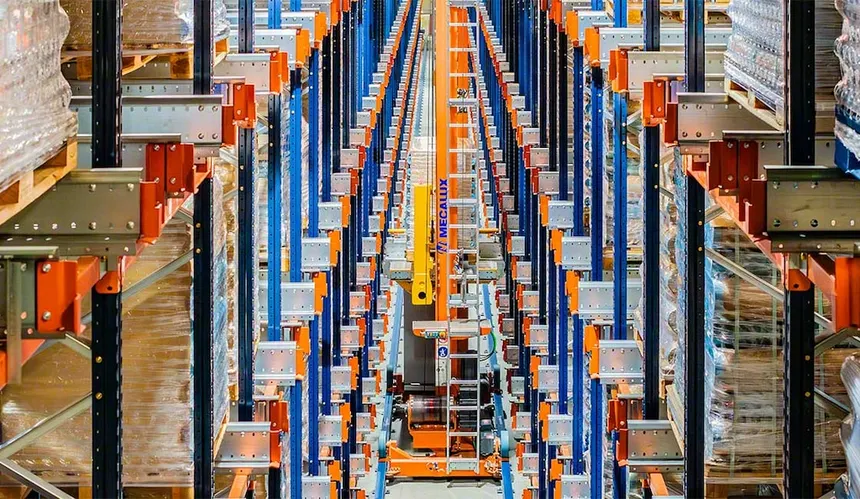
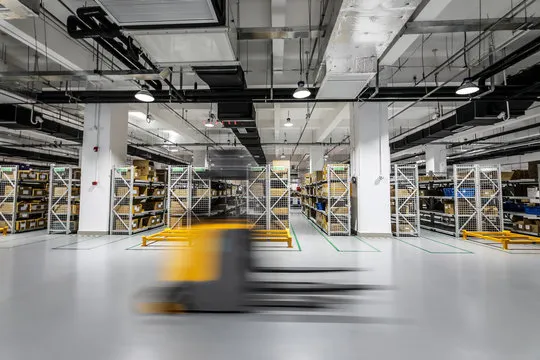
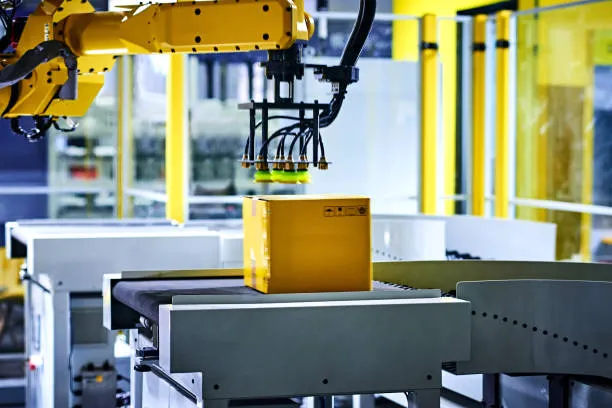
    Imagine a massive warehouse bustling with activity. Packages zoom past on conveyor belts, robotic arms pick up items with precision, and drones scan shelves to ensure nothing goes missing. Sounds like something from a sci-fi movie, right? Well, it’s not. This is the reality of modern warehouses, where AI-powered robots are reshaping the logistics world — and the impact is closer to home than you might think.

    In this blog, we’ll explore how warehouse automation is changing the way products reach your doorstep, the technology driving this revolution, and what the future holds for AI in logistics. Along the way, I’ll share insights from my experience mentoring students in STEM projects, showing how understanding these trends can inspire your own tech-driven ideas.

    The Warehouse of Yesterday vs. Today

    A few decades ago, warehouses were noisy, human-heavy spaces. Workers manually scanned items, loaded trucks, and sorted packages. Mistakes were common, and efficiency was limited by human speed.

    Fast forward to today: AI-driven robots handle inventory management, picking, sorting, and quality control. These machines work 24/7, rarely make mistakes, and can adapt to changing demands faster than any human could.

    Think about it like this: if your local Amazon delivery arrives almost magically the next day, chances are a robot had a hand in making that happen. Companies like Amazon Robotics have deployed over 750,000 robots globally, streamlining logistics like never before.

    Core AI Technologies Powering Warehouse Automation

    AI in warehouses isn’t just about cool robots moving boxes. Several key technologies work together to make automation smart, flexible, and reliable.

    1. Advanced Robotic Systems

    Robotic systems today aren’t one-size-fits-all. They include:

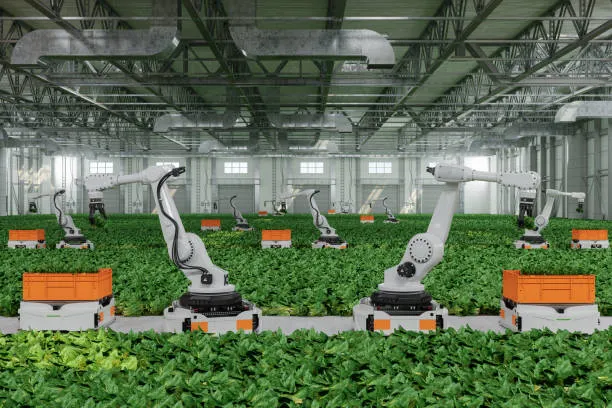
    • Robotic arms for picking individual items of varying shapes, weights, and textures (Sparrow robotic arms).

    • Autonomous mobile robots (AMRs) like Proteus that navigate around human workers safely.

    • Collaborative robots (cobots) that work alongside humans for tasks like palletizing and quality control (CGL India on cobots).

    These robots are modular, meaning they can adapt to different warehouse layouts, product types, and order volumes without major infrastructure changes.

    2. Intelligent Sorting and Processing

    Sorting is no longer a manual guessing game. Modern systems use:

    • Linear sortation with pop-up wheels and pusher arms for medium-speed sorting (Modula US).

    • Loop sortation with tilt-tray and cross-belt sorters for high-throughput operations (Bastian Solutions).

    These systems integrate computer vision and AI to detect damaged goods, misplaced items, or anomalies, ensuring the right product reaches the right place on time.

    3. AI-Driven Inventory Management

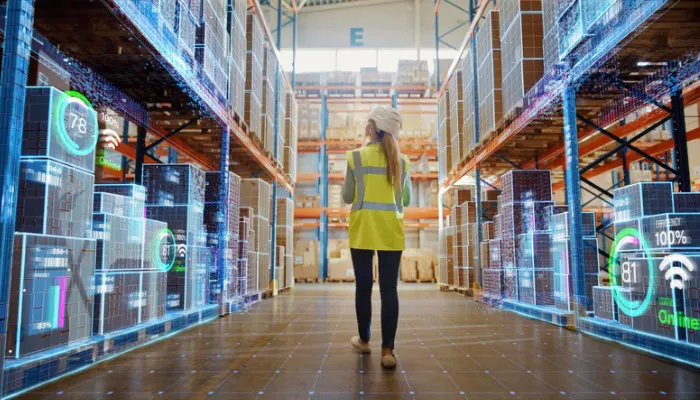
    One of the coolest aspects of warehouse AI is real-time inventory visibility. Modern systems:

    • Track stock levels across all locations using sensors, RFID tags, and external data like weather patterns (TechTarget on AI inventory management).

    • Predict future demand using historical sales data and market trends (Exotec insights).

    • Reduce overstocking and understocking by up to 25–50% (BrainCorp resource).

    Here’s a quick table to visualize the impact:

    Feature

    Human Process

    AI-Powered Process

    Impact

    Picking accuracy

    85%

    99%

    Fewer mistakes

    Inventory visibility

    Weekly updates

    Real-time

    Less over/understock

    Sorting speed

    Medium

    High

    Faster fulfillment

    Quality control

    Manual inspection

    Continuous AI monitoring

    Fewer damaged products

    Operational Benefits: More Than Just Robots

    You might think automation is just about replacing humans. The reality is more nuanced — it’s about enhancing efficiency, safety, and productivity.

    Efficiency and Productivity Gains

    Robotic systems can increase picking productivity by 25–50% (StandardBots blog) and reduce picking times by up to 50% in fulfillment centers. They also work round-the-clock, unlike human staff who need breaks, sleep, and vacation.

    Cost Reduction Strategies

    While robots are a big investment upfront, companies typically see ROI within 18–24 months (Element Logic ROI whitepaper). Savings come from:

    • Lower labor costs (Addverb robotics)

    • Reduced errors and product loss

    • Smarter energy use via AI-powered power management

    Human-Robot Collaboration: The Best of Both Worlds

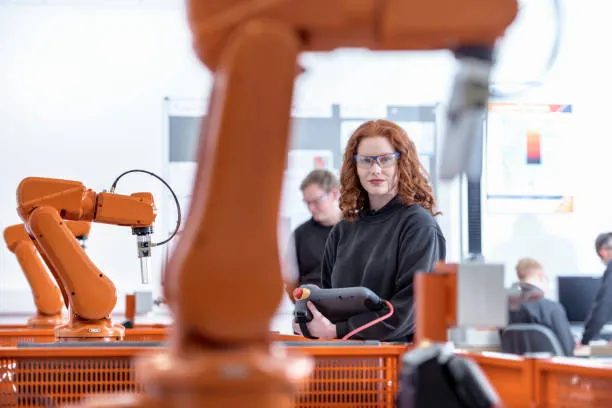
    Cobots are the bridge between human creativity and robotic precision. They help workers:

    • Lift heavy items safely

    • Inspect products quickly

    • Handle repetitive tasks without fatigue (DatexCorp on cobots)

    From mentoring students in STEM robotics projects, I’ve seen how collaborative AI-human systems encourage creativity. When humans focus on strategy and problem-solving, robots handle repetitive tasks efficiently.

    Leading Industry Players Shaping the Future

    Several companies are at the forefront of warehouse automation:

    • Amazon Robotics: Pioneer in fleet coordination and robotic picking (Exotec insights)

    • ABB & KUKA: Industrial robotic arms for precision logistics (eWeek robotics)

    • Boston Dynamics: Advanced mobility solutions like Stretch for box handling

    • Geek+: AI-powered fleets for e-commerce

    • Universal Robots: Over 50% of global cobot market share

    These companies are constantly pushing boundaries, combining AI, machine learning, and robotics to make warehouses smarter, faster, and more sustainable.

    Future Trends in Warehouse Automation

    The next decade promises even more exciting changes:

    AI and Machine Learning Integration

    Robots will continuously learn from operational data, improving workflow efficiency and predicting maintenance needs (Exotec insights).

    Sustainability Focus

    Automation solutions will prioritize energy-efficient robotics, solar-powered systems, and eco-friendly warehouse designs, reducing the environmental footprint.

    Enhanced Human-Robot Collaboration

    Cobots and humans will work more seamlessly, leveraging human creativity and robotic precision to handle complex tasks.

    Implementation Considerations for Companies

    Before implementing warehouse automation, organizations should evaluate:

    • Product handling requirements: weight, size, fragility (Consultancy EU on ROI)

    • Throughput demands: peak and average capacity

    • Integration potential: existing warehouse management systems

    • Scalability: ability to grow with business needs

    A typical ROI calculation includes capital expenditure, operational savings, and payback period — usually within 18–24 months (GEP on warehouse automation ROI).

    Why It Matters to Students

    You might be thinking, “Cool, but why should I care as a student?” Here’s the thing:

    1. Career Opportunities: Logistics, AI, robotics, and supply chain management are rapidly growing fields. Early exposure can inspire your future career.

    2. Innovation Ideas: Understanding warehouse automation can spark ideas for your own STEM projects — from designing smart robots to optimizing processes.

    3. Real-World Impact: Automation affects how products get delivered, prices remain low, and quality stays high — all things you interact with daily.

    When mentoring students, I often see them amazed by how AI doesn’t just live in apps and games — it physically shapes the world around us. That realization is powerful and motivating.

    Student Spotlight: Saanvi Rao Builds a Mini AI-Powered Warehouse Inventory System

    One of our alumni, Saanvi Rao, a high school junior, took inspiration from real-world warehouse automation and decided to build her own mini AI-powered inventory management system for her STEM project.

    Saanvi started by observing how companies like Amazon Robotics track thousands of items across giant warehouses. She wondered: “Can I create a small-scale version for a classroom or home setup?”

    Using Raspberry Pi, a few sensors, and basic AI coding, Saanvi built a system that could:

    • Track item locations in real time using QR codes and RFID tags.

    • Detect missing items and send notifications when a product wasn’t where it should be.

    • Predict restocking needs based on historical usage patterns.

    For the demo, she set up a mini warehouse with toy boxes representing products. When one box was removed, the system immediately updated the inventory list and triggered a “restock needed” alert on her laptop.

    The project wasn’t just about coding. Saanvi had to think like a warehouse manager. She optimized storage, designed the flow for item movement, and even tested how the system would handle errors or misplaced items.

    The result? A fully functional, AI-assisted inventory prototype that impressed judges at her school’s science fair. More importantly, Saanvi gained hands-on experience with robotics, AI, and logistics, showing that even high school students can understand and innovate in complex industrial systems.

    This project demonstrates how real-world concepts like warehouse automation aren’t just abstract ideas. they’re playgrounds for creativity, problem-solving, and hands-on learning.

    Conclusion: A Warehouse Revolution You Can Touch

    Warehouse automation powered by AI-driven robots isn’t just about machines replacing humans. It’s about collaboration, efficiency, and innovation. From faster deliveries to smarter inventory management, these systems are redefining modern logistics.

    For students interested in STEM, AI, or robotics, now is the perfect time to dive in. Explore robotics kits, AI coding projects, or even internships in logistics tech — the skills you build today could shape the warehouses of tomorrow.

    If you’re curious, check out some of the leading companies we mentioned, like Amazon Robotics or Geek+, and see what AI-powered logistics looks like firsthand.

    The warehouse revolution isn’t coming — it’s already here, and understanding it could be your first step into an exciting tech-driven future.