Tag: AI + Career Prep

  • How AI is Changing the World — and What a High School Student AI Astronomy Project Means for Gen Z

    He didn’t have a telescope.

    He didn’t work in a professional lab.

    But at just 15, Pranav Sivakumar launched a high school student AI astronomy project that helped discover gravitationally lensed quasars—some of the rarest and most fascinating objects in the universe.
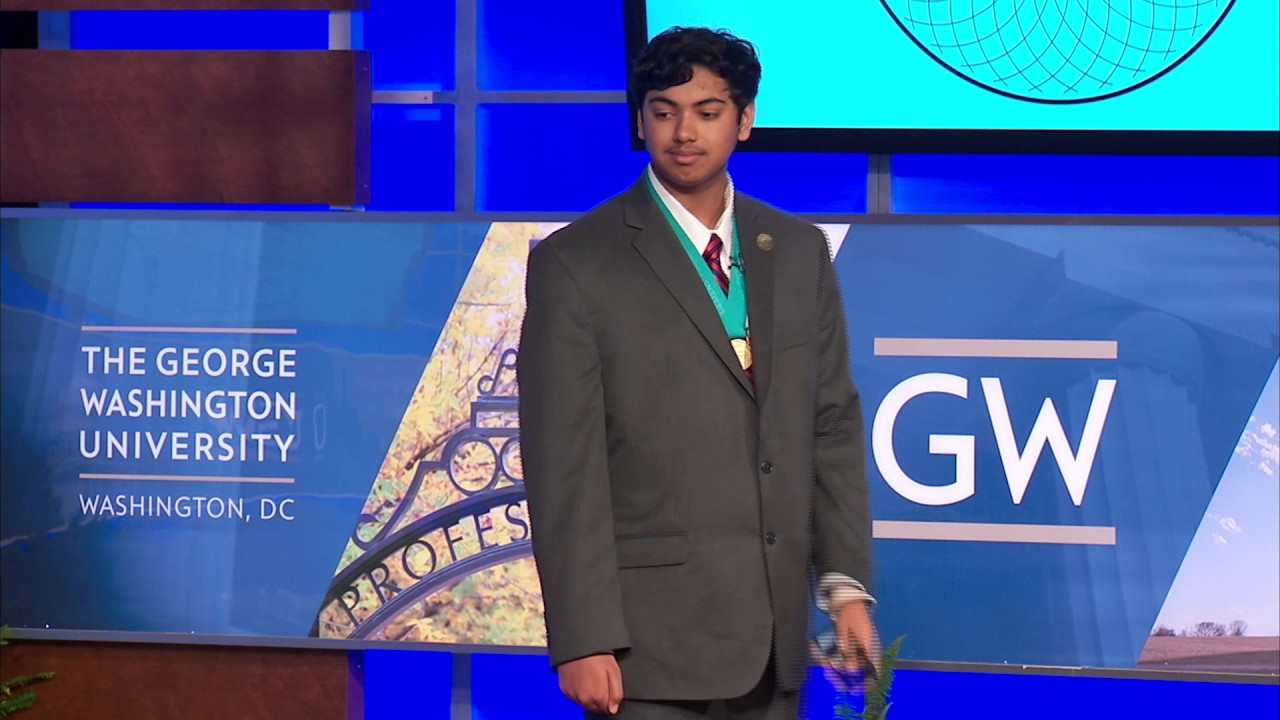
    His project earned recognition from NASA, Fermilab, and even the White House.

    What’s a Gravitationally Lensed Quasar?

    It sounds like sci-fi, but it’s real astrophysics.

    Quasars are insanely bright, faraway galaxies with black holes at their centers. Sometimes, a massive galaxy lies directly between us and the quasar. That foreground galaxy bends the light from the quasar around it, sort of like a cosmic magnifying glass. That’s gravitational lensing.

    These systems are rare, and finding them helps scientists test theories about dark energy, dark matter, and the very shape of the universe.

    How This High School Student Used AI in Their Astronomy Project

    He used data from the Sloan Digital Sky Survey, a massive open-source catalog of the sky.

    Then, with Python and machine learning models he built himself, he filtered through thousands of galaxy images to flag 109 potential lensing systems. His work impressed researchers at Fermilab and NASA, landing him as a finalist (twice!) in the Google Science Fair and earning him the Virgin Galactic Pioneer Award.

    Eventually, he was invited to the White House Astronomy Night, where President Obama personally acknowledged his work.

    All of this. At fifteen.
    Why This Matters to Parents and Students Today

    Pranav’s story isn’t just inspiring. It’s a clear sign of where the world is heading.

    You don’t need to wait for college to do real science. You don’t need a lab.

    What you do need is the curiosity to ask questions and the support to build something real.

    We’ve seen this firsthand at BetterMind Labs, where high school students are working on their own ambitious projects, from AI-powered wildfire prediction tools to apps that detect signs of early skin cancer using computer vision.

    What Will You  Build?

    The tools are out there. The data is free. The only missing piece? A community that pushes you to go further than school ever will.
    At BetterMind Labs, we help students connect with mentors, use real-world tools, and work on projects that colleges (and the world) actually care about.

    Because at the end of the day, there’s no age limit on changing the world. Just ask Pranav.


    Relevant Links:

    A Glimpse of the Next Generation of AlphaFold – DeepMind
    https://deepmind.google/discover/blog/a-glimpse-of-the-next-generation-of-alphafold/

    Future of Jobs Report 2025 – World Economic Forum
    https://www.weforum.org/stories/2025/01/future-of-jobs-report-2025-jobs-of-the-future-and-the-skills-you-need-to-get-them/

    Khanmigo for Teachers – AI Teaching Assistant by Khan Academy
    https://www.khanmigo.ai/teachers

    Google Workspace with Gemini – AI Tools for Education
    https://edu.google.com/intl/ALL_au/workspace-for-education/add-ons/google-workspace-with-gemini/

    Runway – Creative Tools Powered by AI
    https://runwayml.com/

    Understanding AI Bias in Hiring – VidCruiter
    https://www.vidcruiter.com/interview/intelligence/ai-bias/

    The Promises and Perils of Predictive Policing – CIGI
    https://www.cigionline.org/articles/the-promises-and-perils-of-predictive-policing/

    Timnit Gebru – Wikipedia
    https://en.wikipedia.org/wiki/Timnit_Gebru

    AI Now Institute – Wikipedia
    https://en.wikipedia.org/wiki/AI_Now_Institute

    Teachable Machine – Train Machine Learning Models Easily
    https://teachablemachine.withgoogle.com/
  • How AI Is Changing the World and What That Means for Gen Z

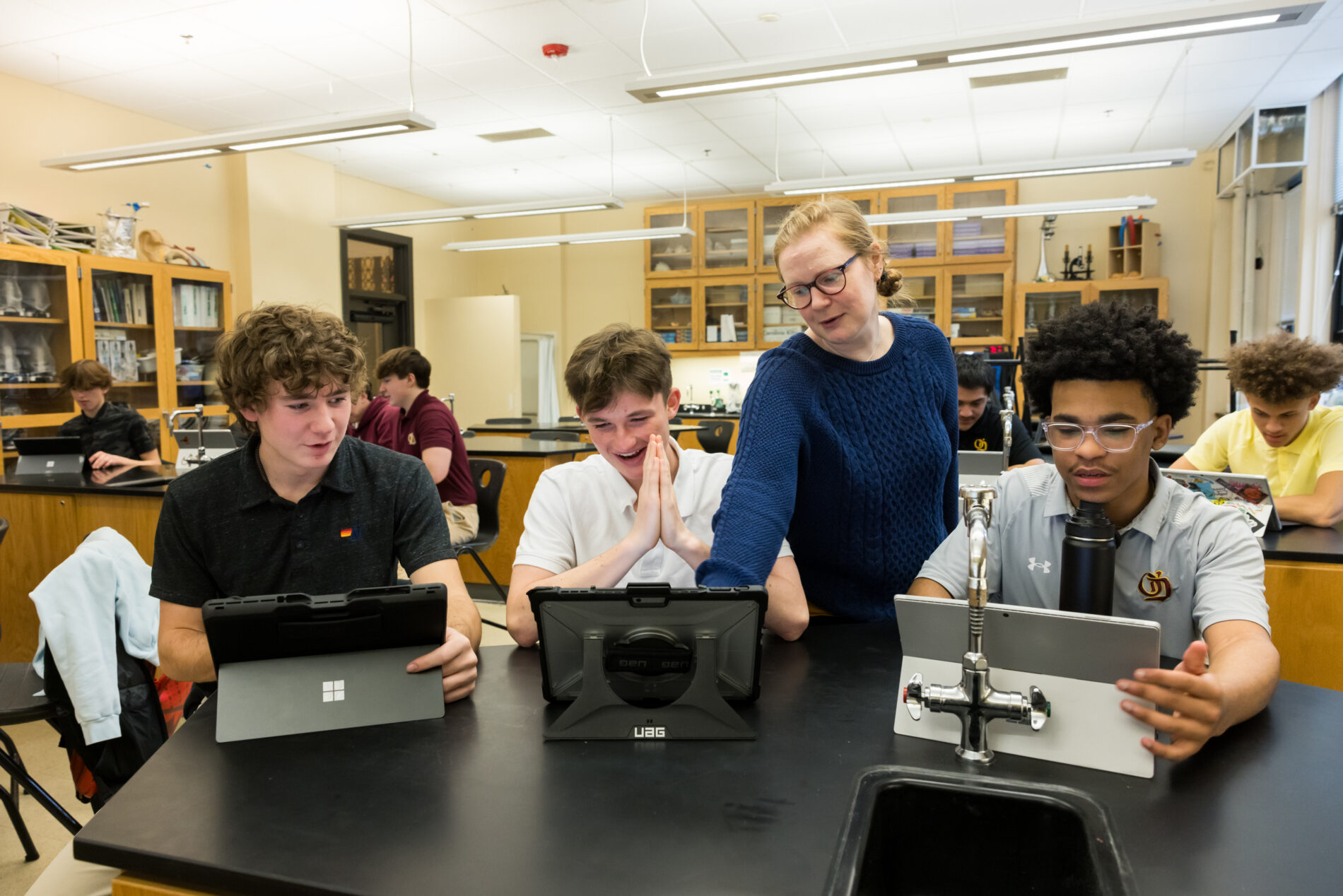
    A few years ago, the idea of talking to a robot, generating art with a click, or automating entire businesses felt like science fiction. Today, it’s reality. At the center of this shift is Artificial Intelligence, or AI. While AI is transforming nearly every part of society, the generation that will feel its full impact the most is Gen Z, those born between 1997 and 2012.

    If you’re a high school student right now, AI isn’t just a buzzword. It’s shaping your future.

    So what exactly is AI doing to the world, and how can Gen Z prepare for the AI revolution in education, careers, and everyday life? Let’s explore.

    The World Is Being Rewired by AI

    AI is no longer locked in tech labs or reserved for startups. It’s now being used to:

    • Diagnose diseases with more accuracy than human doctors

    • Predict financial markets in real time

    • Write code, generate music, and create realistic videos

    • Drive cars, screen job applicants, and detect cyber attacks

    Industries like healthcare, finance, education, agriculture, and space exploration are being redefined by AI tools. The future of work is being reshaped, and Gen Z will need new skills to thrive in it.

    Take this real-world example. In 2023, Google DeepMind used AI to predict the 3D structures of over 200 million proteins. This groundbreaking research is already speeding up drug development and could lead to cures for diseases we never thought we’d solve. Imagine being part of something that powerful while you’re still in high school.

    That’s not just a dream; students are already doing it. At BetterMind Labs, a high school student built a project called Exoplanet Data Explorer under the mentorship of an AI expert. The project used machine learning to analyze thousands of NASA exoplanet entries and helped visualize which planets might be most Earth-like. It’s a powerful example of how AI and space exploration can come together in hands-on ways, even for teens.

    Why Gen Z Needs to Understand AI Now

    You’re the first generation to grow up with smartphones, YouTube, and now tools like ChatGPT and DALL·E. Whether you dream of becoming an artist, entrepreneur, scientist, or activist, learning how AI works will give you a huge advantage.

    Here’s why AI fluency matters for Gen Z.

    1. Careers of the Future Require AI Skills

    According to the World Economic Forum, AI could generate 97 million new jobs by 2025. These new roles might include:

    • Prompt engineers

    • AI ethicists

    • Machine learning consultants

    • Data storytellers

    • AI product designers

    Even if you don’t plan on coding, AI is going to touch your career. Marketers use AI for customer insights. Journalists use it to analyze public data. Designers use it to generate concepts. AI for high school students is no longer optional, it’s essential.

    2. AI Is Revolutionizing Education

    AI-powered education platforms like Khanmigo and Google Gemini are transforming how Gen Z learns. Instead of one-size-fits-all classes, students now get personalized learning experiences.

    AI in education helps you:

    • Learn faster by adapting to your pace

    • Receive instant feedback on your work

    • Access global knowledge on any subject

    • Use real-world data to build school projects

    The way you study is changing, and those who embrace AI tools will be better prepared for college and beyond.

    3. AI Boosts Creativity, It Doesn’t Replace It

    There’s a myth that AI kills creativity, but Gen Z is proving the opposite. AI tools like Runway ML, Midjourney, and ChatGPT are helping students:

    • Animate short films

    • Launch startups from their bedrooms

    • Write books and scripts

    • Design fashion collections

    A high school student recently used AI to build a mental health chatbot to support her classmates. She ended up speaking at a national tech conference. That’s the power of combining creativity with AI.

    But AI Isn’t All Positive

    With every breakthrough comes new challenges. Gen Z needs to be aware of the risks that come with an AI-driven world.

    1. Bias and Fairness

    AI learns from data, and data can be biased. This has led to real-world problems like:

    • Hiring algorithms that discriminate

    • Predictive policing tools that target minorities

    • Chatbots that spread harmful stereotypes

    Understanding AI ethics is just as important as knowing how the tech works. The future needs leaders who will keep AI fair and inclusive.

    2. Job Displacement

    While AI creates opportunities, it can also automate routine tasks. Roles in customer service, data entry, and manufacturing are already being replaced. Gen Z needs to develop uniquely human skills like:

    • Empathy

    • Leadership

    • Critical thinking

    • Complex problem solving

    These skills will be harder for AI to replicate and will give you a long-term advantage in the job market.

    3. Digital Overload

    Being surrounded by AI-powered screens and apps can lead to burnout and comparison culture. Managing screen time, setting boundaries, and focusing on mental health will be crucial in this AI-powered age.

    How Gen Z Can Prepare for the AI Era

    You don’t need to be a tech genius to get started. Here’s how high school students can begin exploring AI and future careers.

    Start with Curiosity, Not Code

    Tools like Teachable Machine and Scratch with ML make it easy to build AI projects with no coding background. Try them out and see what’s possible.

    Build Passion Projects

    AI isn’t just for science fair winners. You can use it to:

    • Build an AI-powered music generator

    • Create a website that predicts sports stats

    • Design AI-driven fashion recommendations

    Passion projects show colleges and employers that you’re thinking ahead and thinking creatively.

    Understand the Ethics

    Follow AI researchers like Timnit Gebru or groups like AI Now Institute. Read about algorithmic bias, surveillance, and how deepfakes work. Gen Z has the power to create ethical AI systems that work for everyone.

    Collaborate and Connect

    The best AI ideas come from collaboration. Join online hackathons. Start clubs at school. Look for internships or volunteer roles where you can work on real-world problems. AI for teens isn’t just about skills; it’s about building a mindset of innovation.

    Final Thoughts

    Artificial Intelligence is not just another tech trend. It’s the engine transforming how we live, learn, and work. Gen Z isn’t just a passive generation watching it unfold. You’re building the future.

    You don’t need to have all the answers today. But you do need to stay curious, ask bold questions, and keep learning. AI is here to stay, and those who embrace it thoughtfully will help shape a smarter, more creative, and more human-centered world.


    Relevant Links:

    https://deepmind.google/discover/blog/a-glimpse-of-the-next-generation-of-alphafold/

    https://www.weforum.org/stories/2025/01/future-of-jobs-report-2025-jobs-of-the-future-and-the-skills-you-need-to-get-them/

    https://www.khanmigo.ai/teachers

    https://edu.google.com/intl/ALL_au/workspace-for-education/add-ons/google-workspace-with-gemini/

    https://runwayml.com/

    https://www.vidcruiter.com/interview/intelligence/ai-bias/

    https://www.cigionline.org/articles/the-promises-and-perils-of-predictive-policing/

    https://en.wikipedia.org/wiki/Timnit_Gebru

    https://en.wikipedia.org/wiki/AI_Now_Institute

    https://teachablemachine.withgoogle.com/

  • Why AI Internships Matter for College Admissions of High School Students(Even With No Experience)

    Internships aren’t just resume-fillers. They’re proof that you’re not just a learner—you’re a doer. For high school students, especially those in STEM, internships serve as a powerful way to show colleges and future employers that you can apply what you learn in the classroom to the real world. And in fields like artificial intelligence and machine learning, this is more important than ever.

    Why AI Internships Matter to High School Students Applying to College

    When admission officers assess applicants, especially for competitive college programs or early career roles, they’re asking a key question:

    “Can this person contribute to our workflow with minimal hand-holding?”

    Internships show that you’ve already been inside a structured environment, learned to collaborate, solved problems, and met deadlines. It proves that you understand more than theory—you understand practice.

    In a field as fast-moving as AI, it’s not enough to say you know Python or ML models. You need to show that you’ve used them to solve real problems.

    But Here’s the Catch: You Need Experience to Get Experience

    So how do high school students break into AI internships—especially when many ask for previous experience?

    Here’s how:

    1. Start With Self-Initiated Projects

    Maya, 16, loves biology. She starts working on a Python project that uses image classification to detect plant diseases. She documents her process and publishes it on GitHub and Medium.

    Now, when Maya applies for an internship, she has proof of learning, initiative, and real application.

    Lesson: Start small. Build something. Share it.

    2. Look for Instructor-Led Programs, like BetterMind Labs

    Arjun, 17, from a school with no knowledge of AI, joins the BetterMind Labs AI ML Certification Program. He learns AI hands-on, builds a mental health chatbot, and gets mentored by an industry expert.

    This gave him structured experience, a polished project, and a mentor’s recommendation—all of which helped him get into a T20 university.

    Lesson: Structured, instructor-led programs bridge the gap between interest and industry.

    3. Collaborate With Local Organizations or NGOs

    Leah, 15, volunteers at a local food bank. She notices food is wasted due to poor inventory management. With help from online courses, she builds a simple AI model to predict donation surges. Her local impact becomes her story.

    Lesson: Real-world problems are everywhere. Solve one.

    What Admission Officers Actually Look For in a Resume

    Here are the top signals admissions counselors look for:

    • Impactful projects (not toy problems)

    • Collaboration and communication skills

    • Initiative (starting or joining something meaningful)

    • Mentorship or recommendation letters

    • Proof of problem-solving

    How BetterMind Labs Helps You Shine

    At BetterMind Labs, our internship program is designed specifically for high schoolers.

    Here’s how we address what recruiters want:

    • Real Projects: Our students build AI tools for mental health, finance, healthcare, and cybersecurity.

    • Mentorship: 12–16 one-on-one mentorship sessions with industry experts.

    • Certification + Rec Letter: Every graduate gets a letter that highlights their work and growth.

    • Portfolio: A complete, compelling AI project to showcase in college apps.

    Conclusion: Build Experience That Builds Your Future

    Internships are no longer just “nice to have.” They’re essential.

    Whether you join a top program like BetterMind Labs or start by solving problems in your community, the key is to build. Internships give you the edge—not just in admissions, but in becoming someone who can think, adapt, and lead.

    Applications for the High School AI Internship are now open.

    Don’t wait to be ready. Get ready by doing.


    Relevant Links