Tag: AI + Education

  • Natural Language Processing (NLP): A Complete Beginner’s Guide

    Introduction: Why NLP Matters More Than You Think
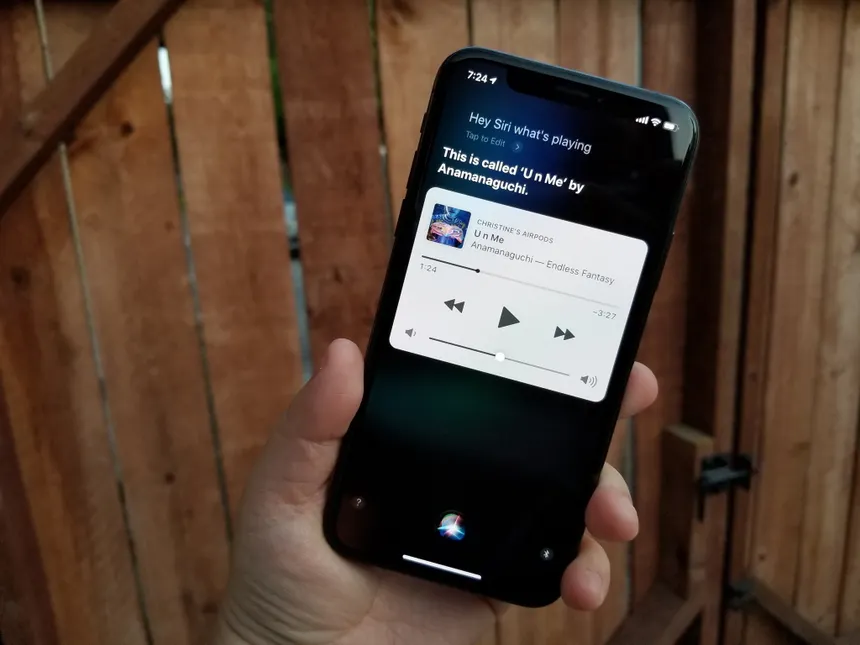
    Ever asked Siri to play your favorite song, or used Google Translate to understand a foreign phrase? If yes, you’ve already experienced Natural Language Processing (NLP)  one of the most exciting branches of Artificial Intelligence (AI).

    NLP is all about teaching computers to understand, interpret, and even generate human language in a way that feels natural to us. Think of it as building a bridge between how humans talk and how computers think.

    For high school students, learning NLP isn’t just about coding — it’s about unlocking the ability to create technology that communicates like a human. Whether you’re into programming, linguistics, or just love solving problems, NLP is a skill worth adding to your toolkit.

    In this guide, we’ll go through

    • What is Natural Language Processing?

    • How Does NLP Work?

    • Key NLP Techniques

    • Real-World Applications of NLP

    • NLP Projects for High School Students

    • Careers and Future Opportunities

    • FAQs

    • Conclusion

    What is Natural Language Processing?

    In simple terms, NLP is the field of AI that helps computers understand human language — both written and spoken. It blends three major areas:

    • Computer Science – algorithms and data structures that make language processing possible

    • Linguistics – the rules and structure of language

    • Artificial Intelligence – machine learning models that help computers detect meaning and patterns

    When done right, NLP allows technology to read, listen, and respond like a human. From chatbots in customer service to spam filters in Gmail, it’s everywhere.

    How Does NLP Work?

    NLP has two main phases:

    1. Data Preprocessing — “Cleaning” the Text
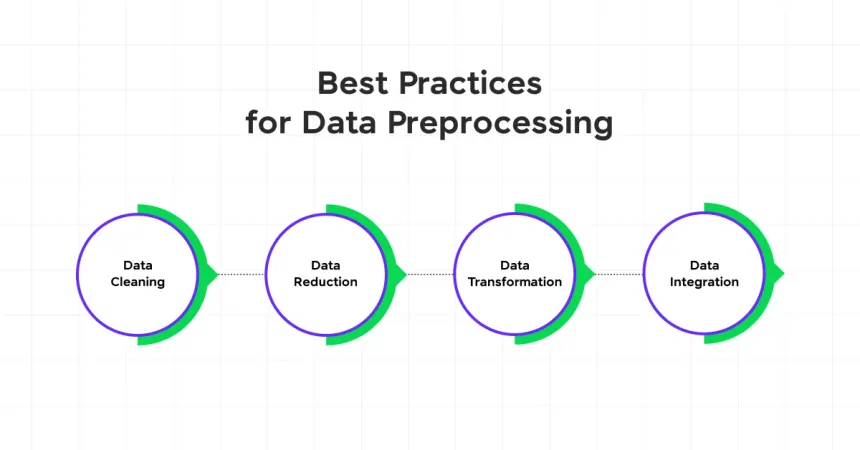
    Before computers can understand language, they need it in a clean, structured form. Common steps include:

    • Tokenization – breaking text into words or sentences. Example: “NLP is fascinating!” becomes [“NLP”, “is”, “fascinating”, “!”] (Learn more).

    • Stop Word Removal – removing common words like “the” or “is” that don’t add much meaning.

    • Stemming & Lemmatization – reducing words to their base form. “Running” becomes “run,” “better” becomes “good” (explained here).

    2. Algorithm Development — “Teaching” the Computer
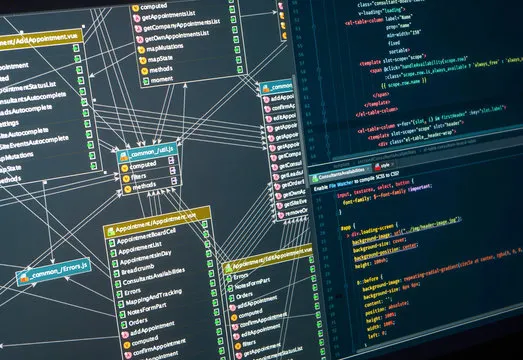
    Once data is clean, AI models analyze it to detect patterns, classify content, or generate responses. Techniques range from simple frequency counts to advanced transformer-based models like ChatGPT.

    Key NLP Techniques (Explained Simply)

    Technique

    What It Does

    Real-World Use

    Tokenization

    Breaks text into small units (words, phrases)

    Splitting sentences for AI chatbots

    Stemming & Lemmatization

    Groups similar word forms together

    Improves search engine accuracy

    Sentiment Analysis

    Detects if text is positive, negative, or neutral

    Analyzing customer reviews

    Named Entity Recognition (NER)

    Identifies names, places, dates, and organizations

    News article summarization

    Part-of-Speech Tagging

    Labels words as nouns, verbs, adjectives, etc.

    Grammar check tools

    You can dive deeper into these techniques in this detailed beginner’s guide.

    Real-World Examples of NLP You Already Use

    1. Smart Assistants

    When you say, “Hey Alexa, set a timer for 5 minutes”, NLP converts your speech into text, figures out the intent, and responds appropriately.

    2. Email Filters

    Spam detection tools like Gmail’s use NLP to scan for suspicious phrases or patterns (how it works).

    3. Predictive Text & Autocorrect

    Your phone predicts what you’re about to type based on your previous usage. Over time, it learns your style.

    4. Language Translation

    Google Translate uses NLP to maintain grammar and meaning while converting text into another language.

    5. Search Engines

    When you search “pizza near me,” NLP interprets your intent, even if those exact words aren’t on a website.

    Simple NLP Projects for High School Students

    Here are beginner-friendly ideas to apply your learning:

    Project Idea

    What You’ll Learn

    Tools You Can Use

    Spam Email Detector

    Text classification basics

    Python, NLTK

    Sentiment Analysis Tool

    Detecting emotions in text

    TextBlob

    Language Detector

    Pattern recognition in different languages

    spaCy

    Simple Chatbot

    Combining multiple NLP techniques

    Hugging Face Transformers

    Traditional vs. Modern NLP Approaches

    Traditional Methods (Still Worth Learning)

    • Bag of Words – Counts how often each word appears in a document.

    • TF-IDF – Measures how important a word is in context.

    • N-grams – Looks at sequences of words to capture meaning.

    Modern Deep Learning Approaches

    • Word Embeddings – Maps words into vector space to capture meaning (explained here).

    • Neural Networks – Mimic brain-like structures to understand language.

    • Transformers – The architecture behind ChatGPT and other large language models.

    Career Opportunities in NLP

    If you master NLP, you could work in:

    • Customer Service – Chatbots, automated support

    • Healthcare – Analyzing medical records, predicting diseases

    • Finance – Fraud detection, trading algorithms

    • Education – Automated grading, personalized learning (examples here)

    Learning Path for High School Students

    1. Build Foundation Skills

    2. Learn Core NLP Concepts

      • Practice tokenization, stemming, POS tagging

      • Use NLTK, spaCy

    3. Try Simple Projects

      • Sentiment analysis

      • Spam detector

      • Text summarizer

    4. Explore Advanced Topics

      • Word embeddings

      • Neural networks

      • Transformers

    Challenges in NLP

    Even with AI’s progress, NLP is tricky because:

    • Ambiguity – Words can mean different things (bank can mean money or river).

    • Context Dependency – Same word, different meaning in different sentences.

    • Cultural Nuances – Language changes across regions.

    • Sarcasm & Humor – Still hard for machines to understand.

    The Future of NLP

    Expect breakthroughs in:

    • Large Language Models – Like ChatGPT, capable of nuanced conversations.

    • Multimodal AI – Combining text with images and voice.

    • Real-time Translation – Eliminating language barriers instantly.

    • Personalized Learning Systems – Tailoring content for each student.

    Our Student’s Experience with NLP

    “When I first tried NLP, my goal was to build a simple sentiment analysis tool for social media comments. At first, I thought it would be as easy as finding positive or negative words but quickly realized that context matters. A sarcastic “Great job…” from a frustrated user fooled my program completely.””

    That’s when I learned two things:

    1. NLP isn’t just coding… it’s about understanding people.

    2. Even small projects teach you real-world problem-solving skills.

    FAQs

    What is the easiest way for a beginner to start learning NLP?

    Start with the basics of Python, then move into simple NLP tasks like tokenization, sentiment analysis, and spam detection. Beginner-friendly libraries such as NLTK, spaCy, and TextBlob make it easier to understand how language data is processed.

    Do I need advanced math to learn NLP?

    Not at the beginning. Many introductory NLP projects can be done with basic programming and a willingness to learn. As you progress into machine learning and transformers, more math becomes useful, but you can start small and build gradually.

    What are the best NLP projects for high school students?

    Good starter projects include a sentiment analysis tool, a spam email classifier, a simple chatbot, and a language detector. These projects teach core concepts while still being manageable for beginners.

    How can mentors help students learn NLP?

    Mentors helps students go beyond tutorials by building real NLP projects under mentor guidance. Students can work on chatbots, text classification tools, content summarizers, and other AI applications that strengthen technical skills and create portfolio-ready work.

    Can NLP projects help with college admissions?

    Yes. NLP projects demonstrate initiative, problem-solving ability, and technical curiosity. When students turn a language-based idea into a working project, they create evidence of hands-on learning that can stand out in applications, essays, and interviews.

    Is mentored programs good for students with no AI experience?

    Yes. Students often begin with little or no experience and learn through structured mentorship and project-based work. The goal is to help beginners move from understanding basic NLP concepts to building meaningful AI applications.

    Conclusion: Why You Should Start Today

    Natural Language Processing sits at the heart of many technologies we use every day from ChatGPT and Google Translate to virtual assistants, recommendation systems, and search engines.

    As AI becomes increasingly integrated into our lives, the ability to build systems that understand and generate human language will only become more valuable.

    For high school students, NLP offers a unique opportunity to combine programming, creativity, communication, and problem-solving into one field.

    Whether you’re building a chatbot, analyzing social media sentiment, detecting misinformation, or creating educational tools, NLP projects allow you to tackle real-world challenges while developing highly sought-after technical skills.

    More importantly, NLP projects demonstrate initiative and intellectual curiosity qualities that colleges, scholarship committees, and future employers actively look for. A well-executed project can become the foundation of a research paper, competition entry, portfolio piece, or even a compelling college essay.

    That’s where programs like BetterMind Labs can make a difference. Rather than stopping at tutorials and theory, students work alongside mentors to build real-world AI projects in areas like healthcare, finance, cybersecurity, and education. The goal isn’t simply to learn NLP concepts, but to transform those concepts into portfolio-worthy projects, research experiences, and compelling stories that demonstrate impact.

    The future of AI will be built by people who can bridge the gap between computers and humans. NLP gives you the opportunity to start building that future today.

    Look into BetterMind Labs Student’s Project that uses NLP.
    So, if you’ve ever wanted to create your own chatbot, analyze social media trends, or build smarter search tools, now’s the time to dive in.

    Another resource you could check out can be this beginner-friendly NLP guide and see where your creativity takes you.

  • AI Literacy for Students: Why It’s the Skill Every Teen Needs Today

    It’s Not Just About Python and Code Anymore

    When most parents hear “AI education,” they picture lines of code, robots, and students hunched over laptops. But AI literacy for students goes far beyond coding.

    It’s not just about writing algorithms—it’s about understanding the systems that are shaping your child’s future:

    • What data is collected from them?

    • How does a recommendation engine know what video to show them?

    • Can AI be biased? Who decides what’s “fair”?

    AI is now embedded into everything from college admissions to TikTok feeds to healthcare screenings. So if you’re a parent, AI literacy isn’t just “nice to have” for your teen—it’s absolutely essential.

    What Is AI Literacy for Students (And Why It’s Not Just Coding)

    AI literacy means your child can:

    • Understand how AI systems work (even at a conceptual level)

    • Ask critical questions about fairness, bias, and ethics

    • Use AI tools to brainstorm, build, or create

    • Communicate with AI-based systems effectively

    • Make informed decisions in an AI-driven world

    It’s like media literacy from a decade ago—but way more powerful and potentially dangerous if misunderstood.

    AI Impacts Every Career, Not Just Tech

    You don’t have to dream of raising a computer scientist for this to matter.

    • Doctors now use AI for diagnostics and drug discovery

    • Artists and musicians collaborate with AI to generate new content

    • Journalists use AI to verify sources and summarize complex data

    • Entrepreneurs use AI to optimize supply chains and marketing

    • Lawyers use AI to scan thousands of legal documents in minutes

    And as AI becomes as standard as email or Excel, your child will need to be fluent—not just functional.

    A Generation Growing Up with AI, But Not Understanding It

    Teens use AI-powered tools every day: ChatGPT, Snapchat filters, Spotify, Grammarly.

    But most of them don’t know how these systems work or how to question their impact. This can lead to:

    • Passive consumption: letting algorithms decide what to watch, think, or buy

    • Privacy risks: sharing data without understanding the consequences

    • Bias reinforcement: trusting flawed systems that amplify stereotypes

    • Misinformation: believing everything AI generates is true

    AI literacy helps them pause and say: “How did this tool reach that answer?”

    But My Teen Doesn’t Want to Be a Coder…

    Perfect. Because AI literacy ≠ coding.

    At BetterMind Labs, many of our students are:

    • Writers building AI-powered storytelling assistants

    • Pre-meds using AI to detect skin cancer early

    • Economics students training AI to identify creditworthy borrowers

    • Environmentalists building AI models to predict wildfires

    They didn’t start with TensorFlow or complicated algorithms—they started with a problem they cared about, and we helped them figure out how AI could help.

    Real Example: AI-Powered Study Support

    Alexei, a high school junior interested in biochemistry, didn’t want to “just code.”

    He wanted to explore how AI could help digest complex research papers faster.

    In our mentorship program, he built a system that used NLP to summarize scientific articles, highlight relationships between concepts, and suggest related studies.

    Now, he uses it to prep for competitions, write research summaries, and explain advanced bio topics to classmates. That’s AI literacy in action—not just lines of code, but solving a real need.

    The Building Blocks of AI Literacy (That Don’t Involve Coding)

    Here are things your teen can learn today to become AI-literate, no code required:

    • Bias + Ethics: Who trains the model, and what’s left out?

    • Data Awareness: What data do they give up when they click “Accept”?

    • Prompt Engineering: How to talk to AI tools like ChatGPT effectively

    • Model Behavior: Why two AI models give different answers

    • Tool Application: How to use AI to brainstorm ideas, build outlines, and solve small tasks

    This is 21st-century digital fluency—and colleges love to see it.

    Why T20 Colleges and Recruiters Care About This

    Top universities and employers now look for:

    • Projects that show initiative

    • Experience working with emerging tech

    • Awareness of ethical issues in AI

    • Ability to explain complex ideas simply

    Self-initiated AI projects, when done well, show more than raw talent, they show vision, leadership, and adaptability.

    At BetterMind Labs, we help students go from “AI sounds cool” to “I used AI to help reduce food waste in my city.”

    That’s the kind of story admissions officers and scholarship committees remember.

    Getting Started: AI Literacy Resources for Teens

    Want your teen to begin their journey?

    Here are some great starting points:

    Final Thought: Raise Builders, Not Just Users

    As AI becomes more powerful, the divide won’t be between coders and non-coders.

    It’ll be between those who understand AI—and those who don’t.

    Your teen doesn’t need to write algorithms to thrive in the AI era.

    But they do need to understand how it works, how to work with it, and how to question it.

    And that’s where AI literacy begins—not with a line of Python, but with a mindset that says:

    “I want to know how this works… and how I can use it to build something that matters.”

    🚀 BetterMind Labs’ Summer 2025 AI Internship for High Schoolers is now open.

    Let your teen explore real-world AI, guided by mentors, and build a project that colleges (and the world) will care about.

    Apply here → https://bettermindlabs.com

  • AI in Education: How High Schoolers Are Leading a Personalized Learning Revolution

    Why Education Needs AI More Than Any Other Domain

    Every sector is evolving fast—from manufacturing and medicine to finance and warfare. Artificial intelligence is driving massive change everywhere. But one space still craving that transformation is education.. It’s a domain that shapes every future industry, yet it remains one of the most underserved when it comes to leveraging the power of AI.

    Education needs AI—not just for speed and efficiency, but to restore the personal touch that has been lost in scale.

    AI in Education for High School Students: A Shift Back to Personalized Learning

    Let’s go back in time.

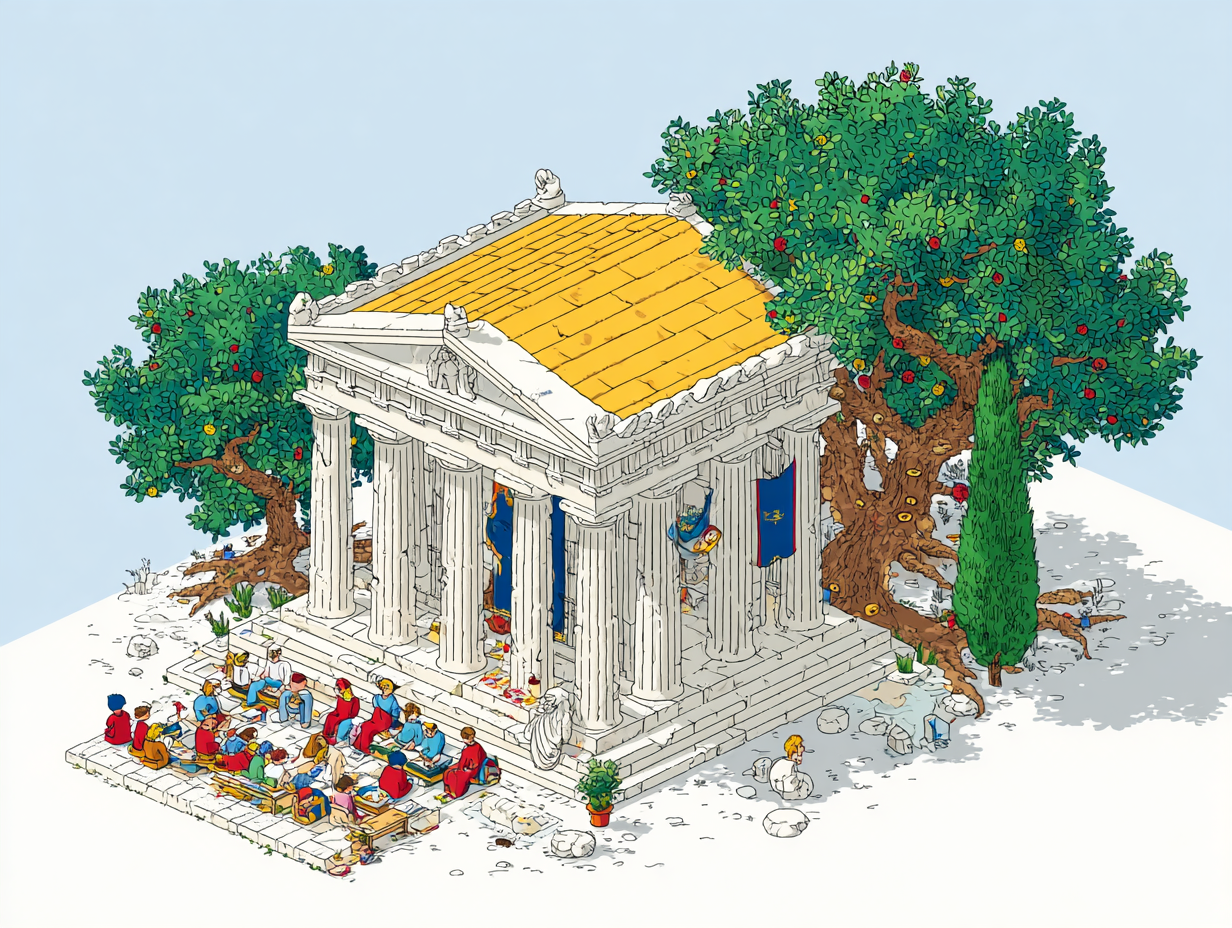
    In ancient India, there was the Gurukul system, a residential education model where a student (shishya) would live with and learn from a teacher (guru). It was deeply personalized, spiritual, and character-based.

    Similarly, ancient Greece had the Socratic method—dialogue-based, mentor-driven learning. These systems focused on small groups, often just 5 to 10 students, and were centered on tailored learning experiences.

    But such personalized education came at a price. Only the elite could access it. The masses were left behind.

    With the rise of industrialization, education systems had to scale—and in doing so, they lost the personal touch.. One teacher for 40 students. Standardized tests. Fixed curricula. Students now go through conveyor-belt style learning, regardless of their interests, pace, or understanding.

    How AI Can Bring Back Personalized Learning at Scale

    AI in education for high school students isn’t about replacing teachers—it’s about augmenting their ability to reach every student where they are.

    Here’s how AI is making an impact:

    1. Adaptive Learning Platforms

    AI systems like Knewton and Squirrel AI personalize the learning journey for each student. They analyze how a student interacts with material and adjust the difficulty, pace, and style accordingly. Imagine learning math with a tutor who knows exactly when you’re struggling and jumps in with extra help—without you even having to ask.

    2. Automating Repetitive Tasks for Educators

    Grading assignments, tracking attendance, preparing lesson plans—AI can automate these time-consuming tasks. For example, tools like Gradescope (used in many universities) use machine learning to grade handwritten answers. This gives educators more time to connect with students emotionally and intellectually.

    3. Early Intervention with Predictive Analytics

    AI can analyze patterns in student behavior to detect who might be falling behind—way before the final exam reveals it. Platforms like DreamBox and AltSchool use real-time data to suggest interventions. Teachers can then reach out early and offer help.

    4. Language Support & Accessibility

    Students learning a second language or with learning disabilities benefit massively from AI. Tools like Speechify, Grammarly, or AI tutors like Duolingo’s GPT-powered chatbot offer real-time feedback and assistance in a way that’s tailored, non-judgmental, and always available.

    5. Virtual Mentorship at Scale

    Mentors have always been central to deep learning—but there are never enough of them. AI can act as a bridge. At BetterMind Labs, for instance, students are guided by mentors, and they also use AI models to learn coding, test projects, and explore data. With a combination of real mentors and AI-powered learning aids, students get the best of both worlds.

    The Emotional Element: Can AI Teach with Empathy?

    Many argue that education requires emotion, empathy, and understanding—things AI can’t replicate. True, but AI is not meant to replace these qualities. It’s meant to remove the heaps of admin, repetition, and inefficiency that burn out educators and make them less available to their students.

    It’s also important to note that students today relate to technology emotionally. From talking to AI chatbots to learning via immersive simulations, technology itself has become an emotional tool.

    AI allows educators to focus on what they do best: inspiring, listening, and guiding students.

    Real-World Use Cases of AI in Education

    • Carnegie Learning: An AI-based math platform that adapts to each student’s understanding level.

    • Content Technologies, Inc.: They use AI to create customizable textbooks for different student needs.

    • Querium: Uses AI to help students master STEM skills by giving step-by-step guidance on solving problems.

    These companies are backed by millions in funding—and for good reason. They’re solving real education gaps with real technology.

    What High School Students Can Do

    You don’t have to wait for universities or companies to use AI in education. High school students can start now.

    Projects You Can Build as a Student

    1. AI-Powered Class Schedule Optimizer: Help schools and students automatically schedule. based on energy levels, interests, or commute times.

    2. Homework Assistant Chatbot: An AI tutor that explains math problems or history concepts.

    3. Emotion Detection in Online Classes: Use computer vision to detect student attention or engagement via webcams (with permission).

    Student Spotlight: Concept‑Map Generator for Smarter Studying

    When one of our students from a small school in North Carolina struggled to retain complex science concepts during exam prep, he didn’t turn to flashcards or YouTube summaries. Instead, he built something extraordinary.

    “I realized I was good at remembering stories, not disjointed facts,” he said. “So I wondered—what if my textbook could tell me how ideas are connected, like a map?”

    This thought led him to build an AI-powered Concept‑Map Generator—a tool that reads large chunks of text from a textbook or article and visually displays how the ideas are related.

    Using natural language processing (NLP), the tool extracts key terms from the content. Then it calculates how often these concepts appear together to determine their relationship strength, drawing a concept graph with edge weights based on co‑occurrence.

    The result? A way to turn static content into dynamic visual learning tools—especially useful for visual learners, students with ADHD, or those preparing for finals under pressure.

    His classmates began using it. His teacher shared it with two other schools. The project wasn’t just a great portfolio addition—it was a tool that solved a problem for many.

    This is the kind of project that BetterMind Labs helps students build—not just flashy demos, but passion-driven tools with real-world relevance.

    Why This Matters for T20 Colleges

    Top universities aren’t looking for the same cookie-cutter projects. They want proof of innovation. A project that improves learning for even 10 people is more valuable than 100 LeetCode problems.

    Our AI/ML summer program helps students:

    • Identify problems that matter

    • Learn the tools to solve them

    • Create projects that reflect their values and curiosity

    And all of it is guided by real mentors—not tutorials.

    Conclusion: The Future of Education is Personal—and Powered by AI

    Education is not about standardization anymore. It’s about personalization at scale, and AI is the only technology that can make that possible.

    If you’re a student who believes in meaningful learning, in solving problems, and in changing how the system works—not just for yourself but for others—then AI is your toolkit.

    Applications for BetterMind Labs’ High School AI Internship are open. Let’s build the next big thing in education, together.

    AI in Education for High School Students isn’t the future. It’s the now. Are you ready to be part of it?


    Relevant Links

  • Five Fun Python Projects for High Schoolers to Start Your Coding Adventure

    Introduction

    What separates a college applicant who “took AP Computer Science” from one who actually built something? Most high school students with coding experience list the same courses, the same clubs, and the same scores. Admissions readers at top universities have confirmed it plainly: a GPA and a transcript tell them what a student studied; a real project tells them what a student can do.

    Python projects for high schoolers are not just resume filler. They are the fastest, most accessible way to move from passive learning to active creation. Python’s readable syntax removes the friction that stops beginners, while its professional-grade libraries power everything from NASA data tools to Google’s internal scripts. The five projects below are specifically chosen because each one teaches a transferable concept, produces a working artifact, and opens a clear path to more advanced AI and machine learning work — the kind that actually differentiates applicants in 2025 and beyond.

    Table of Contents

    1. Why Python Is the Perfect First Language for High Schoolers

    2. Five Fun Python Projects for High Schoolers

    3. Student Spotlight: Trisha Rai’s Code Efficiency Web App

    4. Frequently Asked Questions

    Why Python Is the Perfect First Language for High Schoolers

    Python is consistently ranked the most popular programming language in the world. According to the 2024 Stack Overflow Developer Survey, Python has held its position as the most-used language among learners for the third consecutive year, with over 51% of respondents who are learning to code choosing it as their primary language. Its clean syntax means beginners spend less time debugging punctuation and more time learning how programs actually think.

    For high schoolers specifically, Python’s ecosystem is unmatched. A student can move from a two-line “Hello, World” program to a functioning data visualization or a working chatbot within weeks. That trajectory matters. The Google for Education research team notes that students who complete self-directed coding projects demonstrate measurably stronger computational thinking skills than those who complete only structured coursework alone.

    The projects below are sequenced intentionally: each one introduces a new programming concept while building on the previous one. Together, they form a cohesive portfolio.

    Want to see where these skills lead? Explore how Texas students are already applying them in real-world AI projects.

    Five Fun Python Projects for High Schoolers

    Project 1: Build a Personal Budget Tracker

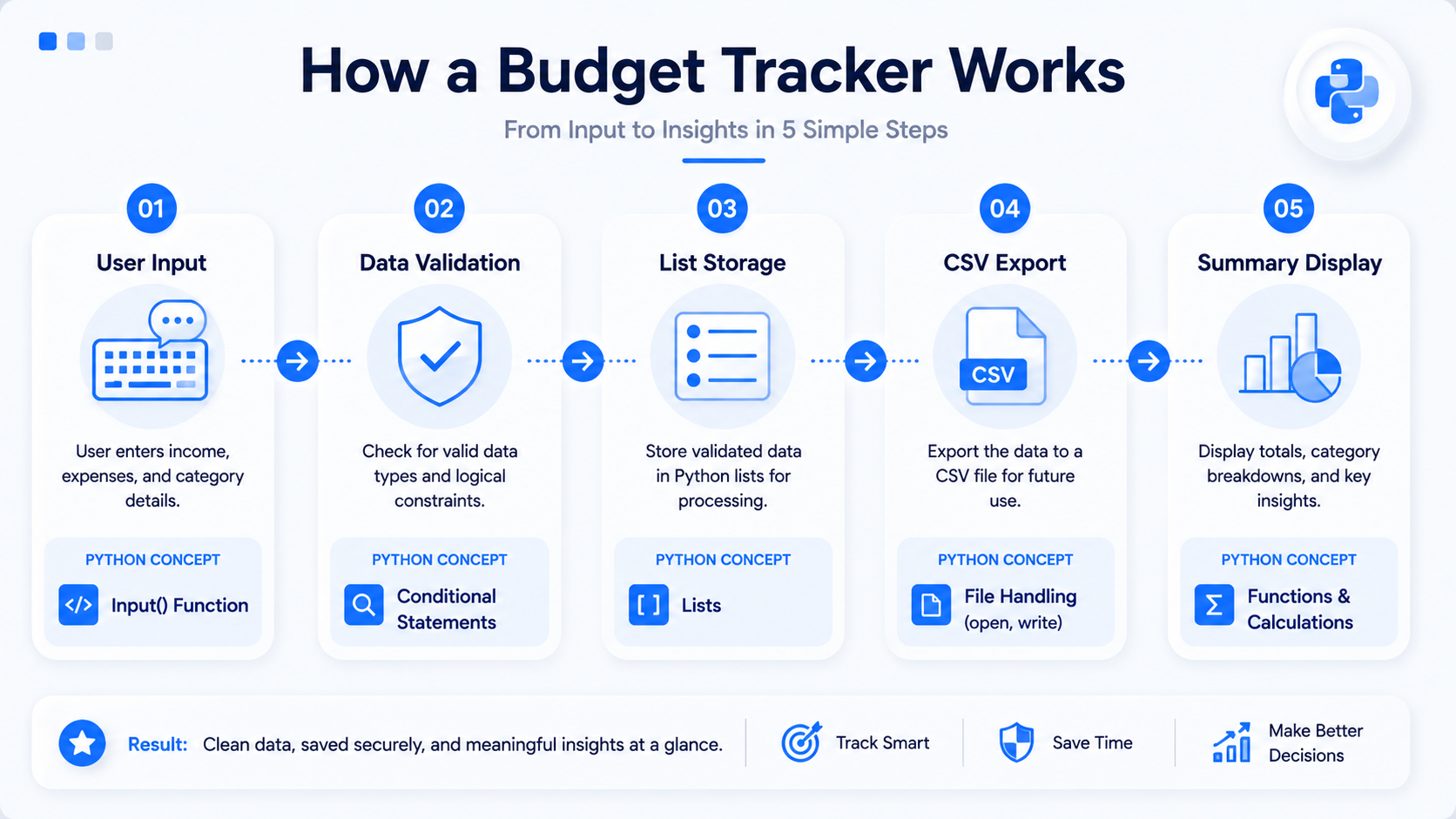
    A budget tracker is one of the best first Python projects because it teaches input handling, lists, loops, and file storage, all in a single, genuinely useful program. Students typically complete a working version in four to six hours.

    What you’ll learn: Variables, lists, conditional logic (if/elif/else), and basic file I/O with .csv files.

    How it works: The program prompts the user to enter income and expense categories, stores them in a Python list, performs running calculations, and saves the data to a CSV file that can be opened in Excel or Google Sheets.

    Key concepts this project covers:

    • input() for collecting user data

    • float() and int() for numeric conversions

    • csv module for reading and writing structured data

    • while loops for menu-driven interfaces

    A common student extension is connecting this to a Google Sheets API, which introduces the concept of third-party library integration, a direct prerequisite for more advanced AI/ML work. The logic of “take in data, process it, output a structured result” is the same architecture used in production machine learning pipelines.

    This project is deceptively simple on the surface. The act of designing a user-facing program, thinking about error handling, clear output formatting, and data persistence, builds the product mindset that distinguishes strong engineers from hobbyists. That mindset feeds directly into the next project’s challenge.

    Project 2: Create a Weather Data Visualizer

    A weather data visualizer introduces students to APIs and data visualization libraries, two skills that appear in virtually every data science and machine learning workflow. A basic working version can be built in a weekend using publicly available weather data.

    What you’ll learn: API calls with the requests library, JSON parsing, and data visualization with matplotlib or plotly.

    How it works: Students query the OpenWeatherMap API (which offers a free tier) to pull real-time or historical weather data for any city, then generate line charts, bar graphs, or scatter plots from that data.

    Steps to build it:

    1. Register for a free OpenWeatherMap API key

    2. Use requests.get() to fetch JSON weather data

    3. Parse the JSON response to extract temperature, humidity, and wind speed

    4. Use matplotlib.pyplot to plot the data across a date range

    5. Add pandas for optional data cleaning and aggregation

    This is the first project that pulls live, real-world data, and that shift changes how coding feels. Students stop working with invented numbers and start working with the same data feeds that professional meteorologists, climate researchers, and urban planners use.

    If you want to see a natural extension of this skill into a finance domain, check out why AI in finance makes a powerful passion project.

    The jump from static data to live APIs is significant. Once a student understands API calls, they can query virtually any dataset on the planet, stock prices, sports statistics, NASA satellite imagery, or public health records. That realization tends to accelerate motivation considerably.

    Project 3: Design a Simple Chatbot

    A rule-based chatbot teaches control flow, string manipulation, and program architecture, and it provides a clear conceptual foundation for understanding how large language models like GPT-4 actually work at a higher level.

    What you’ll learn: String methods, dictionaries, function definitions, and basic natural language pattern matching.

    How it works: Students build a chatbot that responds to user input by matching keywords to pre-written responses stored in a Python dictionary. More advanced versions use nltk (Natural Language Toolkit) for basic text processing.

    A minimal version needs only these components:

    • A dictionary mapping keywords to responses

    • A while loop that keeps the conversation running

    • String .lower() and .split() methods for basic normalization

    • A default fallback response for unrecognized input

    What makes this project particularly educational is the gap between what it does and what modern AI chatbots do. A rule-based chatbot is deterministic; a GPT-style model is probabilistic. Seeing that difference firsthand, understanding why “if the user types ‘hello’” is fundamentally different from a model that learned from 500 billion tokens, is one of the most effective introductions to AI theory available. Students who have built this project tend to ask dramatically better questions when they begin exploring machine learning.

    The chatbot project is also naturally extensible. A Streamlit front end turns it into a shareable web app. A Gemini or OpenAI API integration replaces the rule engine with a real language model. That progression mirrors exactly what professional developers do when prototyping AI products.

    Project 4: Build a Quiz Game with a Leaderboard

    A quiz game with a persistent leaderboard combines object-oriented programming, file handling, and user experience design in a single project. It is one of the most complete beginner applications a student can build independently.

    What you’ll learn: Classes and objects, JSON file storage, randomization, and basic game loop design.

    How it works: The game presents multiple-choice questions from a JSON file, tracks correct answers, calculates a score, and writes the result to a leaderboard file sorted by high score.

    This project introduces object-oriented programming (OOP), which is the architectural pattern behind most production software.

    Concepts include:

    • Defining a Question class with attributes and methods

    • Using random.shuffle() to randomize answer order

    • Reading and writing leaderboard data with json.dump() and json.load()

    • Sorting leaderboard entries with Python’s built-in sorted() function

    Students who finish this project often realize they have accidentally learned software architecture. A quiz game has a data layer (the JSON questions file), a logic layer (the scoring and randomization), and a presentation layer (the terminal interface). That three-layer structure appears in every major application framework from Django to React. The leap from quiz game to real-world app is shorter than most students expect, as projects built during winter break have shown students who push further each season.

    Project 5: Make a Basic Web Scraper

    A web scraper collects structured data from public websites automatically, and it teaches students how the internet actually works while giving them a powerful tool for research, journalism, sports analytics, and more.

    What you’ll learn: HTTP requests, HTML structure, BeautifulSoup parsing, and ethical data collection practices.

    How it works: Students use the requests library to download a web page’s HTML, then use BeautifulSoup to parse the document tree and extract specific data points, prices, headlines, sports scores, or any other public information.

    A beginner-friendly starting point is scraping a public data source such as:

    • Books.toscrape.com (a practice scraping site with no restrictions)

    • Wikipedia tables (using pd.read_html() for tabular data)

    • Public government data portals that lack direct CSV downloads

    This project also introduces one of the most important concepts in data science: data acquisition. A model is only as good as the data it trains on. Students who have built web scrapers understand firsthand why data collection, cleaning, and validation are the most time-consuming parts of any real-world ML project. That practical understanding is something no textbook chapter adequately conveys.

    The ethical dimension matters too. Discussing robots.txt files, rate limiting, and terms of service teaches responsible engineering, a quality that stands out in any application or internship interview.

    Student Spotlight: How Trisha Rai Built a Real AI-Powered Tool

    These five projects are powerful starting points. But what happens when a student takes these foundational skills and pushes them into genuine AI territory?

    Trisha Rai, a student enrolled in the BetterMind Labs program, built a Code Efficiency Web App that demonstrates exactly that progression. Her application checks Python code for errors and common inefficiency patterns using two professional-grade technologies:

    • Streamlit — a Python framework for building interactive web apps without needing to write HTML or JavaScript

    • Gemini API — Google’s multimodal AI model, used here to analyze code and provide intelligent feedback

    The app takes a Python code snippet as input, sends it to the Gemini API with a structured prompt, and returns a formatted analysis identifying bugs, anti-patterns, and optimization opportunities. It is a genuine AI-powered developer tool — the kind of project that could be expanded into a standalone product.

    What makes this project significant is not its technical complexity alone, but its arc. Trisha started with the same foundational Python skills covered above. Structured mentorship, a clear curriculum, and a real project brief gave her the scaffolding to go from “I know some Python” to “I built a working AI tool.” That gap, from learner to builder, is the one that changes how admissions officers read a resume.

    Frequently Asked Questions

    Q1: What Python projects for high schoolers are best for college applications? Projects that solve a real problem and use a third-party API or library carry the most weight. A weather visualizer, a web scraper, or an AI-powered tool built with Streamlit and a language model API shows genuine initiative. Admissions readers value demonstrated output over coursework claims.

    Q2: Do I need any prior coding experience to start these projects? No prior experience is required for Projects 1 and 4. A free Python course on Khan Academy or Codecademy covers all prerequisites in under ten hours. The projects are sequenced so each one builds on the skills from the last.

    Q3: How does structured mentorship improve the quality of a student’s Python project? Mentorship cuts debugging time by 60 to 70 percent according to research from the University of Washington’s CS Education Lab. A mentor helps students make architectural decisions early, preventing common structural mistakes that would require rebuilding later. The result is a cleaner, more defensible project.

    Q4: Can these projects lead to actual AI or machine learning work? Yes, directly. The chatbot project introduces NLP concepts; the weather visualizer introduces data pipelines; the web scraper introduces data acquisition. These are the three foundational skills for any ML project. Students who want to go further can explore hands-on AI project ideas as clear next steps.

    Q5: How important is project-based learning for developing real programming skills? Extremely important. A 2023 meta-analysis published in Computers & Education found students who learned programming through project-based curricula demonstrated 34% stronger problem-solving transfer than lecture-only cohorts. Building something forces a student to resolve ambiguity independently, which is the core skill of professional software development.

    Q6: How long does it take a high schooler to finish one of these Python projects? Projects 1 and 4 typically take one focused weekend (six to ten hours). Projects 2, 3, and 5 take two to three weeks with two to three hours of daily work. Adding mentorship and a structured brief can reduce completion time by roughly half, while also improving final code quality.

    Conclusion

    A Python tutorial finished is not a Python project built. The difference between a student who completed a course and one who shipped a working application is the difference between potential and evidence. Top universities and competitive internship programs are not running short on applicants who took computer science. They are genuinely short on applicants who did something with it.

    The five projects above provide a concrete starting path. Trisha Rai’s Code Efficiency Web App demonstrates where that path leads when a student pairs foundational skills with expert guidance, a structured curriculum, and a real project brief. That combination is not accidental.

    BetterMind Labs builds exactly that structure for 8th through 12th grade students. The program pairs students with mentor engineers, delivers project-based AI and ML curriculum, and guides each student to a completed, deployable project they genuinely own. No generic coursework. No passive video lectures. Real tools, real mentors, real outcomes.

    If you are ready to move from learning Python to building with it, explore the BetterMind Labs program at blog.bmldesk.com/. Your project brief is waiting.