Introduction
What if your science fair project could do more than just impress the judges? What if it could tackle climate change, save lives, or shape the future of technology?
Most students pick projects they’ve seen a hundred times before. But you don’t have to. Imagine creating something so bold and original that it makes people stop, think, and ask, “How did you come up with that?”
This guide is about 25 science fair project ideas that go beyond the ordinary, turning your curiosity into hands-on experiments that solve problems, spark conversations, and maybe even change lives.
Think about it: what if your project explored cleaning up plastic from oceans, designing a tiny device to make renewable energy more accessible, or using AI to predict disease spread? These aren’t just school projects, they’re the kinds of ideas scientists and innovators are working on right now.
Across biology, chemistry, engineering, environmental science, and computer science, these 25 ideas connect to real-world challenges like climate change, health innovations, and technology shaping our future.
Table of Contents
-
Section 1: Introduction
-
Section 2: Biology and Life Sciences Projects
-
Section 3: Chemistry and Materials Science
-
Section 4: Physics & Engineering
-
Section 5: Environmental Science
-
Section 6: Technology and Computer Science
-
Section 7: Tips for Choosing and Excelling in Your Project
-
Section 8: FAQs
-
Section 9: Conclusion
Biology and Life Sciences Projects
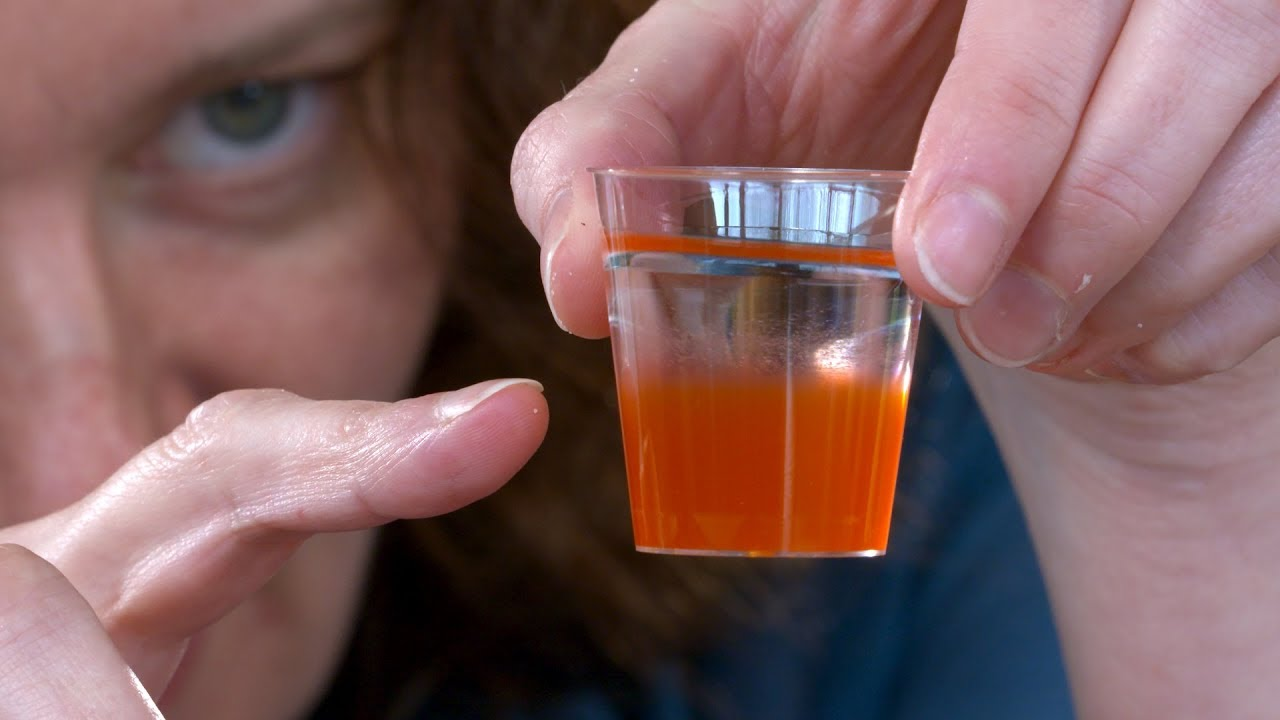
1. DNA Extraction from Different Fruits
Learn how to isolate DNA using everyday fruits like strawberries, bananas, and kiwis. Then compare which fruit gives the highest yield and explore why cell structure matters. This is a classic yet fascinating project because it lets you see genetic material with your own eyes.Try a step-by-step tutorial from Home Science Tools to get started.
2. Antibiotic Resistance in Bacteria
Antibiotic resistance is one of the biggest health concerns today. In this project, you can safely test the effectiveness of different antibiotics on harmless bacteria and observe how resistance may develop.
Judges love projects that connect to real medical issues.
3. Plant Growth Under Different Light Spectrums
Set up an experiment to test how red, blue, and white LED lights affect plant growth. With vertical farming and hydroponics becoming more popular, this project ties directly to sustainable agriculture.
4. Biodegradable Plastic from Organic Materials
Plastic waste is everywhere. Imagine creating eco-friendly alternatives using cornstarch, banana peels, or potato starch. Then, test durability, decomposition rate, and environmental impact.
Check out ideas from Science Sparks for inspiration.
5. Mycorrhizal Networks in Plant Communication
Did you know plants can “talk” underground using fungi networks? This project explores how plants share nutrients and respond to stress through fungal connections—a cutting-edge area of biology.
Chemistry and Materials Science
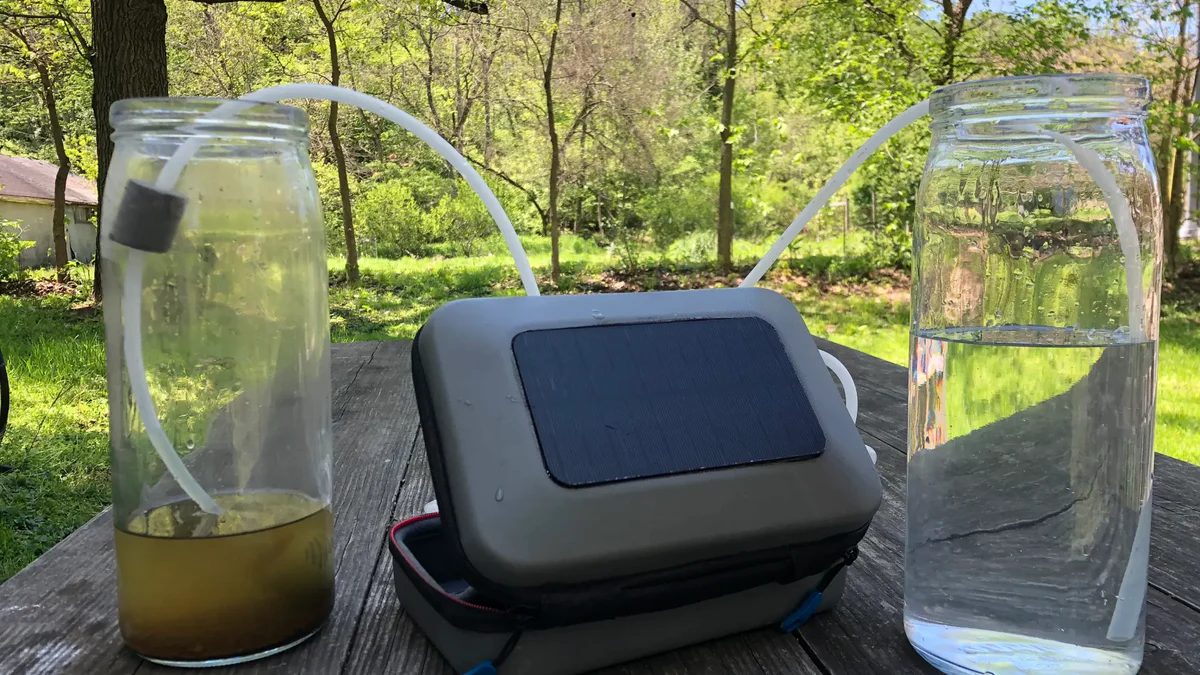
6. Solar-Powered Water Purification System
Design a device that uses solar energy to clean contaminated water. Compare different filtration materials and measure purification efficiency.
A fantastic project if you want to tackle global water scarcity.
7. Smart Materials That Respond to Temperature
Experiment with thermochromic compounds or shape-memory alloys that change color or shape with temperature. This area has applications in smart textiles and medical devices.
8. Natural Dyes from Food Waste
Extract natural dyes from vegetable peels or fruit skins. Test how long the colors last and whether they change under different pH levels. This could even link to eco-friendly fashion trends.
9. Crystal Growth in Microgravity Simulation
Simulate low-gravity conditions (by suspending crystals in gel) and compare them to normal crystal growth. NASA and other agencies often study this for space exploration research.
10. Enzyme Activity at Different pH Levels
Using enzymes from pineapple or laundry detergent, test how pH impacts their function. This project bridges classroom biochemistry with real-world applications in food science and medicine.
Physics and Engineering
11. Earthquake-Resistant Building Design
Build and test model structures on a shake table to see which designs survive best. With earthquakes still threatening cities worldwide, this project has huge real-world impact.
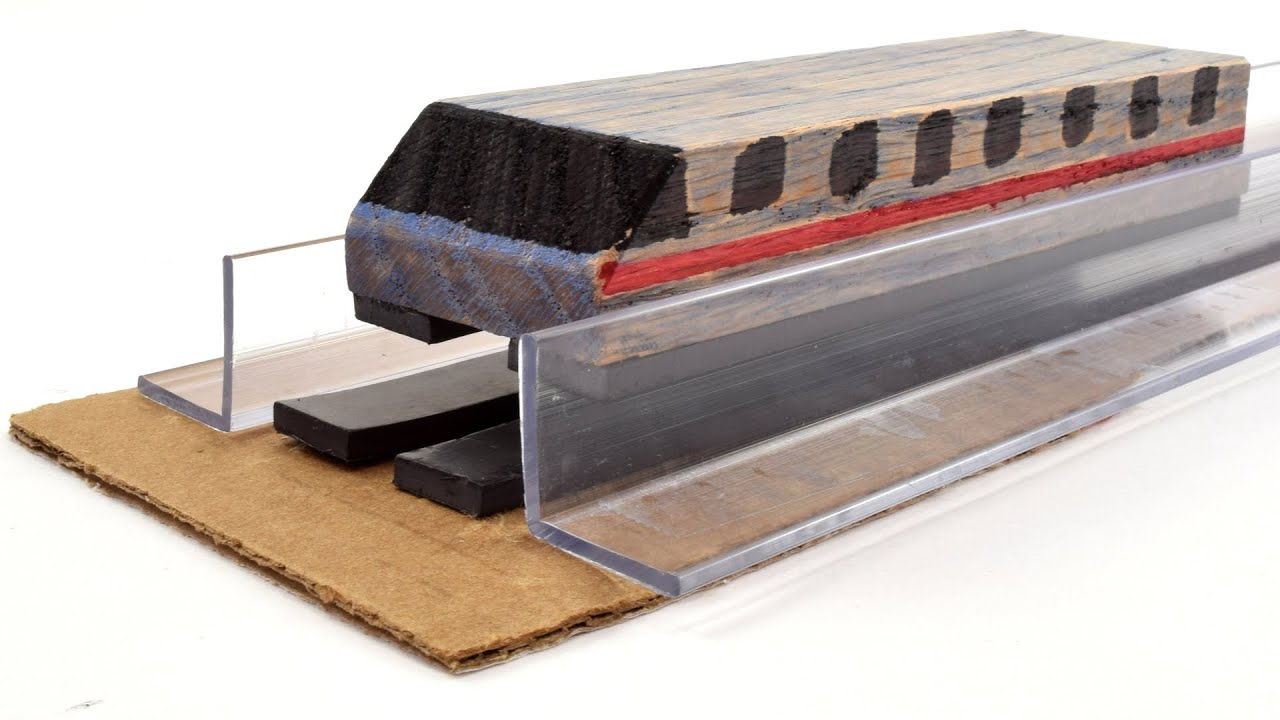
12. Magnetic Levitation Transportation Model
Maglev trains are the future of transportation. Create a small-scale model using magnets and explore how track design affects speed and stability.
13. Acoustic Levitation Device
Using sound waves to make small objects float might sound like sci-fi—but it’s real physics. You’ll study how frequency and amplitude affect levitation.
14. Wind Turbine Blade Optimization
Design blades of different shapes and test which produces the most electricity. With the world shifting to renewables, this is a timely and relevant project.
15. Smart Traffic Light System
Use sensors and coding to design a traffic light that adjusts based on real traffic flow. It’s a fantastic way to combine physics, coding, and urban planning.
Environmental Science
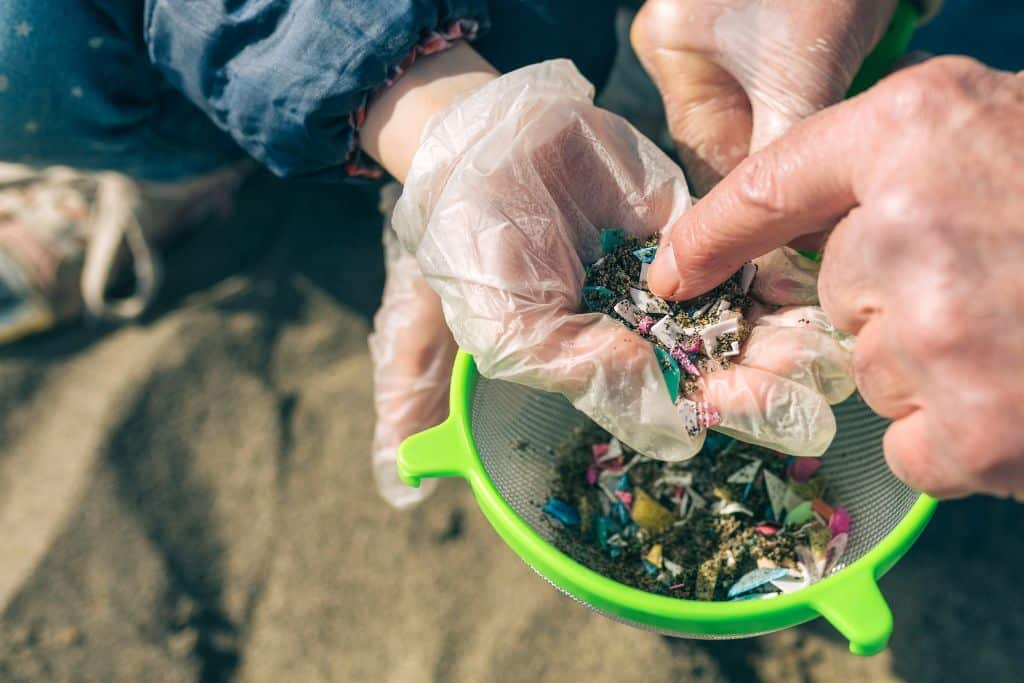
16. Microplastics in Local Water Sources
Collect water samples from rivers, lakes, or even tap water. Use filtration and a microscope to detect microplastics. This project makes you part of the growing conversation about plastic pollution.
See related guides at Science Buddies.
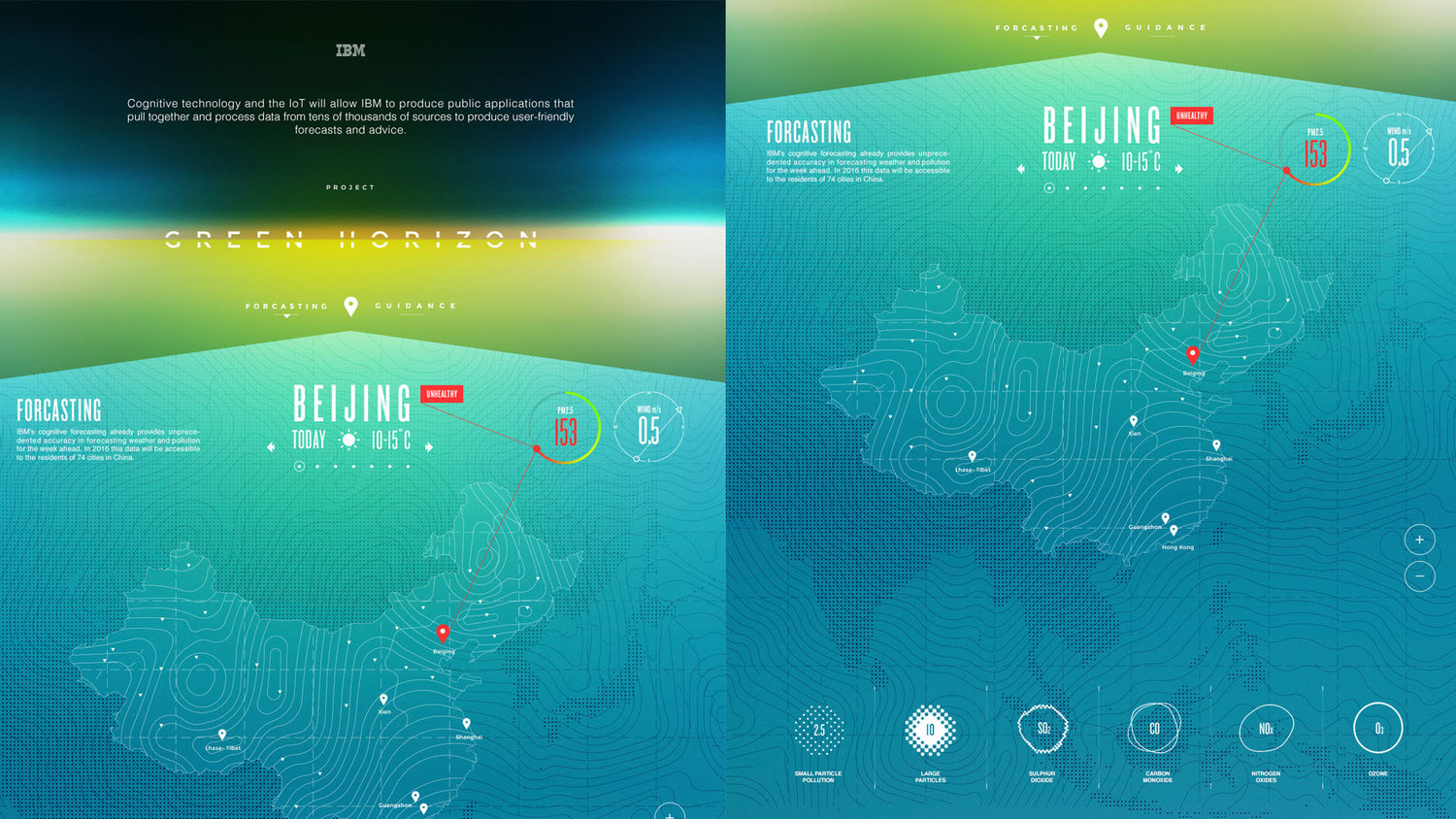
17. Air Quality Monitoring Network
Build inexpensive sensors to track pollution levels around your community. Then map the data and look for patterns. You’ll learn about electronics, coding, and environmental studies all at once.
18. Carbon Footprint of Different Transportation Methods
Compare cars, buses, trains, and bikes. Look at emissions, fuel use, and even the environmental cost of making vehicles. A simple yet powerful project to highlight climate-friendly transportation.
|
Transportation Method |
Avg. CO₂ Emission (per passenger-km) |
Eco-Friendliness Rating |
|
Car (single passenger) |
High |
Poor |
|
Bus |
Medium |
Better |
|
Train |
Low |
Great |
|
Bicycle |
Zero |
Best Choice |
19. Phytoremediation of Contaminated Soil
Test plants’ ability to remove heavy metals or toxins from soil. It’s both an advanced biology project and a practical environmental solution.
20. Urban Heat Island Effect Mitigation
Study how green roofs, reflective coatings, or different pavements affect local temperatures. Cities worldwide are testing these ideas to combat extreme heat.
Technology and Computer Science
21. AI-Powered Disease Diagnosis
Train an algorithm to recognize plant diseases from photos and compare its accuracy to expert diagnoses. This project doesn’t just showcase coding—it’s about applying machine learning for good by protecting food supplies and supporting sustainable farming.
If you’re new to AI but curious about building impactful projects, programs like BetterMind Labs offer hands-on AI/ML training for high school students.
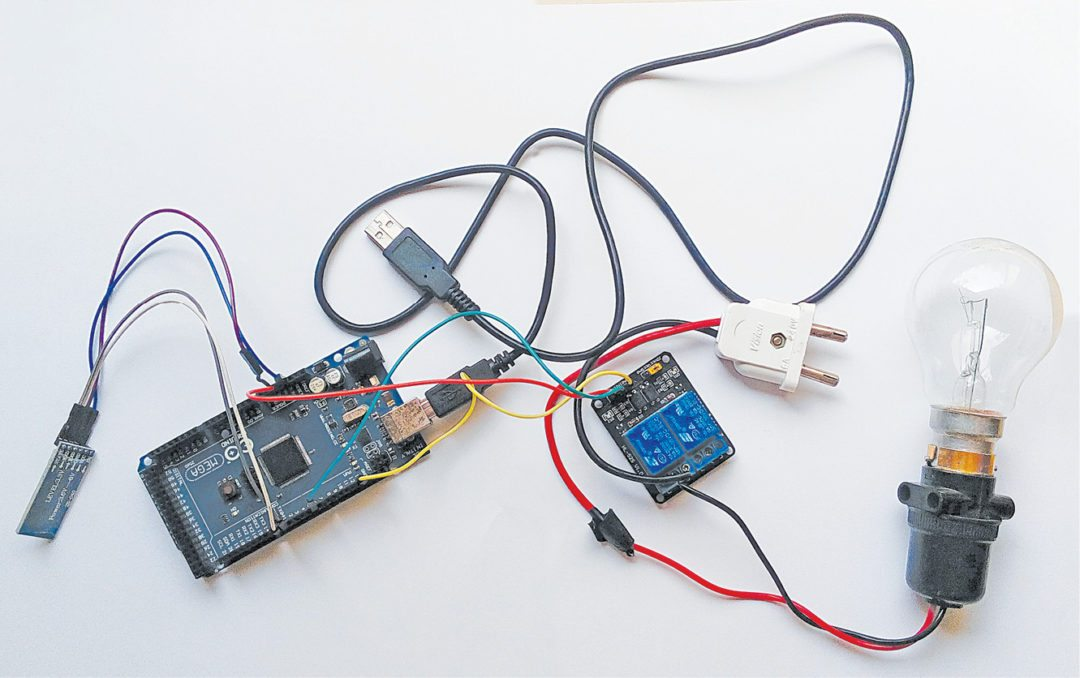
22. Voice-Controlled Home Automation
Build a mini “smart home” system with voice commands for lights, temperature, or security. It’s a fun introduction to IoT (Internet of Things).
23. Gesture Recognition for Accessibility
Create a program or device that translates hand gestures into commands, helping people with mobility challenges.
24. Blockchain for Food Safety Tracking
Use blockchain to trace food from farm to table. Show how this prevents contamination and reduces waste.
25. Virtual Reality for STEM Education
Design a VR experience that explains a scientific concept (like the solar system or molecular structures). Test whether students learn better in VR than with textbooks.
Tips for Choosing and Excelling in Your Project
Before you rush off to the lab or garage, here are a few mentor-style tips to set you up for success:
-
Choose your passion: Pick something you genuinely care about, you’ll spend weeks on it.
-
Start early: Great projects require planning, data collection, and analysis. Begin months ahead.
-
Think real-world: Judges love when projects connect to issues like climate change, health, or technology.
-
Stay safe: Always follow safety rules, especially when working with chemicals, electricity, or living organisms.
-
Document everything: Take photos, keep a lab notebook, and record results carefully.
-
Ask for guidance: Don’t hesitate to ask teachers, parents, or even local professionals for help.
FAQs
What is the best science fair project for high school students?
The best science fair project is one that combines personal interest with a real-world problem. Projects involving artificial intelligence, renewable energy, environmental science, healthcare, or engineering often stand out because they demonstrate creativity, technical skill, and practical impact beyond the classroom.
How do I choose a science fair project topic?
Start by identifying a subject you genuinely enjoy exploring. Then look for current challenges in areas such as climate change, healthcare, technology, or sustainability. Projects connected to real-world issues often feel more meaningful and provide stronger opportunities for research, experimentation, and innovation.
Are AI-based science fair projects good for competitions?
Yes. AI-based projects are increasingly popular because they demonstrate advanced problem-solving, data analysis, and technical skills. Projects such as disease detection, traffic optimization, computer vision, or predictive analytics often attract attention because they apply emerging technology to practical challenges.
Can science fair projects help with college admissions?
Absolutely. Meaningful science fair projects demonstrate intellectual curiosity, initiative, and sustained commitment to learning. Research-driven or technology-focused projects can become valuable portfolio pieces that help students showcase their interests and accomplishments during college admissions and scholarship applications.
How can I make my science fair project stand out?
Focus on originality, strong experimental design, and real-world relevance. Judges often appreciate projects that address current scientific or societal challenges. Thorough documentation, clear data analysis, and the ability to explain why your project matters can significantly improve overall presentation quality.
What skills can students develop through science fair projects?
Science fair projects help students strengthen research, critical thinking, data analysis, communication, and problem-solving abilities. More advanced projects can also introduce programming, engineering design, artificial intelligence, and scientific methodology, creating valuable experience that extends well beyond a single competition.
Conclusion: The Science Fair as a Launchpad

Science fairs aren’t just about ribbons or trophies they’re a chance to explore, innovate, and maybe even create solutions that matter to the world. Whether you’re building a solar-powered water purifier, designing earthquake-proof buildings, or training AI to detect plant disease, every project is a small step toward making a difference.
So pick one of these ideas, dive in with curiosity, and remember: the real “win” is discovering how powerful your own creativity and problem-solving skills can be.
Mentorship can significantly improve the quality of a science fair project by helping students refine ideas, design stronger experiments, and analyze results more effectively. Experienced mentors provide guidance, technical expertise, and feedback that help students avoid common mistakes and think more like researchers.
Beyond the competition, mentorship also develops critical thinking, problem-solving, and communication skills that are valuable for college and future STEM careers.
Suggested read, How Mentors at BetterMind Labs Help Students Build Ivy League Projects