Tag: AI + Finance

  • 10 Engineering Projects You Can Build at Home as a High Schooler

    Introduction: Your College Application Is Missing Its Secret Weapon

    Let’s be honest. Thousands of other high school students have great grades and impressive test scores. So how do you prove that your passion for engineering is more than just a subject you’re good at? You build something. You create tangible proof of your skill, your creativity, and your drive to solve real-world problems.

    This isn’t just about tinkering in the garage; it’s about building a story that no transcript can tell. It’s the story of how you designed, failed, troubleshot, and ultimately created something new. From programming a custom drone to engineering a device that purifies water, these projects are your portfolio. They demonstrate the critical thinking and hands-on expertise that top universities and future employers are desperately searching for.

    Ready to build the one thing that will set your application apart? Let’s dive into 10 engineering projects that will transform your passion into proof.

    Table of Contents

    • Introduction: Your College Application Is Missing Its Secret Weapon

    • Computer Science & Programming Projects
    • General Engineering Projects

    • Quick Comparison Table of Projects

    • Getting Started: Tips for High School Innovators

    • FAQs

    • Conclusion: Your First Step Toward Innovation

    Computer Science & Programming Projects

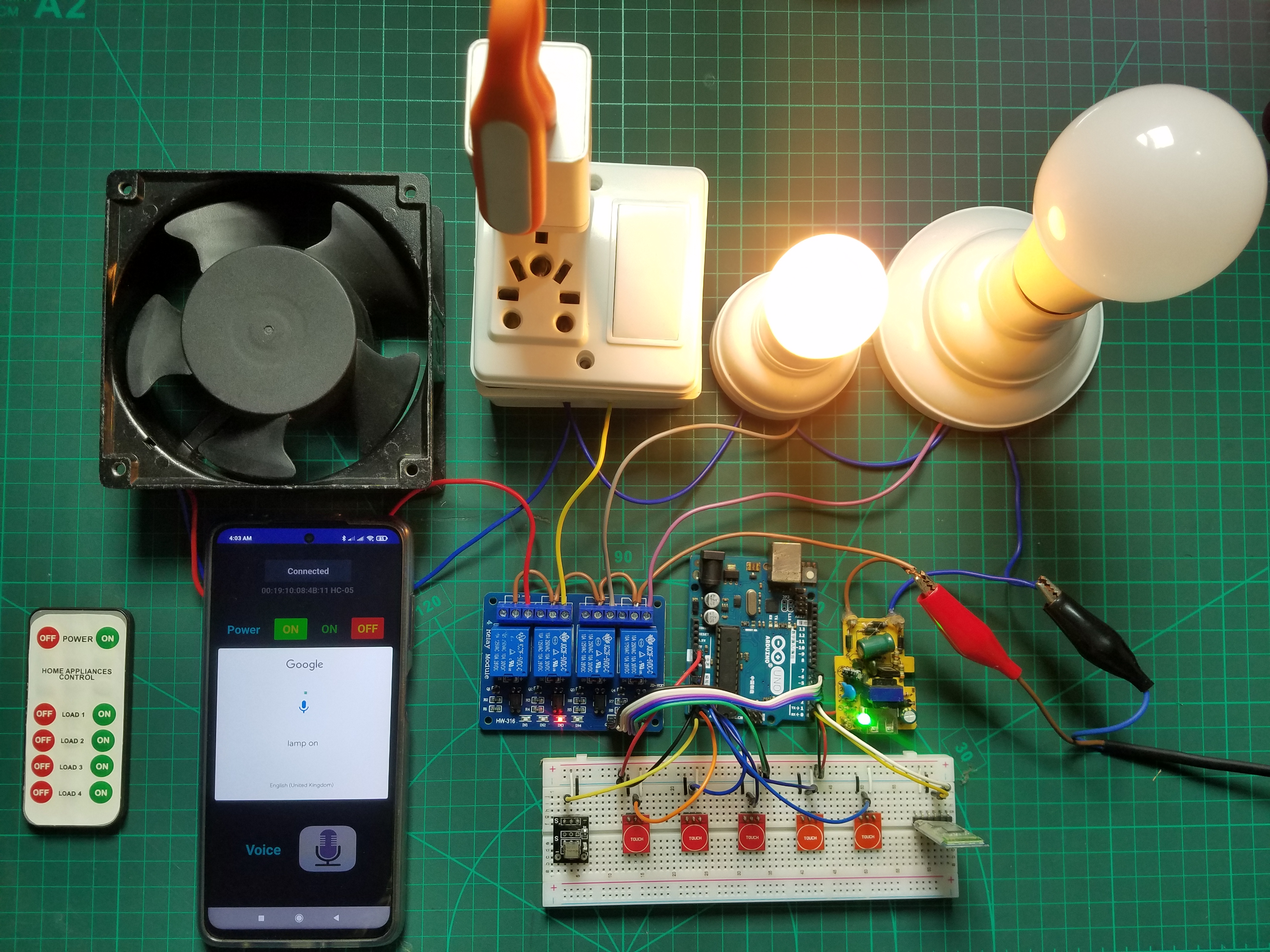
    1. Smart Home Automation System with Arduino

    Have you ever wished you could control the lights or fan in your room with your phone? With an Arduino or Raspberry Pi, Wi-Fi modules, and sensors, you can design a DIY smart home system.

    Real-Life Impact: This is not just a fun project—it’s the backbone of smart cities and modern living. From saving electricity to enabling accessibility for differently-abled people, smart home systems are shaping the future.

    Skills You’ll Learn:

    • Embedded programming

    • Wireless communication

    • Circuit design

    • Mobile app integration

    For more detailes Check out these simple engineering project ideas to get started.

    2. Machine Learning Stock Price Prediction System

    Using Python, libraries like pandas and scikit-learn, and free stock market APIs, you can build a system that predicts stock market trends.

    Real-Life Impact: This project introduces you to artificial intelligence in finance, a field that drives Wall Street and fintech startups. It gives you a taste of how data can influence decisions in real businesses.

    Skills You’ll Learn:

    • Data science and visualization

    • Machine learning models (linear regression, neural networks)

    • Statistical analysis

    At BetterMind Labs, they help students like you take projects like this even further whether that’s refining your algorithms, presenting your findings in a portfolio, or applying these skills to solve real-world community challenges.

    There mentorship ensures you not only build cool projects but also understand their practical applications in today’s fast-paced industries.

    For more inspiration, explore machine learning projects for students.

    3. Web-Based Personal Finance Tracker

    What if you could design your own budgeting app? With HTML, CSS, JavaScript, and Chart.js, you can create a web app that helps track expenses and generate financial insights.

    Real-Life Impact: Managing money is a life skill. By building this, you’re solving a universal problem—budgeting—and creating something useful for yourself and your family.

    Skills You’ll Learn:

    • Web development fundamentals

    • Data visualization

    • User interface and experience design

    Want more web development practice? Explore HTML, CSS, and JavaScript projects.

    4. Computer Vision Object Detection System

    With Python and OpenCV, you can design a program that detects objects in real time through a webcam. Imagine building your own mini version of Tesla’s autopilot system!

    Real-Life Impact: Object detection is used in autonomous cars, security systems, and healthcare imaging. Building this project connects you to cutting-edge innovations.

    Skills You’ll Learn:

    • Computer vision

    • Image processing

    • AI model integration

    Check out this AI blog on transportation projects for inspiration.

    5. Mobile App Development Project

    Using React Native or Flutter, you can design apps like a study planner, language learning assistant, or even a fitness tracker.

    Real-Life Impact: Mobile apps have transformed industries. By building one yourself, you gain practical experience in creating tools that reach millions worldwide.

    Skills You’ll Learn:

    • Mobile development

    • Database design

    • UI/UX principles

    For more ideas, explore software engineering projects for high schoolers.

    General Engineering Projects
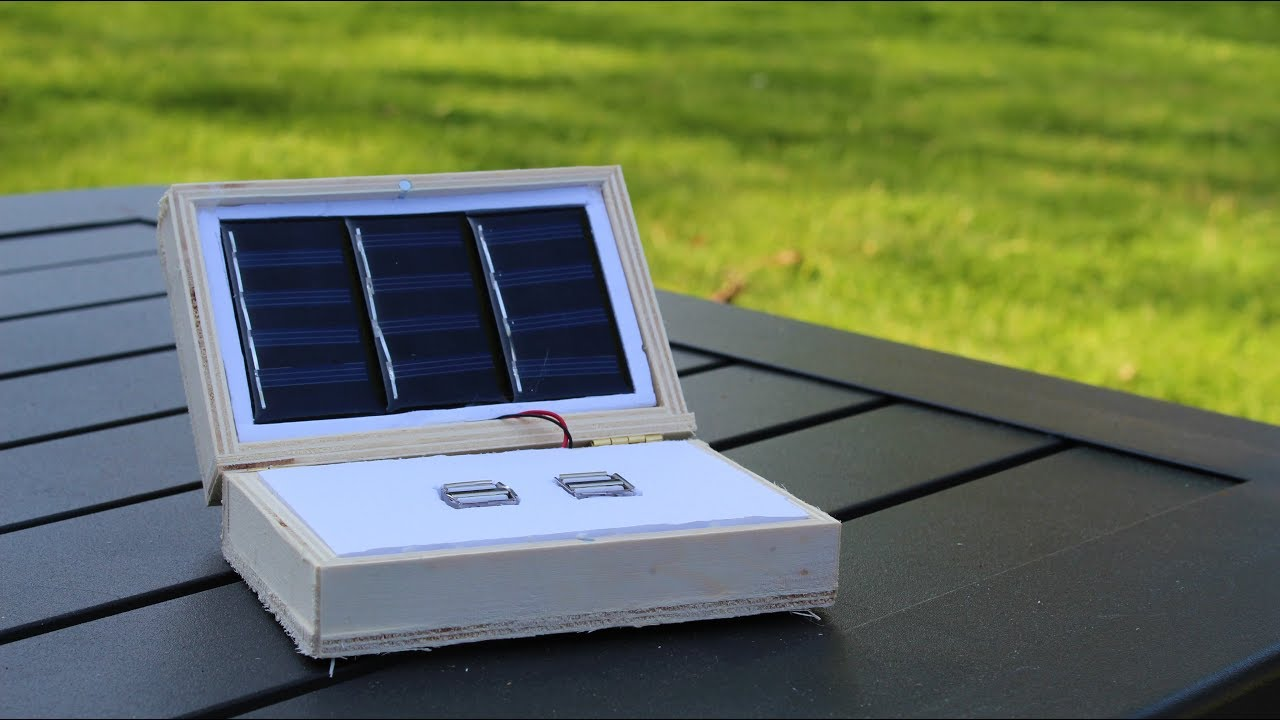
    6. DIY Solar-Powered Phone Charger

    Using small solar panels, rechargeable batteries, and voltage regulators, you can create a solar charger for your devices.

    Real-Life Impact: Renewable energy is the future. By making your own solar charger, you’ll understand how sustainable technologies can combat climate change.

    Skills You’ll Learn:

    • Electrical engineering

    • Power management

    • Renewable energy systems

    Explore more DIY renewable energy projects.

    7. Hydraulic Robotic Arm

    Using syringes, water, and simple frame materials, you can build a robotic arm powered by hydraulics.

    Real-Life Impact: This project mirrors industrial robotics used in manufacturing and even surgical robots in healthcare.

    Skills You’ll Learn:

    • Fluid mechanics

    • Mechanical engineering

    • Precision control

    8. Wind Turbine with Power Generation

    By designing blades and connecting them to a small generator, you can build a functioning wind turbine.

    Real-Life Impact: Wind turbines power millions of homes worldwide. Building one helps you understand aerodynamics and clean energy conversion.

    Skills You’ll Learn:

    • Aerodynamics

    • Mechanical design

    • Electrical generation

    Learn more from STEM Blazers’ cool engineering projects.

    9. Earthquake-Resistant Building Model

    Using wood, cardboard, or 3D-printed materials, you can test structures on a shake table and study their resilience.

    Real-Life Impact: Civil engineers design earthquake-resistant buildings to save lives. This project introduces you to structural engineering and disaster preparedness.

    Skills You’ll Learn:

    • Civil engineering

    • Experimental design

    • Structural analysis

    For real-world context, check engineering projects for teens.

    10. Mini Conveyor Belt System with Automation

    With motors, sensors, and Arduino, you can design a conveyor system that sorts objects automatically.

    Real-Life Impact: Automation powers industries from Amazon warehouses to recycling plants. Building one yourself teaches you about industrial control systems.

    Skills You’ll Learn:

    • Automation engineering

    • Sensor integration

    • Mechanical design

    More project-based inspiration can be found on Creation Crate’s engineering blog.

    Quick Comparison Table of Projects

    Project

    Branch of Engineering

    Key Real-Life Application

    Smart Home Automation

    Electrical & Software

    Smart cities, energy efficiency

    Stock Prediction System

    Data Science & AI

    Finance & fintech

    Web Finance Tracker

    Software

    Personal budgeting tools

    Object Detection

    AI & Computer Vision

    Self-driving cars, security

    Mobile App

    Software & UX

    Consumer tech apps

    Solar Charger

    Electrical & Renewable Energy

    Sustainable energy solutions

    Hydraulic Robotic Arm

    Mechanical

    Industrial robots, healthcare

    Wind Turbine

    Mechanical & Electrical

    Green power plants

    Earthquake-Resistant Model

    Civil

    Safer building design

    Conveyor System

    Automation & Mechanical

    Manufacturing, logistics

    Getting Started: Tips for High School Innovators

    • Safety First: Always handle electronics and tools carefully. Ask for adult supervision when needed.

    • Start Simple: Begin with the basics. Once you succeed, upgrade with advanced features.

    • Document Your Work: Record designs, failures, and breakthroughs. This is gold for college applications.

    • Leverage Communities: Platforms like GitHub, Instructables, and maker forums are treasure troves of support.

    • Budget Wisely: Most projects can be built for under $100 with common materials.

    FAQs

    What are the best engineering projects for high school students?

    The best engineering projects combine creativity, technical learning, and real-world applications. Projects such as smart home automation systems, AI-powered stock prediction tools, robotic arms, and renewable energy devices help students develop practical skills while building impressive portfolios.

    Do engineering projects help with college admissions?

    Yes. Engineering projects provide tangible evidence of problem-solving ability, initiative, and technical curiosity. Admissions officers often value projects because they demonstrate how students apply classroom knowledge to solve real-world challenges.

    What engineering project is best for beginners?

    Projects such as solar-powered phone chargers, web-based finance trackers, and smart home automation systems are excellent starting points. They introduce key engineering concepts while remaining manageable for students with limited experience.

    How much do engineering projects typically cost?

    Many beginner and intermediate engineering projects can be completed for under $100 using affordable components, open-source software, and commonly available materials. Students can often reduce costs further by reusing equipment and leveraging free online resources.

    Which engineering field should high school students explore first?

    There is no single best choice. Students interested in coding may enjoy software engineering and AI, while those who enjoy building physical systems may prefer mechanical, electrical, or civil engineering. Exploring multiple disciplines often helps students discover their strengths.

    Why is mentorship important when building engineering projects?

    Mentorship helps students move beyond tutorials and build projects with real-world relevance. Experienced mentors provide technical guidance, feedback, and industry insights that can significantly improve project quality and learning outcomes.

    Conclusion: Your First Step Toward Innovation
    Engineering projects are more than extracurricular activities. They are opportunities to transform ideas into solutions, curiosity into expertise, and learning into measurable achievement.

    Whether you’re building a smart home system, designing a renewable energy device, creating an AI-powered application, or developing an automated manufacturing system, each project teaches skills that extend far beyond the classroom. More importantly, these projects help you demonstrate initiative, creativity, and problem-solving ability in ways that grades and test scores cannot.

    The students who stand out are often those who move beyond consuming technology and start creating it.

    That is where structured mentorship can make a significant difference. At BetterMind Labs, students work alongside experienced mentors to transform ambitious ideas into portfolio-ready engineering and AI projects. Through project-based learning, personalized guidance, and real-world applications, students gain the confidence and technical experience needed to pursue engineering, computer science, and STEM careers at a higher level.

    Your future as an innovator does not begin in college or in your first job. It begins with the first project you decide to build today. Checkout BetterMind Labs AI ML Program.


  • Top 5 AI and Finance Projects High School Students Can Build to Enhance College Applications

    Introduction: Why AI + Finance Is the Future?

    Imagine you’re sitting in a college admissions interview, and the officer asks about your passion project. Instead of listing generic clubs or “volunteer hours,” you confidently explain how you built an AI model that predicts stock price movements or a fraud detection system that saves people from scams.

    That’s the kind of project that makes schools lean in.

    As a high school counselor, I’ve seen students who blend artificial intelligence (AI) with finance not only stand out in applications but also gain a head start in one of the most lucrative and fast-evolving industries. Finance is no longer about calculators and spreadsheets; it’s about algorithms, data-driven insights, and real-time decision-making. And AI is the engine powering it all.

    In this blog, I’ll walk you through the top 5 AI and finance projects for high school students, which are:

    • Feasible to start at home with free tools and datasets.

    • Highly relevant to daily life and the finance sector.

    • Impressive for college applications and resumes.

    I’ll also share real student case studies, including one who created a CFO Assistant AI now being looked at by real companies.

    Table of Contents

    • Section 1: Stock Price Prediction Using Machine Learning

    • Section 2: Credit Card Fraud Detection System

    • Section 3: Sentiment Analysis for Stock Market Prediction

    • Section 4: AI-Powered Credit Scoring Model

    • Section 5: Robo-Advisor Portfolio Optimization

    • Section 6: Case Study: Ronny Vinoth Jefferson’s CFO Assistant

    • Section 7: FAQs

    • Section 8: Conclusion

    1. Stock Price Prediction Using Machine Learning

    What It Is

    This project involves using machine learning models to predict stock prices based on historical data. By analyzing trends, patterns, and market sentiment, students can attempt to forecast short-term or long-term movements.

    Skills You’ll Build

    • Python coding with libraries like TensorFlow, Keras, or Scikit-learn.

    • Data preprocessing and visualization.

    • Time-series analysis (ARIMA, LSTM).

    Real-World Application

    Predicting the stock market is at the heart of algorithmic trading, an industry where AI makes split-second buy/sell decisions. While your project won’t beat Wall Street, it’s a fantastic introduction to applied AI in finance.

    Explore this detailed tutorial on Stock Price Prediction Using Machine Learning.

    2. Credit Card Fraud Detection System

    What It Is

    With billions of digital transactions daily, fraud detection is one of the most important areas in finance. In this project, you’ll train an AI model to classify whether a transaction is fraudulent or genuine.

    Skills You’ll Build

    • Classification models (Random Forest, XGBoost, Neural Networks).

    • Handling imbalanced datasets (fraud cases are rare, making training tricky).

    • Real-world model evaluation with precision/recall and ROC curves.

    Real-World Application

    Financial institutions spend billions on preventing fraud. Building your own system shows you understand cybersecurity, ethics, and risk management in finance.

    You can find similar projects like the Credit Card Fraud Detection System.

    3. Sentiment Analysis for Stock Market Prediction

    What It Is

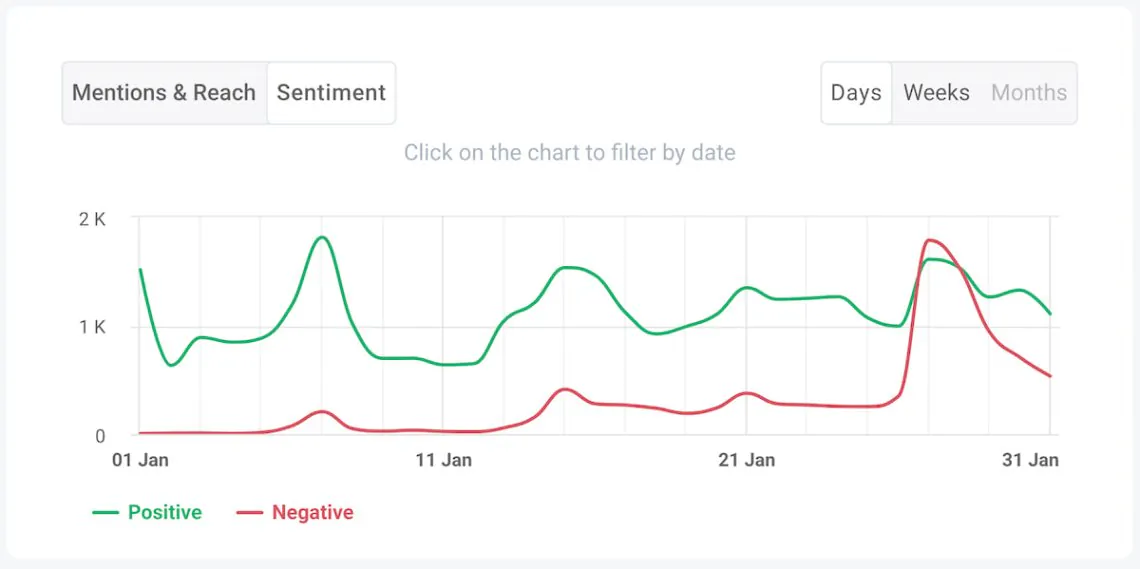
    Instead of just analyzing numbers, this project looks at human emotion. By scraping news headlines, tweets, or Reddit discussions, you’ll train a model to predict how public sentiment affects stock performance.

    Skills You’ll Build

    • Natural Language Processing (NLP) with tools like NLTK or Hugging Face.

    • Text preprocessing (tokenization, stemming, removing stop words).

    • Building predictive models with sentiment scores.

    Real-World Application

    Hedge funds already use sentiment analysis to trade. For instance, viral events like the GameStop stock surge were fueled by online communities. Your project connects AI with social psychology and finance.

    Some of the students who have created similar projects like Sentiment Analysis for Stock Market Prediction

    4. AI-Powered Credit Scoring Model

    What It Is

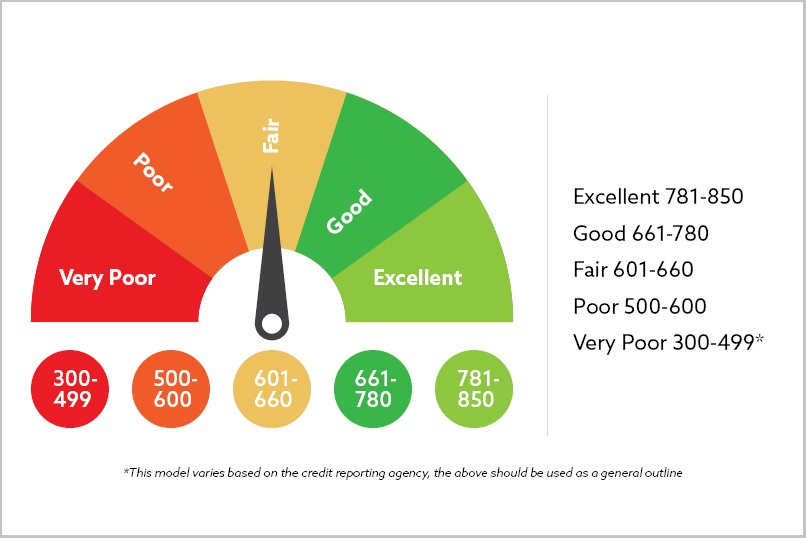
    Traditional credit scores (like FICO) can be limiting. This project builds an AI model that looks at alternative data (e.g., spending patterns, mobile payments, online behavior) to assess creditworthiness.

    Skills You’ll Build

    • Data collection from open financial datasets.

    • Logistic regression and advanced neural networks.

    • Ethical considerations around bias in AI models.

    Real-World Application

    Companies are actively exploring AI-based credit scoring to make lending more fair and inclusive. Your model could show how to improve financial access for underserved populations.

    What skills are required to create a financial inclusion projects?

    5. Robo-Advisor Portfolio Optimization

    What It Is

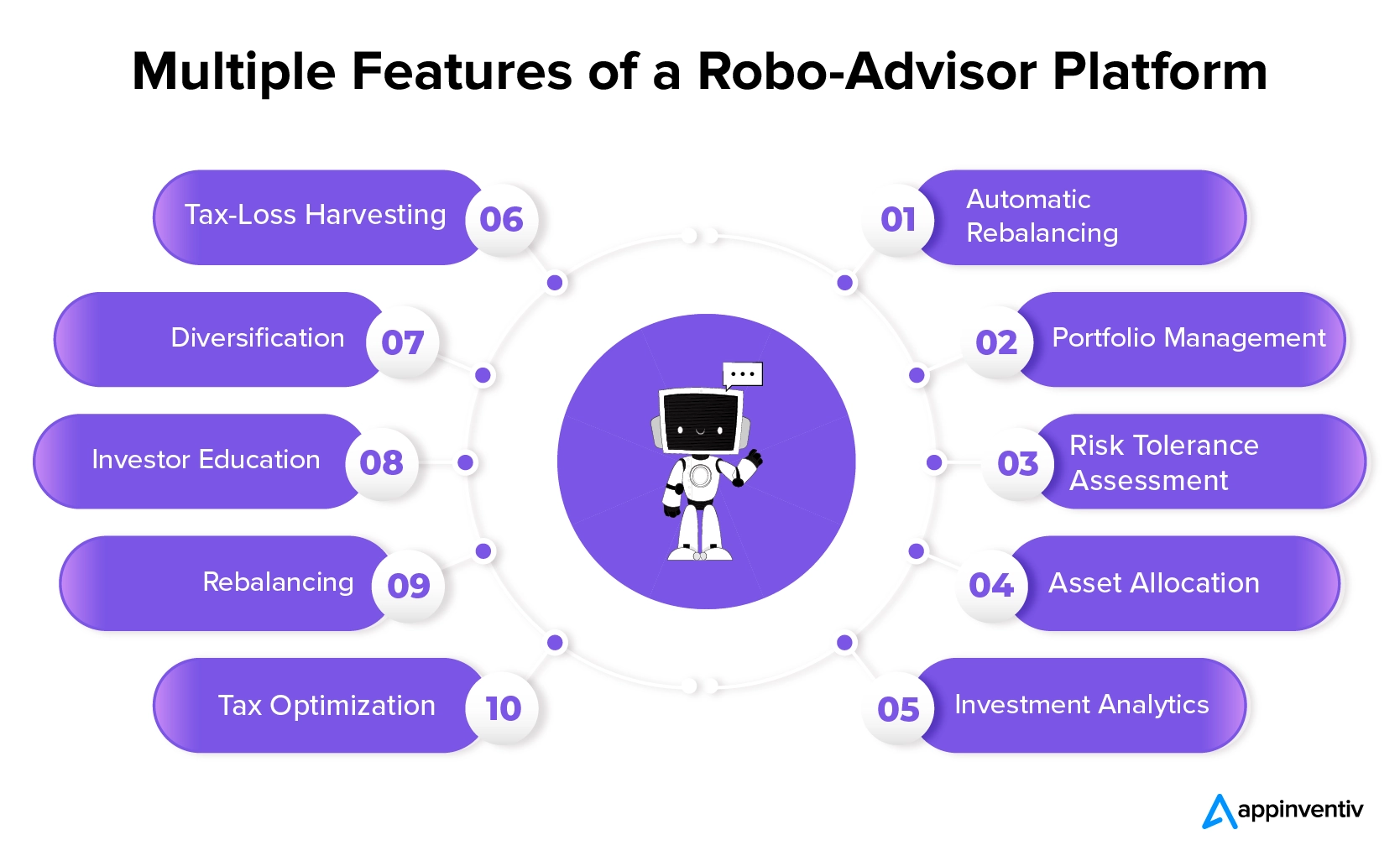
    A robo-advisor is an AI system that provides personalized investment advice. Your project can simulate one by taking a dataset of stock returns and using algorithms to recommend the best portfolio mix based on risk tolerance.

    Skills You’ll Build

    • Portfolio theory (Modern Portfolio Theory, Sharpe Ratio).

    • Optimization algorithms (Genetic Algorithms, Reinforcement Learning).

    • Interactive dashboards with Python (Streamlit, Dash).

    Real-World Application

    Robo-advisors like Wealthfront and Betterment already manage billions. Your version won’t handle client money, but it will teach you how AI shapes personal finance.

    Quick Comparison Table

    Project

    Core AI Technique

    Finance Application

    Real-Life Value

    Stock Price Prediction

    Machine Learning (LSTM, ARIMA)

    Market Forecasting

    Intro to algorithmic trading

    Fraud Detection System

    Classification Models

    Cybersecurity & Banking

    Prevents digital scams

    Sentiment Analysis

    NLP (Text Mining)

    Market Psychology

    Tracks social-driven stock surges

    Credit Scoring

    Logistic Regression, Neural Nets

    Lending & Credit

    Promotes financial inclusion

    Robo-Advisor

    Optimization & Reinforcement Learning

    Investment Planning

    Shapes the future of wealth management

    Case Study: Ronny Vinoth Jefferson’s CFO Assistant

    Managing a company’s finances requires precision, insight, and speed. Ronny developed the CFO Assistant, an AI-powered financial advisor designed to simulate the expertise of a seasoned CFO.

    What It Does

    • Analyzes financial data to identify risks and opportunities.

    • Provides strategic recommendations for budgeting, forecasting, and investments.

    • Streamlines executive decision-making with fast, accurate insights.

    From startups to enterprises, Ronny’s CFO Assistant is a glimpse into the future of financial leadership.

    Why BetterMind Labs Matters

    If you’re excited about building projects like these but don’t know where to start, that’s where BetterMind Labs comes in.

    • They provide small-group mentorship from AI/ML professionals.

    • You’ll work on real-world projects (cybersecurity, healthcare, finance).

    • You’ll walk away with industry-recognized certification and portfolio-ready projects.

    It’s not just about learning the theory; it’s about building projects that matter.

    FAQs

    Do students need access to expensive institutional financial data to build these?

    No, completely free data sources are widely available. Platforms like Kaggle host massive, anonymous datasets for credit card transactions and fraud patterns. Additionally, free APIs like Yahoo Finance (yfinance) allow students to pull real-time and historical market data directly into their code using just a few lines of Python.

    What coding skills are required to execute these projects?

    Intermediate Python proficiency along with standard data science libraries. Students will primarily use Pandas for organizing financial spreadsheets, Matplotlib or Seaborn for data visualization, and Scikit-Learn for training foundational machine learning models like Random Forests or Logistic Regression.

    Can an AI finance project still look good if a student wants to major in economics instead of computer science?

    Absolutely—it demonstrates modern quantitative skills. The finance and economics sectors are heavily driven by data science. Showing that you can use programming languages to analyze economic indicators or market trends proves you possess advanced analytical skills that go far beyond standard high school economics coursework.

    How should a student present a FinTech project on their college application?

    Focus on the development process, trade-offs, and errors rather than just the final output. Don’t just say “I built an app.” Document your work on GitHub, show your iteration history, and explain how you handled challenges like model inaccuracies or messy data. Admissions officers care about how you solve problems under uncertainty. 

    Conclusion: Standing Out With AI and Finance Projects

    AI and finance are two of the most powerful forces shaping our world. By tackling projects like stock prediction, fraud detection, or robo-advisors, you’re not just doing “school projects”—you’re solving real-world problems that banks, hedge funds, and tech companies face every day.

    And here’s the best part: you don’t need to wait until college. With free datasets, open-source tools, and mentorship from platforms like BetterMind Labs, you can start today.

    Your future in AI and finance might begin with a single experiment, but it could end up shaping your career, your college application, and even the world of money itself.

  • AI Literacy: The New Essential Skill for Teens

    The World Is Changing — Why AI Literacy for Teens Can’t Wait

    AI literacy for teens is no longer a nice-to-have—it’s foundational. If you’re a parent today, you’re watching your child grow up in a world that looks nothing like the one you entered. From how we shop, bank, learn, and even receive healthcare, artificial intelligence (AI) is touching every industry, every decision, and every future career.

    This isn’t a futuristic idea. It’s today’s reality. And it’s why AI literacy is becoming just as essential as reading, writing, and arithmetic. So, what does this mean for your child’s future? And what should you be doing now to support them?

    Let’s dive in.

    AI Isn’t Just for Coders — It’s for Everyone

    A common myth is that AI is only for “math kids” or “tech nerds.” But in reality, AI is becoming a core skill across all fields, not just software engineering.

    • In the arts: AI tools are being used to enhance music composition, automate animation, and even co-write novels.

    • In business: Marketing teams are using AI for customer segmentation, forecasting, and content creation.

    • In science: Researchers use AI to process massive datasets in genomics, climate modeling, and even space exploration.

    Even if your child wants to be a filmmaker, designer, doctor, or entrepreneur — understanding AI will give them a competitive edge.

    The AI Job Market Is Booming — And Here to Stay

    According to the World Economic Forum, AI and automation will create 97 million new jobs by 2025. Roles like:

    • Machine Learning Engineer

    • Data Analyst

    • AI Product Manager

    • Biomedical AI Researcher

    • AI Ethicist

    And for every technical role, there’s a non-technical one: marketers, strategists, designers, and educators all using AI as part of their daily work.

    The U.S. Bureau of Labor Statistics projects data science and related roles to grow 35% by 2032 — one of the fastest-growing fields in the country.

    Want to give your teen an edge? Start with AI literacy now.

    What Does AI Literacy Actually Mean?

    AI literacy doesn’t mean becoming a machine learning expert overnight. It means:

    • Understanding how algorithms make decisions

    • Knowing the ethical risks of AI (like bias or misinformation)

    • Being able to apply AI tools in your field of interest

    • Knowing how to read and interpret data

    At BetterMind Labs, we call this the “AI fluency trifecta”: awareness, application, and action.

    And yes — high schoolers can absolutely learn this when taught the right way.

    Real Student, Real Impact: A Passion-Fueled AI Project

    One of our alumni, Ananya Gangwar, had always been curious about how money works — how teens spend it, save it, or sometimes just ignore it. She didn’t know how to code, but when she joined the AI mentorship program at BetterMind Labs, she had one clear goal:

    “I want to build something that helps people my age make smarter money decisions.”

    With her mentor’s help, Ananya created Finance Buddy — an AI-powered personal finance assistant built just for teens. It tracks spending habits, gives easy saving tips, and even breaks down tricky terms like APR or compound interest using AI.

    What started as an idea turned into a tool students could actually use.

    And it showed colleges something deeper: curiosity, impact, and the ability to turn AI into something that helps others.

    That’s what BetterMind Labs is all about: real-world projects, personal growth, and meaningful mentorship.

    How Parents Can Help

    Here’s how you can support your teen’s AI journey:

    1. Normalize AI Exploration

    Just like you’d encourage them to try piano or soccer, treat AI as a new creative outlet.

    Free tools like Teachable Machine, Hugging Face, or RunwayML are great starting points.

    2. Look for Project-Based Learning

    At BetterMind Labs, our programs focus on helping teens build AI-powered passion projects — from detecting wildfires to fighting misinformation. These projects build confidence, independence, and real-world skills.

    3. Encourage Mentorship

    Teens need guidance — especially in emerging fields. Look for AI summer internships for high school students, or AI mentorship programs like ours that connect teens with real professionals.

    What Colleges (and Recruiters) Are Looking For

    Top colleges, especially T20 schools, aren’t just impressed by straight As anymore. They’re looking for:

    • Originality in projects

    • Real-world impact

    • Collaboration and initiative

    • Creative use of emerging tech

    This is why AI learning programs for teens are becoming more important than AP classes or test prep. Your child can stand out — not by doing more, but by doing what matters.

    Why BetterMind Labs Might Be the Right Fit

    We’re not just another online course. We:

    • Match students 3:1 with mentors from AI, medicine, finance, and space research

    • Help them brainstorm real-world problems and solve them with AI

    • Support their college admissions journey with tailored guidance and storytelling

    • Provide an AI Program that’s selective but supportive — perfect for ambitious teens looking for more than a certificate

    Whether your child wants to build a startup, publish a research paper, or simply understand the tech behind ChatGPT, we meet them where they are.

    Conclusion: AI Is the New Literacy

    Think of AI like reading or writing. You don’t need your child to become the next OpenAI engineer. But they shouldn’t be left behind in a world powered by AI.

    Whether they’re 13 or 17, whether they love biology or business — AI literacy gives them superpowers.

    And it starts with exposure. Tools. Mentors. The freedom to explore.

    The earlier they start, the more confident they’ll be when opportunities knock.

    So if you’re wondering whether your child is “too young” to start learning AI…

    They’re not.

    But it’s never too early—only too late.

    👉 Explore BetterMind Labs’ AI/ML Programs for Teens

    Build something that matters. Starting now.


    Relevant Links