Tag: AI for Social Good

  • The AI Emergency Response Project by a High School Student That’s Outperforming 911 Dispatchers

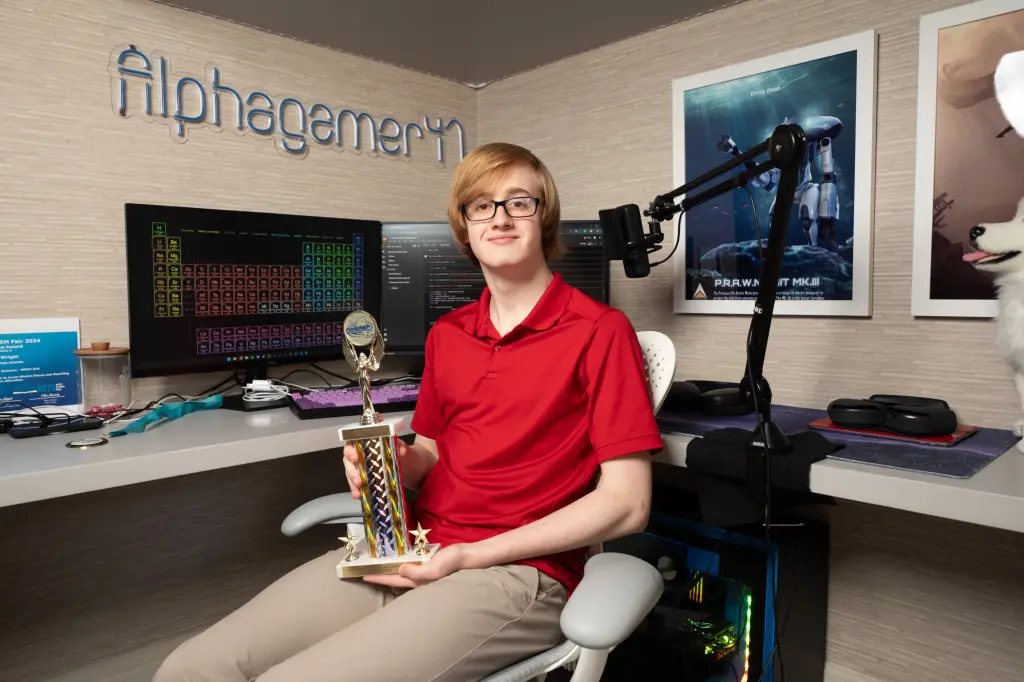
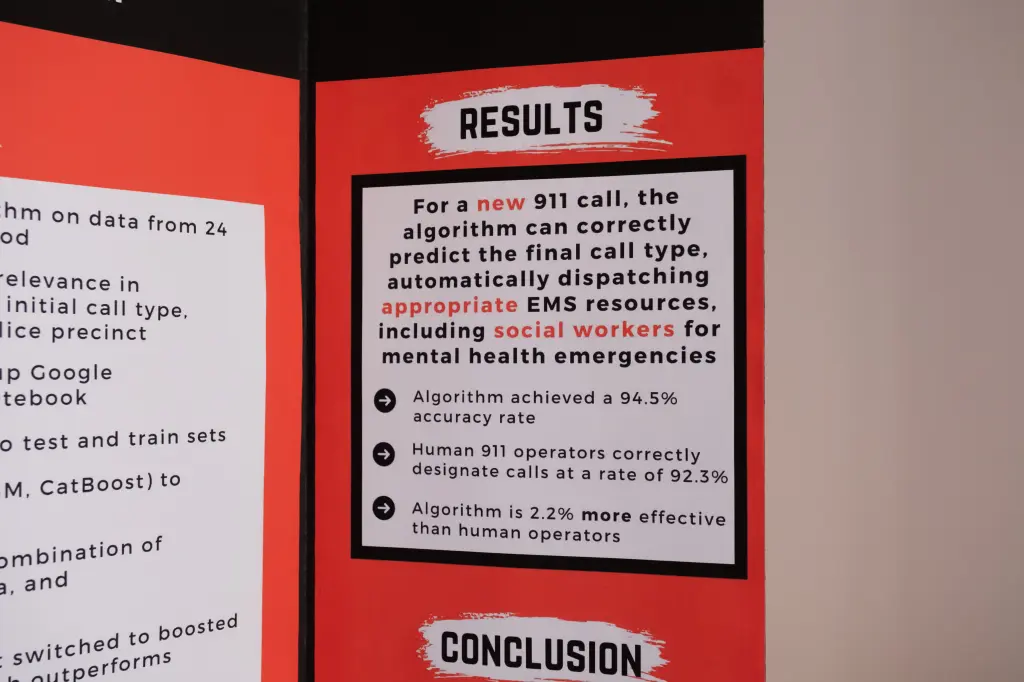
    When 17-year-old Pierce Wright built an AI emergency response project as a high school student, he didn’t expect to outperform trained 911 dispatchers. But that’s exactly what happened. His system, trained on over 24 million NYC 911 call records, clocked 94.5% accuracy higher than human professionals.

    This AI emergency response project by a high school student shows that real-world AI innovation isn’t just happening in labs—it’s happening in classrooms and teen bedrooms across the country.
    Why AI Emergency Response Projects by High School Students Matter

    Every year, hundreds of thousands of 911 calls in cities like New York involve mental health or substance abuse. Many of those calls don’t need a police officer or an ambulance. They need a different kind of help. And getting that wrong leads to wasted time, crowded ERs, and in some cases, tragic outcomes.

    Pierce saw this firsthand while volunteering with EMS teams in Westport, Connecticut. He noticed that emergency responders were constantly sent to cases that didn’t require their specific skills. That experience made him wonder if AI could help solve the mismatch between real needs and dispatched services.

    So he went to work.

    What He Actually Built

    Using open city datasets from NYC, Pierce trained a gradient-boosting model that looks at four key inputs: zip code, time of day, police precinct, and the initial call type. From that, the model predicts what kind of emergency response is actually needed.

    The scale was massive. He trained the system on data from 2005 to 2022, with millions of emergency medical service records. Then he tested the results and discovered something wild: the AI wasn’t just keeping up with human dispatchers, it was slightly better.

    That small margin could mean over $123 million saved annually by sending the right help more efficiently.

    But here’s the bigger picture. Pierce didn’t build this in a university lab or under a tech giant. He built it as a high school student, using tools and data that anyone can access.
    What Other Students Can Learn from This

    This isn’t a one-off miracle. More and more high school students are building real, working AI tools that tackle serious problems. Some are using computer vision to detect skin cancer. Others are training language models to flag early signs of depression in teens. The difference usually comes down to whether they have the right mentors, space to explore, and a reason to care.

    That’s where programs like BetterMind Labs come in. We’ve worked with students to help them go beyond theory and actually build projects that solve real-world problems.

    And yes, they also happen to look incredible on college applications.

    What Pierce’s Story Really Shows Us

    It’s easy to think of AI as something distant or overly complex. But the truth is, the tools are here. The knowledge is accessible. And when a teenager like Pierce Wright can train a smarter emergency response system than professionals with decades of experience, it’s a wake-up call.

    Students aren’t just future innovators. They’re already creating things that matter.

    So if you’re a parent wondering what your teen could be doing with their interests in tech, or a student who’s curious about AI but doesn’t know where to start, this is your sign.

    Want to help your teen build something real with AI?
    BetterMind Labs helps high school students learn AI by building meaningful projects. No fluff. No busywork. Just real-world tools, guided by mentors who’ve been there.

    Pierce started with a simple idea. Your teen can too.


    Relevant Links:

  • AI Fact-Checker Built by High School Students | Debate Tool

    How High School Students Built an AI Fact-Checker for Political Debates

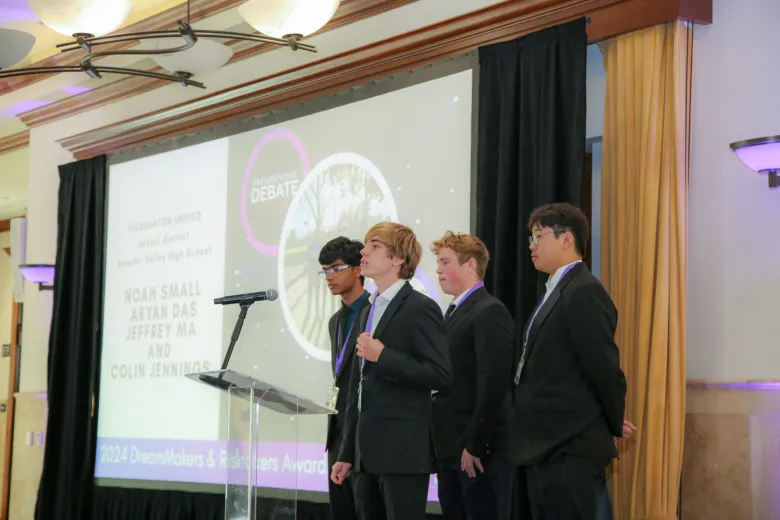
    Political debates are intense, fast-paced, and full of claims that aren’t always true. So students at Amador Valley High School in California took action. High school students built an AI fact-checker that listened to the 2024 U.S. presidential debate and flagged misleading or false statements on the spot. It wasn’t just for show; it achieved 87% accuracy using live news sources and natural language processing.

    This wasn’t a classroom assignment. It worked in the real world, and it was built by high schoolers.

    Real-Time AI Debate Fact-Checking System: What They Created

    Using speech-to-text software, the team transcribed debate audio in real time. Then their AI model compared spoken statements to verified databases and up-to-date news sources. Machine learning algorithms classified each claim as true, false, or misleading within seconds.

    One student, Noah Small, led efforts to optimize the speech transcription. Colin Jennings, Aryan Das, and Jeffrey Ma designed the machine learning model and built the confidence scoring system. Working under their teacher, Kevin Kiyoi, they tested APIs like Google Gemini and OpenAI’s GPT to parse and verify statements.

    The impressive part wasn’t just accuracy. It was adaptability. The system handled background noise, rapid speaker changes, and incomplete sentences. That made it a true example of a high school AI project success.

    Accuracy and Impact: Why AI Misinformation Tools Matter

    The debate tool achieved 87% accuracy, verified by students cross-checking outputs. Local media and educators praised its innovation and potential. This showed that teenagers can build useful systems for political fact-checking and tackling misinformation.

    They didn’t replace fact-checking organizations. Instead, they enhanced it, providing instant feedback during live events. Imagine using a similar tool for televised interviews, press briefings, or live podcasts. That’s the power of accessible, student-built AI.

    AI Projects by Teens: Projects with Purpose

    What makes this project shine is the mindset behind it. These students didn’t just learn AI theory. They picked a real problem and built a solution. That’s a big difference between classroom exercises and real-world projects.

    They could have studied algorithms all year. Instead, they created something meaningful.

    Mentorship in High School AI: Why It Matters

    The Amador Valley team had the guidance of Kevin Kiyoi, a teacher who encouraged experimentation and problem-solving. Mentorship like that is often what turns a decent project into something impactful.

    It’s the same reason students at BetterMind Labs get to build projects that matter. Take Namya and Rishav, developed an early disease detection system. They didn’t just work through tutorials; they had mentors who helped them work through real data, hit roadblocks, and iterate until their model worked in the wild.

    Whether it’s a debate fact-checker or an Early disease detector, mentorship makes the difference between learning the tools and learning how to use them.

    Final Thoughts: Teen AI Project Inspiration

    When Noah Small, Colin Jennings, Aryan Das, and Jeffrey Ma built their live AI fact-checker, they showed that high school students can tackle misinformation with real impact. That’s not a niche achievement. It’s a sign that the next wave of AI innovation will come from unexpected places.

    They just need curiosity, support, and tools. And once they start building, they might surprise you with just how far they can go.


    Relevant Links

  • AI for Teens: How to Explore Your Passion in Science, Arts, or Business

    What Does AI for Teens Actually Look Like?

    Let’s get one thing straight—AI isn’t just about robots, math, or Silicon Valley.

    Today’s teens are growing up in a world where artificial intelligence is shaping every field.

    Whether your child dreams of becoming a doctor, a fashion designer, a filmmaker, or an entrepreneur—AI can help them get there faster, smarter, and with more creativity.

    The earlier they explore how AI can power their passion, the more future-ready they’ll be.

    Science: Turning Curiosity Into Real-World Solutions

    Teens passionate about science often feel stuck doing theory-heavy assignments or textbook-based projects. But AI lets them go deeper, solving real problems in biology, medicine, physics, or environmental science.

    Real Student Example: Fighting Antibiotic Resistance with AI

    BetterMind Labs alumni Saksham built his first AI model to tackle the challenge of antibiotic resistance. Using Python, he trained the system on lists of antibiotics and example cases, enabling it to generate ranked treatment recommendations with confidence scores.

    He even attempted to package it into a mobile app, gaining hands-on experience with deploying Python projects. Along the way, Saksham not only deepened his understanding of how thousands of antibiotics are used but also proved that a beginner can build meaningful AI tools with real-world potential.

    Arts: Creativity Enhanced by Intelligence

    Think AI is just logic and no heart? Think again.

    Teens interested in visual arts, music, storytelling, and design are using AI to:

    • Generate concept art or color palettes

    • Compose original soundtracks with AI-based tools like AIVA or Amper

    • Build storytelling assistants that co-write narratives

    • Animate characters using tools like Runway ML

    Real Student Example: Story Plot Generator

    Alexis, a alumni of the BetterMind Labs summer AI program, loved writing fantasy fiction but often got stuck in the middle of her plots. She built an AI-powered story plot generator that gave her branching storylines based on themes, tone, and character arcs.

    Not only did it spark her creativity, but it became a favorite among her school’s writing club.

    Her final project became part of her college app portfolio—and showed how tech can amplify art.

    Business: From Ideas to Impact

    Teen entrepreneurs today are no longer limited to lemonade stands. With AI, they can:

    • Analyze market trends using sentiment analysis

    • Build product recommendation systems

    • Use predictive models to forecast demand

    • Automate customer service or lead generation

    Real Student Example: Employee Attrition Predictor

    A BetterMind Labs alumni, Aman, wanted to understand why companies lose talented employees. He built a machine learning model that analyzes workplace data and predicts whether an employee is likely to leave, using exploratory data analysis, feature selection, and logistic regression.

    To make it practical, Aman integrated the model into a Streamlit web app that HR teams can use for real-time insights and workforce retention planning.

    That project not only gave him hands-on experience in applied AI but also set him apart as someone who can solve problems with real business impact.

    How Can Your Teen Get Started?

    You might be thinking: That sounds great—but my child isn’t a coder.

    That’s okay. AI is no longer locked behind walls of complex math and programming. With the right tools and mentorship, teens can start exploring AI in ways that match their interests.

    Here’s how:

    1. Start With Passion, Not Tech

    Help your teen identify a problem or idea they genuinely care about. Is it mental health? Climate change? Art? Education?

    From there, AI becomes a tool—not the goal.

    2. Use the Right Tools

    Platforms like:

    • Teachable Machine (Google) for beginners

    • Runway ML for creative AI

    • ChatGPT + Python Notebooks for rapid prototyping

    Let them test, play, and build without fear of failure.

    3. Join a Mentored Program

    That’s where BetterMind Labs comes in.

    Our AI/ML summer internship isn’t just about teaching AI—it’s about helping teens use AI to explore what excites them most. Each student works with a real mentor to define a project, get feedback, and launch something meaningful.

    We’ve seen students build:

    • AI-powered mental health check-in tools

    • Fashion recommender systems

    • Eco-friendly logistics planners

    • Music genre blenders based on mood

    And every one of them started with a single question:

    “What if I could solve this with AI?”

    Why This Matters Now

    In a world where AI is transforming every field, teens who understand how to harness it—not just code it—will lead the future.

    College admissions are evolving too. Top universities are shifting their focus from perfect grades to passion-driven innovation. They want to see students who think deeply and build boldly.

    AI projects that reflect a student’s personal interest are exactly the kind of thing that makes an application unforgettable.

    Final Thought: AI Isn’t a Career—It’s a Compass

    Don’t think of AI as a job track. Think of it as a superpower—one that helps your teen get further in whatever direction they’re already excited about.

    Whether it’s solving medical mysteries, writing better stories, launching a startup, or just understanding how Spotify knows what song to recommend…

    AI will be part of your teen’s journey.

    The question is, will they use it passively, or shape the future with it?

    BetterMind Labs’ AI Internship for High Schoolers is open now.

    Let your teen explore AI, build a real project, and discover just how far their passion can take them.

    Apply now at https://blog.bmldesk.com/


    Relevant Links

  • How AI is Revolutionizing the Fight Against Antibiotic Resistance

    The Urgent Problem with Antibiotic Resistance

    AI in antibiotic resistance is no longer theoretical—it’s essential. Infections that used to be easily treated, like staph or tuberculosis, are getting harder to cure because the bacteria have adapted. And the core issue? We still rely on slow diagnostic methods.

    Traditional lab tests can take days. Doctors don’t have that kind of time, especially in emergencies. That delay can mean the wrong drugs are used, letting the infection spread and putting lives at risk.

    Tulane’s AI Model Is a Step Ahead

    Researchers at Tulane University recently developed a machine learning model that detects antibiotic resistance directly from bacterial genome sequences. Instead of searching for known resistance genes, the AI learns to identify new patterns and genetic mutations that standard tests might miss.

    This means it can predict resistance faster and more accurately, even when facing strains we’ve never seen before. That’s not just a win for speed. It’s a step toward keeping evolving bacteria in check.

    Why Speed in AI Antibiotic Resistance Diagnosis Saves Lives

    If someone is hospitalized with a serious infection, every hour counts. The traditional route of culturing bacteria, running tests, and waiting for results can take up to 72 hours. In that window, treatment could be off-track or ineffective.

    Tulane’s model brings that timeline down to just a few hours. A genome is sequenced, the data is fed in, and the AI flags likely resistance. That kind of rapid response could change how hospitals handle infectious diseases.

    It also helps public health efforts by detecting dangerous resistance early and reducing the risk of outbreaks.

    High School Students Are Joining the Front Lines

    What’s even more impressive is that students are starting to work on these problems too. You don’t need to be a professor in a university lab to make progress in this space.

    A high schooler named Saksham Srivastava developed a similar AI-based diagnostic tool during a project with BetterMind Labs. His goal was to create a model that could recommend effective antibiotics based on open-source infection data. He ranked suggestions by confidence levels, helping doctors or researchers quickly find the best treatment options.

    When students are guided through actual research projects, not just classroom theory, they engage with problems that actually matter.

    Saksham wasn’t told what to build. He picked a challenge that felt urgent and meaningful. With support and structure, he was able to explore it deeply. That mix of autonomy and mentorship is rare and incredibly valuable.

    AI and Healthcare Innovation Are Coming Together

    The field of medical diagnostics is changing. Tulane’s research is a clear example of how AI can identify threats faster than humans can. But student-built projects like Saksham’s show that this isn’t just the domain of researchers.

    Machine learning is becoming more accessible. The tools are out there. And more importantly, the motivation is there too. Students want to solve problems that feel real and immediate.

    Final Thoughts

    Tulane’s breakthrough highlights what’s possible when AI is applied to healthcare with real intent. Saksham’s project reminds us that students aren’t waiting for permission to start building.

    The future of diagnostics won’t just be driven by researchers in white coats. It’ll also be shaped by curious students, thoughtful mentors, and programs that give them the room to explore.

    Innovation doesn’t care about age or titles. It just needs people who care enough to try.


    Relevant Keywords:

  • AI for Impact: Why Students Must Learn to Solve Real-World Problems

    In today’s world, new problems affecting millions of people are emerging every day, while many old ones are being solved at an unprecedented pace. Artificial Intelligence (AI) has made this possible by accelerating the way we innovate and implement solutions. This pace of innovation is changing how businesses are built across the globe—new startups are forming, new industries are emerging, and new ways of living are being created—all around AI and problem-solving.

    But here’s the truth: not every problem is worth solving. Some problems are personal and unique, but others are shared by entire communities, nations, or the planet. The problems that are general—shared by many—create a massive impact when solved. In fact, solving such problems doesn’t just change lives—it can shape economies.

    How to Identify the Right Problems to Solve

    1. Observation through Empathy

    Spend time watching how people interact with the world. Frustration is a signal. Look for pain points: long queues, delays, lack of access, confusion, waste.

    2. 5 Whys Analysis

    When you spot a problem, ask “why?” five times to get to the root cause. Most problems lie beneath the surface.

    3. Passion Check

    Do you deeply care about the problem? If not, don’t pursue it. Passion sustains you when the work gets hard.

    4. Scale Evaluation

    How many people does this problem affect? How often? The bigger the scope, the higher the impact.

    5. Solution Gap Analysis

    Are there solutions already? If yes, why are they not working? This identifies where innovation can happen.

    This isn’t just theory. It’s a method that top founders, innovators, and impact-makers use—backed by design thinking and lean startup methodologies.

    Why Solve With AI? Because AI Scales.

    Once you know a problem is real and urgent, AI allows you to automate, optimize, and scale the solution in ways traditional methods can’t.

    Here are 3 unexpected, real-world examples of AI in action:

    1. AI for Beehive Health Monitoring

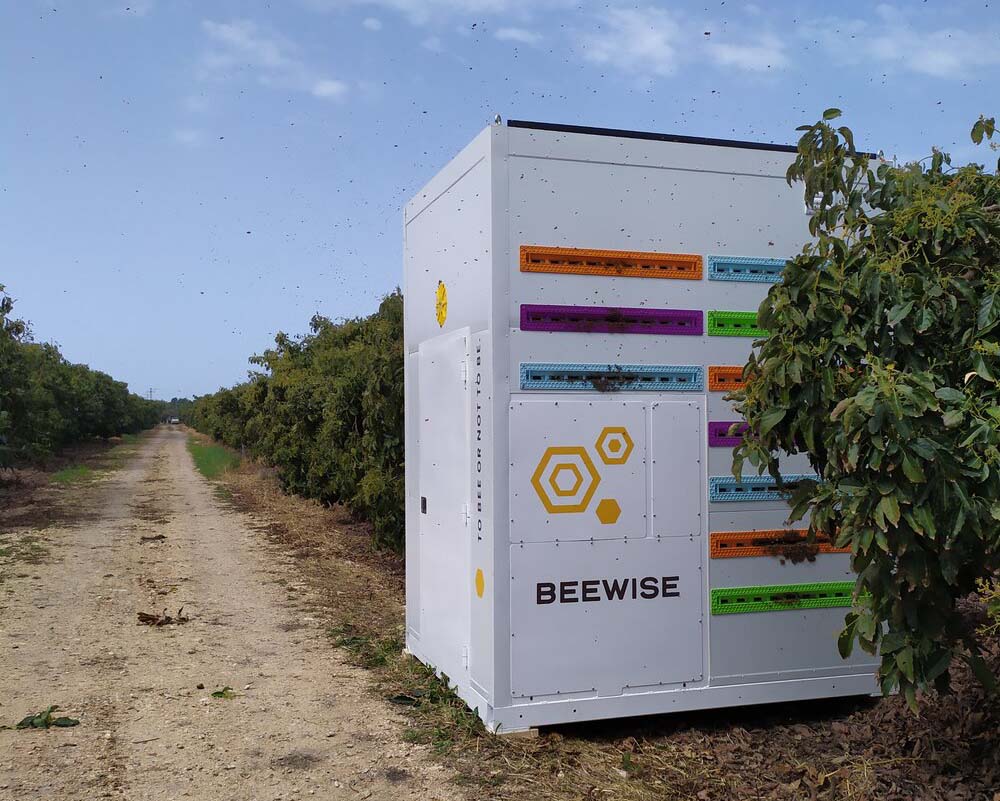
    Beewise uses computer vision and robotics to monitor bees and prevent colony collapse—critical for global agriculture. (Yes, bees are essential to one in three bites of food we eat.)

    2. AI in Waste Sorting

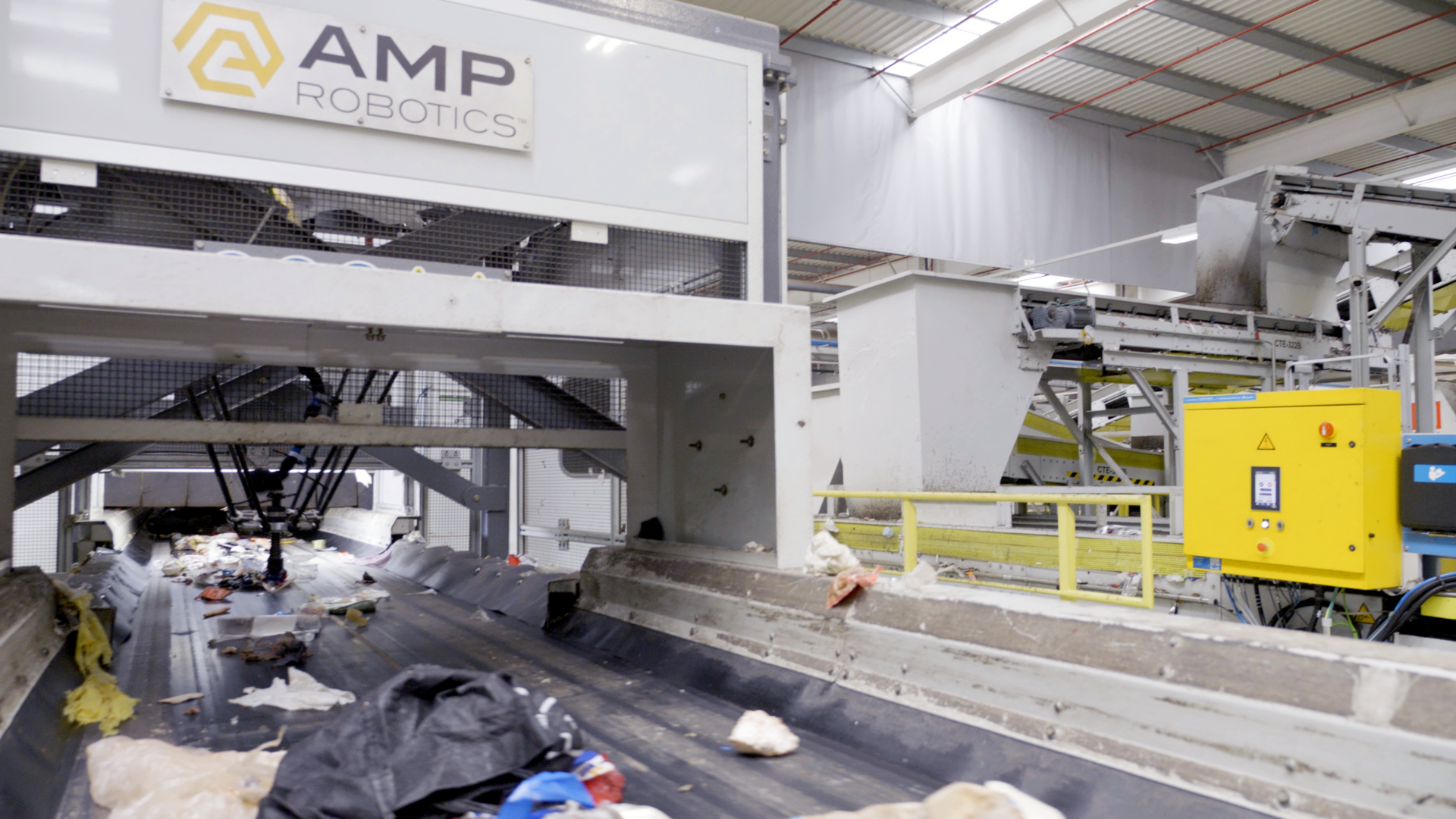
    AMP Robotics has developed robots that identify and sort recyclable materials with high precision, reducing landfill waste and increasing recycling efficiency by over 80%.

    3. AI-Powered Flood Prediction

    Google’s AI flood forecasting tool uses ML to predict river floods 5 days in advance in India and Bangladesh—potentially saving thousands of lives.

    These examples show how AI isn’t just about tech—it’s about impact.

    How Mentorship Boosts AI Learning for Students

    Once you identify a meaningful problem and want to solve it with AI, you need the right guidance. That’s where mentorship comes in.

    At BetterMind Labs, we work with students through focused, personalized guidance to:

    • Help them find meaningful problems

    • Teach them practical AI/ML tools

    • Guide them to build and ship real projects

    • Connect their work with societal impact and college admissions

    This isn’t just theory. It’s real.

    Free & Genuine Resources to Start On Your Own

    Not ready for a program yet? That’s okay. Here are three open-source resources to start:

    1. fast.ai – Free practical deep learning course for beginners.

    2. Google’s Learn with Google AI – Easy-to-understand lessons and projects.

    3. Kaggle Datasets + Notebooks – A goldmine for trying out models on real-world problems.

    Conclusion

    In 2025, top colleges want to see impact. That’s why AI for students has become a powerful way to show initiative and leadership through real-world work. If you’re in high school and dreaming of building something that matters—something that colleges like MIT, Stanford, or Harvard will actually care about—it starts with a real problem, a bit of AI, and a whole lot of heart.

    Whether it’s climate change, hunger, poverty, or education—AI can help you build what matters.

    We at BetterMind Labs are here to help you make that journey.


    Relevant Links