Tag: AI for Teens

  • Why AI Education Is Essential for Your Teen’s Future

    Let’s Face It: The Future Won’t Wait
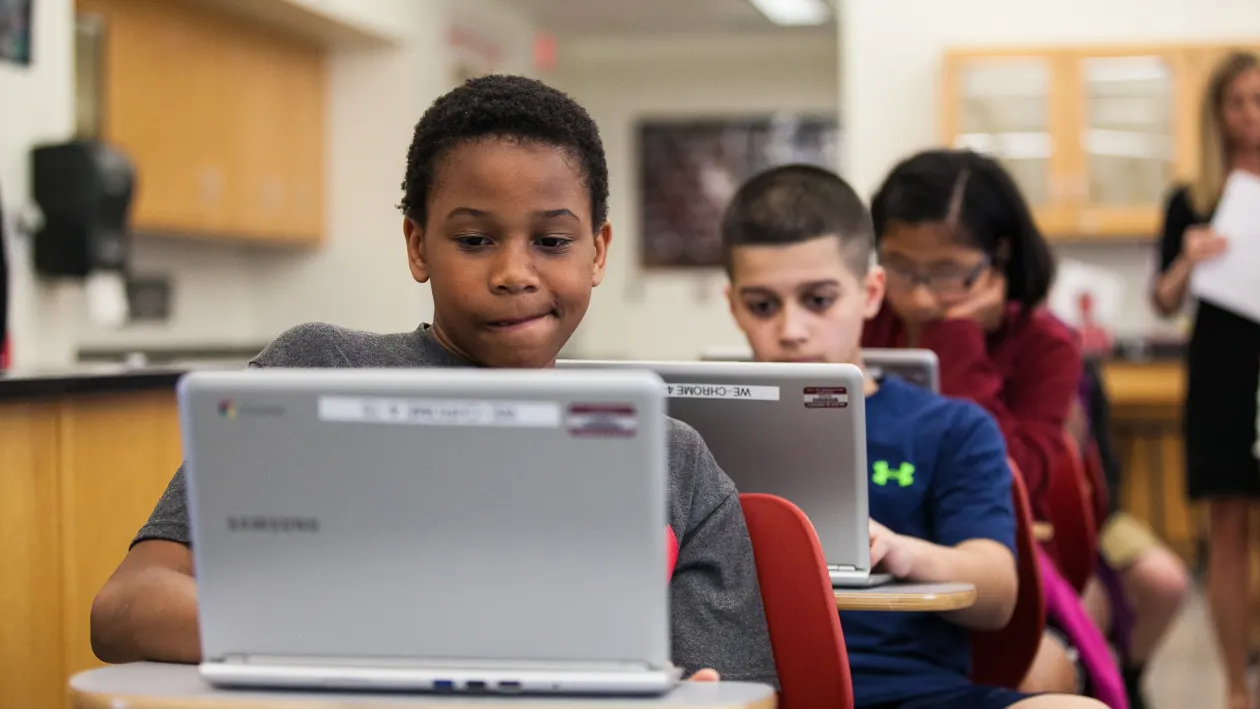
    Your teen is growing up in a world where AI isn’t optional—it’s foundational.

    From Netflix recommending movies to hospitals detecting diseases early, artificial intelligence is shaping nearly every aspect of life. And as AI continues to power industries—from healthcare to climate, from gaming to law—the next generation must not just be consumers of this tech but creators and critics of it.

    So the big question is: Is your teen ready?

    The Risk of Not Learning AI Early

    Let’s not sugarcoat it—teenagers who graduate without basic AI literacy may find themselves:

    • Behind in college admissions, especially for competitive majors like CS, business, or bioengineering

    • Less employable, even for internships or entry-level roles

    • Unaware of how AI affects privacy, equity, and ethics in their daily lives

    • Less confident in using tools that will soon be as common as Google Docs or Excel

    This isn’t just about “techies.” AI is now a life skill, like reading or math.

    The Payoff of AI Education for Teens
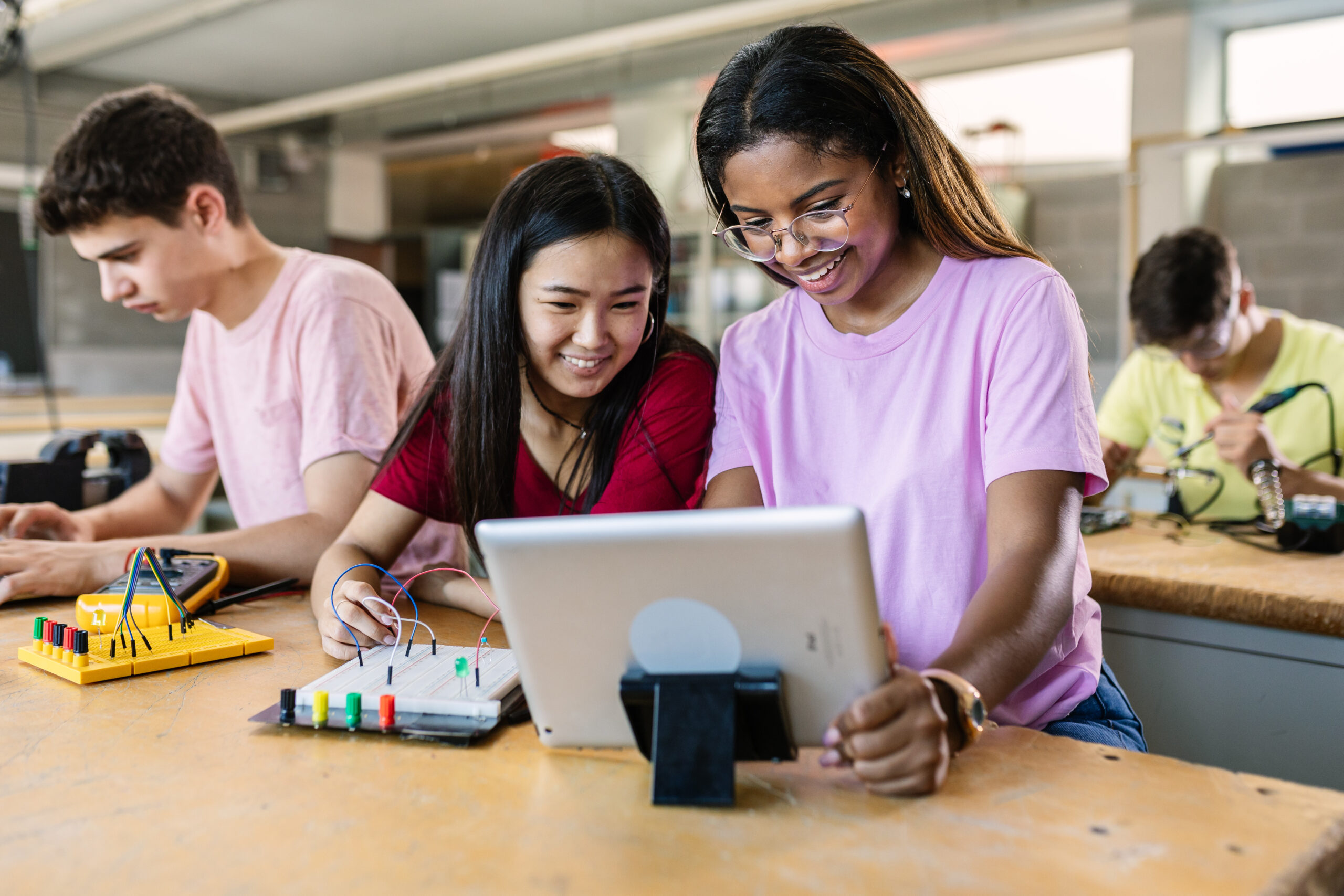
    Here’s what AI education does for your teen… whether or not they want to major in computer science:

    1. Builds Real-World Skills

    AI helps students become better problem-solvers. Whether it’s training a model to detect mental health signals in tweets or optimizing traffic in their hometown, students gain hands-on experience that translates into any career.

    2. Boosts Cognitive Growth

    Understanding algorithms, pattern recognition, and model training strengthens critical thinking, logic, and creativity. These skills help in SATs, college essays, and interviews.

    3. Supercharges College Applications

    Top universities no longer look just for grades—they want students who create impact. A high schooler who builds an AI project around education inequality or healthcare access stands out in a sea of cookie-cutter applications.

    4. Shapes Future Citizens

    Teens who understand AI are more likely to engage with ethical debates around surveillance, misinformation, or climate modeling. That’s how we raise thoughtful, empowered humans—not just employees.

    Real Students. Real Impact.

    At BetterMind Labs, we’ve seen teens build incredible AI projects that matter:

    • Ananya, 11th grade, created an AI model to classify malaria types, inspired by her mom who works in public health.

    • Shaun, 10th grade, built a Crypto Sentiment Tracker after noticing how fake news manipulated prices.

    • Alexei, a biochemistry hopeful, used AI to generate protein-folding simulation datasets, helping him understand his dream major before college.

    None of these students were coding geniuses at first.

    What they had was mentorship, structure, and a reason to build.
    How Can You Introduce AI to Your Teen?

    Here’s a step-by-step plan any family can follow:

    1. Start with Free Resources

    YouTube channels like 3Blue1Brown or CodeBullet make AI entertaining.

    Try courses like Coursera’s AI for Everyone or Kaggle Micro-Courses.

    2. Build a Small Project

    Train an image classifier to sort cats and dogs. Use Python to detect spam in emails.

    These aren’t just projects—they’re confidence boosters.

    3. Join a Guided Program

    That’s where BetterMind Labs comes in.

    We guide high schoolers from idea → research → model → impact while helping them build standout college portfolios.

    Schools Are Catching Up—But Not Fast Enough
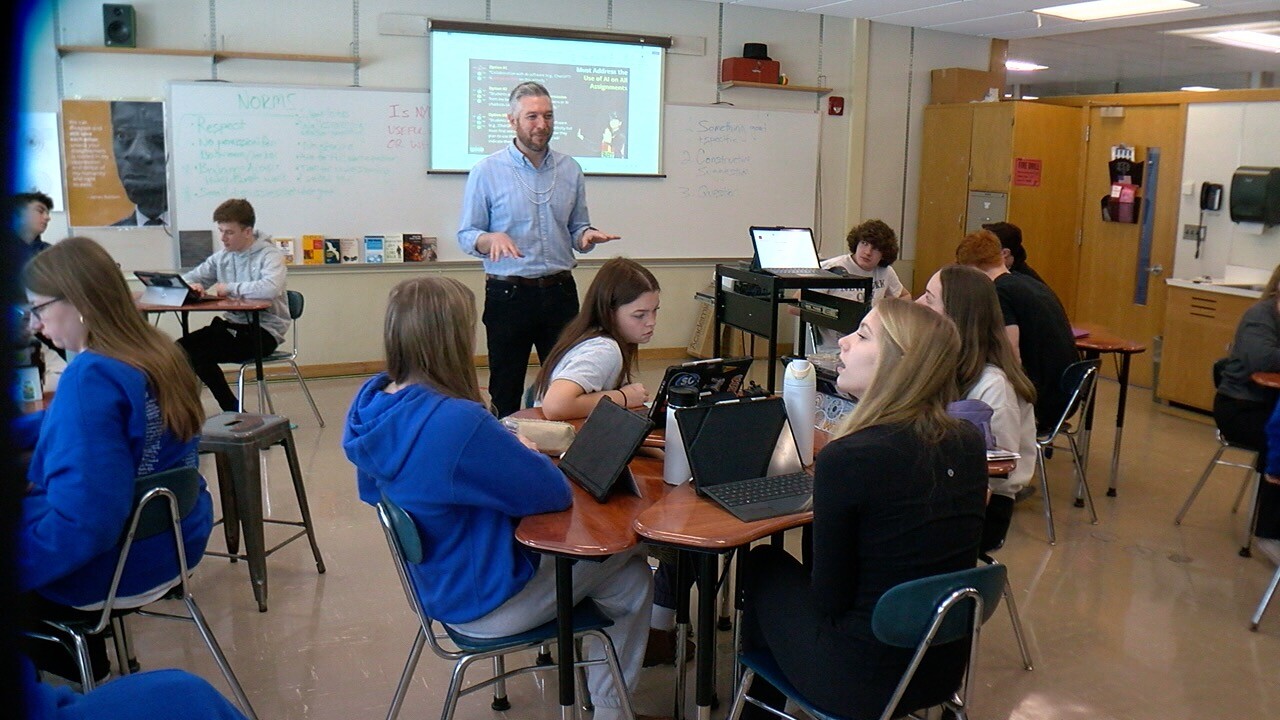
    Yes, AI is making its way into school curriculums.

    States like California and New York are integrating it into science and math.

    But let’s be honest:

    • Teachers are undertrained

    • Resources are limited

    • Projects are often generic or outdated

    Your teen needs beyond-the-classroom exposure to understand how AI works in the real world—alongside mentors, peers, and actual use cases.

    Common Myths (Busted)

    “My teen isn’t into coding.”

    AI isn’t just for coders. At BetterMind Labs, students interested in psychology, business, biology, and even writing have created meaningful AI tools.

    “It’s too early.”

    Middle and high school is actually the perfect time—the brain is flexible, and the stakes are low. Better to experiment now than wait until college.

    “It’s all just hype.”

    AI is now integrated into hiring, education, law, agriculture, sports analytics, and even music composition. It’s not hype—it’s reality.

    Final Thoughts: AI Is Not Just a Skill—It’s a Mindset

    We don’t teach AI just to help teens learn to code.

    We teach it so they can dream smarter, solve bigger problems, and think for themselves.

    Whether your teen wants to become a doctor, architect, journalist, or entrepreneur, understanding AI makes them future-proof.

    And in a world that’s constantly evolving, that might be the best gift you can give them.
    Ready to Get Started?

    BetterMind Labs’ AI/ML Internship for High School Students—is now accepting applications.

    We pair teens with mentors to help them build passion projects that not only impress colleges but impact the world.

    Apply now: https://blog.bmldesk.com/


    Relevant Links

  • How AI is Changing the World — and What a High School Student AI Astronomy Project Means for Gen Z

    He didn’t have a telescope.

    He didn’t work in a professional lab.

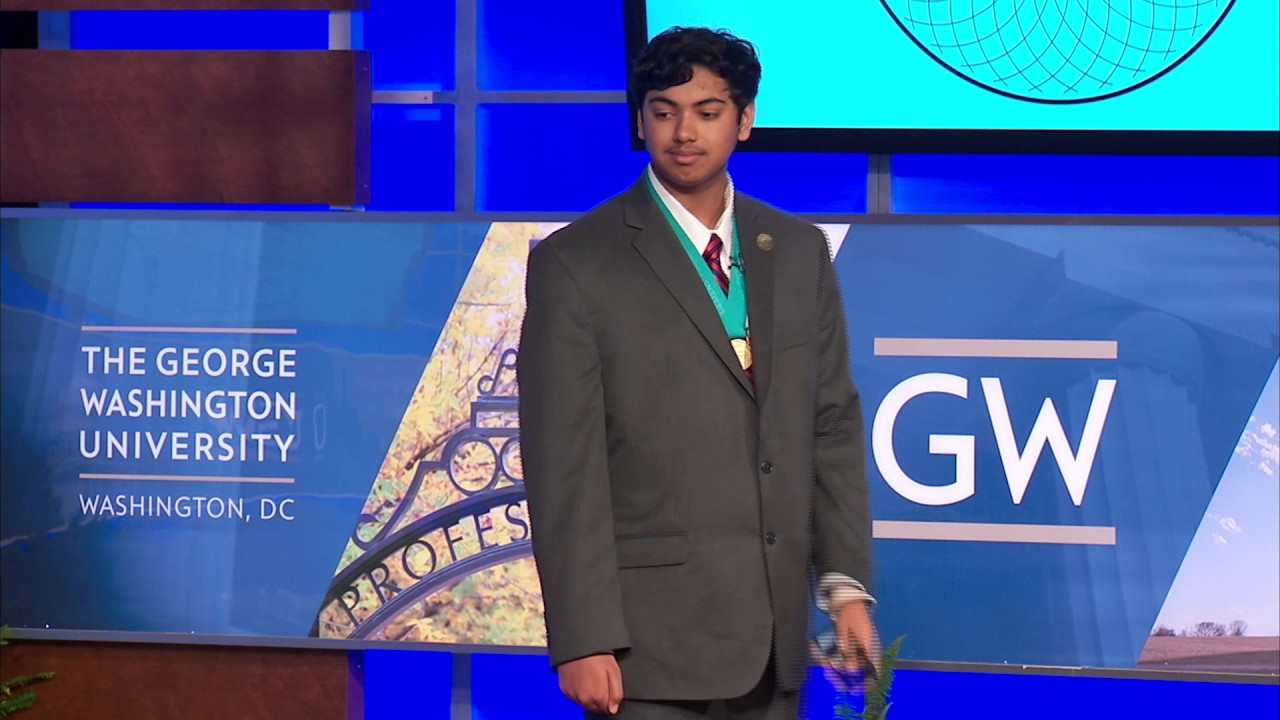
    But at just 15, Pranav Sivakumar launched a high school student AI astronomy project that helped discover gravitationally lensed quasars—some of the rarest and most fascinating objects in the universe.

    His project earned recognition from NASA, Fermilab, and even the White House.

    What’s a Gravitationally Lensed Quasar?

    It sounds like sci-fi, but it’s real astrophysics.

    Quasars are insanely bright, faraway galaxies with black holes at their centers. Sometimes, a massive galaxy lies directly between us and the quasar. That foreground galaxy bends the light from the quasar around it, sort of like a cosmic magnifying glass. That’s gravitational lensing.

    These systems are rare, and finding them helps scientists test theories about dark energy, dark matter, and the very shape of the universe.

    How This High School Student Used AI in Their Astronomy Project

    He used data from the Sloan Digital Sky Survey, a massive open-source catalog of the sky.

    Then, with Python and machine learning models he built himself, he filtered through thousands of galaxy images to flag 109 potential lensing systems. His work impressed researchers at Fermilab and NASA, landing him as a finalist (twice!) in the Google Science Fair and earning him the Virgin Galactic Pioneer Award.

    Eventually, he was invited to the White House Astronomy Night, where President Obama personally acknowledged his work.

    All of this. At fifteen.

    Why This Matters to Parents and Students Today

    Pranav’s story isn’t just inspiring. It’s a clear sign of where the world is heading.

    You don’t need to wait for college to do real science. You don’t need a lab.

    What you do need is the curiosity to ask questions and the support to build something real.

    We’ve seen this firsthand at BetterMind Labs, where high school students are working on their own ambitious projects, from AI-powered wildfire prediction tools to apps that detect signs of early skin cancer using computer vision.

    What Will You  Build?

    The tools are out there. The data is free. The only missing piece? A community that pushes you to go further than school ever will.

    At BetterMind Labs, we help students connect with mentors, use real-world tools, and work on projects that colleges (and the world) actually care about.

    Because at the end of the day, there’s no age limit on changing the world. Just ask Pranav.


    Relevant Links:

    A Glimpse of the Next Generation of AlphaFold – DeepMind
    https://deepmind.google/discover/blog/a-glimpse-of-the-next-generation-of-alphafold/

    Future of Jobs Report 2025 – World Economic Forum
    https://www.weforum.org/stories/2025/01/future-of-jobs-report-2025-jobs-of-the-future-and-the-skills-you-need-to-get-them/

    Khanmigo for Teachers – AI Teaching Assistant by Khan Academy
    https://www.khanmigo.ai/teachers

    Google Workspace with Gemini – AI Tools for Education
    https://edu.google.com/intl/ALL_au/workspace-for-education/add-ons/google-workspace-with-gemini/

    Runway – Creative Tools Powered by AI
    https://runwayml.com/

    Understanding AI Bias in Hiring – VidCruiter
    https://www.vidcruiter.com/interview/intelligence/ai-bias/

    The Promises and Perils of Predictive Policing – CIGI
    https://www.cigionline.org/articles/the-promises-and-perils-of-predictive-policing/

    Timnit Gebru – Wikipedia
    https://en.wikipedia.org/wiki/Timnit_Gebru

    AI Now Institute – Wikipedia
    https://en.wikipedia.org/wiki/AI_Now_Institute

    Teachable Machine – Train Machine Learning Models Easily
    https://teachablemachine.withgoogle.com/

  • How AI Is Changing the World and What That Means for Gen Z

    A few years ago, the idea of talking to a robot, generating art with a click, or automating entire businesses felt like science fiction. Today, it’s reality. At the center of this shift is Artificial Intelligence, or AI. While AI is transforming nearly every part of society, the generation that will feel its full impact the most is Gen Z, those born between 1997 and 2012.

    If you’re a high school student right now, AI isn’t just a buzzword. It’s shaping your future.

    So what exactly is AI doing to the world, and how can Gen Z prepare for the AI revolution in education, careers, and everyday life? Let’s explore.

    The World Is Being Rewired by AI

    AI is no longer locked in tech labs or reserved for startups. It’s now being used to:

    • Diagnose diseases with more accuracy than human doctors

    • Predict financial markets in real time

    • Write code, generate music, and create realistic videos

    • Drive cars, screen job applicants, and detect cyber attacks

    Industries like healthcare, finance, education, agriculture, and space exploration are being redefined by AI tools. The future of work is being reshaped, and Gen Z will need new skills to thrive in it.

    Take this real-world example. In 2023, Google DeepMind used AI to predict the 3D structures of over 200 million proteins. This groundbreaking research is already speeding up drug development and could lead to cures for diseases we never thought we’d solve. Imagine being part of something that powerful while you’re still in high school.

    That’s not just a dream; students are already doing it. At BetterMind Labs, a high school student built a project called Exoplanet Data Explorer under the mentorship of an AI expert. The project used machine learning to analyze thousands of NASA exoplanet entries and helped visualize which planets might be most Earth-like. It’s a powerful example of how AI and space exploration can come together in hands-on ways, even for teens.

    Why Gen Z Needs to Understand AI Now

    You’re the first generation to grow up with smartphones, YouTube, and now tools like ChatGPT and DALL·E. Whether you dream of becoming an artist, entrepreneur, scientist, or activist, learning how AI works will give you a huge advantage.

    Here’s why AI fluency matters for Gen Z.

    1. Careers of the Future Require AI Skills

    According to the World Economic Forum, AI could generate 97 million new jobs by 2025. These new roles might include:

    • Prompt engineers

    • AI ethicists

    • Machine learning consultants

    • Data storytellers

    • AI product designers

    Even if you don’t plan on coding, AI is going to touch your career. Marketers use AI for customer insights. Journalists use it to analyze public data. Designers use it to generate concepts. AI for high school students is no longer optional, it’s essential.

    2. AI Is Revolutionizing Education

    AI-powered education platforms like Khanmigo and Google Gemini are transforming how Gen Z learns. Instead of one-size-fits-all classes, students now get personalized learning experiences.

    AI in education helps you:

    • Learn faster by adapting to your pace

    • Receive instant feedback on your work

    • Access global knowledge on any subject

    • Use real-world data to build school projects

    The way you study is changing, and those who embrace AI tools will be better prepared for college and beyond.

    3. AI Boosts Creativity, It Doesn’t Replace It

    There’s a myth that AI kills creativity, but Gen Z is proving the opposite. AI tools like Runway ML, Midjourney, and ChatGPT are helping students:

    • Animate short films

    • Launch startups from their bedrooms

    • Write books and scripts

    • Design fashion collections

    A high school student recently used AI to build a mental health chatbot to support her classmates. She ended up speaking at a national tech conference. That’s the power of combining creativity with AI.

    But AI Isn’t All Positive

    With every breakthrough comes new challenges. Gen Z needs to be aware of the risks that come with an AI-driven world.

    1. Bias and Fairness

    AI learns from data, and data can be biased. This has led to real-world problems like:

    • Hiring algorithms that discriminate

    • Predictive policing tools that target minorities

    • Chatbots that spread harmful stereotypes

    Understanding AI ethics is just as important as knowing how the tech works. The future needs leaders who will keep AI fair and inclusive.

    2. Job Displacement

    While AI creates opportunities, it can also automate routine tasks. Roles in customer service, data entry, and manufacturing are already being replaced. Gen Z needs to develop uniquely human skills like:

    • Empathy

    • Leadership

    • Critical thinking

    • Complex problem solving

    These skills will be harder for AI to replicate and will give you a long-term advantage in the job market.

    3. Digital Overload

    Being surrounded by AI-powered screens and apps can lead to burnout and comparison culture. Managing screen time, setting boundaries, and focusing on mental health will be crucial in this AI-powered age.

    How Gen Z Can Prepare for the AI Era

    You don’t need to be a tech genius to get started. Here’s how high school students can begin exploring AI and future careers.

    Start with Curiosity, Not Code

    Tools like Teachable Machine and Scratch with ML make it easy to build AI projects with no coding background. Try them out and see what’s possible.

    Build Passion Projects

    AI isn’t just for science fair winners. You can use it to:

    • Build an AI-powered music generator

    • Create a website that predicts sports stats

    • Design AI-driven fashion recommendations

    Passion projects show colleges and employers that you’re thinking ahead and thinking creatively.

    Understand the Ethics

    Follow AI researchers like Timnit Gebru or groups like AI Now Institute. Read about algorithmic bias, surveillance, and how deepfakes work. Gen Z has the power to create ethical AI systems that work for everyone.

    Collaborate and Connect

    The best AI ideas come from collaboration. Join online hackathons. Start clubs at school. Look for internships or volunteer roles where you can work on real-world problems. AI for teens isn’t just about skills; it’s about building a mindset of innovation.

    Final Thoughts

    Artificial Intelligence is not just another tech trend. It’s the engine transforming how we live, learn, and work. Gen Z isn’t just a passive generation watching it unfold. You’re building the future.

    You don’t need to have all the answers today. But you do need to stay curious, ask bold questions, and keep learning. AI is here to stay, and those who embrace it thoughtfully will help shape a smarter, more creative, and more human-centered world.


    Relevant Links:

    https://deepmind.google/discover/blog/a-glimpse-of-the-next-generation-of-alphafold/

    https://www.weforum.org/stories/2025/01/future-of-jobs-report-2025-jobs-of-the-future-and-the-skills-you-need-to-get-them/

    https://www.khanmigo.ai/teachers

    https://edu.google.com/intl/ALL_au/workspace-for-education/add-ons/google-workspace-with-gemini/

    https://runwayml.com/

    https://www.vidcruiter.com/interview/intelligence/ai-bias/

    https://www.cigionline.org/articles/the-promises-and-perils-of-predictive-policing/

    https://en.wikipedia.org/wiki/Timnit_Gebru

    https://en.wikipedia.org/wiki/AI_Now_Institute

    https://teachablemachine.withgoogle.com/

  • AI in Education: How High Schoolers Are Leading a Personalized Learning Revolution

    Why Education Needs AI More Than Any Other Domain

    Every sector is evolving fast—from manufacturing and medicine to finance and warfare. Artificial intelligence is driving massive change everywhere. But one space still craving that transformation is education.. It’s a domain that shapes every future industry, yet it remains one of the most underserved when it comes to leveraging the power of AI.

    Education needs AI—not just for speed and efficiency, but to restore the personal touch that has been lost in scale.

    AI in Education for High School Students: A Shift Back to Personalized Learning

    Let’s go back in time.

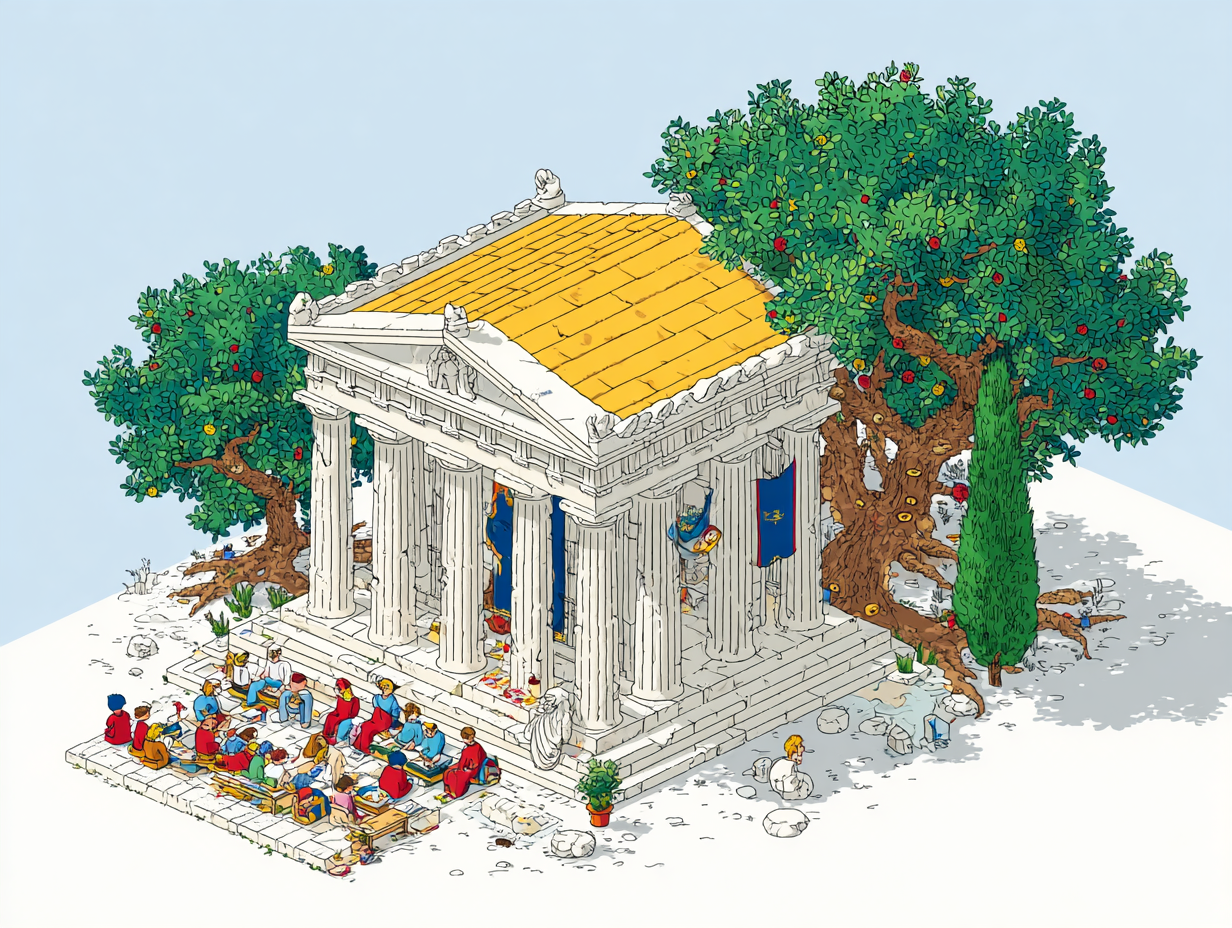
    In ancient India, there was the Gurukul system, a residential education model where a student (shishya) would live with and learn from a teacher (guru). It was deeply personalized, spiritual, and character-based.

    Similarly, ancient Greece had the Socratic method—dialogue-based, mentor-driven learning. These systems focused on small groups, often just 5 to 10 students, and were centered on tailored learning experiences.

    But such personalized education came at a price. Only the elite could access it. The masses were left behind.

    With the rise of industrialization, education systems had to scale—and in doing so, they lost the personal touch.. One teacher for 40 students. Standardized tests. Fixed curricula. Students now go through conveyor-belt style learning, regardless of their interests, pace, or understanding.

    How AI Can Bring Back Personalized Learning at Scale

    AI in education for high school students isn’t about replacing teachers—it’s about augmenting their ability to reach every student where they are.

    Here’s how AI is making an impact:

    1. Adaptive Learning Platforms

    AI systems like Knewton and Squirrel AI personalize the learning journey for each student. They analyze how a student interacts with material and adjust the difficulty, pace, and style accordingly. Imagine learning math with a tutor who knows exactly when you’re struggling and jumps in with extra help—without you even having to ask.

    2. Automating Repetitive Tasks for Educators

    Grading assignments, tracking attendance, preparing lesson plans—AI can automate these time-consuming tasks. For example, tools like Gradescope (used in many universities) use machine learning to grade handwritten answers. This gives educators more time to connect with students emotionally and intellectually.

    3. Early Intervention with Predictive Analytics

    AI can analyze patterns in student behavior to detect who might be falling behind—way before the final exam reveals it. Platforms like DreamBox and AltSchool use real-time data to suggest interventions. Teachers can then reach out early and offer help.

    4. Language Support & Accessibility

    Students learning a second language or with learning disabilities benefit massively from AI. Tools like Speechify, Grammarly, or AI tutors like Duolingo’s GPT-powered chatbot offer real-time feedback and assistance in a way that’s tailored, non-judgmental, and always available.

    5. Virtual Mentorship at Scale

    Mentors have always been central to deep learning—but there are never enough of them. AI can act as a bridge. At BetterMind Labs, for instance, students are guided by mentors, and they also use AI models to learn coding, test projects, and explore data. With a combination of real mentors and AI-powered learning aids, students get the best of both worlds.

    The Emotional Element: Can AI Teach with Empathy?

    Many argue that education requires emotion, empathy, and understanding—things AI can’t replicate. True, but AI is not meant to replace these qualities. It’s meant to remove the heaps of admin, repetition, and inefficiency that burn out educators and make them less available to their students.

    It’s also important to note that students today relate to technology emotionally. From talking to AI chatbots to learning via immersive simulations, technology itself has become an emotional tool.

    AI allows educators to focus on what they do best: inspiring, listening, and guiding students.

    Real-World Use Cases of AI in Education

    • Carnegie Learning: An AI-based math platform that adapts to each student’s understanding level.

    • Content Technologies, Inc.: They use AI to create customizable textbooks for different student needs.

    • Querium: Uses AI to help students master STEM skills by giving step-by-step guidance on solving problems.

    These companies are backed by millions in funding—and for good reason. They’re solving real education gaps with real technology.

    What High School Students Can Do

    You don’t have to wait for universities or companies to use AI in education. High school students can start now.

    Projects You Can Build as a Student

    1. AI-Powered Class Schedule Optimizer: Help schools and students automatically schedule. based on energy levels, interests, or commute times.

    2. Homework Assistant Chatbot: An AI tutor that explains math problems or history concepts.

    3. Emotion Detection in Online Classes: Use computer vision to detect student attention or engagement via webcams (with permission).

    Student Spotlight: Concept‑Map Generator for Smarter Studying

    When one of our students from a small school in North Carolina struggled to retain complex science concepts during exam prep, he didn’t turn to flashcards or YouTube summaries. Instead, he built something extraordinary.

    “I realized I was good at remembering stories, not disjointed facts,” he said. “So I wondered—what if my textbook could tell me how ideas are connected, like a map?”

    This thought led him to build an AI-powered Concept‑Map Generator—a tool that reads large chunks of text from a textbook or article and visually displays how the ideas are related.

    Using natural language processing (NLP), the tool extracts key terms from the content. Then it calculates how often these concepts appear together to determine their relationship strength, drawing a concept graph with edge weights based on co‑occurrence.

    The result? A way to turn static content into dynamic visual learning tools—especially useful for visual learners, students with ADHD, or those preparing for finals under pressure.

    His classmates began using it. His teacher shared it with two other schools. The project wasn’t just a great portfolio addition—it was a tool that solved a problem for many.

    This is the kind of project that BetterMind Labs helps students build—not just flashy demos, but passion-driven tools with real-world relevance.

    Why This Matters for T20 Colleges

    Top universities aren’t looking for the same cookie-cutter projects. They want proof of innovation. A project that improves learning for even 10 people is more valuable than 100 LeetCode problems.

    Our AI/ML summer program helps students:

    • Identify problems that matter

    • Learn the tools to solve them

    • Create projects that reflect their values and curiosity

    And all of it is guided by real mentors—not tutorials.

    Conclusion: The Future of Education is Personal—and Powered by AI

    Education is not about standardization anymore. It’s about personalization at scale, and AI is the only technology that can make that possible.

    If you’re a student who believes in meaningful learning, in solving problems, and in changing how the system works—not just for yourself but for others—then AI is your toolkit.

    Applications for BetterMind Labs’ High School AI Internship are open. Let’s build the next big thing in education, together.

    AI in Education for High School Students isn’t the future. It’s the now. Are you ready to be part of it?


    Relevant Links