Tag: AI + Healthcare

  • Top Medical Internships for High School Students (2025): A Mentor’s Guide for Parents & Teens

    Introduction:

    If your teen lights up when they talk about biology, brains, or bio-tech, you’re probably asking the same question I hear from families every week:

    How can a high school student get meaningful experience in healthcare—before college?
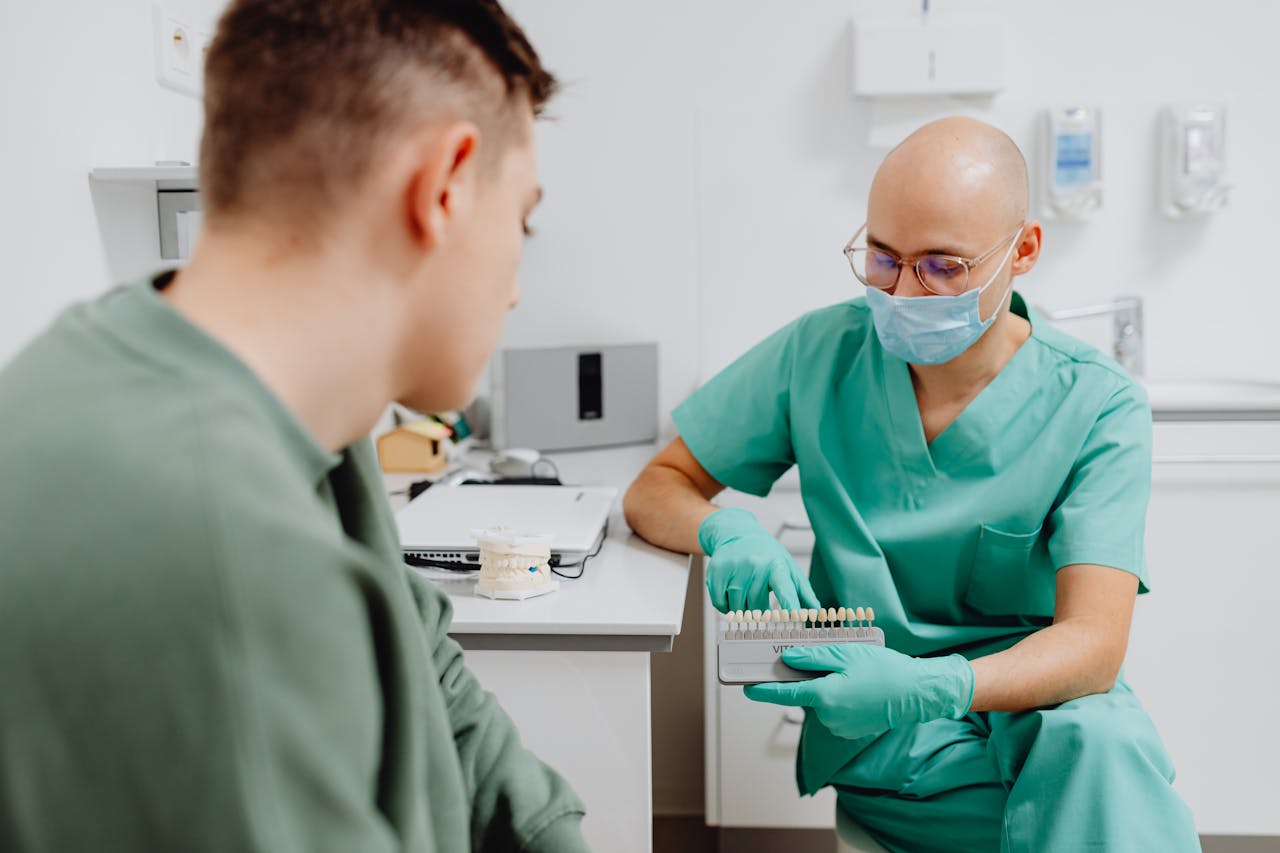
    The short answer: medical internships. Done right, the experience can be equal parts reality check, confidence booster, and a serious admissions edge.

    In this guide, I’ll walk you through the best medical internships for high schoolers in the USA, how they differ (research vs. clinical vs. AI), who they’re for, what they cost, and how to apply with a strategy that actually works. I’ll also show how students are using AI in healthcare including projects like skin-care detection and protein folding prediction, to stand out on applications and build real skills for the future.

    Many of the programs and facts below come from a curated research PDF; I’ve hyperlinked each program directly so you can click and verify details as you go.

    What “counts” as a medical internship in high school?

    Not all experiences look the same—and that’s okay. Most opportunities break into three buckets:

    1) Hospital-based volunteering (patient-facing foundations)

    Examples include children’s hospitals and community health systems where teens (often 15–16+) help with hospitality, patient escort, or unit support.

    • Children’s National Hospital Summer Volunteer Program (DC) — age 15+, structured 6-week program with guest speakers and group projects. Learn more.

    • UCLA Health Volunteen (Los Angeles) — minimum age 16; vaccinations and other requirements apply. Program page.

    • Valley Health System High School Volunteers (NJ) — minimum age 15; no shadowing for high-schoolers, summer 2025 applications reported as closed. Details here.

    2) Research-focused internships (lab exposure & mentorship)

    These put students alongside scientists in labs—ideal for teens who love biology, chemistry, and problem-solving. Competitive? Yes. Worth it? Absolutely. Highlights include:
    • NIH High School Summer Internship Program (SIP) — nationwide NIH campuses; historically 8+ weeks with stipend; note: the 2025 cohort is listed as canceled in our source PDF. Program page.

    • Stanford Institutes of Medicine Summer Research Program (SIMR) — advanced lab work with areas like cancer biology and immunology (often referenced within curated internship roundups). See overview via this roundup on Ladder Internships: SIMR + other top programs.

    • BetterMind Labs Healthcare Research Program — 4–8 weeks, online, small cohorts (<10), grades 8–12, no prior coding required and industry-recognized certification + recommendation letters from healthcare professionals.

    • Fred Hutch Cancer Center (SHIP) — Seattle-based, 8 weeks, hands-on lab immersion; see program context and stipend ranges in this CollegeVine guide: Medical Internships for High School Students.

    • Harvard Medical School’s Project Success — lab placement + mentorship for underrepresented/disadvantaged students. Summary info here: Harvard Project Success (overview).

    3) AI + healthcare programs (data, coding, and clinical impact)
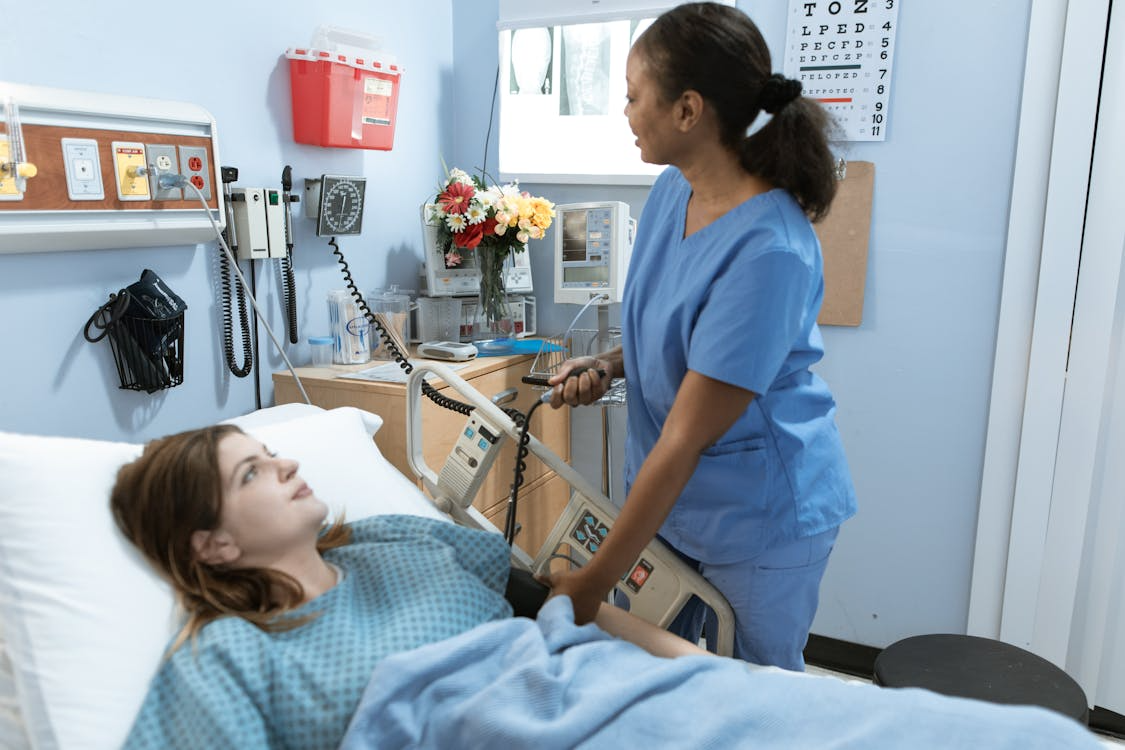
    The fastest-growing category blends machine learning with real medical problems (diagnostics, triage, mental health, drug discovery). This is where many students create portfolio-ready work and fresh angles for their college essays. A standout option from our research set is BetterMind Labs’ AI/ML Program:

    • BetterMind Labs AI/ML (Healthcare) Program — 4–8 weeks, online, small cohorts (<10), grades 8–12, no prior coding required and industry-recognized certification + recommendation letters from healthcare professionals.

    Past work includes antibiotic ranking models, mental health check-in bots, and medical data analysis; we also mentor projects like skin-care detection and protein-folding prediction. Explore the program page and student projects: Program overview and Student AI projects in healthcare.

    Mentor note: If your teen is earlier in high school (freshman/sophomore), start with local volunteering or an online AI-healthcare project to build momentum; then target the big research programs junior year.

    At-a-glance: programs, eligibility, and focus

    Below is a quick snapshot to help parents and students compare. (Click any program name for details.)

    Program

    Type

    Duration

    Eligibility

    Focus / Link

    BetterMind Labs AI/ML

    AI + Healthcare

    4–8 weeks

    Grades 8–12

    Program • Student projects

    Harvard Project Success

    Research + Mentorship

    6 weeks

    Underrepresented/disadvantaged

    Overview

    Children’s National

    Hospital Volunteering

    6 weeks

    Age 15+

    Program page

    NIH SIP

    Research

    8+ weeks

    HS juniors/seniors

    NIH SIP

    Stanford SIMR

    Research

    ~8 weeks

    Typically 16+, juniors/seniors

    SIMR roundup

    Fred Hutch SHIP

    Research

    8 weeks

    Rising 12th graders

    Fred Hutch in CollegeVine guide

    Ladder Internships (Healthcare)

    Virtual Internship

    8–16 weeks

    HS students

    Ladder healthcare

    Scripps Research

    Research

    ~10 weeks

    Advanced HS

    Program page

    Valley Health (NJ)

    Hospital Volunteering

    Varies

    Age 15+

    Program page

    UCLA Volunteening

    Hospital Volunteering

    Varies

    Age 16+

    Program page

    The AI advantage: how teens are doing real healthcare work (and writing better essays)

    Families often ask, “Is AI really for high schoolers?” Absolutely—when it’s guided and ethical. In our BetterMind Labs cohorts, students build projects that connect directly to healthcare problems and college-level research thinking:

    • Skin-care detection — students collect ethically sourced images (or medically validated datasets), annotate them, and train classification models to flag suspicious lesions. In essays, they reflect on model limitations, bias, and the importance of clinical validation—showing maturity beyond “I did a Kaggle project.”

    • Protein folding prediction — students learn how sequence data and structural biology inform drug discovery. Even simplified pipelines (feature engineering, embeddings, lightweight models) help teens show genuine domain curiosity and computational thinking.

    • Antibiotic ranking and mental health check-ins — projects using real-world data or privacy-first conversational bots to increase access or efficiency. See past student highlights here: AI projects by high school students.

    Why colleges care: Portfolios like these demonstrate initiative, technical depth, and ethical awareness—and they complement (not replace) hospital volunteering or research programs. If your teen wants both clinical empathy and computational skill, this route is gold. Learn about the structure, cohorts, and certification here: BetterMind Labs AI/ML Program.

    Application strategy: how to maximize your teen’s chances

    Here’s exactly how I advise my juniors:

    Start early (really early)

    Many sought-after programs finalize by February–March. That means drafting your list in November–December, requesting recommendations in January, and polishing essays before sports/tests spike. This timeline is echoed across multiple program roundups in our research set.

    Build a layered profile

    Admissions teams want evidence of sustained interest—not just a one-off camp. Strong combinations include:

    • Local hospital volunteering (schedule consistency matters) — find roles with Children’s National, UCLA Volunteen, or your nearest community health system. Children’s National • UCLA Volunteen • Valley Health (NJ).

    • One research program (stretch) — NIH SIP (when offered), Fred Hutch SHIP, or Stanford SIMR via competitive application. NIH SIP • Fred Hutch context • SIMR roundup.

    • One AI-healthcare project — ideally mentored, producing a portfolio + reflection on ethics, limitations, and next steps; consider BetterMind Labs.

    Essays that land (parents can help here)

    Prompt your teen to answer:

    1. Why medicine, specifically? (A real story > generic altruism.)

    2. What have you done that shows commitment? (Volunteering hours, AI project outcomes, lab notebooks.)

    3. What will you learn next? (Show curiosity and a growth plan.)

    Where to look for additional ideas

    Key selection factors (choose like an admissions reader)

    When comparing programs, I suggest families look at:

    1. Learning outcomes — Will your teen gain real skills (wet-lab techniques, data analysis, patient interaction, responsible AI)?

    2. Mentorship & cohort size — Small cohorts and direct feedback beat massive lecture-style programs. (BetterMind Labs runs <10 per cohort to guarantee mentorship.) See details.

    3. Deliverables — Posters, code repositories, reflections, and recommendation letters carry forward to college apps. (Our program includes industry-recognized certification and letters from healthcare professionals.) Program overview.

    4. Time & fit — Align with sports, APs, and family schedules. (Many options offer online or hybrid formats, such as Ladder’s fully virtual placements.) Explore options.

    5. Cost vs. value — Balance free/paid choices. Remember: hospital volunteering is free and impactful, while mentored AI/research programs often charge because of 1:1 guidance and specialized faculty.

    Quick comparison: Research vs. Hospital vs. AI-healthcare

    Dimension

    Research Internship

    Hospital Volunteering

    AI + Healthcare Project

    Primary gain

    Lab skills, scientific method

    Patient exposure, teamwork, empathy

    Data/ML skills, healthcare impact

    Time frame

    6–10 weeks summer

    Ongoing (semester/summer)

    4–8 weeks (mentored)

    Cost

    Usually free / paid

    Free

    Often paid (for mentorship)

    Deliverables

    Poster, lab notebook, mentor letter

    Service hours, supervisor letter

    Code repo, model evals, certification, mentor letter

    Great for

    Science-first students

    Clinically curious students

    Tech-curious students who love medicine

    (Examples hyperlinked above: BetterMind Labs, NIH SIP, Fred Hutch, Stanford SIMR; Children’s National, UCLA; , Ladder, Lumiere.)

    What parents and students ask me most

    Q1: Do I need prior research or coding experience?

    No. Many programs teach from the ground up—especially hospital volunteering and mentored AI programs. BetterMind Labs, for example, welcomes grades 8–12 with no prior coding required and builds skills step-by-step. Program details.

    Q2: Are paid internships “worth it”?
    If the program provides real mentorship, small cohorts, clear deliverables, and letters, the ROI can be strong—particularly for AI-healthcare where expert guidance accelerates learning. Balance these with free clinical volunteering for empathy and service. (See Ladder for virtual placements and Children’s National/UCLA for free volunteering.) Ladder • Children’s National • UCLA Volunteen.

    Q3: Can high schoolers “shadow” doctors?

    Many hospitals limit or prohibit shadowing for minors (e.g., Valley Health explicitly states no shadowing for HS students). Expect roles in support services rather than clinical decision-making. Valley Health HS Volunteers.

    Q4: What about NIH this year?

    Our source indicates NIH SIP 2025 is canceled—so target other research programs or virtual AI-healthcare options this cycle. NIH SIP page.

    Conclusion: A clear path forward (and a nudge)
    If your teen is serious about medicine, the best plan blends clinical exposure, research depth, and modern AI-healthcare skills:

    1. Pick 1–2 hospital programs for steady patient-facing experience — e.g., Children’s National, UCLA Volunteen, or your local system.

    2. Apply to 2–3 research internships (stretch + match) — e.g., SIMR, Fred Hutch SHIP (see roundups via Ladder and CollegeVine). Ladder guide • CollegeVine guide.

    3. Build an AI-healthcare capstone with mentorship and tangible outputs (code, poster, letter)—great for essays and interviews. If your teen wants to try skin-care detection or protein folding prediction, our BetterMind Labs AI/ML Program is designed exactly for that.
  • 25 Unique Science Fair Ideas for High School Students

    Introduction

    What if your science fair project could do more than just impress the judges? What if it could tackle climate change, save lives, or shape the future of technology?

    Most students pick projects they’ve seen a hundred times before. But you don’t have to. Imagine creating something so bold and original that it makes people stop, think, and ask, “How did you come up with that?”

    This guide is about 25 science fair project ideas that go beyond the ordinary, turning your curiosity into hands-on experiments that solve problems, spark conversations, and maybe even change lives.

    Think about it: what if your project explored cleaning up plastic from oceans, designing a tiny device to make renewable energy more accessible, or using AI to predict disease spread? These aren’t just school projects, they’re the kinds of ideas scientists and innovators are working on right now.

    Across biology, chemistry, engineering, environmental science, and computer science, these 25 ideas connect to real-world challenges like climate change, health innovations, and technology shaping our future.

    Table of Contents

    • Section 1: Introduction

    • Section 2: Biology and Life Sciences Projects

    • Section 3: Chemistry and Materials Science

    • Section 4: Physics & Engineering

    • Section 5: Environmental Science

    • Section 6: Technology and Computer Science

    • Section 7: Tips for Choosing and Excelling in Your Project

    • Section 8: FAQs

    • Section 9: Conclusion

    Biology and Life Sciences Projects

    1. DNA Extraction from Different Fruits

    Learn how to isolate DNA using everyday fruits like strawberries, bananas, and kiwis. Then compare which fruit gives the highest yield and explore why cell structure matters. This is a classic yet fascinating project because it lets you see genetic material with your own eyes.Try a step-by-step tutorial from Home Science Tools to get started.

    2. Antibiotic Resistance in Bacteria

    Antibiotic resistance is one of the biggest health concerns today. In this project, you can safely test the effectiveness of different antibiotics on harmless bacteria and observe how resistance may develop.

    Judges love projects that connect to real medical issues.

    3. Plant Growth Under Different Light Spectrums

    Set up an experiment to test how red, blue, and white LED lights affect plant growth. With vertical farming and hydroponics becoming more popular, this project ties directly to sustainable agriculture.

    4. Biodegradable Plastic from Organic Materials

    Plastic waste is everywhere. Imagine creating eco-friendly alternatives using cornstarch, banana peels, or potato starch. Then, test durability, decomposition rate, and environmental impact.

    Check out ideas from Science Sparks for inspiration.

    5. Mycorrhizal Networks in Plant Communication

    Did you know plants can “talk” underground using fungi networks? This project explores how plants share nutrients and respond to stress through fungal connections—a cutting-edge area of biology.

    Chemistry and Materials Science

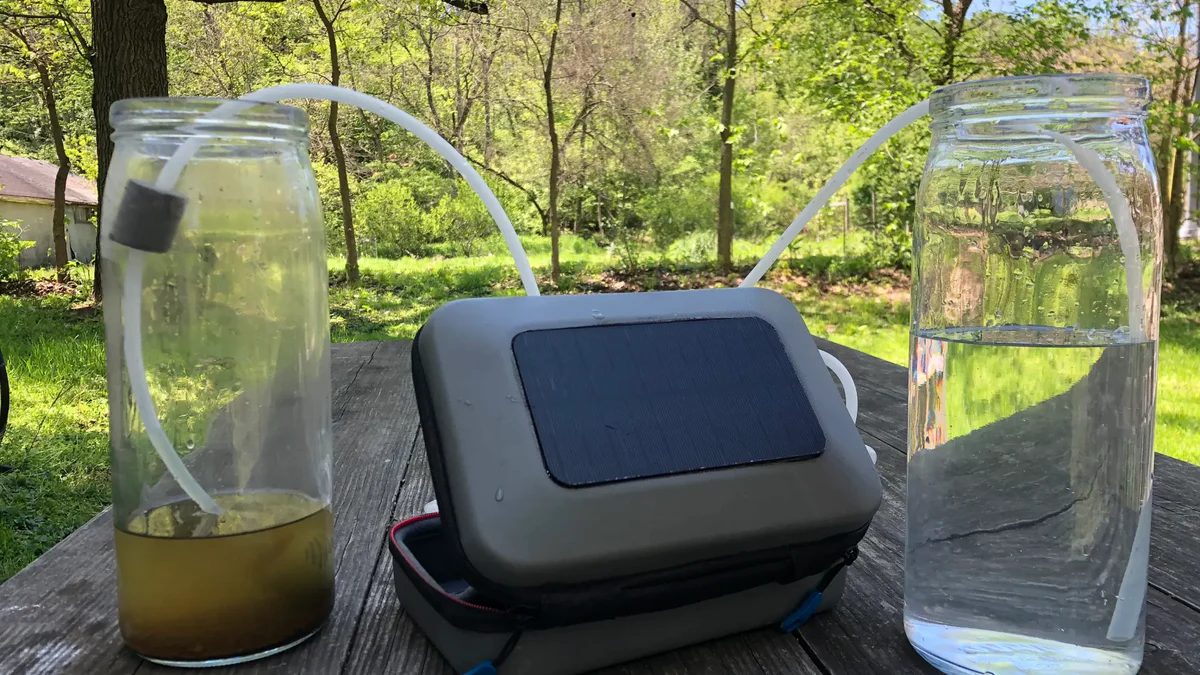
    6. Solar-Powered Water Purification System

    Design a device that uses solar energy to clean contaminated water. Compare different filtration materials and measure purification efficiency.

    A fantastic project if you want to tackle global water scarcity.

    7. Smart Materials That Respond to Temperature

    Experiment with thermochromic compounds or shape-memory alloys that change color or shape with temperature. This area has applications in smart textiles and medical devices.

    8. Natural Dyes from Food Waste

    Extract natural dyes from vegetable peels or fruit skins. Test how long the colors last and whether they change under different pH levels. This could even link to eco-friendly fashion trends.

    9. Crystal Growth in Microgravity Simulation

    Simulate low-gravity conditions (by suspending crystals in gel) and compare them to normal crystal growth. NASA and other agencies often study this for space exploration research.

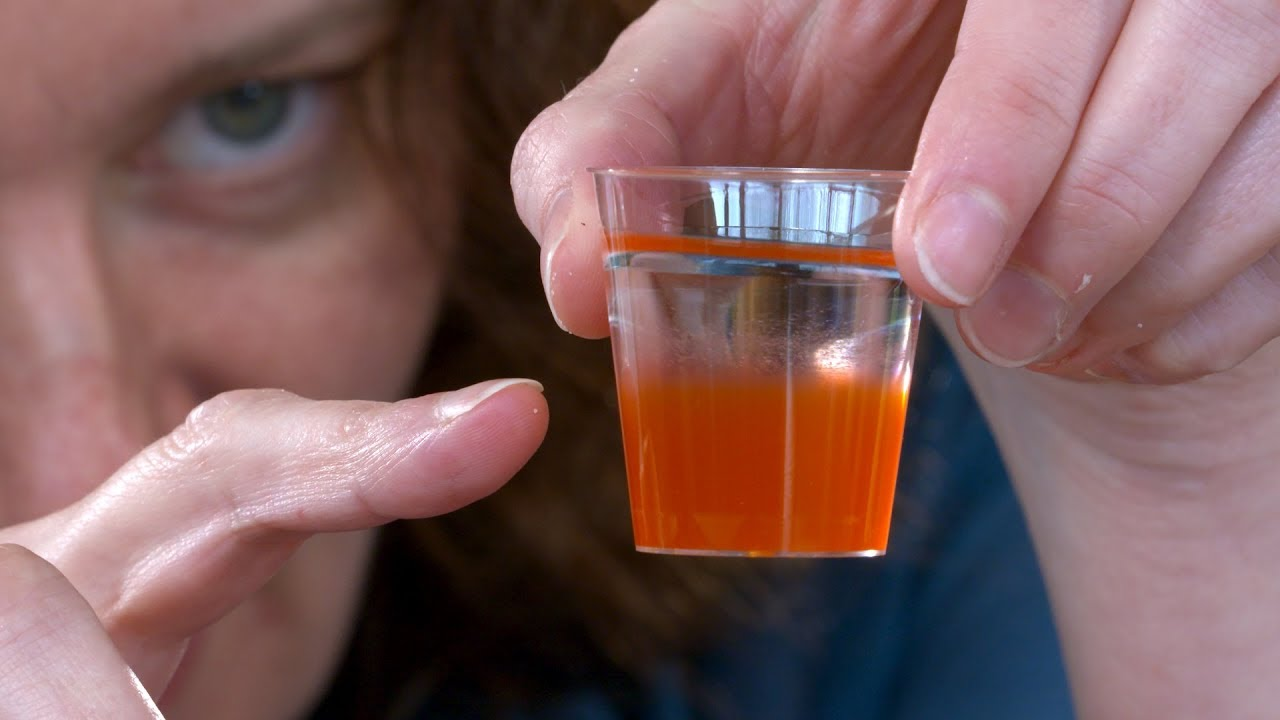
    10. Enzyme Activity at Different pH Levels

    Using enzymes from pineapple or laundry detergent, test how pH impacts their function. This project bridges classroom biochemistry with real-world applications in food science and medicine.

    Physics and Engineering

    11. Earthquake-Resistant Building Design

    Build and test model structures on a shake table to see which designs survive best. With earthquakes still threatening cities worldwide, this project has huge real-world impact.

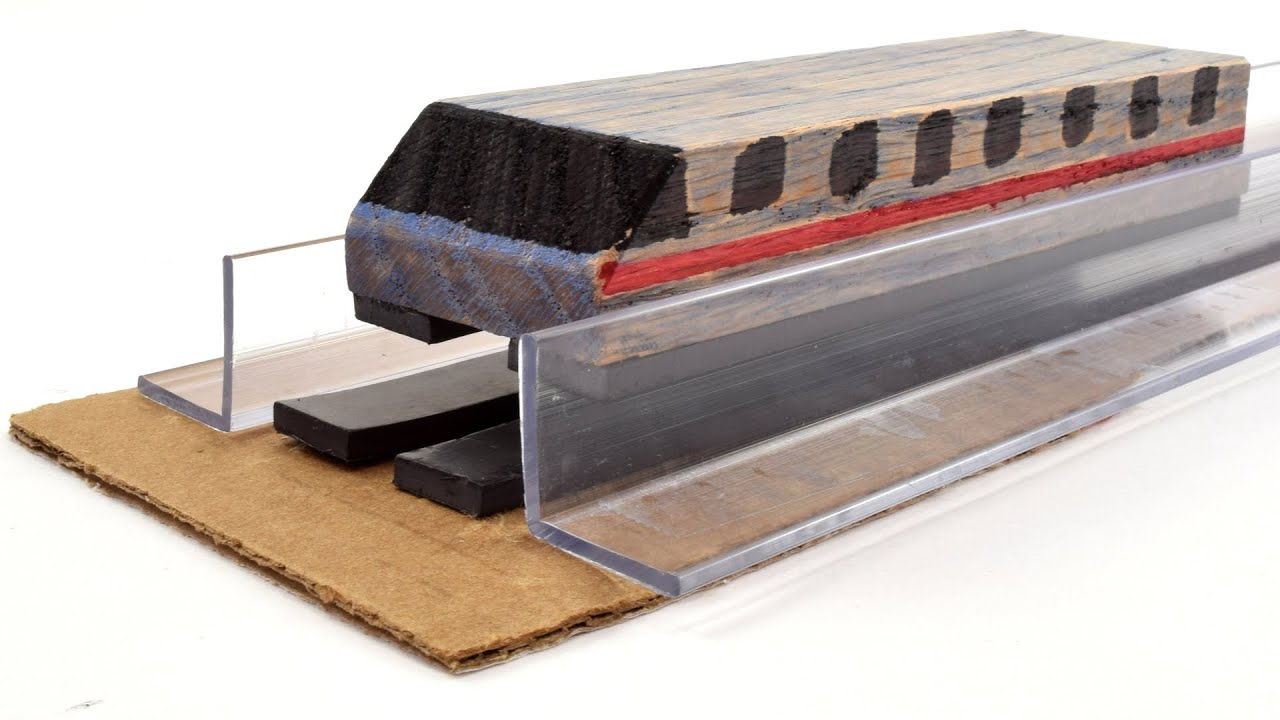
    12. Magnetic Levitation Transportation Model

    Maglev trains are the future of transportation. Create a small-scale model using magnets and explore how track design affects speed and stability.

    13. Acoustic Levitation Device

    Using sound waves to make small objects float might sound like sci-fi—but it’s real physics. You’ll study how frequency and amplitude affect levitation.

    14. Wind Turbine Blade Optimization

    Design blades of different shapes and test which produces the most electricity. With the world shifting to renewables, this is a timely and relevant project.

    15. Smart Traffic Light System

    Use sensors and coding to design a traffic light that adjusts based on real traffic flow. It’s a fantastic way to combine physics, coding, and urban planning.

    Environmental Science

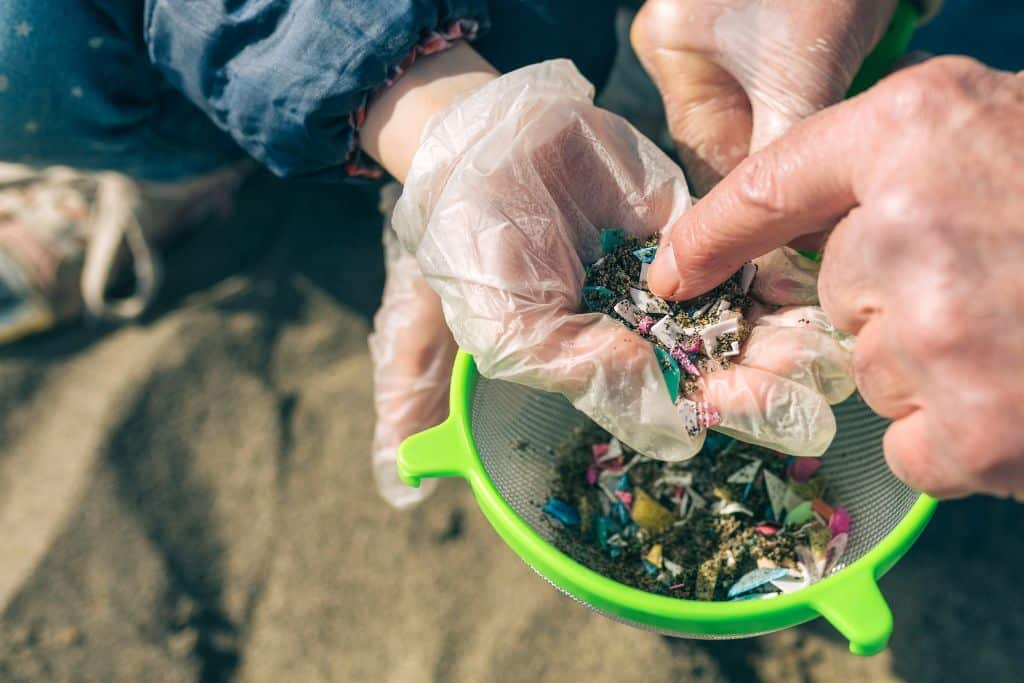
    16. Microplastics in Local Water Sources

    Collect water samples from rivers, lakes, or even tap water. Use filtration and a microscope to detect microplastics. This project makes you part of the growing conversation about plastic pollution.

    See related guides at Science Buddies.

    17. Air Quality Monitoring Network

    Build inexpensive sensors to track pollution levels around your community. Then map the data and look for patterns. You’ll learn about electronics, coding, and environmental studies all at once.

    18. Carbon Footprint of Different Transportation Methods

    Compare cars, buses, trains, and bikes. Look at emissions, fuel use, and even the environmental cost of making vehicles. A simple yet powerful project to highlight climate-friendly transportation.

    Transportation Method

    Avg. CO₂ Emission (per passenger-km)

    Eco-Friendliness Rating

    Car (single passenger)

    High

    Poor

    Bus

    Medium

    Better

    Train

    Low

    Great

    Bicycle

    Zero

    Best Choice

    19. Phytoremediation of Contaminated Soil

    Test plants’ ability to remove heavy metals or toxins from soil. It’s both an advanced biology project and a practical environmental solution.

    20. Urban Heat Island Effect Mitigation

    Study how green roofs, reflective coatings, or different pavements affect local temperatures. Cities worldwide are testing these ideas to combat extreme heat.

    Technology and Computer Science

    21. AI-Powered Disease Diagnosis

    Train an algorithm to recognize plant diseases from photos and compare its accuracy to expert diagnoses. This project doesn’t just showcase coding—it’s about applying machine learning for good by protecting food supplies and supporting sustainable farming.

    If you’re new to AI but curious about building impactful projects, programs like BetterMind Labs offer hands-on AI/ML training for high school students.

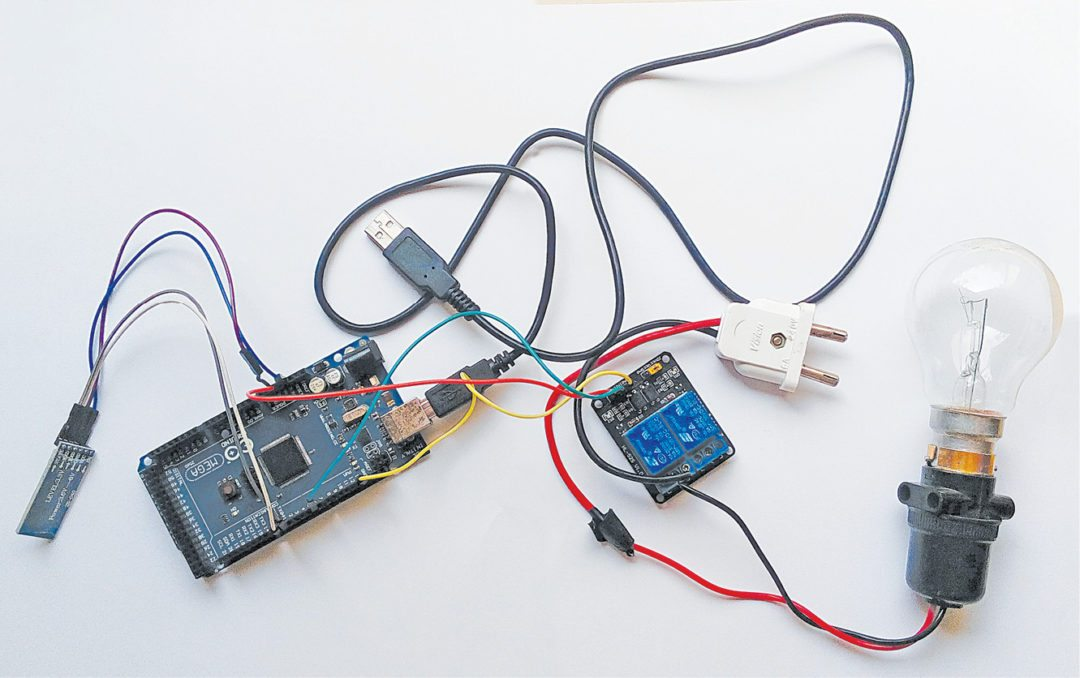
    22. Voice-Controlled Home Automation

    Build a mini “smart home” system with voice commands for lights, temperature, or security. It’s a fun introduction to IoT (Internet of Things).

    23. Gesture Recognition for Accessibility

    Create a program or device that translates hand gestures into commands, helping people with mobility challenges.

    24. Blockchain for Food Safety Tracking

    Use blockchain to trace food from farm to table. Show how this prevents contamination and reduces waste.

    25. Virtual Reality for STEM Education

    Design a VR experience that explains a scientific concept (like the solar system or molecular structures). Test whether students learn better in VR than with textbooks.


    Tips for Choosing and Excelling in Your Project

    Before you rush off to the lab or garage, here are a few mentor-style tips to set you up for success:

    • Choose your passion: Pick something you genuinely care about, you’ll spend weeks on it.

    • Start early: Great projects require planning, data collection, and analysis. Begin months ahead.

    • Think real-world: Judges love when projects connect to issues like climate change, health, or technology.

    • Stay safe: Always follow safety rules, especially when working with chemicals, electricity, or living organisms.

    • Document everything: Take photos, keep a lab notebook, and record results carefully.

    • Ask for guidance: Don’t hesitate to ask teachers, parents, or even local professionals for help.

    FAQs

    What is the best science fair project for high school students?

    The best science fair project is one that combines personal interest with a real-world problem. Projects involving artificial intelligence, renewable energy, environmental science, healthcare, or engineering often stand out because they demonstrate creativity, technical skill, and practical impact beyond the classroom.

    How do I choose a science fair project topic?

    Start by identifying a subject you genuinely enjoy exploring. Then look for current challenges in areas such as climate change, healthcare, technology, or sustainability. Projects connected to real-world issues often feel more meaningful and provide stronger opportunities for research, experimentation, and innovation.

    Are AI-based science fair projects good for competitions?

    Yes. AI-based projects are increasingly popular because they demonstrate advanced problem-solving, data analysis, and technical skills. Projects such as disease detection, traffic optimization, computer vision, or predictive analytics often attract attention because they apply emerging technology to practical challenges.

    Can science fair projects help with college admissions?

    Absolutely. Meaningful science fair projects demonstrate intellectual curiosity, initiative, and sustained commitment to learning. Research-driven or technology-focused projects can become valuable portfolio pieces that help students showcase their interests and accomplishments during college admissions and scholarship applications.

    How can I make my science fair project stand out?

    Focus on originality, strong experimental design, and real-world relevance. Judges often appreciate projects that address current scientific or societal challenges. Thorough documentation, clear data analysis, and the ability to explain why your project matters can significantly improve overall presentation quality.

    What skills can students develop through science fair projects?

    Science fair projects help students strengthen research, critical thinking, data analysis, communication, and problem-solving abilities. More advanced projects can also introduce programming, engineering design, artificial intelligence, and scientific methodology, creating valuable experience that extends well beyond a single competition.

    Conclusion: The Science Fair as a Launchpad

    Science fairs aren’t just about ribbons or trophies they’re a chance to explore, innovate, and maybe even create solutions that matter to the world. Whether you’re building a solar-powered water purifier, designing earthquake-proof buildings, or training AI to detect plant disease, every project is a small step toward making a difference.

    So pick one of these ideas, dive in with curiosity, and remember: the real “win” is discovering how powerful your own creativity and problem-solving skills can be.

    Mentorship can significantly improve the quality of a science fair project by helping students refine ideas, design stronger experiments, and analyze results more effectively. Experienced mentors provide guidance, technical expertise, and feedback that help students avoid common mistakes and think more like researchers.

    Beyond the competition, mentorship also develops critical thinking, problem-solving, and communication skills that are valuable for college and future STEM careers.

    Suggested read, How Mentors at BetterMind Labs Help Students Build Ivy League Projects

  • AI and Machine Learning in Drug Discovery: A Beginner’s Guide

    Why This Topic Matters to You

    Imagine if discovering a life-saving drug didn’t take 10–15 years but just a few. Imagine if doctors could spot a disease early, even before symptoms show. That’s not science fiction anymore; it’s the world of artificial intelligence (AI) and machine learning (ML) in drug discovery and healthcare. As someone who mentors students curious about science, tech, and medicine, I can tell you this field is exploding with opportunities, and your generation will shape its future.

    In this post, we’ll dive deep into how AI and ML are transforming healthcare and drug discovery. We’ll talk about real-world examples, the challenges researchers face, and how this ties back to your future…

    whether you dream of becoming a doctor, an engineer, or even an entrepreneur.

    Table of Contents

    • Section 1: The Rise of AI in Healthcare and Drug Discovery

    • Section 2: AI in Drug Discovery: Speeding Up the Impossible

    • Section 3: Success Stories: Where AI is Already Winning

    • Section 4: Challenges: It’s Not All Smooth Sailing

    • Section 5: AI in Healthcare: Beyond Drug Discovery

    • Section 6: Student Spotlight: Building a Protein Folding Predictor

    • Section 7: Opportunities for High School Students

    • Section 8: FAQs

    • Section 9: Conclusion

    The Rise of AI in Healthcare and Drug Discovery

    A Market Growing Faster Than Ever

    The AI-driven drug discovery market continues to accelerate in 2026. Recent industry estimates place the market at approximately USD 2.9–4.0 billion in 2026, with forecasts ranging from USD 10–44 billion by the early-to-mid 2030s, reflecting annual growth rates of roughly 25–31%.

    Why such explosive growth? Because AI helps tackle some of medicine’s biggest headaches: high costs, long timelines, and low success rates.

    What Does AI Do in This Space?

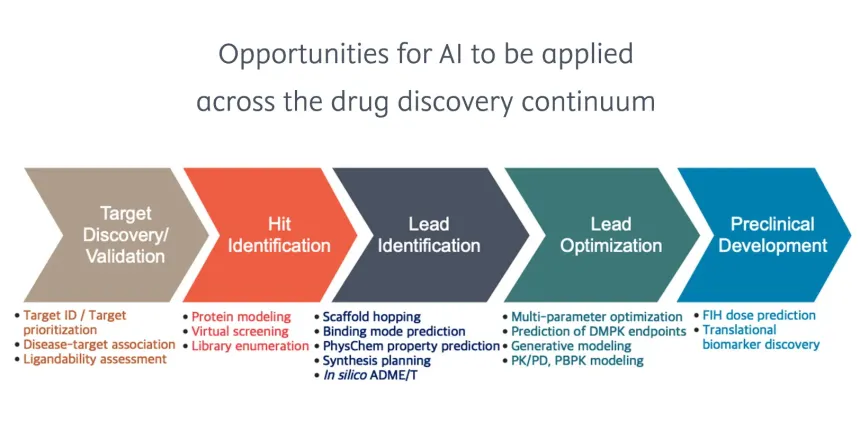
    At its core, AI is like a super-brain that can process huge amounts of data—genetic information, medical images, lab results—much faster than humans. In drug discovery, AI can:

    • Spot potential drug targets like faulty proteins or genes.

    • Design brand-new drug molecules.

    • Screen billions of compounds virtually (without mixing chemicals in a lab).

    • Predict how drugs will behave in the body.

    And in healthcare, AI supports doctors in diagnosing diseases, managing records, and even performing surgery with robotic precision.

    AI in Drug Discovery: Speeding Up the Impossible

    Target Identification and Validation

    Traditional methods to find what causes a disease can take years. AI models can scan genomic and protein data in weeks. For example, companies like BenevolentAI have discovered novel drug targets for diseases that were once thought untreatable (Labiotech).

    Molecular Design and Optimization

    AI isn’t just finding targets—it’s designing drugs. Insilico Medicine used its AI platform to create a preclinical drug candidate for lung disease in 18 months for just $2.6 million—a fraction of traditional R&D costs (Drug Patent Watch).

    Virtual Screening at Scale

    Instead of testing one molecule at a time in a lab, AI-driven platforms like AtomNet from Atomwise can screen over 3 trillion compounds virtually. This saves massive amounts of time and money.

    Protein Structure Prediction

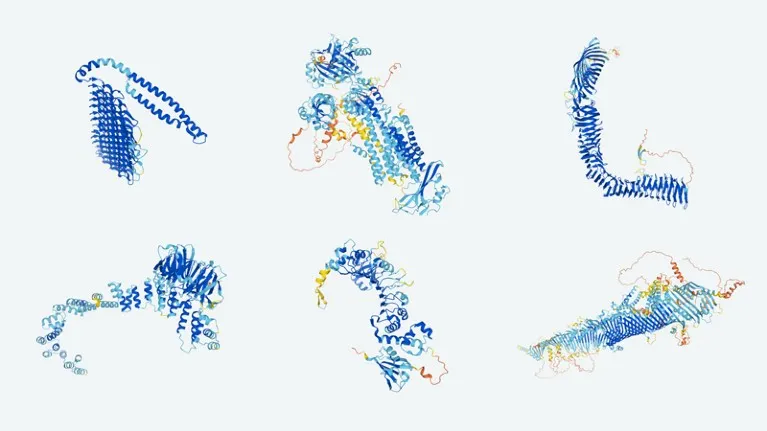
    Understanding proteins is like solving 3D puzzles. DeepMind’s AlphaFold cracked this problem by predicting the structure of nearly all 20,000 human proteins (Midwest Big Data Hub). This breakthrough is revolutionizing drug design.

    Success Stories: Where AI is Already Winning

    • Exscientia reduced drug design timelines by up to 70% and cut costs by 80%.

    • Roche/Genentech is using AI to design cancer vaccines tailored to each patient.

    • BenevolentAI has several drug candidates in clinical trials thanks to AI-driven insights.

    What’s most impressive is the success rates. AI-discovered drugs in Phase I trials succeed 80–90% of the time, compared to 40–65% for traditional drugs (Digital Defynd).

    Challenges: It’s Not All Smooth Sailing

    Even with all this hype, AI in medicine faces hurdles:

    • Data Quality: Models need massive, clean datasets. Many current datasets are biased or incomplete.

    • Interpretability: Doctors need to understand why AI makes certain predictions, but many AI models are black boxes.

    • Complex Biology: Human biology is incredibly messy. AI sometimes struggles with rare diseases or unexpected interactions.

    • Ethical Concerns: How do we ensure patient privacy? What if AI introduces bias in healthcare?

    These challenges mean future scientists (maybe you!) have lots of work to do.

    AI in Healthcare: Beyond Drug Discovery

    Medical Imaging and Diagnostics

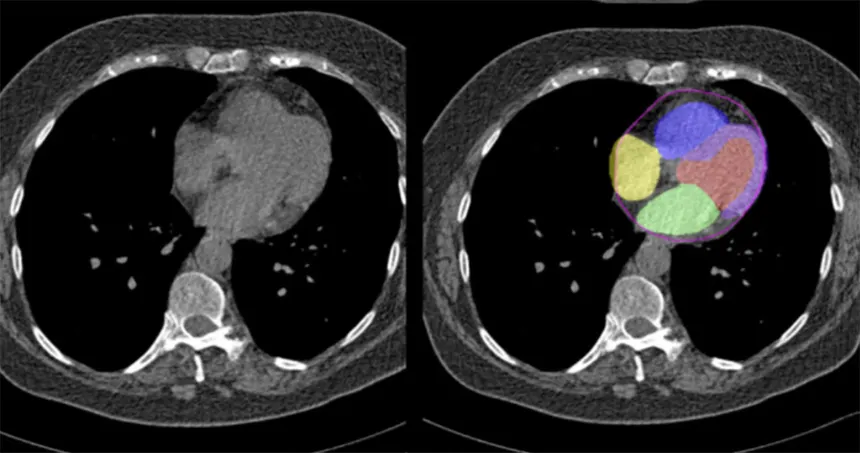
    AI can now read X-rays, CT scans, and MRIs with accuracy that rivals top radiologists. In fact, AI systems have shown 97% accuracy in detecting respiratory viruses like COVID-19 within minutes (RSNA).

    Electronic Health Records (EHRs)

    Doctors spend too much time on paperwork. AI-powered systems like Oracle’s next-gen EHR use natural language processing to organize records, highlight risks, and suggest treatments (Oracle).

    Personalized Medicine

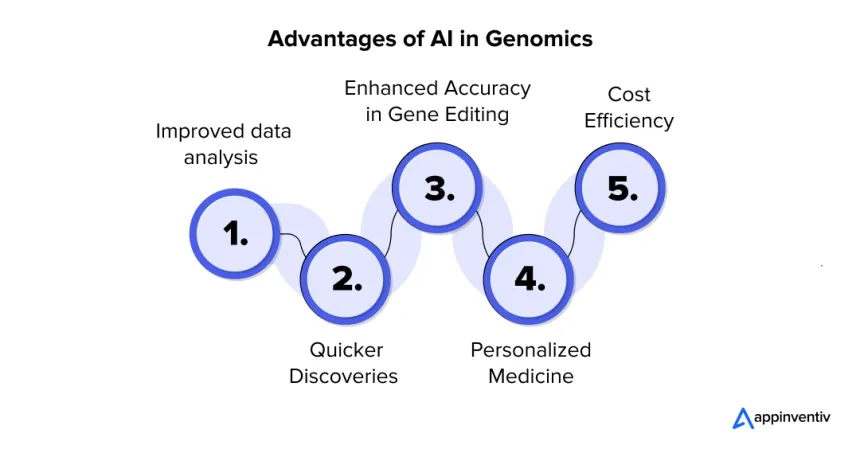
    Thanks to genomics, AI can predict which drugs will work best for specific patients. This is game-changing in cancer treatment, where AI-driven insights guide doctors to design precision therapies (IJRASET).

    Telemedicine and Remote Healthcare

    AI chatbots and remote monitoring tools help patients in rural areas access care. Platforms like Jorie AI provide 24/7 assistance, medication reminders, and symptom checks (Jorie AI).

    Surgical Robotics

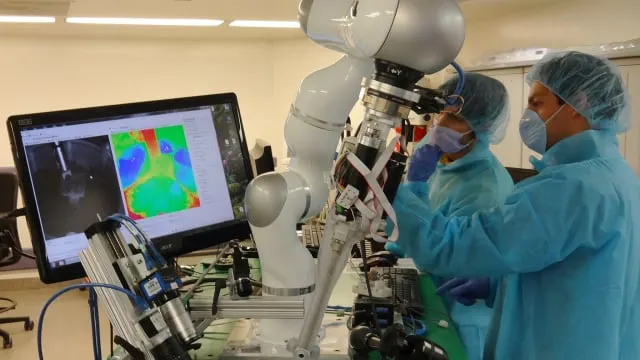
    Robots like STAR (Smart Tissue Autonomous Robot) are performing surgeries with minimal human intervention, guided by AI and real-time imaging (NVIDIA Developer).

    Student Spotlight: Building a Protein Folding Predictor

    One of the most inspiring examples I’ve seen came from a high school student project. A student I mentored was fascinated by protein folding—the process that determines how proteins take their 3D shape. Instead of just reading about it, they built a mini AI predictor using open-source datasets from projects like AlphaFold.

    Their model wasn’t as advanced as DeepMind’s, of course, but it could still predict the folded structure of small proteins with surprising accuracy. What stood out wasn’t just the technical achievement, but the mindset: starting with curiosity, learning Python, studying biology, and applying machine learning to a real-world biomedical challenge.

    This project didn’t just sharpen their coding and biology skills—it also gave them a sense of how powerful AI can be in solving problems that impact human health. For a high school student, that’s an incredible foundation for future research, internships, and college opportunities.

    Table: AI in Drug Discovery vs. Healthcare

    Domain

    AI Applications

    Impact

    Drug Discovery

    Target identification, molecule design, protein prediction

    Faster, cheaper, higher success rates

    Healthcare Delivery

    Imaging, EHR, telemedicine, robotics, personalized medicine

    Better accuracy, access, and efficiency

    Opportunities for High School Students

    Here’s the exciting part: you don’t need to wait until college to explore this field.

    • Learn the Basics: Start with Python, statistics, and biology.

    • Try Projects: Explore open datasets (like protein structures from AlphaFold) and run ML models.

    • Join Competitions: Platforms like Kaggle often host bioinformatics challenges.

    • Look for Mentorship: Programs such as research mentorship labs or summer internships let you work on real-world healthcare AI projects.

    Think of it this way: your generation could design the next AI tool that spots cancer early, creates new medicines, or makes healthcare accessible to everyone.

    FAQs

    Why should a student care about AI in drug discovery? Is it a good career path?

    It is one of the fastest-growing, highest-impact fields in science. Historically, biology and computer science were separate tracks. Today, the future belongs to “Biomedical Data Science.” Choosing this path means your student will be at the forefront of curing diseases like cancer or Alzheimer’s, while entering a massive job market that desperately needs people who understand both coding and medicine.

    Do students need to be a genius at both biology and coding to get started?

    Not at all. Everyone starts by favoring one side first. Some students love biology and learn just enough Python code to analyze data. Others are tech-whizzes who apply their coding skills to medical datasets. As long as a student has an open mind and a solid foundation in basic algebra, they can easily learn how the two fields intersect.

    How does a project in AI drug discovery look to elite college admissions panels?

    It stands out immensely because it shows “interdisciplinary initiative.” Most STEM applicants submit generic projects, like a basic calculator app or a standard biology lab report. Showing that you independently used artificial intelligence to tackle a real-world medical problem proves to top-tier universities that you possess mature, advanced analytical skills.

    Can a high school student actually build a drug discovery project at home?

    Yes, because the most powerful tools in this field are entirely digital. You don’t need a million-dollar wet lab with hazardous chemicals. Using a standard laptop, a student can access free, open-source software (like RDKit) and massive public databases of medical data to run simulations, analyze viral proteins, or predict how molecules interact right from their bedroom.

    Conclusion: Why This Matters for Your Future

    AI and ML in drug discovery and healthcare are not just buzzwords…

    they’re changing how we fight disease and care for patients. For you as high school students, this is more than just a cool tech trend. It’s a career opportunity, a chance to solve real human problems, and maybe even the space where you’ll make your biggest impact.

    AI and ML in healthcare are more than just emerging technologies—they’re reshaping how we diagnose diseases, discover new medicines, and improve patient care.

    For students today, this represents an opportunity to build skills that can make a real difference in people’s lives. Whether you start by learning Python, exploring AI tools, or reading about healthcare innovation, every small step counts.

    The future of healthcare will be shaped by the next generation of thinkers, builders, and problem-solvers. And if you’re interested in seeing how AI is being applied to real-world healthcare challenges, check out BetterMind Labs for a glimpse of what’s possible.

  • AI Passion Projects: The Ultimate Extracurricular for Top College Admissions in 2025

    As you and your teen navigate the increasingly competitive world of college admissions, the question of extracurriculars looms large. For years, the advice was to be “well-rounded”—President of one club, treasurer of another, varsity athlete on a team, and volunteer in the community.

    But in 2025, the game has changed.

    Top colleges are no longer looking for students who do a little bit of everything. They are looking for students who do one thing with exceptional depth, passion, and impact.

    The Big Shift for College Admissions: From “Well-Rounded” to “Spiky”

    Admissions officers today talk about building a “well-rounded class,” not a class of well-rounded students. They want a class composed of unique specialists: a future biologist who has done novel research, a budding filmmaker who has created a documentary, a future policymaker who has tackled a local community issue.

    This is the “spiky” profile: a student who has a clear, demonstrated passion in a specific area. Why is this so valuable? Because it shows:

    • Authenticity: A deep dive into a subject proves genuine interest, not just resume-padding.

    • Initiative: It shows the student can identify a problem and work independently to solve it.

    • Impact: It demonstrates they can create tangible outcomes.

    So, What is the Single Best Extracurricular for Top Colleges in 2025?

    The single most powerful extracurricular for top colleges in 2025 isn’t a club, a sport, or a standard volunteer role.

    It’s the Independent Impact Project.

    An impact project is a student-led endeavor that aims to solve a problem, explore a deep curiosity, or create something new. It’s the ultimate “show, don’t tell” for a college application.

    Why an Independent Passion Project Beats the Standard Extracurricular List

    A passion project moves a student from a participant to a creator. Instead of just joining the coding club, they build an app. Instead of joining the environmental club, they design a sensor to monitor local water quality.

    This approach is powerful because it’s deeply personal and cannot be easily replicated. It gives your teen a unique story to tell—a story of challenge, discovery, and growth. That’s why programs that help students build these projects—like those at BetterMind Labs—focus on mentorship to help turn a spark of an idea into a powerful portfolio piece.

    How Your Teen Can Build a Standout AI Passion Project for Their College Admissions

    Getting started is more about mindset than genius. Here’s a simple framework to help your teen build an extracurricular project that colleges will notice.

    Step 1: Find a Problem, Not Just a Subject

    Encourage your teen to look around them. What problems exist in their community, their school, or in a field they love?

    • Interested in healthcare? The problem could be how to help the elderly remember to take their medication.

    • Interested in finance? The problem might be the spread of financial misinformation online.

    • Interested in biology? It could be the challenge of antibiotic resistance.

    Step 2: Use a Modern Tool to Create a Unique Solution (Like AI)

    This is where your teen can truly stand out. Using a modern tool like Artificial Intelligence shows they are a forward-thinking problem-solver. AI isn’t just for coders; it’s a powerful tool that can be applied to almost any field.

    At BetterMind Labs, we guide students through this exact process, and the results speak for themselves. These are the kinds of impact projects that define a “spiky” profile:

    • Alexei Manuel didn’t just study biology; he used AI to analyze chiral molecules, a project aimed at disrupting biology and creating more effective medicines.

    • Saksham Srivastava tackled one of medicine’s biggest threats by building an AI to fight antibiotic resistance.

    • Ishita Sabbineni addressed a societal problem by creating an AI Medical Misinformation Detector to find false cures and claims online.

    These students didn’t just join a club. They identified a major problem and used high-level skills to build a solution. That is the story top colleges want to hear.

    Step 3: Document the Journey and Share the Story

    The final step is to communicate the project’s impact. This can be a simple website, a detailed blog post, a GitHub repository for code, or even a short video. Documenting the process—the challenges, the failures, and the breakthroughs—is just as important as the final product.

    From Idea to Impact: A BetterMind Labs Alumni’s Story

    Meet Ishita Sabbineni. Like many of her peers, she was concerned about a growing real-world problem: the spread of dangerous medical misinformation online. She saw how fake cures and false claims could harm people and decided she wanted to do something about it.

    This is the perfect starting point for an impactful AI passion project for college admissions. But an idea is different from a plan.

    Through the BetterMind Labs AI ML program, Ishita was able to turn her concern into a concrete project. Working with mentors, she learned the advanced AI skills needed to tackle the problem. The program provided her with the structure and technical guidance

    to design, build, and train a sophisticated AI model.

    The result? An AI Medical Misinformation Detector. It’s a tool designed to analyze online health content and flag false or unsubstantiated claims before they can mislead people.

    This isn’t just a science fair project. It’s a real solution to a pressing societal issue. It’s a story of initiative, technical skill, and a desire to make a positive impact. This is the narrative that cuts through the noise of thousands of applications and makes an admissions officer pause and take notice.

    Ready to help your teen move beyond the checklist and build an extracurricular with real impact?

    Explore the BetterMind Labs AI Internship and discover how a passion project can transform their future.


    Relevant Links

  • From Code to Compassion: How to Write a Tech College Essay for High School Students That Gets You In

    Your teen has spent years building apps, competing in hackathons, and diving deep into the world of AI. They have an impressive list of technical projects. But when it comes time to write their college essay, a common problem emerges: their passion for tech comes across as cold, generic, and, well, robotic.

    They write things like: “I am passionate about technology. I learned Python and built a machine learning model with 92% accuracy.”

    An admissions officer reads that and thinks: “So did 5,000 other applicants.”

    A great tech essay isn’t a list of accomplishments; it’s a story of purpose. It answers the question, “Why do you do what you do?” This guide will show your teen how to tell that story.

    The Biggest Mistake in a Tech College Essay for High School Students

    The most common trap is writing a “project report” instead of a personal statement. Students describe what they built in great technical detail but fail to explain why they built it, what they learned about themselves in the process, and why it matters to them and the world.

    Your teen’s code is not their personality. Their resilience, creativity, and empathy are. The essay is the place to show those qualities, using a tech project as the vehicle for the story.

    The “Problem-Project-Purpose” Framework for a Killer Tech Essay

    To write a compelling narrative, your teen can use a simple three-step framework. This structure ensures their essay is anchored in human experience and future aspirations. Following are the steps to write tech college essay for high school students.

    Step 1: Start with a Human Problem, Not a Technical One

    Every great innovation begins with a human need. Before your teen writes a single word about code, they should write about the problem they wanted to solve. It should be personal, emotional, and relatable.

    • Instead of: “I wanted to build a healthcare app.”

    • Try: “Every time I visited my grandparents, I saw the color-coded pillbox on the kitchen counter. The fear of them missing a dose, of a simple mistake having serious consequences, was always in the back of my mind.”

    This hooks the reader emotionally and sets the stage for a much more meaningful story.

    Step 2: Introduce Your Project as the Answer

    Once the human problem is established, the tech project becomes the solution—the tangible expression of the student’s desire to help. Here, they should describe the project, but focus on the journey, not just the technical specs. What was the biggest challenge? What was the “aha!” moment? What did they learn about failure and persistence?

    From Idea to Impact: A BetterMind Labs Student’s Story

    Let’s look at the story of Aryaman Hegde. Aryaman didn’t start with a passion for algorithms; he started with a passion for his family. The risk of strokes among the elderly, and the critical importance of early detection, was a problem that felt personal to him.

    He saw a gap where technology could serve a deeply human need. But having the idea is one thing; having the skills to execute it is another.

    Through the BetterMind Labs AI ML program, Aryaman found the mentorship and technical foundation to bring his idea to life. He wasn’t just handed a textbook. He was guided through the process of building a complex AI model capable of detecting stroke risk factors in seniors. He learned to work with healthcare data, train a neural network, and, most importantly, how to apply his technical skills to a problem that could one day save someone’s life.

    His project wasn’t just an exercise in coding. It was an act of empathy. He channeled his concern for his loved ones into a powerful, functional tool. That is the story that makes a college essay unforgettable.

    Step 3: Connect it All to Your Future Purpose

    The essay should end by looking forward. How has this experience shaped your teen’s goals? What do they want to study in college, and what bigger problems do they hope to solve in the future?

    • Instead of: “I want to major in Computer Science.”

    • Try: “Building the stroke detector taught me that code is more than just logic; it’s a tool for compassion. At your university, I want to dive deeper into computational biology to build technologies that don’t just solve puzzles, but protect the people we love.”

    This connects their past experiences to their future aspirations, showing the admissions committee a student with a clear and inspiring sense of purpose.

    Ready to help your teen find their purpose and build a project that tells a powerful story?

    Explore the BetterMind Labs AI Internship and discover how they can turn their passion for tech into a compelling college narrative.


    Relevant Links

  • AI in Cancer Detection: How High School Students Are Joining the Fight

    Cancer isn’t new—it’s as old as humanity, maybe even older.

    The earliest evidence of cancer was found in a 1.7-million-year-old hominin fossil in South Africa, which showed signs of osteosarcoma, a form of bone cancer. In ancient Egypt, scrolls revealed mentions of breast tumors, often with grim notes like “no treatment available.”

    Around 400 BCE, Hippocrates, the Greek physician widely regarded as the “Father of Medicine,” described cancer as “karkinos, “ meaning crab. The term was inspired by the appearance of tumors with swollen blood vessels—like a crab’s legs stretching out.

    Why Early Detection Matters So Much

    Cancer isn’t just one disease. It’s a group of diseases that all share one terrifying trait: cells that grow out of control

    Detecting cancer early significantly increases the chances of successful treatment. Today, doctors use a variety of diagnostic tools:

    • Mammograms for breast cancer

    • CT scans and MRIs for tumors

    • Biopsies for cellular analysis

    • Blood tests for cancer markers

    Despite these technologies, even trained professionals can miss signs—especially when symptoms are vague or when multiple scans are required. Human fatigue, oversight, and data overload play a role. Even machines make mistakes due to outdated models or limited training data.

    When life is at stake, these margins of error are simply too big.

    Enter AI: Precision Meets Pattern Recognition

    Artificial Intelligence, particularly Machine Learning (ML) and Deep Learning, is revolutionizing cancer diagnostics. Here’s how:

    • Image Recognition: AI algorithms trained on thousands of medical images can detect minute changes or patterns that the human eye might miss.

    • Predictive Analytics: AI can analyze patient history, genetics, and test results to predict the risk of cancer even before symptoms appear.

    • Pathology Analysis: AI models like Google’s LYNA (Lymph Node Assistant) have shown over 92% accuracy in detecting metastatic breast cancer.

    • Real-time Monitoring: AI tools can flag anomalies instantly during routine check-ups or scans.

    Student Spotlight: AI Cancer Detection Project Built by a High School Student

    One of our BetterMind Labs Alumni – let’s call him Richard, had a close family member who went through a delayed diagnosis for skin cancer. Watching the emotional and physical toll it took, Richard decided to take action.

    With no prior coding experience, Richard joined our AI/ML Summer Program for High School Students. Over 12 weeks, guided by a mentor and using Python, TensorFlow, and public dermatological datasets, he built an AI-powered Skin Cancer Detection Tool.

    Here’s how it works:

    1. Image Upload: A user uploads a clear image of a mole or skin lesion.

    2. Preprocessing: The image is normalized and resized.

    3. Prediction Model: Using a convolutional neural network (CNN), the tool compares the image against labeled datasets like HAM10000.

    4. Diagnosis: The model gives a probability score indicating the risk level (benign vs malignant).

    The tool was shared with his school’s health club and local community center. While it’s not meant to replace doctors, it helped raise awareness, sparked interest in regular screening, and even flagged two suspicious cases that were later diagnosed early.

    Why This Matters

    Cancer has existed for thousands of years, but our ability to fight it is evolving faster than ever—thanks to artificial intelligence. And while we usually associate breakthroughs with labs and PhDs, today, AI cancer detection for high school students is no longer just possible—it’s powerful.

    At BetterMind Labs, we’re not just teaching students how to use AI—we’re helping them solve problems that matter to them. Richard’s story isn’t an outlier. Our mentors provide personalized guidance, helping students build real-world, impactful projects.

    Whether it’s healthcare, education, finance, or climate tech, we believe students learn best when they work on what they care about.

    Conclusion: You Can Be Part of the Cure

    AI in cancer detection is only the beginning. As technology advances, our ability to prevent, detect, and cure life-threatening diseases will grow stronger. And innovation doesn’t just happen in billion-dollar labs, it can just as easily begin with a teenager, a laptop, and the determination to solve a problem close to their heart.

    BetterMind Labs’ AI/ML Internship for High School Students is now accepting applications.

    Ready to build your passion project and make a real-world impact? Let’s get started.

    Apply now. Because the world needs what only you can build.


    Relevant Links

  • Why Passion Projects Can Make or Break Your College Application

    Passion projects are self-initiated and meaningful projects that reflect an individual’s interests. You care deeply about passion projects and pursue them outside of school or work obligations.

    Passion projects are vital for students personally because they allow them to grow in ways that traditional academics or jobs often don’t. Beyond boosting your resume or college app, passion projects have the power to change you from the inside out.

    Table of Contents

    • Section 1: Here’s why they matter on a personal level

    • Section 2: Let’s discuss a few passion projects that have had an impact in real life

    • Section 3: Why They Matter for Top College Admissions

    • Section 4: FAQs

    • Section 5: Conclusion

    Here’s why they matter on a personal level

    1. You Discover Who You Are

    A passion project can help you explore your field of interest. When you are working on something that you are truly interested in and something in which you find meaning, it hits differently.

    1. You feel a sense of ownership

    You do things not because you are assigned to do them but because you care about them. There is a sense of ownership in Passion projects that gives you direction, and it turns idle time into inspired action.

    1. You build confidence

    When you build something from scratch and it serves the purpose that you wanted it to, you gain a huge amount of confidence, which also helps you in the initial stage of your college life.

    1. You learn to bounce back

    You face hurdles when you work on something like a passion project, and you might face a setback, but come on! You only learn to come back when you face a setback.

    1. You connect with people who have the same interests

    The best part? You’re not alone. Whatever your project is, there’s likely a community out there on Discord, Reddit, Instagram, or even in your neighbourhood that cares about the same thing.

    Passion projects help you build relationships around shared interests. It’s one of the most rewarding parts of the journey.

    Let’s discuss a few passion projects that have had an impact in real life

    1. During high school, Eeshan Khanduja started a passion project named “Reboot for Youth, in which he scrounged for used laptops and restored them to give away to low-income students who had no access to a computer at home. What began as a one-man operation became a non-profit organization that has given away more than 1,000 computers in several states, closing the digital divide and equipping students with the tools of success. His project not only had an impact in the real world but also showed how passion, purpose, and initiative can create meaningful change, even before college.

    Revolutionizing Lung Disease Detection.

    This project came from Abhi, a student at BetterMind Labs (blog.bmldesk.com/). It started with a simple yet powerful question: “Why are so many lung diseases caught too late?”

    Abhi wanted to make a difference. He aimed to create a tool that helps doctors detect lung diseases earlier using X-ray images. He worked with actual medical image data and trained a system to identify signs of various conditions, including COVID-19, pneumonia, and other serious lung problems.

    The journey was challenging. There were obstacles at every turn, but Abhi didn’t face them alone. With continuous support and guidance from his mentors at BetterMind Labs, he managed to make tough decisions, stay focused, and overcome barriers.

    In the end, this wasn’t just a technical achievement. It became a valuable learning experience that helped Abhi grow as a thinker, builder, and problem-solver, all while working on something that could one day help save lives.

    Why They Matter for Top College Admissions

    Top colleges like Harvard, Stanford, and MIT receive thousands of applications yearly from students with perfect GPAs, test scores, and a long list of extracurriculars. So, how do admissions officers decide who stands out?

    The answer is a Passion project, I know it’s unexpected, yet it’s deeply personal. Now, let’s explore why passion projects can make a powerful difference in your college applications.

    1. Passion projects show you’re a self-starter

      Colleges and admissions officers love students who take initiative. When you start your project, it reflects that you are proactive. Whether you launch a climate awareness campaign in your city or start a tutoring service for middle schoolers, you show leadership, independence, and drive, qualities that top universities value highly.

    2. Passion projects uncover the values and vision that define you as a person

      GPAs, test scores, and grades don’t tell the full story about the student. A passion project gives admissions officers a glimpse into your real interests and personality. Are you passionate about sustainability? Social justice? Artificial intelligence? Your project helps them understand what motivates you, and that makes your application more impactful and gives you a competitive edge against other students.

    3. Passion projects demonstrate real-world impact

      Passion projects show that you are a future changemaker, and that’s what universities are looking for. If your project has created even a small ripple of change, like organizing a mental health workshop at your school or building an app that helps seniors with tech, it shows you’re already making a difference in the world. That’s powerful.

    4. Passion projects strengthen your application story

      A passion project becomes a thread that ties everything together: your essays, your activities list, even your letters of recommendation. Instead of appearing scattered, your application shows focus, purpose, and depth. And that kind of narrative is exactly what admissions officers remember.

    5. Passion projects make you stand out

      In a pool of overachievers, it’s hard to be unique. But students who create meaningful, personal projects stand out not because they did more, but because they did something that mattered. Passion projects show creativity, heart, and vision, and that’s something no standardized test can measure.

    FAQs :

    What actually qualifies as a “passion project” in college admissions?

    It is a self-directed, long-term endeavor driven by personal interest rather than a school requirement. It isn’t just joining a club or taking a class; it’s taking independent action. Examples include launching a community service initiative, conducting independent scientific research, writing a novella, or building an app to solve a local problem.

    How do admissions officers verify if a student actually did the work?

    Through specific details, recommendations, and evidence of execution. Your essays will naturally sound different if you actually lived the project versus if you made it up. Furthermore, if your counselor or a mentor mentions the project in their recommendation letters, or if you can link to a live website, app, published paper, or art portfolio, the authenticity is solid.

    What is the biggest mistake students make when starting a project?

    Choosing a topic based on what they think colleges want to see, rather than what they actually care about. If you hate coding but try to build an AI tool just to look tech-savvy, your lack of enthusiasm will show. The best projects are an organic extension of your genuine curiosity because your natural drive is what ultimately sustains the project and makes it successful.

    When is the ideal time for a high school student to start a passion project?

    The earlier, the better—ideally during freshman or sophomore year. A project that spans two or three years shows sustained commitment, resilience, and evolution. If you start a project in the fall of senior year, just weeks before applications are due, admissions officers will likely view it as a superficial attempt to pad your resume.

    Conclusion :

    A passion project isn’t just something that you “add” to your college application; it’s something that defines you.

    A passion project not only helps you get into Top universities, but it also helps you explore and understand yourself. So if you’ve got an idea in which you find purpose and meaning, start working on it.

    You might face challenges along the way, but with resources like Google’s AI Essentials, AI for Anyone, or the BetterMind Labs AI/ML Program (blog.bmldesk.com/), which offers structured guidance, personal mentorship, and internship certification, you’ll have the support you need to complete your project.