Tag: AI + Social Good

  • How High School Students Can Build AI-Powered Sentiment Analysis Projects

    Artificial Intelligence isn’t just shaping industries like finance, healthcare, and entertainment—it’s also giving high school students new ways to showcase their creativity and technical skills. One of the most popular starting points is sentiment analysis: training a computer to understand whether a piece of text expresses something positive, negative, or neutral.
    At BetterMind Labs, one of our high school students recently built a sentiment analysis project analyzed movie reviews. The project didn’t just stop at classifying reviews—it provided visual dashboards showing how audiences reacted differently to genres, directors, or even specific years. That type of project demonstrates exactly what top colleges and scholarship committees love to see: curiosity, technical ability, and social relevance.

    What Is Sentiment Analysis?

    In simple terms, sentiment analysis is a way for computers to “read between the lines.” It uses natural language processing (NLP) and machine learning algorithms to figure out the emotional tone behind words.

    • Positive sentiment: “The movie was fantastic!”

    • Negative sentiment: “The app kept crashing—it’s terrible.”

    • Neutral sentiment: “The meeting is scheduled for 3 PM.”

    Companies use sentiment analysis to monitor customer feedback, track brand reputation, and even gauge public mood during elections. For students, building one is a chance to apply AI to a real-world problem they can relate to.

    How Our Student at BetterMind Labs Built Sentiment Analysis Project

    Here’s a step-by-step look at how our student developed their project with mentor guidance:

    1. Data Collection – Downloaded a dataset of movie reviews from Kaggle.

    2. Data Cleaning – Removed punctuation, stop words (“the,” “is”), and irrelevant text.

    3. Feature Engineering – Converted words into numerical form using methods like TF-IDF and word embeddings.

    4. Model Training – Used algorithms like Logistic Regression and later experimented with deep learning models such as LSTMs.

    5. Evaluation – Measured accuracy, precision, and recall to check performance.

    6. Visualization – Created graphs to show how sentiment varied by genre, year, and director.

    The project didn’t just stay theoretical—it became a portfolio-ready piece that impressed teachers and set the stage for scholarship essays.

    Why Mentorship Matters

    Here’s the honest truth: students can technically try to build a sentiment analysis model on their own. But most get stuck when:

    • They don’t know how to preprocess messy text data.

    • They can’t decide which model (Naïve Bayes, Logistic Regression, or Neural Networks) fits best.

    • They struggle to present results in a way that looks professional.

    At BetterMind Labs, mentors bridge that gap. Our mentors are graduate researchers and industry professionals who’ve built similar tools in real companies. Instead of spinning wheels for weeks, students get:

    • Step-by-step guidance on debugging and improving models.

    • Best practices for coding, visualization, and writing about their projects.

    • Feedback loops that make the difference between a basic project and one that’s competition- or publication-ready.

    How You Can Build Your Own

    If you’re a student (or a parent of one) and curious about starting:

    1. Pick a Dataset – Movie reviews, tweets, Amazon product reviews, or even YouTube comments.

    2. Learn the Basics – Python, Pandas, and scikit-learn are enough to start.

    3. Train a Simple Model – Try Naïve Bayes first—it’s lightweight and surprisingly effective for text classification.

    4. Iterate – Add deep learning later (e.g., LSTMs or Transformers like BERT) to push the project further.

    5. Document Everything – Screenshots, graphs, and explanations turn code into a portfolio.

    Why You Should Consider BetterMind Labs

    Plenty of tutorials exist online, but building a standout project is about more than just copying code. It’s about:

    • Mentorship: Having someone experienced to guide you when you’re stuck.

    • Impact: Turning a simple project into something meaningful for college or scholarships.

    • Community: Working alongside other motivated students and learning from their journeys.
    That’s what makes BetterMind Labs different. Students don’t just build “projects”—they build stories they can confidently share in applications, interviews, and competitions.

    If your child is curious about AI, a project like sentiment analysis is the perfect entry point. And with the right mentorship, it can go from “just a coding exercise” to “a defining achievement” in their academic journey.
  • AI Projects for High School Students: How Teens Are Solving Real Problems with Technology

    What if your teen could build something that prevents drunk driving?

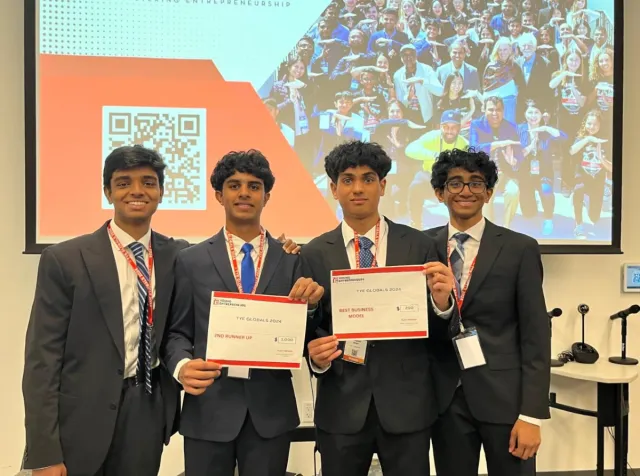
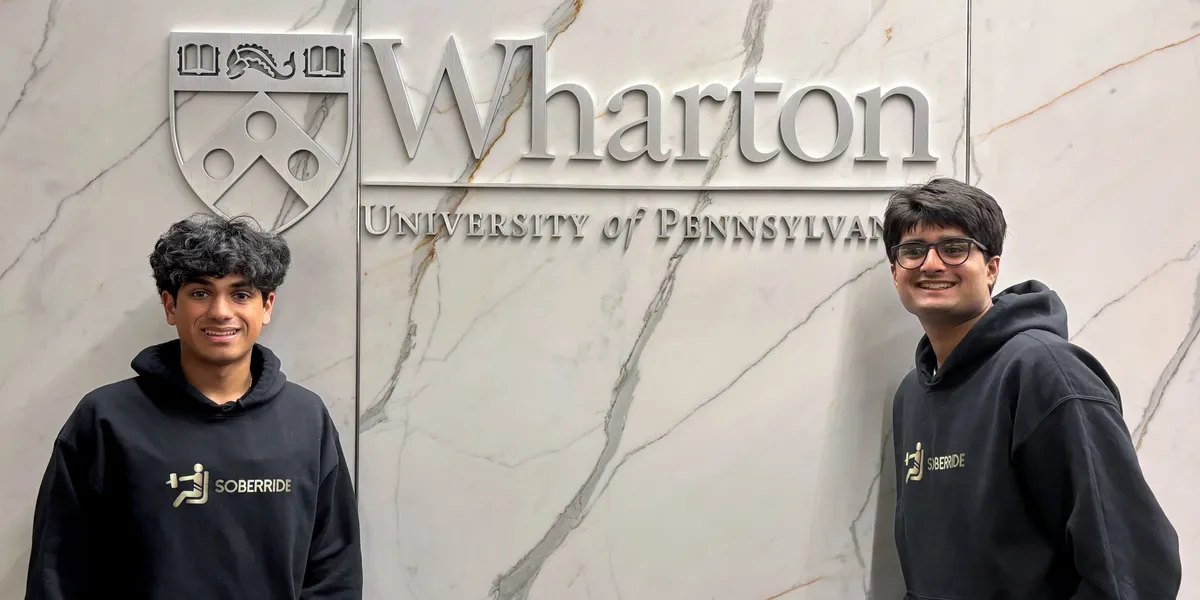
    That’s not a hypothetical. Five high school juniors from North Carolina actually did it. They built a working AI system called SoberRide that detects signs of alcohol impairment before the driver starts the car.

    These students didn’t just imagine a solution. They designed it, coded it, tested it, and presented it at international tech conferences. This is the kind of story that’s becoming more common as high school students explore AI in ways that actually matter.

    Let’s look at what they built, why it works, and what it means for students who want to create their own impactful AI projects.

    AI Project Built by High School Students to Stop Drunk Driving

    The idea behind SoberRide came after a tragic crash took the life of someone close to the team. That loss sparked a question: What if there were a way to stop impaired driving before it started?

    Led by 11th grader Swayam Shah and co-founders Shaurya Mantrala, Krithin Visvesh, Bhavik Kanumuri, and Aadi Bharadwaj, the team built a prototype using tools like Raspberry Pi, ethanol sensors, and a neural network trained to recognize visual signs of impairment.

    Here’s how it works:

    • A camera monitors the driver’s face for red eyes, slow blinking, or pupil dilation

    • Ethanol sensors detect alcohol in the surrounding air

    • A trained AI model processes the data and makes a decision

    • If signs of intoxication are detected, the car doesn’t start

    It’s simple in concept, but it requires a deep understanding of both AI and hardware integration. And it all came from a group of students who were still in high school.

    How High Schoolers Took This AI Invention to Global Stages

    SoberRide isn’t just a cool idea. It’s a functioning prototype with real traction.

    The team has:

    • Presented their research at the MIT Undergraduate Research Technology Conference

    • Shared their project at the IEEE AI and Robotics conference in China

    • Earned recognition at CES, the Conrad Challenge, and other global student competitions

    • Filed a patent for their technology

    • Engaged with lawmakers who are exploring a policy requiring in-vehicle alcohol detection

    Their success shows that high schoolers are capable of producing serious work in AI and engineering, even without a university lab or corporate funding. What they had was a meaningful goal and the willingness to figure things out.

    Why Real-World AI Projects Matter for High School Students

    When students apply their skills to problems that actually affect people, their learning becomes deeper and more relevant. They’re not just memorizing formulas or copying code from a tutorial. They’re solving problems, testing ideas, making mistakes, and trying again.

    That’s how real learning happens. And that’s how real impact is made.

    For students interested in AI, projects like SoberRide set the bar. This isn’t just about building another chatbot. It’s about using machine learning and data to address safety, health, climate, or education.

    And for parents wondering how their kids can stand out in college applications, this is the kind of work that admissions officers notice. Not just because it’s impressive, but because it shows initiative, follow-through, and the ability to apply knowledge to the real world.

    How to Start a Real AI Project in High School

    Leah Morgan recently completed a project through BetterMind Labs where she built a Smart Fleet Management System using AI and GPS data. Her system predicts vehicle maintenance needs and optimizes routing to reduce emissions and save fuel.

    What started as an interest in AI turned into a full-fledged project that combined environmental impact, business efficiency, and technical problem-solving. And she did it with guidance, feedback, and support.

    The Takeaway for Students and Parents

    AI projects for high school students are already shaping safer roads, smarter health tools, and more sustainable cities. From SoberRide to Leah’s fleet AI system, teens are proving they can do more than memorize—they can make real change.

    If you’re a student with an idea, don’t wait. You don’t need permission to start learning and building. And if you’re a parent, your support can be the spark that helps your teen move from curiosity to action.

    The students behind SoberRide didn’t wait for a college lab or a startup incubator. They saw a problem. They cared about it. And they built something that just might save lives.

    Want your teen to do something like this? They absolutely can.

  • From Wildfires to Wellness: AI Projects by High School Students Solving Real-World Problems

    High schoolers are building powerful AI projects from wildfire detection to mental health tools. Here’s how students are learning to solve real problems with machine learning and data.

    Artificial intelligence isn’t just changing industries; it’s changing what teenagers can do before they even apply to college.

    In schools, after-school programs, and even bedrooms turned makeshift labs, high schoolers are building AI tools to tackle problems that are real, messy, and sometimes deeply personal.

    And we’re not talking about toy chatbots or recycled code copied from GitHub. We’re talking about students using AI to fight wildfires, protect mental health, reduce bias, and improve healthcare.

    Here’s what that actually looks like.

    Table of Contents

    • Section 1: Why an AI Project by High School Students Matters More Than Ever

    • Section 2: Real Projects. Real Impact.

    • Section 3: How to Get Started (If You’re a Student or a Parent)

    • Section 4: FAQs

    • Section 5: Conclusion

    • Section 6: Relevant Links

    Why an AI Project by High School Students Matters More Than Ever

    AI used to feel like rocket science. Unless you had access to a university lab or a Silicon Valley internship, it was nearly impossible to learn or build anything substantial.

    But that’s changed.

    Tools like Python, TensorFlow, OpenCV, and Google Colab have flattened the learning curve. Free courses from platforms like Fast.ai, Coursera, and Hugging Face give motivated students the structure they need. Public datasets? Everywhere.

    Suddenly, a student who cares deeply about climate change or healthcare inequity can go from idea to prototype in a matter of weeks.

    Real Projects. Real Impact.

    Let’s get specific. Here are a few standout projects built by high school students recently:

    1. SuiSensor – Siddhu Pachipala, Texas

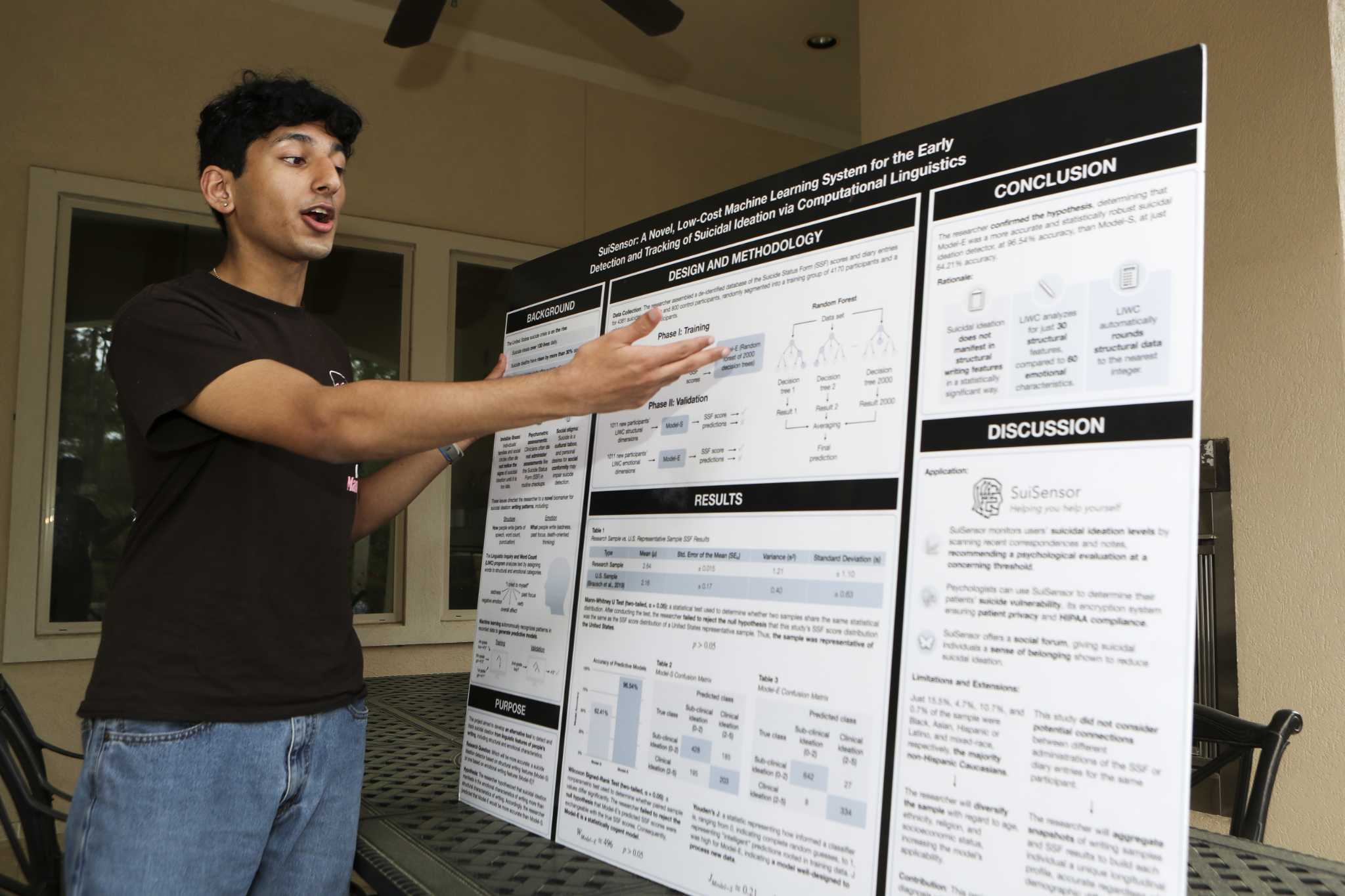
    After seeing classmates struggle with mental health, Siddhu Pachipala, a high school senior in Houston, built SuiSensor, an app that uses natural language processing to identify early signs of suicidal ideation in written text. His model reached over 98% accuracy on validation tests.

    The project earned him a top spot at the Regeneron Science Talent

    Search https://www.societyforscience.org/regeneron-sts/2023-student-finalists/siddhu-pachipala/, and mental health experts praised its potential to save lives, especially for teens in under-resourced schools.

    2. AI Wildfire Sensors – Ryan Honary, California

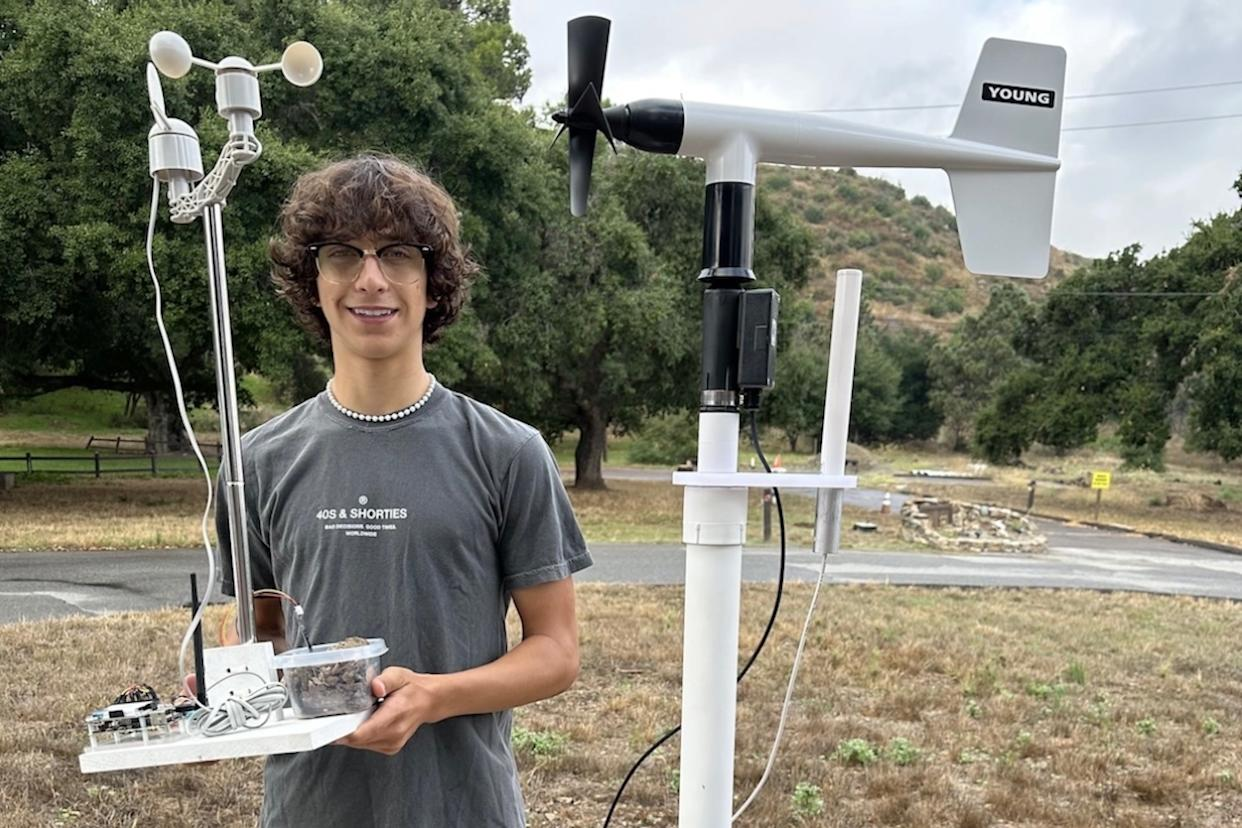
    At just 14, Ryan Honary created a network of solar-powered wildfire sensors https://www.oneearth.org/climate-hero-ryan-honary/ that detect small fires using infrared and gas data, then send alerts in real time via AI-powered modeling.

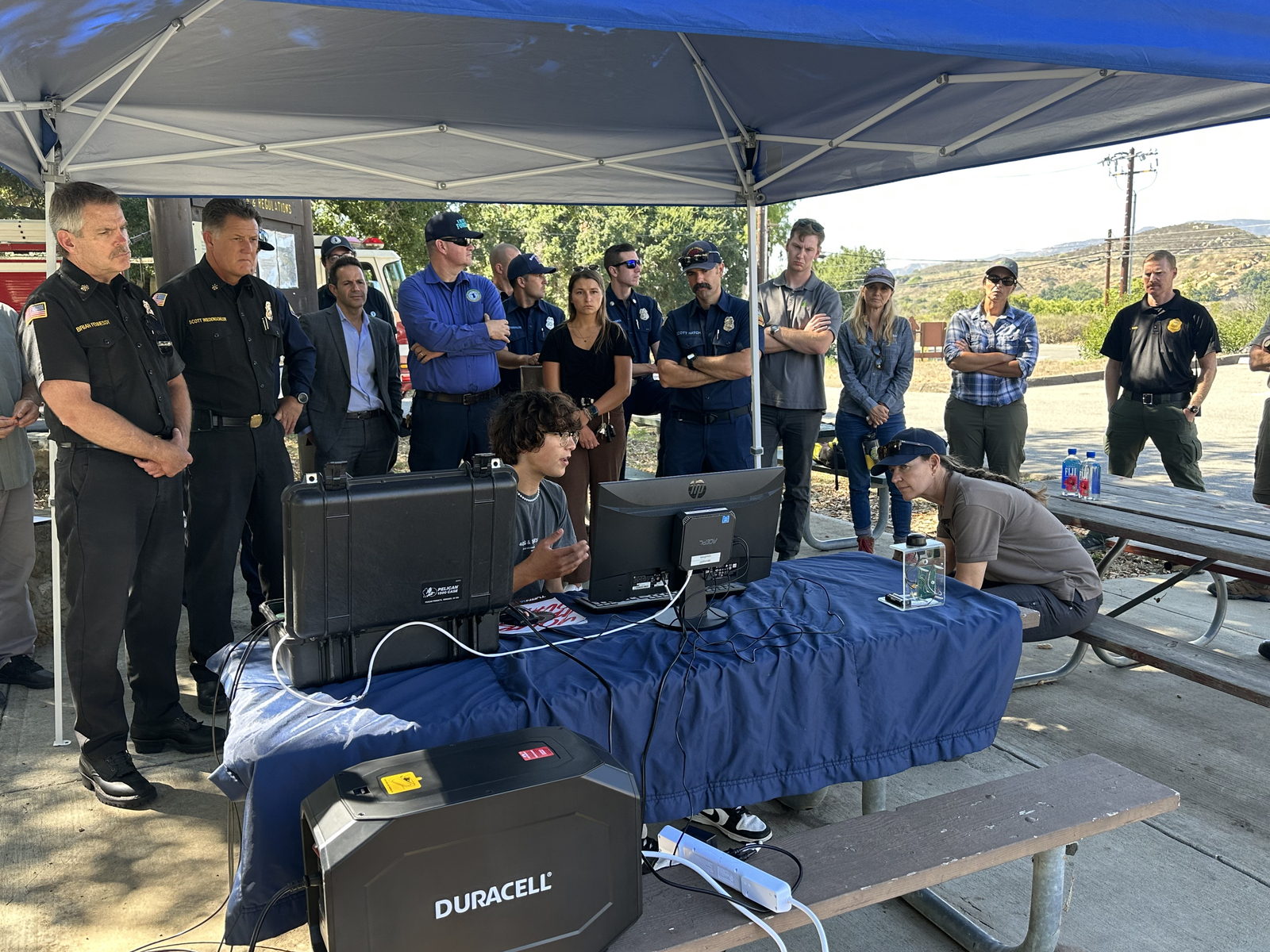
    His system is already deployed in Laguna Canyon, in partnership with the Orange County Fire Authority, and has the potential to drastically reduce wildfire damage in remote regions.

    3. MoodMirror – Alex, New Jersey

    His project, MoodMirror, is a lightweight AI tool that runs in the background while students work. It tracks patterns in typing speed, written tone, and screen time. When it senses emotional fatigue, long hours, stress-heavy language, or unusually negative phrasing, it gently prompts the user to pause and reflect.

    It might ask: “You’ve been focused for 90 minutes, do you want a quick break?” Or: “Your last few journal entries sound more anxious than usual. Do you want to talk to someone?”

    Alex built the first version as part of a program at BetterMind Labs, where students explore how AI can be integrated into different fields. MoodMirror isn’t flashy, but it’s personal. And that’s what makes it powerful.

    4. Chronic Disease Prediction & Lifestyle Analysis App

    Meet Vritee Agarwal, a BetterMind Labs student who started with basic Python — and ended up building a full-fledged Disease Prediction and Lifestyle Analysis App.

    Her project uses machine learning models and Gemini AI to predict the likelihood of five major chronic diseases — heart disease, cancer, diabetes, asthma, and obesity — based on both clinical data and daily lifestyle choices.

    What makes it special? Instead of a simple “Yes or No”, her AI provides personalized health insights, prevention tips, and lifestyle recommendations — making it a tool for awareness and early prevention.

    • Predict risk for diabetes, heart disease, asthma, or obesity using health + lifestyle data

    • Output personalized prevention insights via a simple web app

    • Strong fit for pre-med, public health, or data science applicants

    5.AI Stock Price Predictor (Finance + Machine Learning)

    A student-built model that predicts next-day stock movement teaches:

    • Time-series modeling

    • LSTM/RNN fundamentals

    • Market indicators (RSI, MACD, volatility)

    Example from your library:

    Vinay, Aniket, and Eeshan built models that analyze trends, identify hype cycles, and forecast price movements.

    How to Get Started (If You’re a Student or a Parent)

    All you need is curiosity, consistency, and support.

    Here’s a quick roadmap:

    1. Learn the Basics – Python, basic data science, and machine learning concepts. Tons of free options online.

    2. Pick a Problem – What frustrates you? What breaks your heart? What’s something your community struggles with?

    3. Find a Mentor or Program – Whether it’s a school teacher, an online bootcamp, or a space like BetterMind Labs, because guidance matters.

    4. Build. Break. Repeat. – Your first model will probably fail. That’s normal. That’s where the learning happens.

    5. Tell Your Story – Document your journey. Explain your process. This will help with college apps, but also clarify your thinking.

    FAQs :

    What kinds of real-world problems can AI help solve?

    AI can be applied to a wide range of challenges, including environmental monitoring, healthcare, education, accessibility, public safety, and sustainability.

    How long does it take to complete an AI project?

    The timeline varies depending on the project’s complexity, but many student projects can be completed within a few weeks to a few months with consistent effort and mentorship.

    How can AI projects benefit high school students?

    AI projects help students develop technical skills, problem-solving abilities, creativity, and a portfolio of work that can strengthen college applications and future career opportunities.

    Do I need prior coding experience to build an AI project?

    Not necessarily. Many students begin with little or no programming experience and learn the necessary skills while working on a guided project.

    Conclusion :

    The most inspiring AI projects aren’t just about technology—they’re about solving problems that matter. From addressing environmental challenges to improving health and well-being, today’s students are using AI to create meaningful impact in their communities and beyond.

    As AI becomes an increasingly important part of every industry, the ability to identify real-world problems and build innovative solutions will be a valuable skill for the future. Programs like BetterMind Labs help students take that first step by combining mentorship, hands-on learning, and project-based experiences that turn ideas into reality.

    If you’re curious about what you can build with AI, there’s never been a better time to start exploring.


    Relevant Links:

    Chaminade Wins 13th Medical Marvels Competition – Feinstein Institutes

    https://feinstein.northwell.edu/news/the-latest/chaminade-wins-13th-medical-marvels-competition

    NASA Human Research Program – IWS 2025

    https://www.nasa.gov/hrp/iws-2025/

    NASA HUNCH Program – High School Students United with NASA to Create Hardware

    https://nasahunch.com/

    How AI Mental Health Tools Built by High School Students Are Helping Astronauts in Space

    https://www.bettermindlabs.org/post/how-ai-mental-health-tools-built-by-high-school-students-are-helping-astronauts-in-space

    Meet the Students Behind BetterMind Labs

    https://www.bettermindlabs.org/students

    Streamlit – The Fastest Way to Build and Share Data Apps

    https://streamlit.io/

    How Astronauts Take Care of Their Mental Health in Space

    https://www.asc-csa.gc.ca/eng/youth-educators/toolkits/mental-health-and-isolation/how-astronauts-take-care-of-their-mental-health-in-space.asp

    BetterMind Labs – AI Projects by High School Students

    https://www.bettermindlabs.org/