Tag: Internships

  • Top Medical Internships for High School Students (2025): A Mentor’s Guide for Parents & Teens

    Introduction:

    If your teen lights up when they talk about biology, brains, or bio-tech, you’re probably asking the same question I hear from families every week:

    How can a high school student get meaningful experience in healthcare—before college?
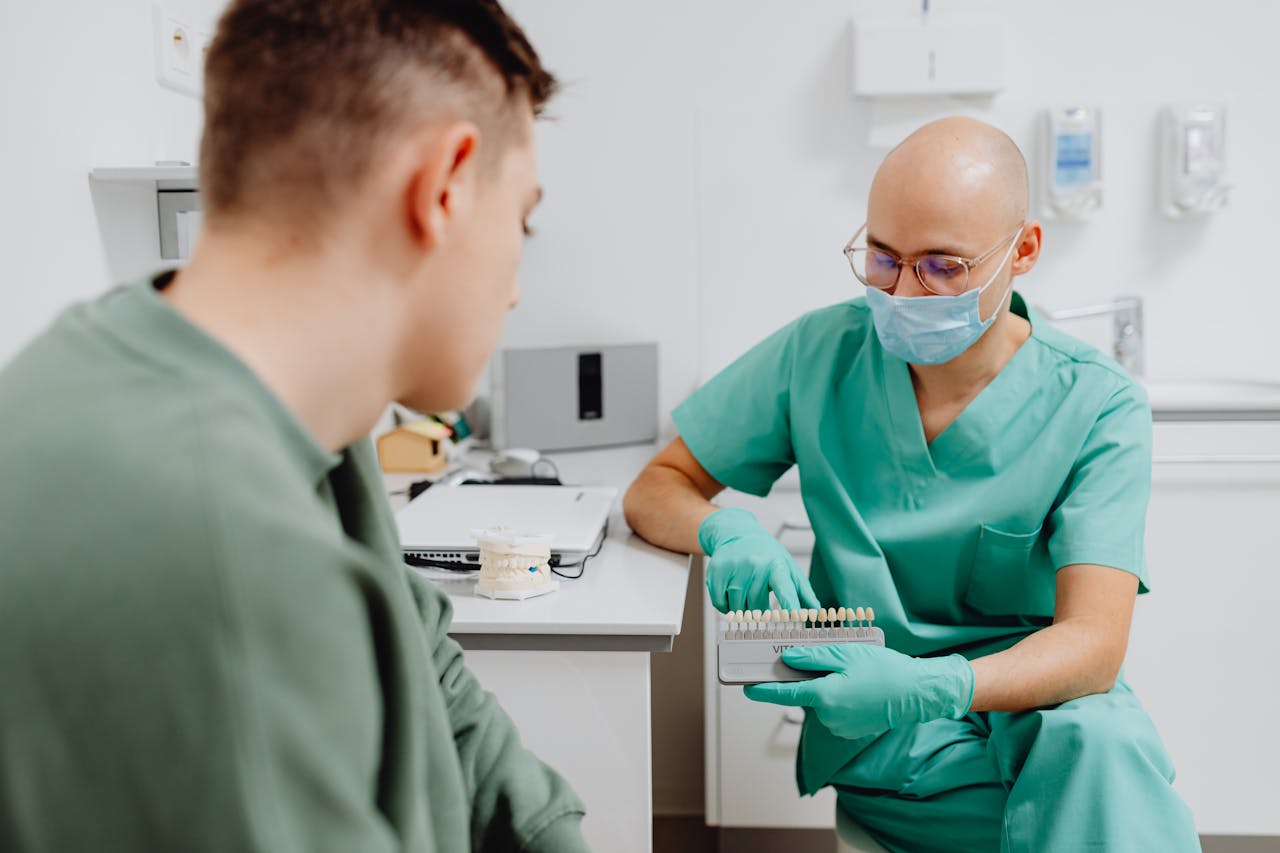
    The short answer: medical internships. Done right, the experience can be equal parts reality check, confidence booster, and a serious admissions edge.

    In this guide, I’ll walk you through the best medical internships for high schoolers in the USA, how they differ (research vs. clinical vs. AI), who they’re for, what they cost, and how to apply with a strategy that actually works. I’ll also show how students are using AI in healthcare including projects like skin-care detection and protein folding prediction, to stand out on applications and build real skills for the future.

    Many of the programs and facts below come from a curated research PDF; I’ve hyperlinked each program directly so you can click and verify details as you go.

    What “counts” as a medical internship in high school?

    Not all experiences look the same—and that’s okay. Most opportunities break into three buckets:

    1) Hospital-based volunteering (patient-facing foundations)

    Examples include children’s hospitals and community health systems where teens (often 15–16+) help with hospitality, patient escort, or unit support.

    • Children’s National Hospital Summer Volunteer Program (DC) — age 15+, structured 6-week program with guest speakers and group projects. Learn more.

    • UCLA Health Volunteen (Los Angeles) — minimum age 16; vaccinations and other requirements apply. Program page.

    • Valley Health System High School Volunteers (NJ) — minimum age 15; no shadowing for high-schoolers, summer 2025 applications reported as closed. Details here.

    2) Research-focused internships (lab exposure & mentorship)

    These put students alongside scientists in labs—ideal for teens who love biology, chemistry, and problem-solving. Competitive? Yes. Worth it? Absolutely. Highlights include:
    • NIH High School Summer Internship Program (SIP) — nationwide NIH campuses; historically 8+ weeks with stipend; note: the 2025 cohort is listed as canceled in our source PDF. Program page.

    • Stanford Institutes of Medicine Summer Research Program (SIMR) — advanced lab work with areas like cancer biology and immunology (often referenced within curated internship roundups). See overview via this roundup on Ladder Internships: SIMR + other top programs.

    • BetterMind Labs Healthcare Research Program — 4–8 weeks, online, small cohorts (<10), grades 8–12, no prior coding required and industry-recognized certification + recommendation letters from healthcare professionals.

    • Fred Hutch Cancer Center (SHIP) — Seattle-based, 8 weeks, hands-on lab immersion; see program context and stipend ranges in this CollegeVine guide: Medical Internships for High School Students.

    • Harvard Medical School’s Project Success — lab placement + mentorship for underrepresented/disadvantaged students. Summary info here: Harvard Project Success (overview).

    3) AI + healthcare programs (data, coding, and clinical impact)
    The fastest-growing category blends machine learning with real medical problems (diagnostics, triage, mental health, drug discovery). This is where many students create portfolio-ready work and fresh angles for their college essays. A standout option from our research set is BetterMind Labs’ AI/ML Program:

    • BetterMind Labs AI/ML (Healthcare) Program — 4–8 weeks, online, small cohorts (<10), grades 8–12, no prior coding required and industry-recognized certification + recommendation letters from healthcare professionals.

    Past work includes antibiotic ranking models, mental health check-in bots, and medical data analysis; we also mentor projects like skin-care detection and protein-folding prediction. Explore the program page and student projects: Program overview and Student AI projects in healthcare.

    Mentor note: If your teen is earlier in high school (freshman/sophomore), start with local volunteering or an online AI-healthcare project to build momentum; then target the big research programs junior year.

    At-a-glance: programs, eligibility, and focus

    Below is a quick snapshot to help parents and students compare. (Click any program name for details.)

    Program

    Type

    Duration

    Eligibility

    Focus / Link

    BetterMind Labs AI/ML

    AI + Healthcare

    4–8 weeks

    Grades 8–12

    Program • Student projects

    Harvard Project Success

    Research + Mentorship

    6 weeks

    Underrepresented/disadvantaged

    Overview

    Children’s National

    Hospital Volunteering

    6 weeks

    Age 15+

    Program page

    NIH SIP

    Research

    8+ weeks

    HS juniors/seniors

    NIH SIP

    Stanford SIMR

    Research

    ~8 weeks

    Typically 16+, juniors/seniors

    SIMR roundup

    Fred Hutch SHIP

    Research

    8 weeks

    Rising 12th graders

    Fred Hutch in CollegeVine guide

    Ladder Internships (Healthcare)

    Virtual Internship

    8–16 weeks

    HS students

    Ladder healthcare

    Scripps Research

    Research

    ~10 weeks

    Advanced HS

    Program page

    Valley Health (NJ)

    Hospital Volunteering

    Varies

    Age 15+

    Program page

    UCLA Volunteening

    Hospital Volunteering

    Varies

    Age 16+

    Program page

    The AI advantage: how teens are doing real healthcare work (and writing better essays)

    Families often ask, “Is AI really for high schoolers?” Absolutely—when it’s guided and ethical. In our BetterMind Labs cohorts, students build projects that connect directly to healthcare problems and college-level research thinking:

    • Skin-care detection — students collect ethically sourced images (or medically validated datasets), annotate them, and train classification models to flag suspicious lesions. In essays, they reflect on model limitations, bias, and the importance of clinical validation—showing maturity beyond “I did a Kaggle project.”

    • Protein folding prediction — students learn how sequence data and structural biology inform drug discovery. Even simplified pipelines (feature engineering, embeddings, lightweight models) help teens show genuine domain curiosity and computational thinking.

    • Antibiotic ranking and mental health check-ins — projects using real-world data or privacy-first conversational bots to increase access or efficiency. See past student highlights here: AI projects by high school students.

    Why colleges care: Portfolios like these demonstrate initiative, technical depth, and ethical awareness—and they complement (not replace) hospital volunteering or research programs. If your teen wants both clinical empathy and computational skill, this route is gold. Learn about the structure, cohorts, and certification here: BetterMind Labs AI/ML Program.

    Application strategy: how to maximize your teen’s chances

    Here’s exactly how I advise my juniors:

    Start early (really early)

    Many sought-after programs finalize by February–March. That means drafting your list in November–December, requesting recommendations in January, and polishing essays before sports/tests spike. This timeline is echoed across multiple program roundups in our research set.

    Build a layered profile

    Admissions teams want evidence of sustained interest—not just a one-off camp. Strong combinations include:

    • Local hospital volunteering (schedule consistency matters) — find roles with Children’s National, UCLA Volunteen, or your nearest community health system. Children’s National • UCLA Volunteen • Valley Health (NJ).

    • One research program (stretch) — NIH SIP (when offered), Fred Hutch SHIP, or Stanford SIMR via competitive application. NIH SIP • Fred Hutch context • SIMR roundup.

    • One AI-healthcare project — ideally mentored, producing a portfolio + reflection on ethics, limitations, and next steps; consider BetterMind Labs.

    Essays that land (parents can help here)

    Prompt your teen to answer:

    1. Why medicine, specifically? (A real story > generic altruism.)

    2. What have you done that shows commitment? (Volunteering hours, AI project outcomes, lab notebooks.)

    3. What will you learn next? (Show curiosity and a growth plan.)

    Where to look for additional ideas

    Key selection factors (choose like an admissions reader)

    When comparing programs, I suggest families look at:

    1. Learning outcomes — Will your teen gain real skills (wet-lab techniques, data analysis, patient interaction, responsible AI)?

    2. Mentorship & cohort size — Small cohorts and direct feedback beat massive lecture-style programs. (BetterMind Labs runs <10 per cohort to guarantee mentorship.) See details.

    3. Deliverables — Posters, code repositories, reflections, and recommendation letters carry forward to college apps. (Our program includes industry-recognized certification and letters from healthcare professionals.) Program overview.

    4. Time & fit — Align with sports, APs, and family schedules. (Many options offer online or hybrid formats, such as Ladder’s fully virtual placements.) Explore options.

    5. Cost vs. value — Balance free/paid choices. Remember: hospital volunteering is free and impactful, while mentored AI/research programs often charge because of 1:1 guidance and specialized faculty.

    Quick comparison: Research vs. Hospital vs. AI-healthcare

    Dimension

    Research Internship

    Hospital Volunteering

    AI + Healthcare Project

    Primary gain

    Lab skills, scientific method

    Patient exposure, teamwork, empathy

    Data/ML skills, healthcare impact

    Time frame

    6–10 weeks summer

    Ongoing (semester/summer)

    4–8 weeks (mentored)

    Cost

    Usually free / paid

    Free

    Often paid (for mentorship)

    Deliverables

    Poster, lab notebook, mentor letter

    Service hours, supervisor letter

    Code repo, model evals, certification, mentor letter

    Great for

    Science-first students

    Clinically curious students

    Tech-curious students who love medicine

    (Examples hyperlinked above: BetterMind Labs, NIH SIP, Fred Hutch, Stanford SIMR; Children’s National, UCLA; , Ladder, Lumiere.)

    What parents and students ask me most

    Q1: Do I need prior research or coding experience?

    No. Many programs teach from the ground up—especially hospital volunteering and mentored AI programs. BetterMind Labs, for example, welcomes grades 8–12 with no prior coding required and builds skills step-by-step. Program details.

    Q2: Are paid internships “worth it”?
    If the program provides real mentorship, small cohorts, clear deliverables, and letters, the ROI can be strong—particularly for AI-healthcare where expert guidance accelerates learning. Balance these with free clinical volunteering for empathy and service. (See Ladder for virtual placements and Children’s National/UCLA for free volunteering.) Ladder • Children’s National • UCLA Volunteen.

    Q3: Can high schoolers “shadow” doctors?

    Many hospitals limit or prohibit shadowing for minors (e.g., Valley Health explicitly states no shadowing for HS students). Expect roles in support services rather than clinical decision-making. Valley Health HS Volunteers.

    Q4: What about NIH this year?

    Our source indicates NIH SIP 2025 is canceled—so target other research programs or virtual AI-healthcare options this cycle. NIH SIP page.

    Conclusion: A clear path forward (and a nudge)
    If your teen is serious about medicine, the best plan blends clinical exposure, research depth, and modern AI-healthcare skills:

    1. Pick 1–2 hospital programs for steady patient-facing experience — e.g., Children’s National, UCLA Volunteen, or your local system.

    2. Apply to 2–3 research internships (stretch + match) — e.g., SIMR, Fred Hutch SHIP (see roundups via Ladder and CollegeVine). Ladder guide • CollegeVine guide.

    3. Build an AI-healthcare capstone with mentorship and tangible outputs (code, poster, letter)—great for essays and interviews. If your teen wants to try skin-care detection or protein folding prediction, our BetterMind Labs AI/ML Program is designed exactly for that.
  • Top 10 Leadership Programs for High School Students in the U.S.

    Introduction: Why Leadership Programs Matter for High School Students

    What’s the one thing top colleges like Harvard, Stanford, and MIT consistently look for beyond perfect GPAs and test scores? Leadership. The ability to step up, inspire others, and create impact is what separates extraordinary students from the rest. The good news? You don’t have to wait until college to build those skills. High school leadership programs give you the chance to practice real-world decision-making, connect with ambitious peers, and start shaping the kind of leader you want to be.

    For high school students in the U.S., leadership has become one of the most sought-after qualities by top universities and future employers. Academic success is important, but institutions like Harvard, Stanford, and MIT also look for students who demonstrate initiative, collaboration, resilience, and the ability to make an impact beyond the classroom.

    In this guide, we’ll explore the top 10 leadership programs for U.S. high school students—opportunities that can strengthen resumes, prepare students for college applications, and inspire future leaders.

    1. National Student Leadership Conference (NSLC)

    The National Student Leadership Conference is one of the most prestigious summer leadership opportunities in the U.S., offering specialized tracks in medicine, engineering, business, and diplomacy.

    • Who It’s For: High school students (grades 9–12).

    • Key Benefits: Hands-on workshops, leadership labs, and networking with professionals.

    • Why It Stands Out: Students don’t just learn about leadership—they practice it through real-world simulations such as mock trials or medical case studies.

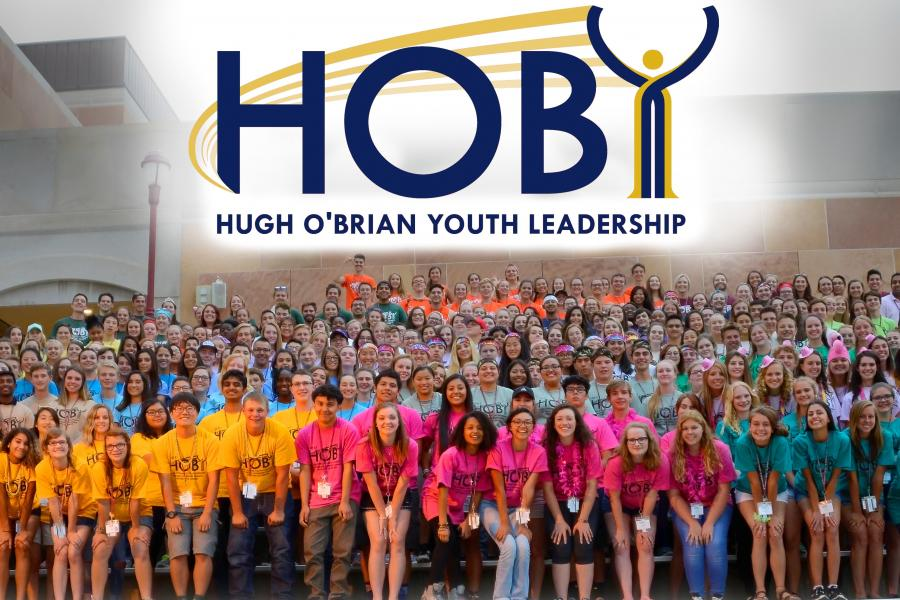
    2. Hugh O’Brian Youth Leadership (HOBY) Program

    The HOBY Leadership Program is a nonprofit initiative designed to help high school sophomores discover their leadership potential through service, innovation, and teamwork.

    • Who It’s For: 10th graders.

    • Key Benefits: State and regional seminars, mentorship opportunities, and community projects.

    • Why It Stands Out: HOBY alumni join a lifelong network of leaders passionate about service and civic engagement.

    3. American Legion Boys State and Girls State

    The Boys State and Girls State programs immerse students in the structure of government by creating mock state legislatures and elections.

    • Who It’s For: Rising seniors.

    • Key Benefits: Hands-on experience in lawmaking, elections, and civic leadership.

    • Why It Stands Out: Alumni include U.S. presidents, senators, and Supreme Court justices—showcasing its legacy of shaping national leaders.

    4. Bank of America Student Leaders Program

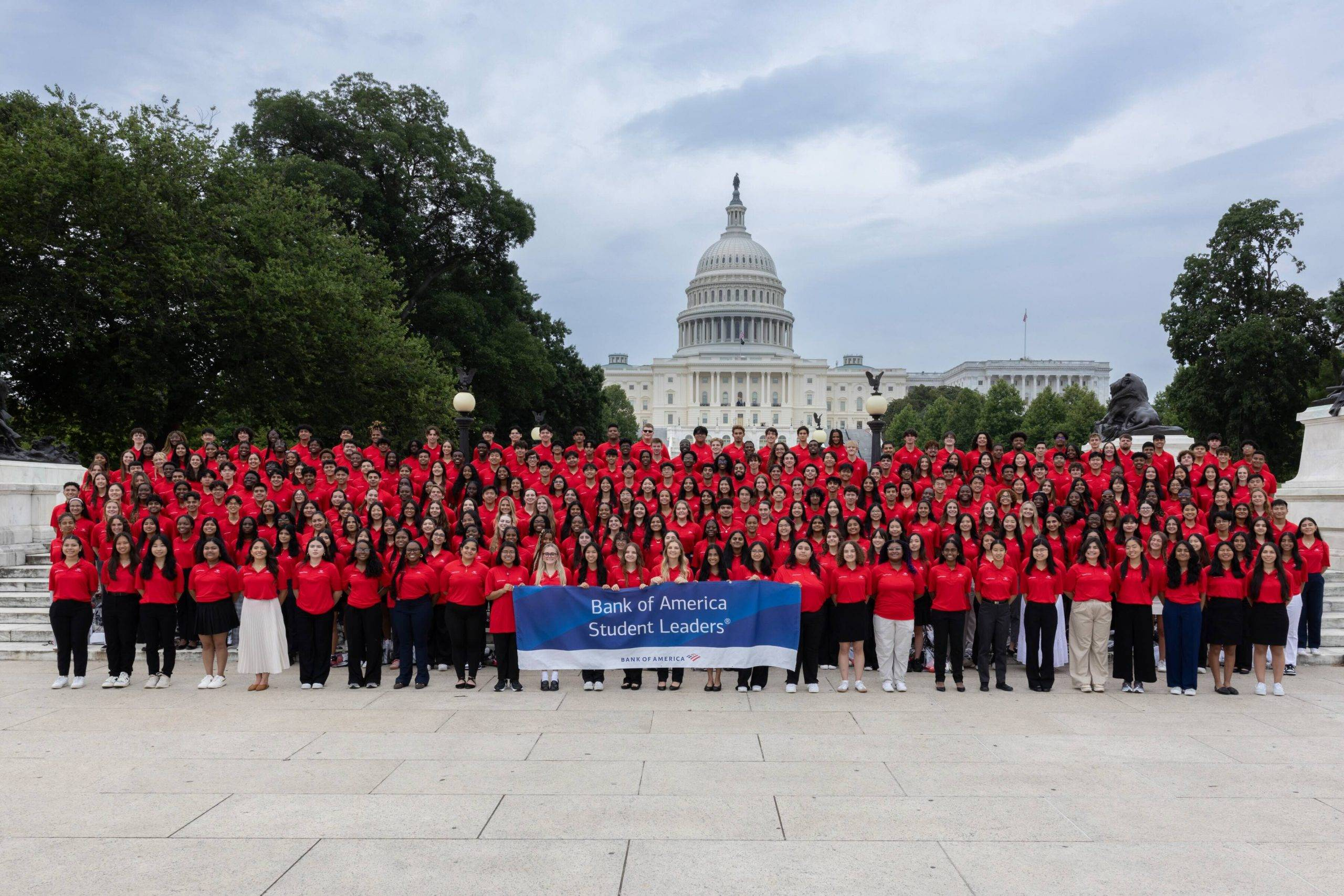
    The Bank of America Student Leaders Program combines community service with professional experience, giving high school juniors and seniors the chance to participate in paid internships at local nonprofits.

    • Who It’s For: Juniors and seniors interested in community leadership.

    • Key Benefits: Eight-week paid internship and a leadership summit in Washington, D.C.

    • Why It Stands Out: Unlike many programs, this one provides real-world job experience alongside leadership training.

    5. The Congressional Award Program

    The Congressional Award is the official youth program of the U.S. Congress, encouraging students to set and achieve personal goals in service, physical fitness, and exploration.

    • Who It’s For: Students ages 14–23.

    • Key Benefits: Flexible, self-paced structure that adapts to individual goals.

    • Why It Stands Out: Recognition comes directly from members of Congress, making it both prestigious and highly motivational.

    6. Rotary Youth Leadership Awards (RYLA)

    The RYLA program, hosted by Rotary Clubs worldwide, emphasizes leadership through community service and ethical decision-making.

    • Who It’s For: High school students ages 14–18.

    • Key Benefits: Regional camps, team-building workshops, and mentorship from Rotary leaders.

    • Why It Stands Out: Students learn leadership by engaging in meaningful service projects that benefit their communities.

    7. Young Women’s Leadership Institute (Barnard College)

    Barnard College’s Young Women’s Leadership Institute is designed for female-identifying students who want to explore leadership through the lens of gender equity and activism.

    • Who It’s For: Rising juniors and seniors.

    • Key Benefits: College-level seminars, workshops, and connections with leaders in activism and advocacy.

    • Why It Stands Out: One of the few leadership programs in the U.S. specifically focused on empowering women in leadership roles.

    8. MIT LaunchX Entrepreneurship Program

    The MIT LaunchX Program enables students to develop real startups, guiding them from ideation to pitching to investors.

    • Who It’s For: High school students interested in entrepreneurship.

    • Key Benefits: Build a startup team, launch a venture, and gain mentorship from MIT faculty and entrepreneurs.

    • Why It Stands Out: Participants don’t just learn about business—they graduate with a real startup experience on their resumes.

    9. National Youth Leadership Forum (NYLF)

    The National Youth Leadership Forum offers career-focused leadership opportunities in fields like medicine, law, business, and national security.

    • Who It’s For: Students in grades 9–12.

    • Key Benefits: Immersive simulations, site visits, and networking with professionals.

    • Why It Stands Out: Bridges leadership with career exploration and future-readiness.

    10. The LEAD Program in Business

    The LEAD Program partners with top U.S. business schools (such as Wharton, Columbia, and Duke) to help students explore business and entrepreneurship through intensive summer institutes.

    • Who It’s For: Juniors and seniors with an interest in business.

    • Key Benefits: Mentorship, networking with industry professionals, and direct exposure to elite universities.

    • Why It Stands Out: Provides a pipeline to business education and professional leadership pathways.

    Quick Comparison Table: Top Leadership Programs for High School Students

    Program

    Focus Area

    Grade Level

    Key Benefit

    Format/Location

    NSLC

    Multiple career fields

    9–12

    Hands-on simulations

    U.S. campuses

    HOBY

    Service & innovation

    10

    State-level leadership seminars

    Nationwide

    Boys/Girls State

    Government & politics

    11

    Mock state governments

    State-based

    BofA Student Leaders

    Community service & nonprofit work

    11–12

    Paid internships + DC summit

    Nationwide

    Congressional Award

    Personal growth & service

    14–23

    Recognition from Congress

    Flexible/self-paced

    RYLA

    Community leadership

    14–18

    Service-based leadership camps

    Regional

    Barnard YWLI

    Women’s leadership

    11–12

    Gender equity leadership training

    Barnard College (NYC)

    MIT LaunchX

    Entrepreneurship

    9–12

    Build and pitch a startup

    Virtual + MIT campus

    NYLF

    Career-focused leadership

    9–12

    Simulations + career exposure

    Nationwide

    LEAD Program

    Business leadership

    11–12

    Elite university partnerships

    U.S. campuses

    Organizations such as BetterMind Labs also emphasize the role of leadership development for young innovators, helping students connect academic learning with real-world applications. Their mentorship-focused approach shows how leadership training can empower students to thrive in both college and professional pathways.

    Conclusion: Choosing the Right Leadership Program

    For high school students, leadership programs are more than summer activities they are transformative experiences that prepare young people for the future. Whether a student dreams of becoming a civic leader, a business innovator, or a community changemaker, the right program can provide the skills, confidence, and network to make that vision a reality.

    When deciding, students should look beyond prestige and ask: Does this program align with my interests, passions, and long-term goals? For those seeking structured mentorship and the chance to combine leadership with innovation, organizations like BetterMind Labs showcase how guided experiences can turn potential into impact.

    Ultimately, leadership is not about titles it’s about the ability to inspire, collaborate, and create change. These programs are stepping stones, helping high school students across the U.S. unlock their full potential as the next generation of leaders.

    Explore these options, talk with mentors and counselors, and take the leap. The journey to becoming a confident leader starts today.

  • Top Programs for High School Students in Winter 2025

    Introduction

    If you’re a high school student in the U.S. who’s serious about building a strong college application, you’ve probably already heard that extracurriculars can make or break your profile. But not all programs are created equal.

    With selective admissions and the rising importance of real-world projects, programs in AI, healthcare, and research stand out the most in 2025. Colleges don’t just want to see passion; they want to see impact and initiative.

    In this blog, I’ll break down some of the top programs starting in Winter 2025, highlight what makes them special.

    As a college counselor, I’ll guide you through what admissions officers actually value in these programs, and how you can use them to your advantage.

    Why Programs Like These Matter for College Admissions

    Colleges want to admit students who show more than academic strength. According to a National Association for College Admission Counseling (NACAC) survey, admissions officers consistently look at extracurriculars, personal impact, and recommendation letters alongside GPA and test scores.

    Programs that combine real-world applications, selective admissions, and mentorship stand out because they:

    • Prove you can work on college-level material.

    • Provide strong recommendation letters.

    • Give you tangible outputs like research papers, portfolios, or certifications.

    Other Top Programs for High School Students in Healthcare & Technology (September 2025)

    1. Stanford Clinical Skills Internship

    • Stanford CSI offers hands-on medical training like patient history-taking, suturing, and organ dissections.

    • Dates: Sept 10 – Nov 12, 2025.

    • Cost: $1,980.

    • Admissions: Highly competitive, with direct mentorship from Stanford Medicine faculty.

    • Why It Matters: Clinical exposure is rare at the high school level, making this program a gold standard for pre-med students.

    2. BetterMind Labs AI & ML Certification

    BetterMind Labs AI & ML Certification is not just another online bootcamp. It’s a selective program (<8% acceptance rate) designed for high school students in grades 8–12 who want to stand out in competitive college applications.

    Key Highlights:

    Start Date: September 13, 2025

    Format: Online, weekends only (8 weeks)

    Cost: $1,000 (scholarships and payment plans available)

    Time Commitment: 6–8 hours/week

    3. Veritas AI Fellowship (Top 3 Overall)

    • Veritas AI is a 12–15 week fellowship where students work 1-on-1 with PhD mentors on individual AI research projects.

    • Cost: Starts at $2,290.

    • Why It Matters: The potential to publish research makes this program very appealing for students targeting top-tier universities.

    4. Inspirit AI Scholars (Ranked 4th)

    • Inspirit AI Scholars is a 10-session online program (25 hours total) developed by Stanford and MIT alumni.

    • Cost: $1,400.

    • Focuses on AI for Social Good projects with group-based learning.

    • Why It’s Ranked 4th: Strong brand name and mentorship, but less selective compared to BetterMind Labs and Veritas AI.

    5. Lumiere Research Scholar Program

    • Lumiere Foundation connects students with Harvard and Oxford PhD mentors.

    • Fall 2025 session runs for 12 weeks.

    • Output: A 15-page research paper, with potential for publication.

    • Why It Matters: A polished research paper is an excellent supplement for applications to research-heavy colleges.

    Comparison Table: Top Programs September 2025

    Program

    Field

    Duration

    Cost

    Selectivity

    Key Outcome

    Stanford CSI

    Healthcare

    10 weeks

    $1,980

    High Selective

    Clinical skills + faculty mentorship

    BetterMind Labs

    Multi-disciplinary + AI Research

    8 weeks

    $1,000

    Selective, ~8% acceptance

    Real world AI project portfolio + certificate + LOR

    Veritas AI Fellowship

    AI/Research

    12–15 weeks

    $2,290+

    Selective

    Research publication potential

    Inspirit AI Scholars

    AI/Social Good

    10 sessions

    $1,400

    Moderate

    AI group project + mentorship

    Lumiere Research

    Multi-disciplinary Research

    12 weeks

    Varies

    Selective

    15-page research paper + mentor recs

    Strategic Tips for Students Applying in Fall 2025

    1. Upcoming Cohorts: Fall 2025 (Sep–Nov), Winter 2026 (Jan–Mar), Spring 2026 (Apr–Jun)

      Format: Online, weekends only (8 weeks)

      Time Commitment: 6–8 hours/week

      Support: Scholarships and payment plans available

    2. Match Program to Interest: Don’t just pick based on rank. If you’re pre-med, Stanford CSI is unbeatable. If you want a mix of tech and social impact, BetterMind Labs or Inspirit AI works better.

    3. Think about outcomes: Colleges care about outputs portfolios, research papers, certificates. Programs that leave you with nothing tangible don’t hold the same weight.

    4. Leverage Mentorship: Don’t just attend the program. Build relationships with mentors. Strong letters of recommendation from PhDs or industry professionals can carry a lot of weight.

    Conclusion

    Choosing the right program isn’t about chasing prestige alone. it’s about finding the right fit for your goals and what admissions committees want to see. For Fall 2025, the hierarchy looks clear:

    1. Stanford CSI – Best for healthcare-bound students.

    2. BetterMind Labs – Best for AI/ML with tangible impact + selectivity.

    3. Veritas AI – Best for research and publication-driven students.

    4. Inspirit AI – Strong but less selective, great for collaborative projects.

    If you’re serious about boosting your college applications this fall, my advice is simple: apply early, focus on outcomes, and use mentorship to your advantage. Programs like BetterMind Labs can make the difference between blending in and standing out.

    If you’re ready to elevate your college application, check out the BetterMind Labs AI & ML Certification before the August 30th deadline. This could be the credential that sets you apart in this year’s highly competitive admissions cycle.

  • How to Get Your Kid Started with AI in 2027

    Since technology enters every aspect of modern life, artificial intelligence (AI) is no longer limited to adults. Children are also finding it to be an interesting and significant subject! Increasingly, parents and teachers are recognizing the importance of preparing children for a future filled with tech. AI classes for kids are a great way to show them how AI works while also boosting their skills in thinking critically, being creative, and solving problems.

    Why Should Kids Learn AI?

    AI is changing everything, from healthcare to entertainment, and understanding it is becoming an important skill. Here’s why kids should start learning AI early:

    Future Jobs: AI will play a big part in many jobs, so learning it early gives kids a head start.

    Problem Solving: AI classes help kids learn how to think critically and find solutions to problems.

    Creativity: Kids can create cool AI projects like games and chatbots, which boosts their creativity.

    Fun Learning: Many AI classes make learning fun with interactive games and tools.

    Top AI Classes for Kids in 2027:

    BetterMind Labs AI Program

    • Age Group: 12-16 years

    • Format: Online (live classes)

    • USP: 10 live sessions with industry experts, personalized mentorship (12-16 calls), project resources, and exclusive alumni community access.

    Create & Learn AI Explorers

    • Age Group: 9-12 years

    • Format: Online (live classes)

    • Price: $25 per session

    • USP: Hands-on projects, small class sizes, and expert instructors.

    Kodeclik AI Classes

    • Age Group: 6-18 years

    • Format: Online (live classes)

    • Price: $299 per course

    • USP: Personalized feedback, small group sessions, and hands-on projects.

    AI World School

    • Age Group: 7-18 years

    • Format: Online (self-paced)

    • Price: $99 per course

    • USP: Affordable, project-based learning with a focus on real-world applications.

    How to Choose the Best AI Class for Your Child

    With many AI classes available, here are some tips to help you find the perfect fit for your child:

    1. Age-Appropriate Content: Choose a class that matches your child’s age and skill level.

    2. Interactive Learning: Look for classes with fun games, projects, and hands-on activities to keep your child engaged.

    3. Qualified Instructors: Check the instructors’ qualifications and read reviews from other parents.

    4. Cost and Flexibility: Consider your budget and whether the class offers flexible scheduling options.

    Choosing the right AI class for your child can make a huge difference in their educational journey. Whether they’re just starting or looking to dive deeper into the world of AI, plenty of programs fit their needs. By considering factors like age, learning style, instructor quality, and budget, you can find the perfect class to inspire your child’s curiosity and skills in AI.

    BetterMind Labs takes it a step further by offering personalized mentorship and real-world experiences, ensuring that your child learns and applies their knowledge in meaningful ways. With expert-led sessions and hands-on projects, BetterMind Labs will help your child develop critical skills and stand out in the tech field, giving them the foundation they need to succeed academically and professionally.

  • Why High School Internships could be your Secret Weapon for College Admissions

    Getting into college today isn’t just tough—it’s a full-on battlefield. With thousands of students vying for limited spots, the question isn’t just “How do I stand out?” but “What will make me unforgettable?” Sure, good grades and extracurriculars are important, but there’s a game-changer most students overlook: internships.

    An internship isn’t just a fancy addition to your resume. It’s a gateway to the real world—a place where you learn skills that classrooms can’t teach, gain stories that make your college essays pop, and prove to admissions officers that you’re ready for the next big step.

    Think about it: colleges don’t just want students who ace tests. They’re looking for individuals who are curious, proactive, and unafraid to step outside their comfort zones. Internships shout, “I’m ready to take on challenges!” loud and clear.

    Here’s what an internship says about you:

    1. You Take Initiative: You’re not just waiting for opportunities—you’re creating them.

    2. You Can Adapt: Thriving in a professional environment shows flexibility and maturity.

    3. You’re Future-Focused: Choosing a field and gaining experience signals ambition.

    4. You Have Stories to Tell: Essays and interviews come alive with real-world anecdotes.

    Why Internships Are a Game-Changer for Students:

    1. Learn Skills You Can’t Get in Class Textbooks are great, but they can’t teach you how to handle a real client or solve a last-minute crisis. Internships immerse you in practical problem-solving, teamwork, and tools that most schools never touch on.

    2. Discover What You Love—or Don’t Not sure if you’re destined to be a doctor, an engineer, or an artist? Internships let you test the waters. You might find your passion or decide a career isn’t for you—and both are invaluable insights.

    3. Build a Network That Matters The people you meet during internships could become mentors, references, or even future employers. A strong network can open doors you didn’t even know existed.

    4. Make Your Application Stand Out Imagine a college admissions officer scanning through thousands of applications. That internship at a local startup or nonprofit? It’ll catch their eye and make them want to learn more about you.

    Not sure where to start? Here are some popular fields that high school students are exploring:

    1. Tech: From coding boot camps to AI internships, tech offers cutting-edge opportunities. Love experimenting with new tools? Start here.

    2. Healthcare: Shadowing doctors or volunteering at research labs gives you a taste of the medical world while boosting your application.

    3. Creative Arts: Graphic design, filmmaking, writing—creative internships let you turn your talents into tangible skills.

    4. Environmental Science: Passionate about the planet? Join a conservation group or work on renewable energy projects.

    5. Business and Startups: Get your feet wet in finance, marketing, or entrepreneurship. You might even discover a knack for running your own business.

    How to Land That Dream Internship

    1. Start Early: Begin your search in sophomore or junior year. The earlier you start, the more options you’ll have.

    2. Tap Into Your Network: Don’t underestimate the power of word-of-mouth. Teachers, friends, or family members might have connections that lead to opportunities.

    3. Polish Your Resume: Highlight leadership roles, personal projects, or anything unique about you. Even small achievements can make a big impression.

    4. Craft a Personalized Cover Letter: Skip the generic templates. Write about why this internship excites you and what you bring to the table.

    5. Follow-up: Persistence pays off. If you don’t hear back, send a polite follow-up email to show your enthusiasm.

    Why This Matters for College

    At its core, an internship is more than just a line on your resume. It’s a transformative experience that shapes who you are. When you walk into a college interview or sit down to write an essay, you’ll have something meaningful to say. Real stories. Real growth. Real impact.

    Admissions officers are looking for more than grades and test scores. They want to know who you are, what drives you, and how you’ve pushed yourself to grow. Internships give you the perfect platform to showcase that.

    Ready to Take the Leap?

    Internships aren’t just about getting ahead—they’re about becoming a better version of yourself. So start your search, send that email, and take the plunge. The future is yours to shape.

    BetterMind Labs helps high schoolers gain a competitive edge in the college admissions process by providing access to tailored internship opportunities. These internships allow students to step out of the classroom and into real-world experiences, gaining skills and knowledge that textbooks can’t provide. Whether you’re exploring tech, healthcare, business, or the creative arts, BetterMind Labs connects you with internships that align with your interests and career aspirations. By participating in hands-on projects, students can demonstrate initiative, adaptability, and ambition—qualities that top universities highly value. With BetterMind Labs, you’ll not only build a standout college application but also gain the confidence and skills to thrive in the future.

    Unlock your potential with BetterMind Labs!

  • High School Internships: A Game-Changer for College Admissions

    BetterMind Labs: Jump In—The AI Future Is Waiting

    So, picture this: You walk into a classroom, but instead of the same old dusty textbooks, there’s no chalkboard, and no super boring lectures. Nope. You’re in a room with energy, filled with gadgets, screens, and the kind of buzz you feel when something big happens. And what’s that big thing? AI. Yep, it’s already here and taking over. There’s no need to wait for the future—it’s already happening. And we’re here to make sure you’re not left behind.

    Welcome to BetterMind Labs High School Internships .

    Forget about memorizing boring jargon or trying to keep up with endless lectures. This isn’t about learning in the traditional sense. It’s about understanding how AI and machine learning are changing everything around us and learning how to use it. We’re not here to overwhelm you—we’re here to help you get what this tech is all about and how you can use it to make some cool things.

    AI and ML: Don’t Freak Out, We Got You

    Okay, so you’ve heard of AI and ML, but the terms “neural networks” and “supervised learning” make your brain shut down, right? We get it. But that’s where we come in. We’re not here to throw crazy complex terms at you. We’ll break everything down, step by step, no stress. Whether you’ve never even looked at code or want to know how Netflix seems to know exactly what you want, we’ll walk you through it. And by the time you’re done with us, you’ll understand it. No PhD required.

    Learning by Doing: Yeah, It’s Real

    Let’s face it—sitting in a room full of slides that make your eyes glaze over is the worst. That’s why at BetterMind Labs, we flip the whole thing upside down. You’re not going to sit there listening to someone drone on about theory. Nah, you’ll be out there building stuff from day one. You’ll design a chatbot that feels like it’s chatting with your best friend. You’ll create a predictive model that can forecast what’s going to happen next (kinda like a crystal ball, but cooler). And when you finish? You’ll have real projects to show for it—stuff you can use. No “theoretical” work here.

    Mentors Who’ve Been There, Done That (And Lived to Tell the Tale)

    The people behind BetterMind Labs? They’re not just teachers. They’re the ones who built the tech you use every day. These folks aren’t reading from some textbook. They’ve lived it. They’ve built the systems. They’ve made the mistakes (and learned from them). Forget the fluff you get in normal classes. Our mentors give you the straight-up, real-world advice that matters. They’ll tell you what works, what doesn’t, and how to avoid the traps most newbies fall into.

    Why Choose BetterMind Labs?

    No Boring Lectures: We dive straight into the cool stuff. No boring lectures, just hands-on learning. Real Projects, Real Skills: You’ll create stuff that matters. No “made-up” work. You’ll leave with projects you can show off. Mentors Who Know What’s Up: Our mentors aren’t guessing—they’ve been there, done that, and they’re here to help you do the same. Get Ready for Whatever’s Next: Whether you want to land your dream job, start your own thing, or just get smarter about AI, we’re here for it. The Future Is Now—So, What Are You Waiting For?

    AI/ML Certification Program isn’t just a course. It’s your chance to get in on the ground floor of the AI revolution. It’s time to learn, build, and create. The future is now. And we want you to be a part of it.

    Unlock your potential with BetterMind Labs!