Tag: Programs

  • Top Resources to Learn AI & ML in 2025 for High School Students

    Introduction: Why Parents Should Care About AI & ML
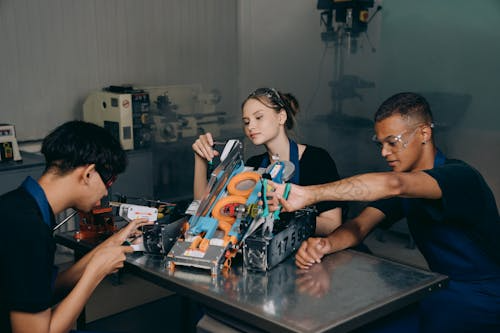
    Picture this: your teenager isn’t just scrolling on TikTok — they’re using machine learning to build a bot that predicts viral trends. Or they’re coding a model that helps track air quality in your neighborhood. This isn’t futuristic anymore; it’s happening right now with high school students across the U.S.

    For parents, AI and machine learning (ML) can sound intimidating — full of math, jargon, and endless coding. But here’s the good news: today’s blog we share resources for students to learn AI step by step, even without prior experience. And when done right, it’s not just about coding — it’s about teaching your child problem-solving, creativity, and critical thinking.

    In this guide, I’ll walk you through the best AI/ML resources in 2025 specifically designed for high school students. I’ll also share insider tips, examples of what other teens have built, and how mentorship-based programs like BetterMind Labs are helping students go from “curious” to “capable.”

    Online Learning Platforms: Great Beginner Friendly Resources to learn AI

    Google AI for Everyone

    Google AI for Everyone is the perfect gentle start. No coding, no math-heavy lessons — just clear explanations of what AI is, how it works, and where it shows up in everyday life.

    • Length: 4 weeks, 2–3 hours per week.

    • Good for: Teens who want to understand why AI matters before diving into code.

    Google Machine Learning Crash Course

    For the more hands-on learner, Google’s ML Crash Course is excellent. It has video lectures, coding labs, and over 100 practice exercises. Students learn regression, classification, and even how neural networks mimic the human brain.

    💡 Example: One student I worked with used this course to create a mini project predicting how much sleep affected his basketball performance. It gave him not only a science fair project but also a personal connection to AI.

    AI Python for Beginners (DeepLearning.AI)
    Hosted on Coursera, this four-part course is designed so students start building projects on day one — even if they’ve never coded before. An AI chatbot guides them with instant feedback, which feels a lot like having a tutor at their side.

    University-Backed Courses That Feel Accessible

    Elements of AI (University of Helsinki)

    With over 1.7 million students worldwide, Elements of AI is one of the most popular introductions. The best part? It’s completely free.

    • Part 1: What AI is, ethics, misconceptions.

    • Part 2: Basic algorithms and beginner-friendly coding in Python.

    This course is a great way for teens to learn how AI connects to society, not just technology.

    Specialized High School Programs

    These programs are designed specifically for high school students, blending structured learning with real-world applications.

    Princeton AI4ALL
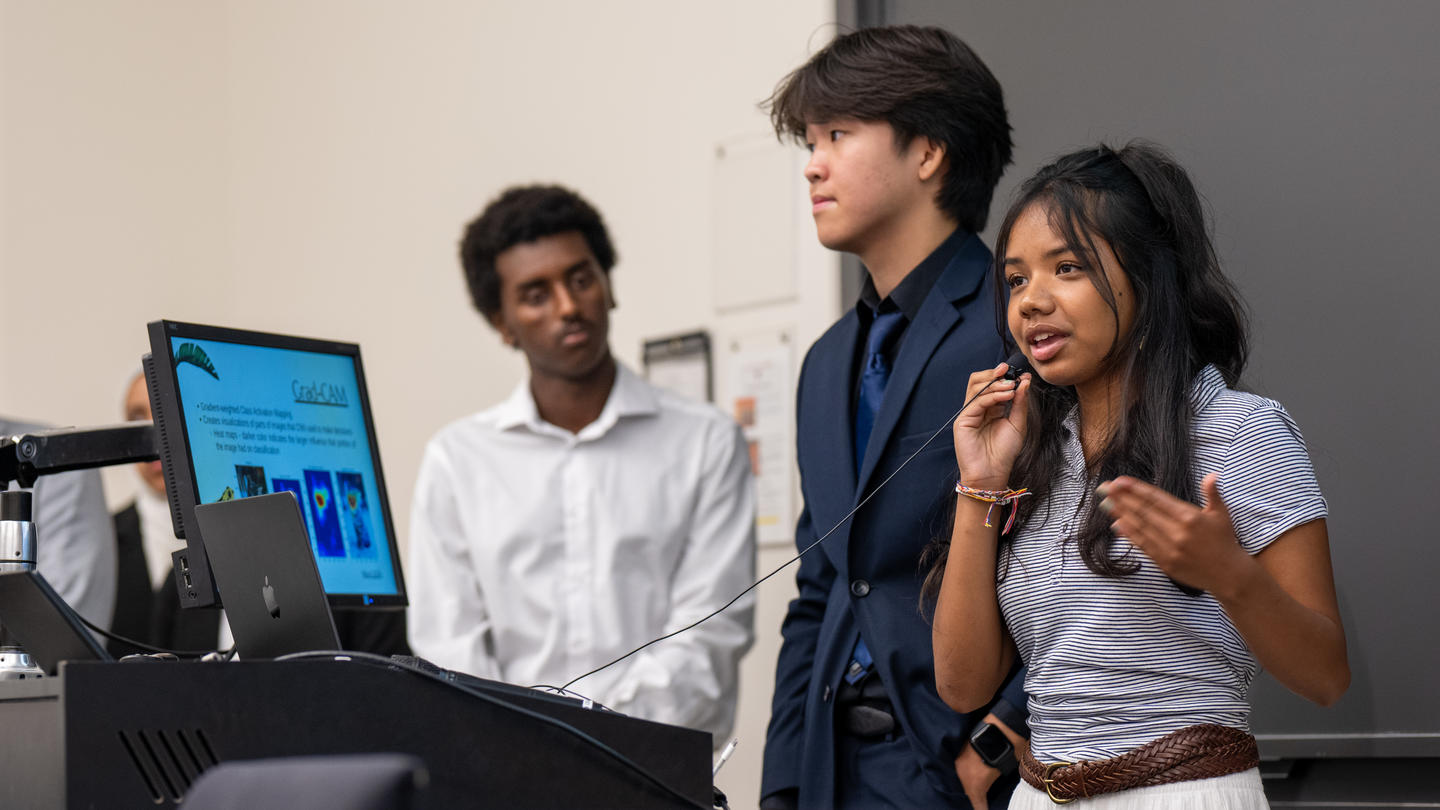
    A selective three-week summer program focused on AI for social good and ethics. Housing is included, but it’s limited to students from underrepresented backgrounds. Perfect for rising 10th graders.

    Curiosity Machine AI Challenge
    A free program where students solve community challenges using AI. Projects have ranged from recycling solutions to safe biking route prediction.

    Mentorship-Based Learning: A More Personalized Path

    While big platforms are great, some students struggle to stay consistent without personalized guidance. That’s where programs like BetterMind Labs stand out.

    BetterMind Labs is designed for high school students only and combines three elements parents value most:

    • Instructor-led sessions → students learn the foundations of AI/ML theory.

    • Mentorship with professionals → one-on-one and small-group support from graduates and industry experts.

    • Impact-driven projects → instead of generic exercises, students build real-world solutions.
    💡 Example: A group of students from Uzbekistan built a wildfire detection system using image recognition. Another student combined biology and AI to predict plant diseases — projects like these became the highlight of their college applications.

    Parents often tell me that this blend of structure + mentorship + portfolio projects is what sets BetterMind Labs apart from self-paced platforms. If your teen learns best with guidance and accountability, this program is worth exploring alongside traditional online courses.

    Interactive Platforms for Creative Learners

    MIT App Inventor
    With MIT App Inventor, students drag and drop code blocks to build apps. It’s perfect for visual learners and those intimidated by coding syntax.

    • Over 900,000 monthly active users worldwide.

    • Students can make apps that recognize images or even translate spoken words.

    Scratch Programming

    Scratch (ages 8–16) is like Lego for coding. Students snap together blocks to create animations, games, and even beginner AI models. It teaches logic without the overwhelm of text-based coding.

    Replit
    Replit is an online coding environment — think Google Docs but for code. Students can write Python, share projects, and test ML models instantly.

    Video-Based Learning for Visual Students

    Sometimes, the right video makes concepts click.

    Building a Skill Pathway (Step by Step)

    AI isn’t one skill — it’s a pathway. Here’s how parents can think about it:

    Phase

    Resources

    Why It Matters

    Foundation (Math + Python)

    Khan Academy, Codecademy, W3Schools

    Builds algebra, statistics, and coding basics.

    Data Science

    NumPy, Pandas, Matplotlib

    Teaches handling and analyzing data.

    Machine Learning

    NovaScholar guide

    Helps students progress from data analysis to model building.

    Mentorship

    BetterMind Labs

    Adds real-world projects and mentor guidance for stronger outcomes.

    Competitions & Community Engagement

    • Kaggle: Students compete by solving beginner-friendly AI problems.

    • AI4ALL & Technovation: Youth-focused AI challenges with mentorship.

    • Reddit r/MachineLearning: A global community where students can ask questions and get advice.

    These opportunities let students apply what they’ve learned, often turning coursework into portfolio projects.

    Advanced Opportunities

    Once students are confident with the basics, they can step up to more advanced challenges:

    Why These Programs Work for High Schoolers

    1. Accessible starting points (Scratch, MIT App Inventor).

    2. Progressive learning (Google courses, Elements of AI).

    3. Project-based outcomes (Veritas AI, BetterMind Labs).

    4. Mentorship to stay motivated.

    5. Portfolio-ready results that impress college admissions.

    Conclusion: Helping Your Teen Take the First Step
    As a mentor, I tell parents this all the time: It’s not about turning your child into an AI expert by junior year. It’s about helping them explore, build confidence, and create something they’re proud of.

    If your student is brand new → start with Bettermind Labs or MIT App Inventor.

    If they’re ready for more → move into BetterMind Labs Advanced Program

    The earlier students explore AI, the better prepared they’ll be — not just for college, but for a world where AI touches nearly every career.
    👉 My advice: encourage your teen to pick one beginner-friendly resource this month. That small step could be the start of something transformative.
  • Top 10 Leadership Programs for High School Students in the U.S.

    Introduction: Why Leadership Programs Matter for High School Students

    What’s the one thing top colleges like Harvard, Stanford, and MIT consistently look for beyond perfect GPAs and test scores? Leadership. The ability to step up, inspire others, and create impact is what separates extraordinary students from the rest. The good news? You don’t have to wait until college to build those skills. High school leadership programs give you the chance to practice real-world decision-making, connect with ambitious peers, and start shaping the kind of leader you want to be.

    For high school students in the U.S., leadership has become one of the most sought-after qualities by top universities and future employers. Academic success is important, but institutions like Harvard, Stanford, and MIT also look for students who demonstrate initiative, collaboration, resilience, and the ability to make an impact beyond the classroom.

    In this guide, we’ll explore the top 10 leadership programs for U.S. high school students—opportunities that can strengthen resumes, prepare students for college applications, and inspire future leaders.

    1. National Student Leadership Conference (NSLC)

    The National Student Leadership Conference is one of the most prestigious summer leadership opportunities in the U.S., offering specialized tracks in medicine, engineering, business, and diplomacy.

    • Who It’s For: High school students (grades 9–12).

    • Key Benefits: Hands-on workshops, leadership labs, and networking with professionals.

    • Why It Stands Out: Students don’t just learn about leadership—they practice it through real-world simulations such as mock trials or medical case studies.

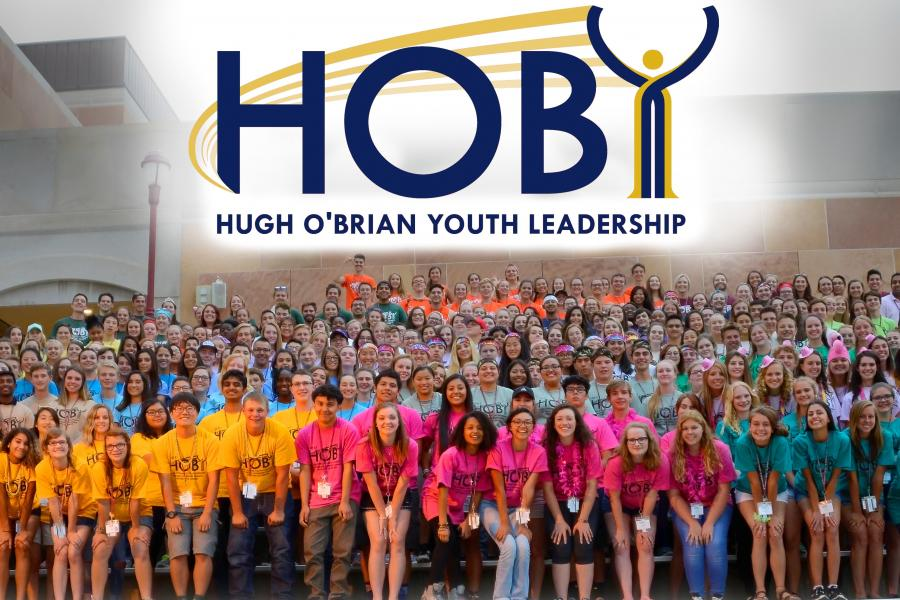
    2. Hugh O’Brian Youth Leadership (HOBY) Program

    The HOBY Leadership Program is a nonprofit initiative designed to help high school sophomores discover their leadership potential through service, innovation, and teamwork.

    • Who It’s For: 10th graders.

    • Key Benefits: State and regional seminars, mentorship opportunities, and community projects.

    • Why It Stands Out: HOBY alumni join a lifelong network of leaders passionate about service and civic engagement.

    3. American Legion Boys State and Girls State

    The Boys State and Girls State programs immerse students in the structure of government by creating mock state legislatures and elections.

    • Who It’s For: Rising seniors.

    • Key Benefits: Hands-on experience in lawmaking, elections, and civic leadership.

    • Why It Stands Out: Alumni include U.S. presidents, senators, and Supreme Court justices—showcasing its legacy of shaping national leaders.

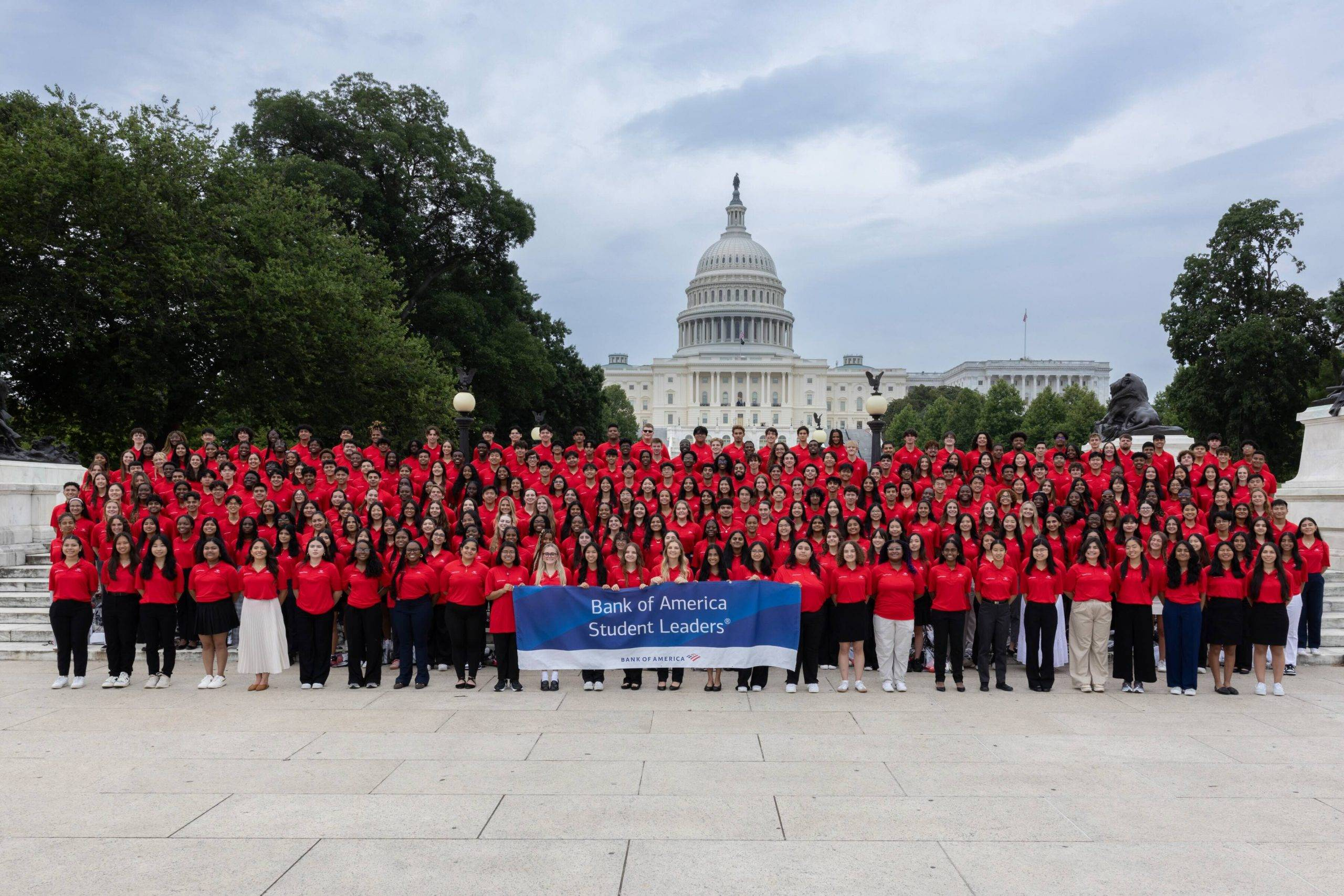
    4. Bank of America Student Leaders Program

    The Bank of America Student Leaders Program combines community service with professional experience, giving high school juniors and seniors the chance to participate in paid internships at local nonprofits.

    • Who It’s For: Juniors and seniors interested in community leadership.

    • Key Benefits: Eight-week paid internship and a leadership summit in Washington, D.C.

    • Why It Stands Out: Unlike many programs, this one provides real-world job experience alongside leadership training.

    5. The Congressional Award Program

    The Congressional Award is the official youth program of the U.S. Congress, encouraging students to set and achieve personal goals in service, physical fitness, and exploration.

    • Who It’s For: Students ages 14–23.

    • Key Benefits: Flexible, self-paced structure that adapts to individual goals.

    • Why It Stands Out: Recognition comes directly from members of Congress, making it both prestigious and highly motivational.

    6. Rotary Youth Leadership Awards (RYLA)

    The RYLA program, hosted by Rotary Clubs worldwide, emphasizes leadership through community service and ethical decision-making.

    • Who It’s For: High school students ages 14–18.

    • Key Benefits: Regional camps, team-building workshops, and mentorship from Rotary leaders.

    • Why It Stands Out: Students learn leadership by engaging in meaningful service projects that benefit their communities.

    7. Young Women’s Leadership Institute (Barnard College)

    Barnard College’s Young Women’s Leadership Institute is designed for female-identifying students who want to explore leadership through the lens of gender equity and activism.

    • Who It’s For: Rising juniors and seniors.

    • Key Benefits: College-level seminars, workshops, and connections with leaders in activism and advocacy.

    • Why It Stands Out: One of the few leadership programs in the U.S. specifically focused on empowering women in leadership roles.

    8. MIT LaunchX Entrepreneurship Program

    The MIT LaunchX Program enables students to develop real startups, guiding them from ideation to pitching to investors.

    • Who It’s For: High school students interested in entrepreneurship.

    • Key Benefits: Build a startup team, launch a venture, and gain mentorship from MIT faculty and entrepreneurs.

    • Why It Stands Out: Participants don’t just learn about business—they graduate with a real startup experience on their resumes.

    9. National Youth Leadership Forum (NYLF)

    The National Youth Leadership Forum offers career-focused leadership opportunities in fields like medicine, law, business, and national security.

    • Who It’s For: Students in grades 9–12.

    • Key Benefits: Immersive simulations, site visits, and networking with professionals.

    • Why It Stands Out: Bridges leadership with career exploration and future-readiness.

    10. The LEAD Program in Business

    The LEAD Program partners with top U.S. business schools (such as Wharton, Columbia, and Duke) to help students explore business and entrepreneurship through intensive summer institutes.

    • Who It’s For: Juniors and seniors with an interest in business.

    • Key Benefits: Mentorship, networking with industry professionals, and direct exposure to elite universities.

    • Why It Stands Out: Provides a pipeline to business education and professional leadership pathways.

    Quick Comparison Table: Top Leadership Programs for High School Students

    Program

    Focus Area

    Grade Level

    Key Benefit

    Format/Location

    NSLC

    Multiple career fields

    9–12

    Hands-on simulations

    U.S. campuses

    HOBY

    Service & innovation

    10

    State-level leadership seminars

    Nationwide

    Boys/Girls State

    Government & politics

    11

    Mock state governments

    State-based

    BofA Student Leaders

    Community service & nonprofit work

    11–12

    Paid internships + DC summit

    Nationwide

    Congressional Award

    Personal growth & service

    14–23

    Recognition from Congress

    Flexible/self-paced

    RYLA

    Community leadership

    14–18

    Service-based leadership camps

    Regional

    Barnard YWLI

    Women’s leadership

    11–12

    Gender equity leadership training

    Barnard College (NYC)

    MIT LaunchX

    Entrepreneurship

    9–12

    Build and pitch a startup

    Virtual + MIT campus

    NYLF

    Career-focused leadership

    9–12

    Simulations + career exposure

    Nationwide

    LEAD Program

    Business leadership

    11–12

    Elite university partnerships

    U.S. campuses

    Organizations such as BetterMind Labs also emphasize the role of leadership development for young innovators, helping students connect academic learning with real-world applications. Their mentorship-focused approach shows how leadership training can empower students to thrive in both college and professional pathways.

    Conclusion: Choosing the Right Leadership Program

    For high school students, leadership programs are more than summer activities they are transformative experiences that prepare young people for the future. Whether a student dreams of becoming a civic leader, a business innovator, or a community changemaker, the right program can provide the skills, confidence, and network to make that vision a reality.

    When deciding, students should look beyond prestige and ask: Does this program align with my interests, passions, and long-term goals? For those seeking structured mentorship and the chance to combine leadership with innovation, organizations like BetterMind Labs showcase how guided experiences can turn potential into impact.

    Ultimately, leadership is not about titles it’s about the ability to inspire, collaborate, and create change. These programs are stepping stones, helping high school students across the U.S. unlock their full potential as the next generation of leaders.

    Explore these options, talk with mentors and counselors, and take the leap. The journey to becoming a confident leader starts today.

  • Top Programs for High School Students in Winter 2025

    Introduction

    If you’re a high school student in the U.S. who’s serious about building a strong college application, you’ve probably already heard that extracurriculars can make or break your profile. But not all programs are created equal.

    With selective admissions and the rising importance of real-world projects, programs in AI, healthcare, and research stand out the most in 2025. Colleges don’t just want to see passion; they want to see impact and initiative.

    In this blog, I’ll break down some of the top programs starting in Winter 2025, highlight what makes them special.

    As a college counselor, I’ll guide you through what admissions officers actually value in these programs, and how you can use them to your advantage.

    Why Programs Like These Matter for College Admissions

    Colleges want to admit students who show more than academic strength. According to a National Association for College Admission Counseling (NACAC) survey, admissions officers consistently look at extracurriculars, personal impact, and recommendation letters alongside GPA and test scores.

    Programs that combine real-world applications, selective admissions, and mentorship stand out because they:

    • Prove you can work on college-level material.

    • Provide strong recommendation letters.

    • Give you tangible outputs like research papers, portfolios, or certifications.

    Other Top Programs for High School Students in Healthcare & Technology (September 2025)

    1. Stanford Clinical Skills Internship

    • Stanford CSI offers hands-on medical training like patient history-taking, suturing, and organ dissections.

    • Dates: Sept 10 – Nov 12, 2025.

    • Cost: $1,980.

    • Admissions: Highly competitive, with direct mentorship from Stanford Medicine faculty.

    • Why It Matters: Clinical exposure is rare at the high school level, making this program a gold standard for pre-med students.

    2. BetterMind Labs AI & ML Certification

    BetterMind Labs AI & ML Certification is not just another online bootcamp. It’s a selective program (<8% acceptance rate) designed for high school students in grades 8–12 who want to stand out in competitive college applications.

    Key Highlights:

    Start Date: September 13, 2025

    Format: Online, weekends only (8 weeks)

    Cost: $1,000 (scholarships and payment plans available)

    Time Commitment: 6–8 hours/week

    3. Veritas AI Fellowship (Top 3 Overall)

    • Veritas AI is a 12–15 week fellowship where students work 1-on-1 with PhD mentors on individual AI research projects.

    • Cost: Starts at $2,290.

    • Why It Matters: The potential to publish research makes this program very appealing for students targeting top-tier universities.

    4. Inspirit AI Scholars (Ranked 4th)

    • Inspirit AI Scholars is a 10-session online program (25 hours total) developed by Stanford and MIT alumni.

    • Cost: $1,400.

    • Focuses on AI for Social Good projects with group-based learning.

    • Why It’s Ranked 4th: Strong brand name and mentorship, but less selective compared to BetterMind Labs and Veritas AI.

    5. Lumiere Research Scholar Program

    • Lumiere Foundation connects students with Harvard and Oxford PhD mentors.

    • Fall 2025 session runs for 12 weeks.

    • Output: A 15-page research paper, with potential for publication.

    • Why It Matters: A polished research paper is an excellent supplement for applications to research-heavy colleges.

    Comparison Table: Top Programs September 2025

    Program

    Field

    Duration

    Cost

    Selectivity

    Key Outcome

    Stanford CSI

    Healthcare

    10 weeks

    $1,980

    High Selective

    Clinical skills + faculty mentorship

    BetterMind Labs

    Multi-disciplinary + AI Research

    8 weeks

    $1,000

    Selective, ~8% acceptance

    Real world AI project portfolio + certificate + LOR

    Veritas AI Fellowship

    AI/Research

    12–15 weeks

    $2,290+

    Selective

    Research publication potential

    Inspirit AI Scholars

    AI/Social Good

    10 sessions

    $1,400

    Moderate

    AI group project + mentorship

    Lumiere Research

    Multi-disciplinary Research

    12 weeks

    Varies

    Selective

    15-page research paper + mentor recs

    Strategic Tips for Students Applying in Fall 2025

    1. Upcoming Cohorts: Fall 2025 (Sep–Nov), Winter 2026 (Jan–Mar), Spring 2026 (Apr–Jun)

      Format: Online, weekends only (8 weeks)

      Time Commitment: 6–8 hours/week

      Support: Scholarships and payment plans available

    2. Match Program to Interest: Don’t just pick based on rank. If you’re pre-med, Stanford CSI is unbeatable. If you want a mix of tech and social impact, BetterMind Labs or Inspirit AI works better.

    3. Think about outcomes: Colleges care about outputs portfolios, research papers, certificates. Programs that leave you with nothing tangible don’t hold the same weight.

    4. Leverage Mentorship: Don’t just attend the program. Build relationships with mentors. Strong letters of recommendation from PhDs or industry professionals can carry a lot of weight.

    Conclusion

    Choosing the right program isn’t about chasing prestige alone. it’s about finding the right fit for your goals and what admissions committees want to see. For Fall 2025, the hierarchy looks clear:

    1. Stanford CSI – Best for healthcare-bound students.

    2. BetterMind Labs – Best for AI/ML with tangible impact + selectivity.

    3. Veritas AI – Best for research and publication-driven students.

    4. Inspirit AI – Strong but less selective, great for collaborative projects.

    If you’re serious about boosting your college applications this fall, my advice is simple: apply early, focus on outcomes, and use mentorship to your advantage. Programs like BetterMind Labs can make the difference between blending in and standing out.

    If you’re ready to elevate your college application, check out the BetterMind Labs AI & ML Certification before the August 30th deadline. This could be the credential that sets you apart in this year’s highly competitive admissions cycle.

  • How to Get Your Kid Started with AI in 2027

    Since technology enters every aspect of modern life, artificial intelligence (AI) is no longer limited to adults. Children are also finding it to be an interesting and significant subject! Increasingly, parents and teachers are recognizing the importance of preparing children for a future filled with tech. AI classes for kids are a great way to show them how AI works while also boosting their skills in thinking critically, being creative, and solving problems.

    Why Should Kids Learn AI?

    AI is changing everything, from healthcare to entertainment, and understanding it is becoming an important skill. Here’s why kids should start learning AI early:

    Future Jobs: AI will play a big part in many jobs, so learning it early gives kids a head start.

    Problem Solving: AI classes help kids learn how to think critically and find solutions to problems.

    Creativity: Kids can create cool AI projects like games and chatbots, which boosts their creativity.

    Fun Learning: Many AI classes make learning fun with interactive games and tools.

    Top AI Classes for Kids in 2027:

    BetterMind Labs AI Program

    • Age Group: 12-16 years

    • Format: Online (live classes)

    • USP: 10 live sessions with industry experts, personalized mentorship (12-16 calls), project resources, and exclusive alumni community access.

    Create & Learn AI Explorers

    • Age Group: 9-12 years

    • Format: Online (live classes)

    • Price: $25 per session

    • USP: Hands-on projects, small class sizes, and expert instructors.

    Kodeclik AI Classes

    • Age Group: 6-18 years

    • Format: Online (live classes)

    • Price: $299 per course

    • USP: Personalized feedback, small group sessions, and hands-on projects.

    AI World School

    • Age Group: 7-18 years

    • Format: Online (self-paced)

    • Price: $99 per course

    • USP: Affordable, project-based learning with a focus on real-world applications.

    How to Choose the Best AI Class for Your Child

    With many AI classes available, here are some tips to help you find the perfect fit for your child:

    1. Age-Appropriate Content: Choose a class that matches your child’s age and skill level.

    2. Interactive Learning: Look for classes with fun games, projects, and hands-on activities to keep your child engaged.

    3. Qualified Instructors: Check the instructors’ qualifications and read reviews from other parents.

    4. Cost and Flexibility: Consider your budget and whether the class offers flexible scheduling options.

    Choosing the right AI class for your child can make a huge difference in their educational journey. Whether they’re just starting or looking to dive deeper into the world of AI, plenty of programs fit their needs. By considering factors like age, learning style, instructor quality, and budget, you can find the perfect class to inspire your child’s curiosity and skills in AI.

    BetterMind Labs takes it a step further by offering personalized mentorship and real-world experiences, ensuring that your child learns and applies their knowledge in meaningful ways. With expert-led sessions and hands-on projects, BetterMind Labs will help your child develop critical skills and stand out in the tech field, giving them the foundation they need to succeed academically and professionally.