Tag: Research Programs

  • Top Medical Internships for High School Students (2025): A Mentor’s Guide for Parents & Teens

    Introduction:

    If your teen lights up when they talk about biology, brains, or bio-tech, you’re probably asking the same question I hear from families every week:

    How can a high school student get meaningful experience in healthcare—before college?
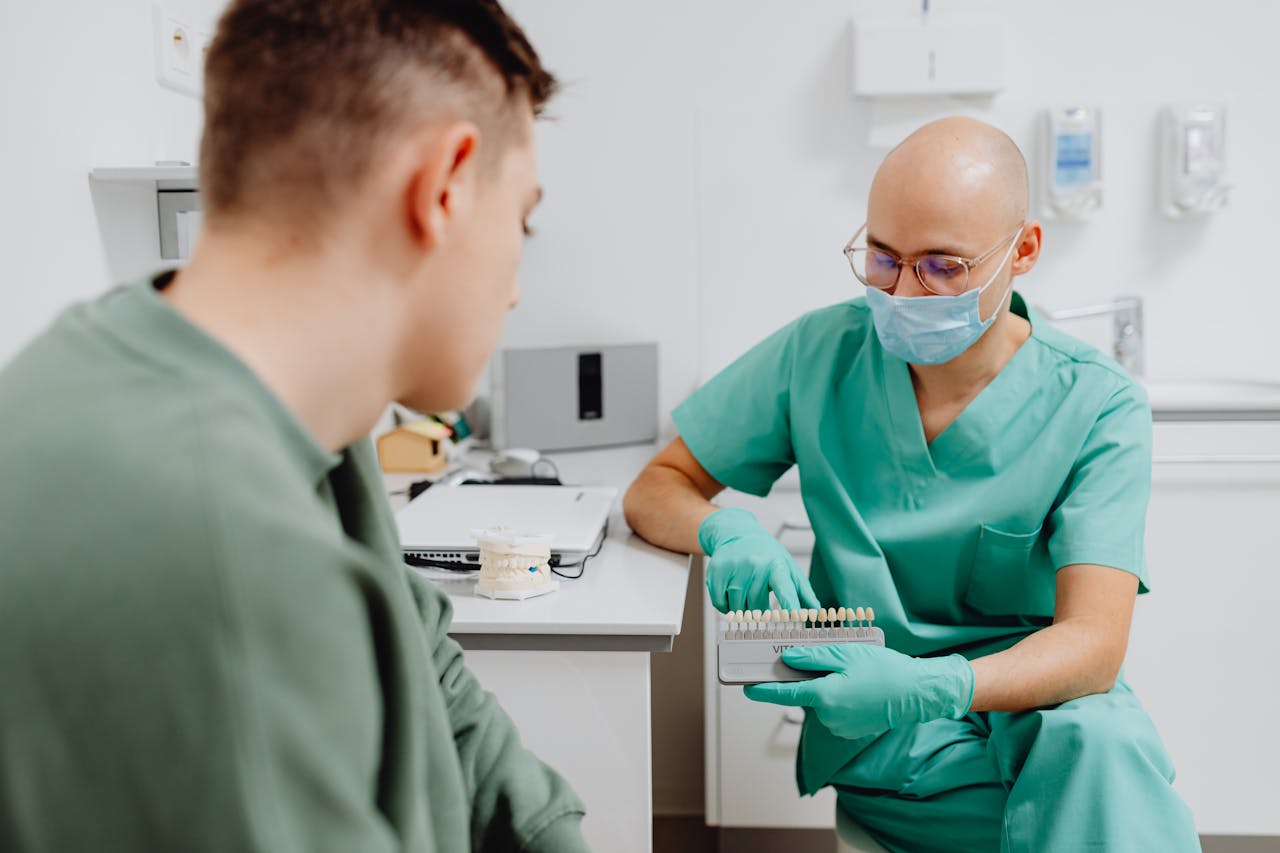
    The short answer: medical internships. Done right, the experience can be equal parts reality check, confidence booster, and a serious admissions edge.

    In this guide, I’ll walk you through the best medical internships for high schoolers in the USA, how they differ (research vs. clinical vs. AI), who they’re for, what they cost, and how to apply with a strategy that actually works. I’ll also show how students are using AI in healthcare including projects like skin-care detection and protein folding prediction, to stand out on applications and build real skills for the future.

    Many of the programs and facts below come from a curated research PDF; I’ve hyperlinked each program directly so you can click and verify details as you go.

    What “counts” as a medical internship in high school?

    Not all experiences look the same—and that’s okay. Most opportunities break into three buckets:

    1) Hospital-based volunteering (patient-facing foundations)

    Examples include children’s hospitals and community health systems where teens (often 15–16+) help with hospitality, patient escort, or unit support.

    • Children’s National Hospital Summer Volunteer Program (DC) — age 15+, structured 6-week program with guest speakers and group projects. Learn more.

    • UCLA Health Volunteen (Los Angeles) — minimum age 16; vaccinations and other requirements apply. Program page.

    • Valley Health System High School Volunteers (NJ) — minimum age 15; no shadowing for high-schoolers, summer 2025 applications reported as closed. Details here.

    2) Research-focused internships (lab exposure & mentorship)

    These put students alongside scientists in labs—ideal for teens who love biology, chemistry, and problem-solving. Competitive? Yes. Worth it? Absolutely. Highlights include:
    • NIH High School Summer Internship Program (SIP) — nationwide NIH campuses; historically 8+ weeks with stipend; note: the 2025 cohort is listed as canceled in our source PDF. Program page.

    • Stanford Institutes of Medicine Summer Research Program (SIMR) — advanced lab work with areas like cancer biology and immunology (often referenced within curated internship roundups). See overview via this roundup on Ladder Internships: SIMR + other top programs.

    • BetterMind Labs Healthcare Research Program — 4–8 weeks, online, small cohorts (<10), grades 8–12, no prior coding required and industry-recognized certification + recommendation letters from healthcare professionals.

    • Fred Hutch Cancer Center (SHIP) — Seattle-based, 8 weeks, hands-on lab immersion; see program context and stipend ranges in this CollegeVine guide: Medical Internships for High School Students.

    • Harvard Medical School’s Project Success — lab placement + mentorship for underrepresented/disadvantaged students. Summary info here: Harvard Project Success (overview).

    3) AI + healthcare programs (data, coding, and clinical impact)
    The fastest-growing category blends machine learning with real medical problems (diagnostics, triage, mental health, drug discovery). This is where many students create portfolio-ready work and fresh angles for their college essays. A standout option from our research set is BetterMind Labs’ AI/ML Program:

    • BetterMind Labs AI/ML (Healthcare) Program — 4–8 weeks, online, small cohorts (<10), grades 8–12, no prior coding required and industry-recognized certification + recommendation letters from healthcare professionals.

    Past work includes antibiotic ranking models, mental health check-in bots, and medical data analysis; we also mentor projects like skin-care detection and protein-folding prediction. Explore the program page and student projects: Program overview and Student AI projects in healthcare.

    Mentor note: If your teen is earlier in high school (freshman/sophomore), start with local volunteering or an online AI-healthcare project to build momentum; then target the big research programs junior year.

    At-a-glance: programs, eligibility, and focus

    Below is a quick snapshot to help parents and students compare. (Click any program name for details.)

    Program

    Type

    Duration

    Eligibility

    Focus / Link

    BetterMind Labs AI/ML

    AI + Healthcare

    4–8 weeks

    Grades 8–12

    Program • Student projects

    Harvard Project Success

    Research + Mentorship

    6 weeks

    Underrepresented/disadvantaged

    Overview

    Children’s National

    Hospital Volunteering

    6 weeks

    Age 15+

    Program page

    NIH SIP

    Research

    8+ weeks

    HS juniors/seniors

    NIH SIP

    Stanford SIMR

    Research

    ~8 weeks

    Typically 16+, juniors/seniors

    SIMR roundup

    Fred Hutch SHIP

    Research

    8 weeks

    Rising 12th graders

    Fred Hutch in CollegeVine guide

    Ladder Internships (Healthcare)

    Virtual Internship

    8–16 weeks

    HS students

    Ladder healthcare

    Scripps Research

    Research

    ~10 weeks

    Advanced HS

    Program page

    Valley Health (NJ)

    Hospital Volunteering

    Varies

    Age 15+

    Program page

    UCLA Volunteening

    Hospital Volunteering

    Varies

    Age 16+

    Program page

    The AI advantage: how teens are doing real healthcare work (and writing better essays)

    Families often ask, “Is AI really for high schoolers?” Absolutely—when it’s guided and ethical. In our BetterMind Labs cohorts, students build projects that connect directly to healthcare problems and college-level research thinking:

    • Skin-care detection — students collect ethically sourced images (or medically validated datasets), annotate them, and train classification models to flag suspicious lesions. In essays, they reflect on model limitations, bias, and the importance of clinical validation—showing maturity beyond “I did a Kaggle project.”

    • Protein folding prediction — students learn how sequence data and structural biology inform drug discovery. Even simplified pipelines (feature engineering, embeddings, lightweight models) help teens show genuine domain curiosity and computational thinking.

    • Antibiotic ranking and mental health check-ins — projects using real-world data or privacy-first conversational bots to increase access or efficiency. See past student highlights here: AI projects by high school students.

    Why colleges care: Portfolios like these demonstrate initiative, technical depth, and ethical awareness—and they complement (not replace) hospital volunteering or research programs. If your teen wants both clinical empathy and computational skill, this route is gold. Learn about the structure, cohorts, and certification here: BetterMind Labs AI/ML Program.

    Application strategy: how to maximize your teen’s chances

    Here’s exactly how I advise my juniors:

    Start early (really early)

    Many sought-after programs finalize by February–March. That means drafting your list in November–December, requesting recommendations in January, and polishing essays before sports/tests spike. This timeline is echoed across multiple program roundups in our research set.

    Build a layered profile

    Admissions teams want evidence of sustained interest—not just a one-off camp. Strong combinations include:

    • Local hospital volunteering (schedule consistency matters) — find roles with Children’s National, UCLA Volunteen, or your nearest community health system. Children’s National • UCLA Volunteen • Valley Health (NJ).

    • One research program (stretch) — NIH SIP (when offered), Fred Hutch SHIP, or Stanford SIMR via competitive application. NIH SIP • Fred Hutch context • SIMR roundup.

    • One AI-healthcare project — ideally mentored, producing a portfolio + reflection on ethics, limitations, and next steps; consider BetterMind Labs.

    Essays that land (parents can help here)

    Prompt your teen to answer:

    1. Why medicine, specifically? (A real story > generic altruism.)

    2. What have you done that shows commitment? (Volunteering hours, AI project outcomes, lab notebooks.)

    3. What will you learn next? (Show curiosity and a growth plan.)

    Where to look for additional ideas

    Key selection factors (choose like an admissions reader)

    When comparing programs, I suggest families look at:

    1. Learning outcomes — Will your teen gain real skills (wet-lab techniques, data analysis, patient interaction, responsible AI)?

    2. Mentorship & cohort size — Small cohorts and direct feedback beat massive lecture-style programs. (BetterMind Labs runs <10 per cohort to guarantee mentorship.) See details.

    3. Deliverables — Posters, code repositories, reflections, and recommendation letters carry forward to college apps. (Our program includes industry-recognized certification and letters from healthcare professionals.) Program overview.

    4. Time & fit — Align with sports, APs, and family schedules. (Many options offer online or hybrid formats, such as Ladder’s fully virtual placements.) Explore options.

    5. Cost vs. value — Balance free/paid choices. Remember: hospital volunteering is free and impactful, while mentored AI/research programs often charge because of 1:1 guidance and specialized faculty.

    Quick comparison: Research vs. Hospital vs. AI-healthcare

    Dimension

    Research Internship

    Hospital Volunteering

    AI + Healthcare Project

    Primary gain

    Lab skills, scientific method

    Patient exposure, teamwork, empathy

    Data/ML skills, healthcare impact

    Time frame

    6–10 weeks summer

    Ongoing (semester/summer)

    4–8 weeks (mentored)

    Cost

    Usually free / paid

    Free

    Often paid (for mentorship)

    Deliverables

    Poster, lab notebook, mentor letter

    Service hours, supervisor letter

    Code repo, model evals, certification, mentor letter

    Great for

    Science-first students

    Clinically curious students

    Tech-curious students who love medicine

    (Examples hyperlinked above: BetterMind Labs, NIH SIP, Fred Hutch, Stanford SIMR; Children’s National, UCLA; , Ladder, Lumiere.)

    What parents and students ask me most

    Q1: Do I need prior research or coding experience?

    No. Many programs teach from the ground up—especially hospital volunteering and mentored AI programs. BetterMind Labs, for example, welcomes grades 8–12 with no prior coding required and builds skills step-by-step. Program details.

    Q2: Are paid internships “worth it”?
    If the program provides real mentorship, small cohorts, clear deliverables, and letters, the ROI can be strong—particularly for AI-healthcare where expert guidance accelerates learning. Balance these with free clinical volunteering for empathy and service. (See Ladder for virtual placements and Children’s National/UCLA for free volunteering.) Ladder • Children’s National • UCLA Volunteen.

    Q3: Can high schoolers “shadow” doctors?

    Many hospitals limit or prohibit shadowing for minors (e.g., Valley Health explicitly states no shadowing for HS students). Expect roles in support services rather than clinical decision-making. Valley Health HS Volunteers.

    Q4: What about NIH this year?

    Our source indicates NIH SIP 2025 is canceled—so target other research programs or virtual AI-healthcare options this cycle. NIH SIP page.

    Conclusion: A clear path forward (and a nudge)
    If your teen is serious about medicine, the best plan blends clinical exposure, research depth, and modern AI-healthcare skills:

    1. Pick 1–2 hospital programs for steady patient-facing experience — e.g., Children’s National, UCLA Volunteen, or your local system.

    2. Apply to 2–3 research internships (stretch + match) — e.g., SIMR, Fred Hutch SHIP (see roundups via Ladder and CollegeVine). Ladder guide • CollegeVine guide.

    3. Build an AI-healthcare capstone with mentorship and tangible outputs (code, poster, letter)—great for essays and interviews. If your teen wants to try skin-care detection or protein folding prediction, our BetterMind Labs AI/ML Program is designed exactly for that.
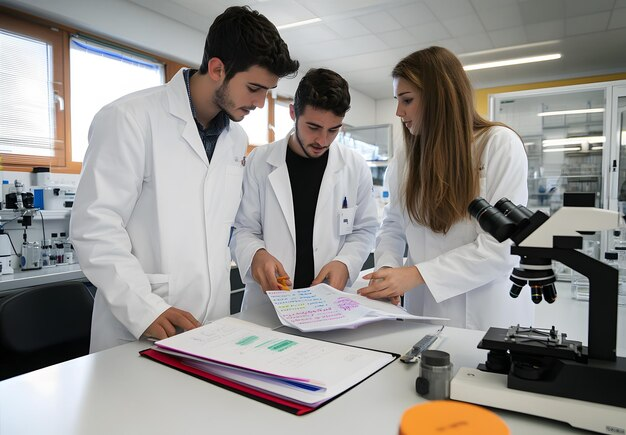
  • Research Programs for High School Students in 2025

    Are you a high school student ready to explore exciting fields like research, STEM, or other cool areas? Whether you dream of building rockets, solving medical problems, or diving into the humanities, plenty of programs are designed just for you. In this post, we’ve compiled a list of top programs to help you find the best fit for your future. Think of this list as your starting point to research each program and find the one that matches your goals and interests! Let’s get you on the path to success.

    STEM Focused Programs

    1. Research Science Institute (RSI)

      • Application Deadline: January 12, 2025

      • Area: STEM (varied disciplines)

      • Program Dates: June 23 – August 3, 2025

    2. MIT’s Minority Introduction to Engineering and Science (MITES)

      • Application Deadline: February 1, 2025

      • Cost: Free

      • Area: Engineering & Science

      • Program Dates: June 22 – August 2, 2025

    3. Stanford University’s High School Summer College

      • Application Deadline: March 1, 2025

      • Cost: $16,000 (financial aid available)

      • Area: Various STEM and Humanities courses

    Program Dates: June 22 – August 18, 2025

    Pre-Medical Programs

    1. Stanford Medical Youth Science Program (SMYSP)

      • Application Deadline: March 1, 2025

      • Cost: Free

      • Area: Pre-Med

      • Program Dates: July 6 – August 3, 2025

    2. National Institutes of Health (NIH) High School Summer Internship Program

      • Application Deadline: February 1, 2025

      • Cost: Free (stipend provided)

      • Area: Biomedical Research

      • Program Dates: Varies by project (generally 8 weeks in summer)
        General Research & Leadership Programs

        1. Summer Science Program (SSP)

          • Application Deadline: March 3, 2025

          • Cost: $5,950 (financial aid available)

          • Area: Astrophysics, Biochemistry

          • Program Dates: June 22 – July 31, 2025

        2. Yale Young Global Scholars (YYGS)

          • Application Deadline: January 10, 2025 (Priority), February 6, 2025 (Final)

          • Cost: $6,500

          • Area: Interdisciplinary (STEM, Humanities, Social Sciences)

          • Program Dates: June 16 – August 2, 2025

        3. Carnegie Mellon Summer Academy for Math and Science (SAMS)

          • Application Deadline: March 15, 2025

          • Cost: Free (includes room, board, and supplies)

          • Area: STEM, Math, Science

          • Program Dates: July 6 – August 9, 2025

        4. Princeton University Summer Journalism Program

          • Application Deadline: February 15, 2025

          • Cost: Free (travel included)

          • Area: Journalism

          • Program Dates: August 1 – August 14, 2025

        5. Boston University Research in Science & Engineering (RISE)

          • Application Deadline: February 28, 2025

          • Cost: $5,150

          • Area: STEM

          • Program Dates: July 7 – August 15, 2025

        6. Cornell Summer College

          • Application Deadline: March 1, 2025

          • Cost: $6,310 per course (financial aid available)

          • Area: Various STEM, Humanities, and Pre-Law

          • Program Dates: June 24 – August 6, 2025

        7. University of Chicago’s Pathways in Molecular Engineering

          • Application Deadline: February 29, 2025

          • Cost: $3,250 (financial aid available)

          • Area: Molecular Engineering

          • Program Dates: July 8 – July 28, 2025

        8. Columbia University Summer Immersion Program

          • Application Deadline: March 15, 2025

          • Cost: $11,000

          • Area: Interdisciplinary (STEM, Humanities, Arts)

          • Program Dates: June 24 – August 2, 2025

        9. Northwestern University College Prep Program

          • Application Deadline: May 1, 2025

          • Cost: $8,300

          • Area: STEM, Humanities, Business

          • Program Dates: July 1 – August 4, 2025

        10. California State Summer School for Mathematics and Science (COSMOS)

          • Application Deadline: February 1, 2025

          • Cost: $4,550 (financial aid available)

          • Area: STEM

          • Program Dates: July 7 – August 3, 2025

        11. University of Michigan Math and Science Scholars

          • Application Deadline: March 15, 2025

          • Cost: $3,950 per session

          • Area: Math and Science

          • Program Dates: July 8 – July 27, 2025 (Session 1)

        12. University of Pennsylvania’s Summer Academy in Applied Science and Technology (SAAST)

          • Application Deadline: March 5, 2025

          • Cost: $7,495

          • Area: STEM (Applied Science & Tech)

          • Program Dates: July 7 – July 27, 2025

        13. Duke University’s Summer Session for High School Students

          • Application Deadline: April 1, 2025

          • Cost: $7,745

          • Area: STEM, Humanities

          • Program Dates: July 10 – August 1, 2025

        14. Brown University Pre-College Programs

          • Application Deadline: Rolling until May 15, 2025

          • Cost: $4,200 per session

          • Area: Interdisciplinary

          • Program Dates: June 26 – August 3, 2025

        15. Vanderbilt University’s Summer Academy

          • Application Deadline: March 1, 2025

          • Cost: $4,250

          • Area: STEM, Humanities, Business

          • Program Dates: July 6 – July 27, 2025

        16. Stevens Institute of Technology Pre-College Program

          • Application Deadline: April 1, 2025

          • Cost: $2,700

          • Area: Engineering, Technology

          • Program Dates: July 8 – July 28, 2025

        17. University of Notre Dame’s Leadership Seminars

          • Application Deadline: January 24, 2025

          • Cost: Free

          • Area: Humanities, Social Justice

          • Program Dates: July 13 – August 3, 2025

        18. Carleton Liberal Arts Experience (CLAE)

          • Application Deadline: April 1, 2025

          • Cost: Free

          • Area: Liberal Arts

          • Program Dates: July 7 – July 14, 2025

        19. Boston Leadership Institute

          • Application Deadline: Rolling until June 1, 2025

          • Cost: $2,200 per session

          • Area: STEM, Medicine, Business

          • Program Dates: Varies by session (3-week and 1-week options available)

        20. University of Southern California’s Bovard Scholars Program

          • Application Deadline: January 19, 2025

          • Cost: Free

          • Area: College Prep, Leadership

          • Program Dates: July 8 – July 28, 2025

        21. George Washington University Pre-College Program

          • Application Deadline: April 1, 2025

          • Cost: $3,500 per session

          • Area: Interdisciplinary

          • Program Dates: July 7 – August 2, 2025

        22. Wake Forest University Summer Immersion Program

          • Application Deadline: Rolling until June 1, 2025

          • Cost: $2,500 per session

          • Area: STEM, Business, Law

          • Program Dates: June 25 – July 29, 2025 (Multiple sessions)

        23. Aspire High School Program (UCLA Extension)

          • Application Deadline: May 15, 2025

          • Cost: $4,500

          • Area: Interdisciplinary

          • Program Dates: July 10 – August 7, 2025

        24. Marist Pre-College Programs

          • Application Deadline: June 1, 2025

          • Cost: $3,700

          • Area: Business, Fashion, STEM

          • Program Dates: July 14 – August 2, 2025

        25. Washington University in St. Louis Pre-College Programs

          • Application Deadline: March 15, 2025

          • Cost: $6,000 per course

          • Area: Interdisciplinary

          • Program Dates: July 7 – August 2, 2025

        26. Smith College Summer Science and Engineering Program

          • Application Deadline: March 1, 2025

          • Cost: $5,500

          • Area: STEM (Science & Engineering)

          • Program Dates: July 5 – July 31, 2025

        27. Spelman College Early College Program

          • Application Deadline: April 15, 2025

          • Cost: $3,500

          • Area: Humanities, STEM

          • Program Dates: July 1 – July 29, 2025

        28. Barnard College Pre-College Programs

          • Application Deadline: April 10, 2025

          • Cost: $5,700

          • Area: Humanities, Arts

          • Program Dates: June 30 – July 25, 2025

        29. The Experiment Digital: Global Issues

          • Application Deadline: May 1, 2025

          • Cost: $1,250

          • Area: Humanities, Social Justice

          • Program Dates: July 9 – August 2, 2025

        30. Wake Forest University Summer Immersion Program

          • Application Deadline: Rolling until June 1, 2025

          • Cost: $2,500 per session

          • Area: STEM, Business, Law

          • Program Dates: June 25 – July 29, 2025 (Multiple sessions)

        31. Aspire High School Program (UCLA Extension)

          • Application Deadline: May 15, 2025

          • Cost: $4,500

          • Area: Interdisciplinary

          • Program Dates: July 10 – August 7, 2025

        32. Marist Pre-College Programs

          • Application Deadline: June 1, 2025

          • Cost: $3,700

          • Area: Business, Fashion, STEM

          • Program Dates: July 14 – August 2, 2025

        33. Washington University in St. Louis Pre-College Programs

          • Application Deadline: March 15, 2025

          • Cost: $6,000 per course

          • Area: Interdisciplinary

          • Program Dates: July 7 – August 2, 2025

        34. Smith College Summer Science and Engineering Program

          • Application Deadline: March 1, 2025

          • Cost: $5,500

          • Area: STEM (Science & Engineering)

          • Program Dates: July 5 – July 31, 2025

        35. Spelman College Early College Program

          • Application Deadline: April 15, 2025

          • Cost: $3,500

          • Area: Humanities, STEM

          • Program Dates: July 1 – July 29, 2025

        36. Barnard College Pre-College Programs

          • Application Deadline: April 10, 2025

          • Cost: $5,700

          • Area: Humanities, Arts

          • Program Dates: June 30 – July 25, 2025

        37. The Experiment Digital: Global Issues

          • Application Deadline: May 1, 2025

          • Cost: $1,250

          • Area: Humanities, Social Justice

          • Program Dates: July 9 – August 2, 2025

        Joining a research program as a high school student is an amazing way to discover your passions, gain real-world experience, and make your college application shine. With this list of diverse opportunities, there’s something for everyone—whether you’re interested in science, art, leadership, or anything in between. Time is ticking, so start your applications today and take that first step toward an exciting and successful future!

        At BetterMindLabs, we’re here to guide you through every step of your college prep journey. Our tailored programs help you explore research opportunities, refine your application materials, and build the skills that will set you apart. Whether you’re looking for advice on choosing the right program or need assistance with your application, BetterMindLabs is your go-to resource for turning your college dreams into reality. Let’s work together to make sure you stand out and reach your goals!