Introduction: Why NLP Matters More Than You Think
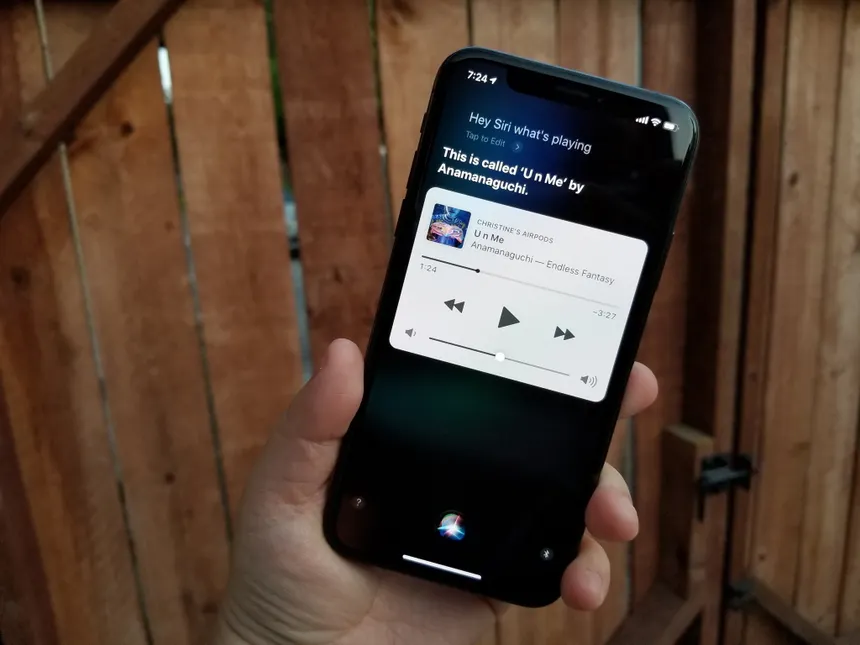
Ever asked Siri to play your favorite song, or used Google Translate to understand a foreign phrase? If yes, you’ve already experienced Natural Language Processing (NLP) one of the most exciting branches of Artificial Intelligence (AI).
NLP is all about teaching computers to understand, interpret, and even generate human language in a way that feels natural to us. Think of it as building a bridge between how humans talk and how computers think.
For high school students, learning NLP isn’t just about coding — it’s about unlocking the ability to create technology that communicates like a human. Whether you’re into programming, linguistics, or just love solving problems, NLP is a skill worth adding to your toolkit.
In this guide, we’ll go through
-
What is Natural Language Processing?
-
How Does NLP Work?
-
Key NLP Techniques
-
Real-World Applications of NLP
-
NLP Projects for High School Students
-
Careers and Future Opportunities
-
FAQs
-
Conclusion
What is Natural Language Processing?
In simple terms, NLP is the field of AI that helps computers understand human language — both written and spoken. It blends three major areas:
-
Computer Science – algorithms and data structures that make language processing possible
-
Linguistics – the rules and structure of language
-
Artificial Intelligence – machine learning models that help computers detect meaning and patterns
When done right, NLP allows technology to read, listen, and respond like a human. From chatbots in customer service to spam filters in Gmail, it’s everywhere.
How Does NLP Work?
NLP has two main phases:
1. Data Preprocessing — “Cleaning” the Text
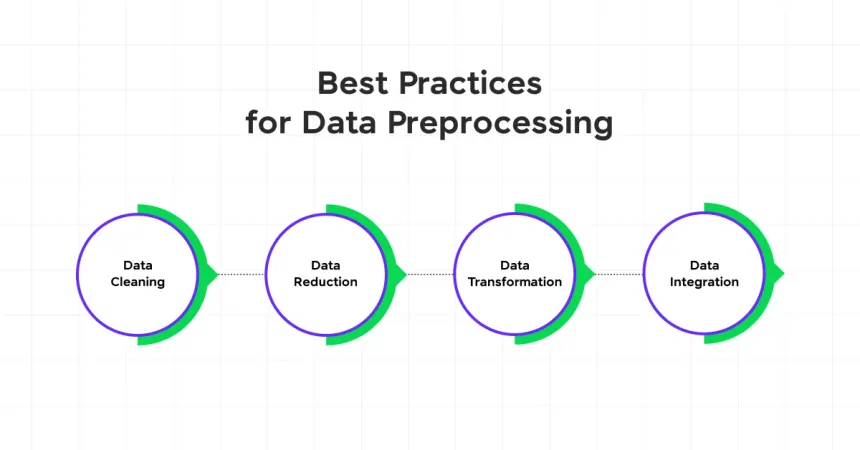
Before computers can understand language, they need it in a clean, structured form. Common steps include:
-
Tokenization – breaking text into words or sentences. Example: “NLP is fascinating!” becomes [“NLP”, “is”, “fascinating”, “!”] (Learn more).
-
Stop Word Removal – removing common words like “the” or “is” that don’t add much meaning.
-
Stemming & Lemmatization – reducing words to their base form. “Running” becomes “run,” “better” becomes “good” (explained here).
2. Algorithm Development — “Teaching” the Computer
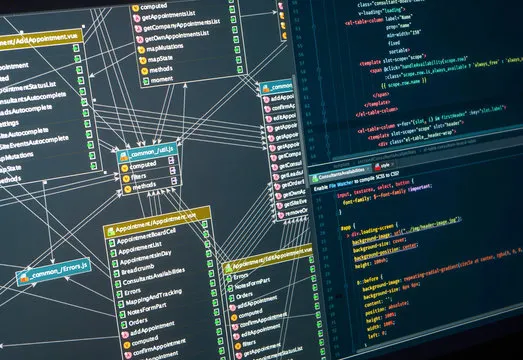
Once data is clean, AI models analyze it to detect patterns, classify content, or generate responses. Techniques range from simple frequency counts to advanced transformer-based models like ChatGPT.
Key NLP Techniques (Explained Simply)
|
Technique |
What It Does |
Real-World Use |
|
Tokenization |
Breaks text into small units (words, phrases) |
Splitting sentences for AI chatbots |
|
Stemming & Lemmatization |
Groups similar word forms together |
Improves search engine accuracy |
|
Sentiment Analysis |
Detects if text is positive, negative, or neutral |
Analyzing customer reviews |
|
Named Entity Recognition (NER) |
Identifies names, places, dates, and organizations |
News article summarization |
|
Part-of-Speech Tagging |
Labels words as nouns, verbs, adjectives, etc. |
Grammar check tools |
You can dive deeper into these techniques in this detailed beginner’s guide.
Real-World Examples of NLP You Already Use
1. Smart Assistants
When you say, “Hey Alexa, set a timer for 5 minutes”, NLP converts your speech into text, figures out the intent, and responds appropriately.
2. Email Filters
Spam detection tools like Gmail’s use NLP to scan for suspicious phrases or patterns (how it works).
3. Predictive Text & Autocorrect
Your phone predicts what you’re about to type based on your previous usage. Over time, it learns your style.
4. Language Translation
Google Translate uses NLP to maintain grammar and meaning while converting text into another language.
5. Search Engines
When you search “pizza near me,” NLP interprets your intent, even if those exact words aren’t on a website.
Simple NLP Projects for High School Students
Here are beginner-friendly ideas to apply your learning:
|
Project Idea |
What You’ll Learn |
Tools You Can Use |
|
Spam Email Detector |
Text classification basics |
Python, NLTK |
|
Sentiment Analysis Tool |
Detecting emotions in text |
|
|
Language Detector |
Pattern recognition in different languages |
spaCy |
|
Simple Chatbot |
Combining multiple NLP techniques |
Hugging Face Transformers |
Traditional vs. Modern NLP Approaches
Traditional Methods (Still Worth Learning)
-
Bag of Words – Counts how often each word appears in a document.
-
TF-IDF – Measures how important a word is in context.
-
N-grams – Looks at sequences of words to capture meaning.
Modern Deep Learning Approaches
-
Word Embeddings – Maps words into vector space to capture meaning (explained here).
-
Neural Networks – Mimic brain-like structures to understand language.
-
Transformers – The architecture behind ChatGPT and other large language models.
Career Opportunities in NLP
If you master NLP, you could work in:
-
Customer Service – Chatbots, automated support
-
Healthcare – Analyzing medical records, predicting diseases
-
Finance – Fraud detection, trading algorithms
-
Education – Automated grading, personalized learning (examples here)
Learning Path for High School Students
-
Build Foundation Skills
-
Learn Python basics (free courses on Coursera)
-
Understand basic statistics
-
Get familiar with libraries like Pandas
-
-
Learn Core NLP Concepts
-
Practice tokenization, stemming, POS tagging
-
Use NLTK, spaCy
-
-
Try Simple Projects
-
Sentiment analysis
-
Spam detector
-
Text summarizer
-
-
Explore Advanced Topics
-
Word embeddings
-
Neural networks
-
Transformers
-
Challenges in NLP
Even with AI’s progress, NLP is tricky because:
-
Ambiguity – Words can mean different things (bank can mean money or river).
-
Context Dependency – Same word, different meaning in different sentences.
-
Cultural Nuances – Language changes across regions.
-
Sarcasm & Humor – Still hard for machines to understand.
The Future of NLP
Expect breakthroughs in:
-
Large Language Models – Like ChatGPT, capable of nuanced conversations.
-
Multimodal AI – Combining text with images and voice.
-
Real-time Translation – Eliminating language barriers instantly.
-
Personalized Learning Systems – Tailoring content for each student.
Our Student’s Experience with NLP
“When I first tried NLP, my goal was to build a simple sentiment analysis tool for social media comments. At first, I thought it would be as easy as finding positive or negative words but quickly realized that context matters. A sarcastic “Great job…” from a frustrated user fooled my program completely.””
That’s when I learned two things:
-
NLP isn’t just coding… it’s about understanding people.
-
Even small projects teach you real-world problem-solving skills.
FAQs
What is the easiest way for a beginner to start learning NLP?
Start with the basics of Python, then move into simple NLP tasks like tokenization, sentiment analysis, and spam detection. Beginner-friendly libraries such as NLTK, spaCy, and TextBlob make it easier to understand how language data is processed.
Do I need advanced math to learn NLP?
Not at the beginning. Many introductory NLP projects can be done with basic programming and a willingness to learn. As you progress into machine learning and transformers, more math becomes useful, but you can start small and build gradually.
What are the best NLP projects for high school students?
Good starter projects include a sentiment analysis tool, a spam email classifier, a simple chatbot, and a language detector. These projects teach core concepts while still being manageable for beginners.
How can mentors help students learn NLP?
Mentors helps students go beyond tutorials by building real NLP projects under mentor guidance. Students can work on chatbots, text classification tools, content summarizers, and other AI applications that strengthen technical skills and create portfolio-ready work.
Can NLP projects help with college admissions?
Yes. NLP projects demonstrate initiative, problem-solving ability, and technical curiosity. When students turn a language-based idea into a working project, they create evidence of hands-on learning that can stand out in applications, essays, and interviews.
Is mentored programs good for students with no AI experience?
Yes. Students often begin with little or no experience and learn through structured mentorship and project-based work. The goal is to help beginners move from understanding basic NLP concepts to building meaningful AI applications.
Conclusion: Why You Should Start Today
Natural Language Processing sits at the heart of many technologies we use every day from ChatGPT and Google Translate to virtual assistants, recommendation systems, and search engines.
As AI becomes increasingly integrated into our lives, the ability to build systems that understand and generate human language will only become more valuable.
For high school students, NLP offers a unique opportunity to combine programming, creativity, communication, and problem-solving into one field.
Whether you’re building a chatbot, analyzing social media sentiment, detecting misinformation, or creating educational tools, NLP projects allow you to tackle real-world challenges while developing highly sought-after technical skills.
More importantly, NLP projects demonstrate initiative and intellectual curiosity qualities that colleges, scholarship committees, and future employers actively look for. A well-executed project can become the foundation of a research paper, competition entry, portfolio piece, or even a compelling college essay.
That’s where programs like BetterMind Labs can make a difference. Rather than stopping at tutorials and theory, students work alongside mentors to build real-world AI projects in areas like healthcare, finance, cybersecurity, and education. The goal isn’t simply to learn NLP concepts, but to transform those concepts into portfolio-worthy projects, research experiences, and compelling stories that demonstrate impact.
The future of AI will be built by people who can bridge the gap between computers and humans. NLP gives you the opportunity to start building that future today.
Look into BetterMind Labs Student’s Project that uses NLP.
So, if you’ve ever wanted to create your own chatbot, analyze social media trends, or build smarter search tools, now’s the time to dive in.
Another resource you could check out can be this beginner-friendly NLP guide and see where your creativity takes you.
Leave a Reply