Welcome to WordPress. This is your first post. Edit or delete it, then start writing!
Category: Uncategorized
-
How to Win the Gates Scholarship: A Mentor’s Guide
Introduction: Gates Scholarship Guide
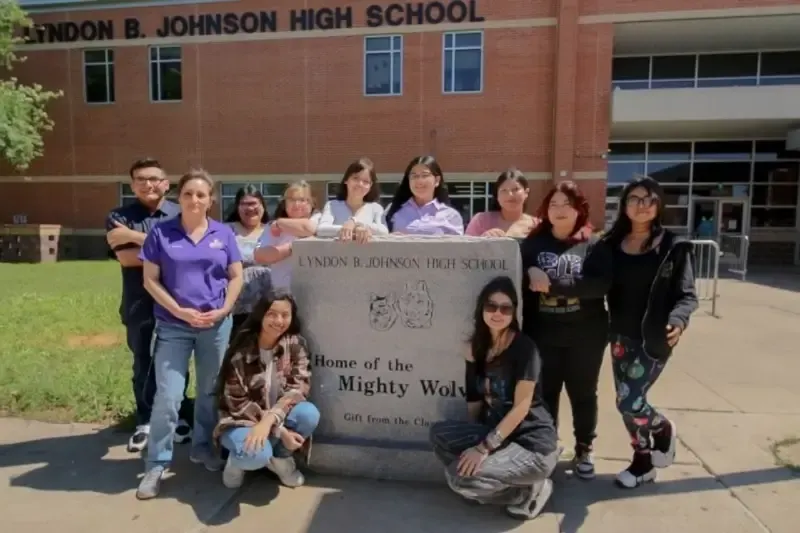
Imagine standing on the stage at your high school graduation, knowing that the next four years of college, tuition, housing, books, meals, and even personal expenses, are completely covered. For 300 students each year, that dream becomes reality through The Gates Scholarship (TGS), one of the most prestigious and competitive awards available to U.S. high school seniors.
With nearly 100,000 applicants and an acceptance rate of just 0.3–0.4%, winning TGS may seem impossible. But here’s the good news: every winner starts where you are now, uncertain, ambitious, and ready to learn.
As your mentor, my goal is to guide you step by step in Gates Scholarship through what it takes to not just apply but to stand out. Along the way, we’ll explore the application process, insider strategies, real-life success stories, and mindset shifts that can make the difference.
Table of Contents
-
Understanding the Gates Scholarship
-
Eligibility Requirements
-
The Application Process
-
Building a Competitive Profile
-
Success Stories from Gates Scholars
-
Frequently Asked Questions
-
Conclusion
Understanding the Gates Scholarship
Many strong Gates Scholarship applicants share one thing in common: they have worked on meaningful projects that show leadership, service, and initiative. That is exactly the kind of experience BetterMindLabs helps students build. Through mentorship-driven AI and ML projects, students learn how to solve real problems, communicate impact clearly, and create a strong story for competitive scholarships and college applications. The result is not just a certificate, but evidence of growth, purpose, and real-world problem solving.
The Gates Scholarship is a last-dollar scholarship, meaning it covers all remaining costs after other financial aid is applied. For low-income, high-achieving minority students, this isn’t just financial support, it’s a ticket to opportunities, mentorship, and lifelong networks of changemakers.
According to CollegeAdvisor, winners receive funding for:
-
Tuition and fees
-
Housing and meals
-
Books and supplies
-
Transportation and personal expenses
That means you can attend your dream school without financial barriers weighing you down.
Eligibility Requirements

Before you dive into the application, make sure you meet the baseline requirements.
Basic Criteria
Requirement
Details
Academic Standing
High school senior with minimum 3.3 GPA (weighted)
Citizenship
U.S. citizen, national, or permanent resident
Ethnicity
African American, American Indian/Alaska Native, Asian/Pacific Islander American, and/or Hispanic American
Financial Need
Pell Grant-eligible (typically family income under $80,000)
College Plans
Must enroll full-time in a four-year U.S. accredited institution
(Source: WeMakeScholars)
The Ideal Candidate Profile
But eligibility isn’t enough. Gates Scholars are more than just good students. They embody:
-
Academic excellence: Top 10% of their class, often with advanced courses (AP/IB).
-
Leadership ability: Roles in school clubs, community initiatives, or advocacy.
-
Resilience: Overcoming personal or family challenges with determination.
-
Service mindset: A clear commitment to uplifting their communities.
Think of TGS as investing in who you are becoming—not just what you’ve achieved.
The Application Timeline

The process spans about seven months and unfolds in multiple phases:
Phase
Timeline (2025–26 cycle)
Key Requirements
Phase 1 Opens
July 15, 2025
Basic application, transcripts, SAR, CSS Profile, resume
Deadline
September 15, 2025
All materials due
Semi-finalists
December 1, 2025
~2,000 students selected
Phase 2
Dec 1, 2025 – Jan 15, 2026
Essays, recommendations, updated documents
Finalists
March 1, 2026
~600 students advance to interviews
Interviews
March 2026
30–45 minute virtual interviews
Winners Announced
April 2026
300 students chosen
(Source: The Gates Scholarship)
Phase 1: Building a Strong Foundation

Documents You’ll Need
-
High school transcript
-
FAFSA Student Aid Report (SAR)
-
CSS Profile
-
Resume highlighting achievements
-
Professional headshot
Mentor Tip: Don’t underestimate the resume. Keep it clean, concise, and focused on measurable impact. Instead of “volunteered at food drive,” write “organized and led a community food drive that served 200 families.”
Phase 2: Essays and Recommendations
If you advance to Phase 2, the spotlight turns to your essays and letters of recommendation. This is where Gates Scholars are made.
Writing Standout Essays
Based on advice from past winners, your essays should:
-
Start early. Procrastination kills creativity.
-
Answer all parts of the prompt. Many questions have multiple layers.
-
Be personal. Share authentic stories of growth and resilience.
-
Connect to service. Show how your journey fuels your desire to help others.
Example: Antonio Rios (Stanford ’22) emphasized that essays were “the most critical component” of his Gates application, urging students to present their identities in meaningful, digestible ways.
Letters of Recommendation
Your recommenders should know you deeply, not just academically, but personally. Provide them with your resume and draft essays so they can write detailed, specific letters.
Mentor Tip: Ask early! Teachers and counselors get swamped with requests. Give them at least a month’s notice.
Phase 3: The Interview

Reaching finalist stage is a huge accomplishment—only about 600 of 100,000 applicants make it this far.
What to Expect
Interviews are 30–45 minutes and often focus on:
-
Family background and values
-
Career aspirations and future goals
-
Community involvement and impact
-
Hypothetical problem-solving scenarios
For example, one common question is: “What would you do if you failed a class?” The goal isn’t the “right” answer, but showing resilience and critical thinking.
How to Succeed
-
Be authentic. Don’t script answers. Share personal stories.
-
Elaborate. Avoid one-sentence responses—expand with examples.
-
Prepare for the final question: “Is there anything else you’d like us to know?” Use this moment to emphasize your passion and commitment.
Building a Competitive Profile Before You Apply
The application is only as strong as the years leading up to it.
Academics
-
Aim well above the 3.3 GPA minimum—most winners are in the top 10% of their class.
-
Take challenging courses: AP, IB, dual enrollment.
-
Pursue intellectual curiosity outside class (summer programs, research, personal projects).
Leadership

Quality matters more than quantity. Instead of joining every club, focus on a few areas where you can make deep impact. For example:
-
Start a tutoring program for underclassmen.
-
Lead a student-led community service initiative.
-
Run for leadership positions and create measurable outcomes.
Community Service
The Gates Scholarship values students who uplift others. Show long-term, meaningful service—especially if it connects to your personal story.
Example: Rachel Bonner, a Gates Scholar from Hamilton High, overcame housing instability and turned her struggles into advocacy for youth homelessness.
Solve a Real-World Problem with BetterMind Labs
One of the most powerful ways to stand out is by solving a real-world problem using technology. Through blog.bmldesk.com/, students work on hands-on AI/ML projects that tackle challenges like mental health, education, or accessibility.
For instance, Alexei Manuel, a BetterMind Labs student, created ChiralAI—an AI-powered healthcare tool that leverages advanced machine learning to improve diagnostic accuracy and assist medical professionals.
Projects like ChiralAI demonstrate how young innovators can apply AI to life-changing fields, directly aligning with the Gates Scholarship’s vision of empowering leaders who solve global challenges.
Imagine writing in your Gates Scholarship essay about how you collaborated with mentors to design an AI project that directly impacted your community. That kind of innovation + service not only strengthens your profile but also aligns perfectly with the Gates Scholarship’s mission of funding future changemakers.
Financial Preparation
Since TGS is need-based, your FAFSA and financial documents are critical.
-
File FAFSA early and double-check accuracy.
-
Gather family income statements and tax records.
-
Be ready to explain your financial need clearly.
Remember: about 99% of Pell-eligible students have household incomes under $80,000.
Success Stories: Lessons from Real Gates Scholars
Hearing from winners is one of the best ways to learn what works.
-
Trenton Noel (Little Rock): Turned down QuestBridge to attend Howard University with Gates, focusing on the HBCU experience.
-
Brian Vu (UPenn ’22): Advised students to focus essays on passions that truly matter, not what they think judges want to hear.
-
Rachel Bonner: Used her lived experiences of instability to fuel service-driven essays.
The common thread? Authentic storytelling and a commitment to community.
Strategic Recommendations
Time Management
-
Begin planning in junior year.
-
Dedicate at least 2 hours weekly during the application window.
-
Start essays immediately when prompts release.
Application Mindset
-
Be authentic. Admissions officers can spot exaggeration.
-
Show growth. Frame setbacks as lessons that shaped your character.
-
Connect the dots. Link academics, service, and goals into one compelling narrative.
Beyond the Application
Even after submission:
-
Keep grades high.
-
Continue extracurricular involvement.
-
Network with Gates alumni through forums like Reddit’s Gates Scholarship AMA.
Why the Gates Scholarship Is More Than Money
Winning isn’t just about financial freedom—it’s about joining a community of changemakers. Scholars gain access to:
-
Exclusive mentorship programs
-
Career development opportunities
-
A lifelong network of leaders and innovators
As Bill Gates himself emphasizes in Gates Notes, scholarships like this are designed to empower students who will, in turn, empower the world.
FAQs
What is the Gates Scholarship?
The Gates Scholarship is a highly selective, last-dollar scholarship that covers the remaining cost of attendance after other financial aid is applied. It is awarded to exceptional, Pell-eligible high school seniors who demonstrate academic achievement, leadership, and community impact.
Do research projects and AI projects help with the Gates Scholarship?
Yes. Meaningful projects can strengthen an application by providing evidence of initiative, problem-solving ability, and real-world impact. Projects that address challenges in healthcare, education, accessibility, sustainability, or community development often align well with the scholarship’s mission.
How does BetterMindLabs help students build a stronger scholarship profile?
BetterMindLabs helps students develop real-world AI and machine learning projects through structured mentorship and project-based learning. Rather than simply learning technical concepts, students build solutions that demonstrate leadership, innovation, and measurable impact, qualities that scholarship committees often value highly.
Why are mentorship and project-based learning important for scholarships?
Mentorship helps students move beyond classroom learning and tackle real-world challenges. Through guided projects, students develop technical skills, communication abilities, leadership experience, and a track record of impact, all of which can strengthen scholarship and college applications.
Conclusion: Your Next Steps
The Gates Scholarship is not awarded simply to students with perfect grades or impressive test scores. It is awarded to students who demonstrate leadership, resilience, service, and a commitment to creating meaningful change in their communities.
As you prepare your application, remember that every leadership role, volunteer initiative, research experience, and personal project contributes to the story you tell. The strongest applicants are often those who can show not only what they have achieved, but how they have used their skills to solve real problems and help others.
That is why project-based experiences have become increasingly valuable. Whether you are developing an AI-powered healthcare solution, creating an educational tool, or addressing challenges in your local community, meaningful projects provide powerful evidence of initiative, innovation, and impact.
At BetterMindLabs, we have worked with students who share the same ambitions as Gates Scholarship applicants: to learn deeply, build meaningful solutions, and make a difference. Through mentorship-driven AI and machine learning projects, students gain the opportunity to tackle real-world challenges while developing the technical, leadership, and communication skills that selective scholarships and universities look for.
The goal is not simply to win a scholarship. The goal is to become the kind of student who earns opportunities because of the value they create for others.
Whether your path leads to the Gates Scholarship, a top university, or another life-changing opportunity, the work you begin today can shape the impact you make tomorrow. Start building, start serving, and start creating the story only you can tell.
-
-
How High School Students Can Build AI-Powered Sentiment Analysis Projects
Artificial Intelligence isn’t just shaping industries like finance, healthcare, and entertainment—it’s also giving high school students new ways to showcase their creativity and technical skills. One of the most popular starting points is sentiment analysis: training a computer to understand whether a piece of text expresses something positive, negative, or neutral.
At BetterMind Labs, one of our high school students recently built a sentiment analysis project analyzed movie reviews. The project didn’t just stop at classifying reviews—it provided visual dashboards showing how audiences reacted differently to genres, directors, or even specific years. That type of project demonstrates exactly what top colleges and scholarship committees love to see: curiosity, technical ability, and social relevance.
What Is Sentiment Analysis?
In simple terms, sentiment analysis is a way for computers to “read between the lines.” It uses natural language processing (NLP) and machine learning algorithms to figure out the emotional tone behind words.
-
Positive sentiment: “The movie was fantastic!”
-
Negative sentiment: “The app kept crashing—it’s terrible.”
-
Neutral sentiment: “The meeting is scheduled for 3 PM.”
Companies use sentiment analysis to monitor customer feedback, track brand reputation, and even gauge public mood during elections. For students, building one is a chance to apply AI to a real-world problem they can relate to.
How Our Student at BetterMind Labs Built Sentiment Analysis Project
Here’s a step-by-step look at how our student developed their project with mentor guidance:
-
Data Collection – Downloaded a dataset of movie reviews from Kaggle.
-
Data Cleaning – Removed punctuation, stop words (“the,” “is”), and irrelevant text.
-
Feature Engineering – Converted words into numerical form using methods like TF-IDF and word embeddings.
-
Model Training – Used algorithms like Logistic Regression and later experimented with deep learning models such as LSTMs.
-
Evaluation – Measured accuracy, precision, and recall to check performance.
-
Visualization – Created graphs to show how sentiment varied by genre, year, and director.
The project didn’t just stay theoretical—it became a portfolio-ready piece that impressed teachers and set the stage for scholarship essays.
Why Mentorship Matters
Here’s the honest truth: students can technically try to build a sentiment analysis model on their own. But most get stuck when:
-
They don’t know how to preprocess messy text data.
-
They can’t decide which model (Naïve Bayes, Logistic Regression, or Neural Networks) fits best.
-
They struggle to present results in a way that looks professional.
At BetterMind Labs, mentors bridge that gap. Our mentors are graduate researchers and industry professionals who’ve built similar tools in real companies. Instead of spinning wheels for weeks, students get:
-
Step-by-step guidance on debugging and improving models.
-
Best practices for coding, visualization, and writing about their projects.
-
Feedback loops that make the difference between a basic project and one that’s competition- or publication-ready.
How You Can Build Your Own
If you’re a student (or a parent of one) and curious about starting:
-
Pick a Dataset – Movie reviews, tweets, Amazon product reviews, or even YouTube comments.
-
Learn the Basics – Python, Pandas, and scikit-learn are enough to start.
-
Train a Simple Model – Try Naïve Bayes first—it’s lightweight and surprisingly effective for text classification.
-
Iterate – Add deep learning later (e.g., LSTMs or Transformers like BERT) to push the project further.
-
Document Everything – Screenshots, graphs, and explanations turn code into a portfolio.
Why You Should Consider BetterMind Labs
Plenty of tutorials exist online, but building a standout project is about more than just copying code. It’s about:
-
Mentorship: Having someone experienced to guide you when you’re stuck.
-
Impact: Turning a simple project into something meaningful for college or scholarships.
-
Community: Working alongside other motivated students and learning from their journeys.
That’s what makes BetterMind Labs different. Students don’t just build “projects”—they build stories they can confidently share in applications, interviews, and competitions.
If your child is curious about AI, a project like sentiment analysis is the perfect entry point. And with the right mentorship, it can go from “just a coding exercise” to “a defining achievement” in their academic journey.
-
-
10 Engineering Projects You Can Build at Home as a High Schooler
Introduction: Your College Application Is Missing Its Secret Weapon
Let’s be honest. Thousands of other high school students have great grades and impressive test scores. So how do you prove that your passion for engineering is more than just a subject you’re good at? You build something. You create tangible proof of your skill, your creativity, and your drive to solve real-world problems.
This isn’t just about tinkering in the garage; it’s about building a story that no transcript can tell. It’s the story of how you designed, failed, troubleshot, and ultimately created something new. From programming a custom drone to engineering a device that purifies water, these projects are your portfolio. They demonstrate the critical thinking and hands-on expertise that top universities and future employers are desperately searching for.
Ready to build the one thing that will set your application apart? Let’s dive into 10 engineering projects that will transform your passion into proof.
Table of Contents
-
Introduction: Your College Application Is Missing Its Secret Weapon
-
Computer Science & Programming Projects
-
General Engineering Projects
-
Quick Comparison Table of Projects
-
Getting Started: Tips for High School Innovators
-
FAQs
-
Conclusion: Your First Step Toward Innovation
Computer Science & Programming Projects
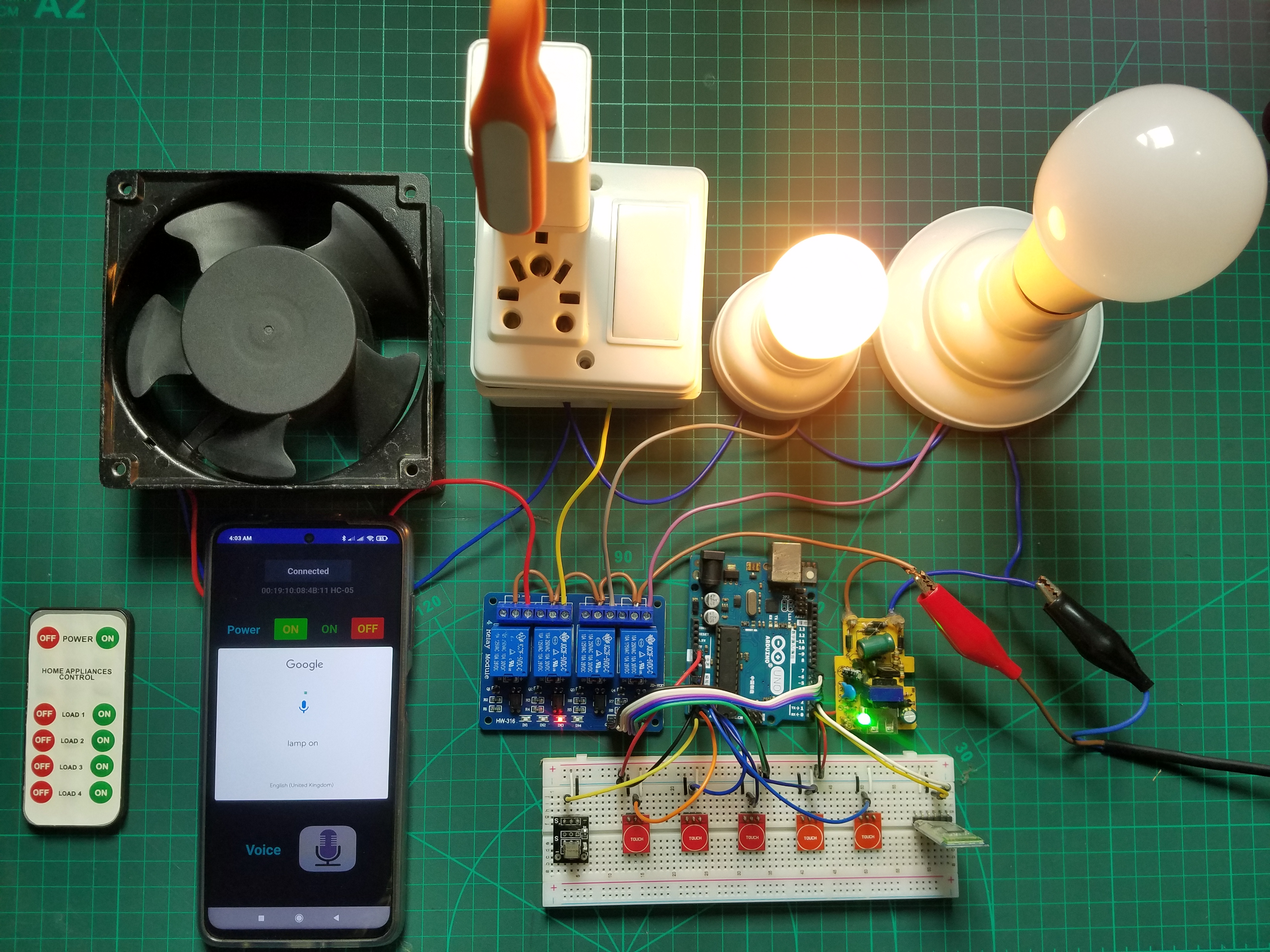
1. Smart Home Automation System with Arduino
Have you ever wished you could control the lights or fan in your room with your phone? With an Arduino or Raspberry Pi, Wi-Fi modules, and sensors, you can design a DIY smart home system.
Real-Life Impact: This is not just a fun project—it’s the backbone of smart cities and modern living. From saving electricity to enabling accessibility for differently-abled people, smart home systems are shaping the future.
Skills You’ll Learn:
-
Embedded programming
-
Wireless communication
-
Circuit design
-
Mobile app integration
For more detailes Check out these simple engineering project ideas to get started.
2. Machine Learning Stock Price Prediction System
Using Python, libraries like pandas and scikit-learn, and free stock market APIs, you can build a system that predicts stock market trends.
Real-Life Impact: This project introduces you to artificial intelligence in finance, a field that drives Wall Street and fintech startups. It gives you a taste of how data can influence decisions in real businesses.
Skills You’ll Learn:
-
Data science and visualization
-
Machine learning models (linear regression, neural networks)
-
Statistical analysis
At BetterMind Labs, they help students like you take projects like this even further whether that’s refining your algorithms, presenting your findings in a portfolio, or applying these skills to solve real-world community challenges.
There mentorship ensures you not only build cool projects but also understand their practical applications in today’s fast-paced industries.
For more inspiration, explore machine learning projects for students.
3. Web-Based Personal Finance Tracker
What if you could design your own budgeting app? With HTML, CSS, JavaScript, and Chart.js, you can create a web app that helps track expenses and generate financial insights.
Real-Life Impact: Managing money is a life skill. By building this, you’re solving a universal problem—budgeting—and creating something useful for yourself and your family.
Skills You’ll Learn:
-
Web development fundamentals
-
Data visualization
-
User interface and experience design
Want more web development practice? Explore HTML, CSS, and JavaScript projects.
4. Computer Vision Object Detection System
With Python and OpenCV, you can design a program that detects objects in real time through a webcam. Imagine building your own mini version of Tesla’s autopilot system!
Real-Life Impact: Object detection is used in autonomous cars, security systems, and healthcare imaging. Building this project connects you to cutting-edge innovations.
Skills You’ll Learn:
-
Computer vision
-
Image processing
-
AI model integration
Check out this AI blog on transportation projects for inspiration.
5. Mobile App Development Project
Using React Native or Flutter, you can design apps like a study planner, language learning assistant, or even a fitness tracker.
Real-Life Impact: Mobile apps have transformed industries. By building one yourself, you gain practical experience in creating tools that reach millions worldwide.
Skills You’ll Learn:
-
Mobile development
-
Database design
-
UI/UX principles
For more ideas, explore software engineering projects for high schoolers.
General Engineering Projects
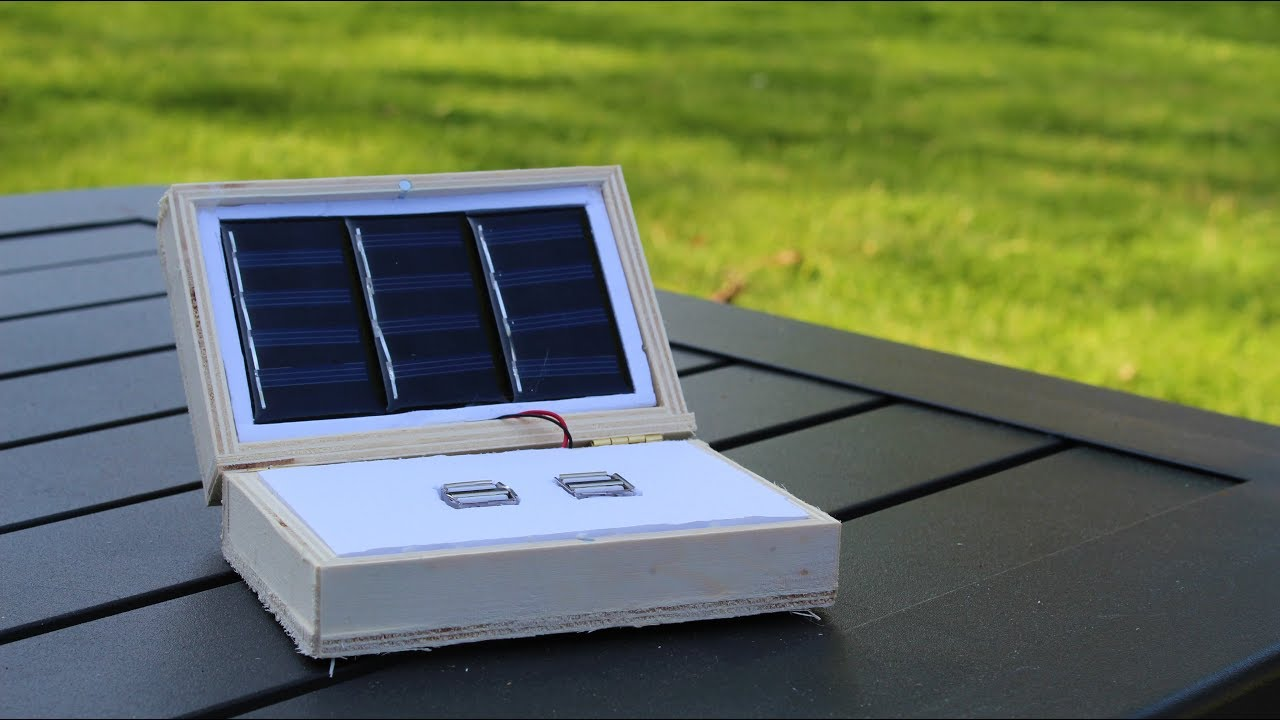
6. DIY Solar-Powered Phone Charger
Using small solar panels, rechargeable batteries, and voltage regulators, you can create a solar charger for your devices.
Real-Life Impact: Renewable energy is the future. By making your own solar charger, you’ll understand how sustainable technologies can combat climate change.
Skills You’ll Learn:
-
Electrical engineering
-
Power management
-
Renewable energy systems
Explore more DIY renewable energy projects.
7. Hydraulic Robotic Arm
Using syringes, water, and simple frame materials, you can build a robotic arm powered by hydraulics.
Real-Life Impact: This project mirrors industrial robotics used in manufacturing and even surgical robots in healthcare.
Skills You’ll Learn:
-
Fluid mechanics
-
Mechanical engineering
-
Precision control
8. Wind Turbine with Power Generation
By designing blades and connecting them to a small generator, you can build a functioning wind turbine.
Real-Life Impact: Wind turbines power millions of homes worldwide. Building one helps you understand aerodynamics and clean energy conversion.
Skills You’ll Learn:
-
Aerodynamics
-
Mechanical design
-
Electrical generation
Learn more from STEM Blazers’ cool engineering projects.
9. Earthquake-Resistant Building Model
Using wood, cardboard, or 3D-printed materials, you can test structures on a shake table and study their resilience.
Real-Life Impact: Civil engineers design earthquake-resistant buildings to save lives. This project introduces you to structural engineering and disaster preparedness.
Skills You’ll Learn:
-
Civil engineering
-
Experimental design
-
Structural analysis
For real-world context, check engineering projects for teens.
10. Mini Conveyor Belt System with Automation
With motors, sensors, and Arduino, you can design a conveyor system that sorts objects automatically.
Real-Life Impact: Automation powers industries from Amazon warehouses to recycling plants. Building one yourself teaches you about industrial control systems.
Skills You’ll Learn:
-
Automation engineering
-
Sensor integration
-
Mechanical design
More project-based inspiration can be found on Creation Crate’s engineering blog.
Quick Comparison Table of Projects
Project
Branch of Engineering
Key Real-Life Application
Smart Home Automation
Electrical & Software
Smart cities, energy efficiency
Stock Prediction System
Data Science & AI
Finance & fintech
Web Finance Tracker
Software
Personal budgeting tools
Object Detection
AI & Computer Vision
Self-driving cars, security
Mobile App
Software & UX
Consumer tech apps
Solar Charger
Electrical & Renewable Energy
Sustainable energy solutions
Hydraulic Robotic Arm
Mechanical
Industrial robots, healthcare
Wind Turbine
Mechanical & Electrical
Green power plants
Earthquake-Resistant Model
Civil
Safer building design
Conveyor System
Automation & Mechanical
Manufacturing, logistics
Getting Started: Tips for High School Innovators
-
Safety First: Always handle electronics and tools carefully. Ask for adult supervision when needed.
-
Start Simple: Begin with the basics. Once you succeed, upgrade with advanced features.
-
Document Your Work: Record designs, failures, and breakthroughs. This is gold for college applications.
-
Leverage Communities: Platforms like GitHub, Instructables, and maker forums are treasure troves of support.
-
Budget Wisely: Most projects can be built for under $100 with common materials.
FAQs
What are the best engineering projects for high school students?
The best engineering projects combine creativity, technical learning, and real-world applications. Projects such as smart home automation systems, AI-powered stock prediction tools, robotic arms, and renewable energy devices help students develop practical skills while building impressive portfolios.
Do engineering projects help with college admissions?
Yes. Engineering projects provide tangible evidence of problem-solving ability, initiative, and technical curiosity. Admissions officers often value projects because they demonstrate how students apply classroom knowledge to solve real-world challenges.
What engineering project is best for beginners?
Projects such as solar-powered phone chargers, web-based finance trackers, and smart home automation systems are excellent starting points. They introduce key engineering concepts while remaining manageable for students with limited experience.
How much do engineering projects typically cost?
Many beginner and intermediate engineering projects can be completed for under $100 using affordable components, open-source software, and commonly available materials. Students can often reduce costs further by reusing equipment and leveraging free online resources.
Which engineering field should high school students explore first?
There is no single best choice. Students interested in coding may enjoy software engineering and AI, while those who enjoy building physical systems may prefer mechanical, electrical, or civil engineering. Exploring multiple disciplines often helps students discover their strengths.
Why is mentorship important when building engineering projects?
Mentorship helps students move beyond tutorials and build projects with real-world relevance. Experienced mentors provide technical guidance, feedback, and industry insights that can significantly improve project quality and learning outcomes.
Conclusion: Your First Step Toward Innovation
Engineering projects are more than extracurricular activities. They are opportunities to transform ideas into solutions, curiosity into expertise, and learning into measurable achievement.
Whether you’re building a smart home system, designing a renewable energy device, creating an AI-powered application, or developing an automated manufacturing system, each project teaches skills that extend far beyond the classroom. More importantly, these projects help you demonstrate initiative, creativity, and problem-solving ability in ways that grades and test scores cannot.
The students who stand out are often those who move beyond consuming technology and start creating it.
That is where structured mentorship can make a significant difference. At BetterMind Labs, students work alongside experienced mentors to transform ambitious ideas into portfolio-ready engineering and AI projects. Through project-based learning, personalized guidance, and real-world applications, students gain the confidence and technical experience needed to pursue engineering, computer science, and STEM careers at a higher level.
Your future as an innovator does not begin in college or in your first job. It begins with the first project you decide to build today. Checkout BetterMind Labs AI ML Program.
-
-
Top Medical Internships for High School Students (2025): A Mentor’s Guide for Parents & Teens
Introduction:
If your teen lights up when they talk about biology, brains, or bio-tech, you’re probably asking the same question I hear from families every week:
How can a high school student get meaningful experience in healthcare—before college?

The short answer: medical internships. Done right, the experience can be equal parts reality check, confidence booster, and a serious admissions edge.
In this guide, I’ll walk you through the best medical internships for high schoolers in the USA, how they differ (research vs. clinical vs. AI), who they’re for, what they cost, and how to apply with a strategy that actually works. I’ll also show how students are using AI in healthcare including projects like skin-care detection and protein folding prediction, to stand out on applications and build real skills for the future.
Many of the programs and facts below come from a curated research PDF; I’ve hyperlinked each program directly so you can click and verify details as you go.
What “counts” as a medical internship in high school?
Not all experiences look the same—and that’s okay. Most opportunities break into three buckets:
1) Hospital-based volunteering (patient-facing foundations)
Examples include children’s hospitals and community health systems where teens (often 15–16+) help with hospitality, patient escort, or unit support.
-
Children’s National Hospital Summer Volunteer Program (DC) — age 15+, structured 6-week program with guest speakers and group projects. Learn more.
-
UCLA Health Volunteen (Los Angeles) — minimum age 16; vaccinations and other requirements apply. Program page.
-
Valley Health System High School Volunteers (NJ) — minimum age 15; no shadowing for high-schoolers, summer 2025 applications reported as closed. Details here.
2) Research-focused internships (lab exposure & mentorship)
These put students alongside scientists in labs—ideal for teens who love biology, chemistry, and problem-solving. Competitive? Yes. Worth it? Absolutely. Highlights include:
-
NIH High School Summer Internship Program (SIP) — nationwide NIH campuses; historically 8+ weeks with stipend; note: the 2025 cohort is listed as canceled in our source PDF. Program page.
-
Stanford Institutes of Medicine Summer Research Program (SIMR) — advanced lab work with areas like cancer biology and immunology (often referenced within curated internship roundups). See overview via this roundup on Ladder Internships: SIMR + other top programs.
-
BetterMind Labs Healthcare Research Program — 4–8 weeks, online, small cohorts (<10), grades 8–12, no prior coding required and industry-recognized certification + recommendation letters from healthcare professionals.
-
Fred Hutch Cancer Center (SHIP) — Seattle-based, 8 weeks, hands-on lab immersion; see program context and stipend ranges in this CollegeVine guide: Medical Internships for High School Students.
-
Harvard Medical School’s Project Success — lab placement + mentorship for underrepresented/disadvantaged students. Summary info here: Harvard Project Success (overview).
3) AI + healthcare programs (data, coding, and clinical impact)

The fastest-growing category blends machine learning with real medical problems (diagnostics, triage, mental health, drug discovery). This is where many students create portfolio-ready work and fresh angles for their college essays. A standout option from our research set is BetterMind Labs’ AI/ML Program:
-
BetterMind Labs AI/ML (Healthcare) Program — 4–8 weeks, online, small cohorts (<10), grades 8–12, no prior coding required and industry-recognized certification + recommendation letters from healthcare professionals.
Past work includes antibiotic ranking models, mental health check-in bots, and medical data analysis; we also mentor projects like skin-care detection and protein-folding prediction. Explore the program page and student projects: Program overview and Student AI projects in healthcare.
Mentor note: If your teen is earlier in high school (freshman/sophomore), start with local volunteering or an online AI-healthcare project to build momentum; then target the big research programs junior year.
At-a-glance: programs, eligibility, and focus
Below is a quick snapshot to help parents and students compare. (Click any program name for details.)
Program
Type
Duration
Eligibility
Focus / Link
BetterMind Labs AI/ML
AI + Healthcare
4–8 weeks
Grades 8–12
Harvard Project Success
Research + Mentorship
6 weeks
Underrepresented/disadvantaged
Children’s National
Hospital Volunteering
6 weeks
Age 15+
NIH SIP
Research
8+ weeks
HS juniors/seniors
Stanford SIMR
Research
~8 weeks
Typically 16+, juniors/seniors
Fred Hutch SHIP
Research
8 weeks
Rising 12th graders
Ladder Internships (Healthcare)
Virtual Internship
8–16 weeks
HS students
Scripps Research
Research
~10 weeks
Advanced HS
Valley Health (NJ)
Hospital Volunteering
Varies
Age 15+
UCLA Volunteening
Hospital Volunteering
Varies
Age 16+
The AI advantage: how teens are doing real healthcare work (and writing better essays)
Families often ask, “Is AI really for high schoolers?” Absolutely—when it’s guided and ethical. In our BetterMind Labs cohorts, students build projects that connect directly to healthcare problems and college-level research thinking:
-
Skin-care detection — students collect ethically sourced images (or medically validated datasets), annotate them, and train classification models to flag suspicious lesions. In essays, they reflect on model limitations, bias, and the importance of clinical validation—showing maturity beyond “I did a Kaggle project.”
-
Protein folding prediction — students learn how sequence data and structural biology inform drug discovery. Even simplified pipelines (feature engineering, embeddings, lightweight models) help teens show genuine domain curiosity and computational thinking.
-
Antibiotic ranking and mental health check-ins — projects using real-world data or privacy-first conversational bots to increase access or efficiency. See past student highlights here: AI projects by high school students.
Why colleges care: Portfolios like these demonstrate initiative, technical depth, and ethical awareness—and they complement (not replace) hospital volunteering or research programs. If your teen wants both clinical empathy and computational skill, this route is gold. Learn about the structure, cohorts, and certification here: BetterMind Labs AI/ML Program.
Application strategy: how to maximize your teen’s chances
Here’s exactly how I advise my juniors:
Start early (really early)
Many sought-after programs finalize by February–March. That means drafting your list in November–December, requesting recommendations in January, and polishing essays before sports/tests spike. This timeline is echoed across multiple program roundups in our research set.
Build a layered profile
Admissions teams want evidence of sustained interest—not just a one-off camp. Strong combinations include:
-
Local hospital volunteering (schedule consistency matters) — find roles with Children’s National, UCLA Volunteen, or your nearest community health system. Children’s National • UCLA Volunteen • Valley Health (NJ).
-
One research program (stretch) — NIH SIP (when offered), Fred Hutch SHIP, or Stanford SIMR via competitive application. NIH SIP • Fred Hutch context • SIMR roundup.
-
One AI-healthcare project — ideally mentored, producing a portfolio + reflection on ethics, limitations, and next steps; consider BetterMind Labs.
Essays that land (parents can help here)
Prompt your teen to answer:
-
Why medicine, specifically? (A real story > generic altruism.)
-
What have you done that shows commitment? (Volunteering hours, AI project outcomes, lab notebooks.)
-
What will you learn next? (Show curiosity and a growth plan.)
Where to look for additional ideas
-
Curated lists of paid and competitive internships: VeritasAI blog on paid medical internships and Lumiere’s paid medical internships list.
-
Roundups across geographies: Empowerly (California-focused list) and broader guides like BeMo Academic Consulting.
Key selection factors (choose like an admissions reader)
When comparing programs, I suggest families look at:
-
Learning outcomes — Will your teen gain real skills (wet-lab techniques, data analysis, patient interaction, responsible AI)?
-
Mentorship & cohort size — Small cohorts and direct feedback beat massive lecture-style programs. (BetterMind Labs runs <10 per cohort to guarantee mentorship.) See details.
-
Deliverables — Posters, code repositories, reflections, and recommendation letters carry forward to college apps. (Our program includes industry-recognized certification and letters from healthcare professionals.) Program overview.
-
Time & fit — Align with sports, APs, and family schedules. (Many options offer online or hybrid formats, such as Ladder’s fully virtual placements.) Explore options.
-
Cost vs. value — Balance free/paid choices. Remember: hospital volunteering is free and impactful, while mentored AI/research programs often charge because of 1:1 guidance and specialized faculty.
Quick comparison: Research vs. Hospital vs. AI-healthcare
Dimension
Research Internship
Hospital Volunteering
AI + Healthcare Project
Primary gain
Lab skills, scientific method
Patient exposure, teamwork, empathy
Data/ML skills, healthcare impact
Time frame
6–10 weeks summer
Ongoing (semester/summer)
4–8 weeks (mentored)
Cost
Usually free / paid
Free
Often paid (for mentorship)
Deliverables
Poster, lab notebook, mentor letter
Service hours, supervisor letter
Code repo, model evals, certification, mentor letter
Great for
Science-first students
Clinically curious students
Tech-curious students who love medicine
(Examples hyperlinked above: BetterMind Labs, NIH SIP, Fred Hutch, Stanford SIMR; Children’s National, UCLA; , Ladder, Lumiere.)
What parents and students ask me most
Q1: Do I need prior research or coding experience?
No. Many programs teach from the ground up—especially hospital volunteering and mentored AI programs. BetterMind Labs, for example, welcomes grades 8–12 with no prior coding required and builds skills step-by-step. Program details.
Q2: Are paid internships “worth it”?
If the program provides real mentorship, small cohorts, clear deliverables, and letters, the ROI can be strong—particularly for AI-healthcare where expert guidance accelerates learning. Balance these with free clinical volunteering for empathy and service. (See Ladder for virtual placements and Children’s National/UCLA for free volunteering.) Ladder • Children’s National • UCLA Volunteen.Q3: Can high schoolers “shadow” doctors?
Many hospitals limit or prohibit shadowing for minors (e.g., Valley Health explicitly states no shadowing for HS students). Expect roles in support services rather than clinical decision-making. Valley Health HS Volunteers.
Q4: What about NIH this year?
Our source indicates NIH SIP 2025 is canceled—so target other research programs or virtual AI-healthcare options this cycle. NIH SIP page.
Conclusion: A clear path forward (and a nudge)
If your teen is serious about medicine, the best plan blends clinical exposure, research depth, and modern AI-healthcare skills:
-
Pick 1–2 hospital programs for steady patient-facing experience — e.g., Children’s National, UCLA Volunteen, or your local system.
-
Apply to 2–3 research internships (stretch + match) — e.g., SIMR, Fred Hutch SHIP (see roundups via Ladder and CollegeVine). Ladder guide • CollegeVine guide.
-
Build an AI-healthcare capstone with mentorship and tangible outputs (code, poster, letter)—great for essays and interviews. If your teen wants to try skin-care detection or protein folding prediction, our BetterMind Labs AI/ML Program is designed exactly for that.
-
-
25 Unique Science Fair Ideas for High School Students
Introduction
What if your science fair project could do more than just impress the judges? What if it could tackle climate change, save lives, or shape the future of technology?
Most students pick projects they’ve seen a hundred times before. But you don’t have to. Imagine creating something so bold and original that it makes people stop, think, and ask, “How did you come up with that?”
This guide is about 25 science fair project ideas that go beyond the ordinary, turning your curiosity into hands-on experiments that solve problems, spark conversations, and maybe even change lives.
Think about it: what if your project explored cleaning up plastic from oceans, designing a tiny device to make renewable energy more accessible, or using AI to predict disease spread? These aren’t just school projects, they’re the kinds of ideas scientists and innovators are working on right now.
Across biology, chemistry, engineering, environmental science, and computer science, these 25 ideas connect to real-world challenges like climate change, health innovations, and technology shaping our future.
Table of Contents
-
Section 1: Introduction
-
Section 2: Biology and Life Sciences Projects
-
Section 3: Chemistry and Materials Science
-
Section 4: Physics & Engineering
-
Section 5: Environmental Science
-
Section 6: Technology and Computer Science
-
Section 7: Tips for Choosing and Excelling in Your Project
-
Section 8: FAQs
-
Section 9: Conclusion
Biology and Life Sciences Projects

1. DNA Extraction from Different Fruits
Learn how to isolate DNA using everyday fruits like strawberries, bananas, and kiwis. Then compare which fruit gives the highest yield and explore why cell structure matters. This is a classic yet fascinating project because it lets you see genetic material with your own eyes.Try a step-by-step tutorial from Home Science Tools to get started.
2. Antibiotic Resistance in Bacteria
Antibiotic resistance is one of the biggest health concerns today. In this project, you can safely test the effectiveness of different antibiotics on harmless bacteria and observe how resistance may develop.
Judges love projects that connect to real medical issues.
3. Plant Growth Under Different Light Spectrums
Set up an experiment to test how red, blue, and white LED lights affect plant growth. With vertical farming and hydroponics becoming more popular, this project ties directly to sustainable agriculture.
4. Biodegradable Plastic from Organic Materials
Plastic waste is everywhere. Imagine creating eco-friendly alternatives using cornstarch, banana peels, or potato starch. Then, test durability, decomposition rate, and environmental impact.
Check out ideas from Science Sparks for inspiration.
5. Mycorrhizal Networks in Plant Communication
Did you know plants can “talk” underground using fungi networks? This project explores how plants share nutrients and respond to stress through fungal connections—a cutting-edge area of biology.
Chemistry and Materials Science
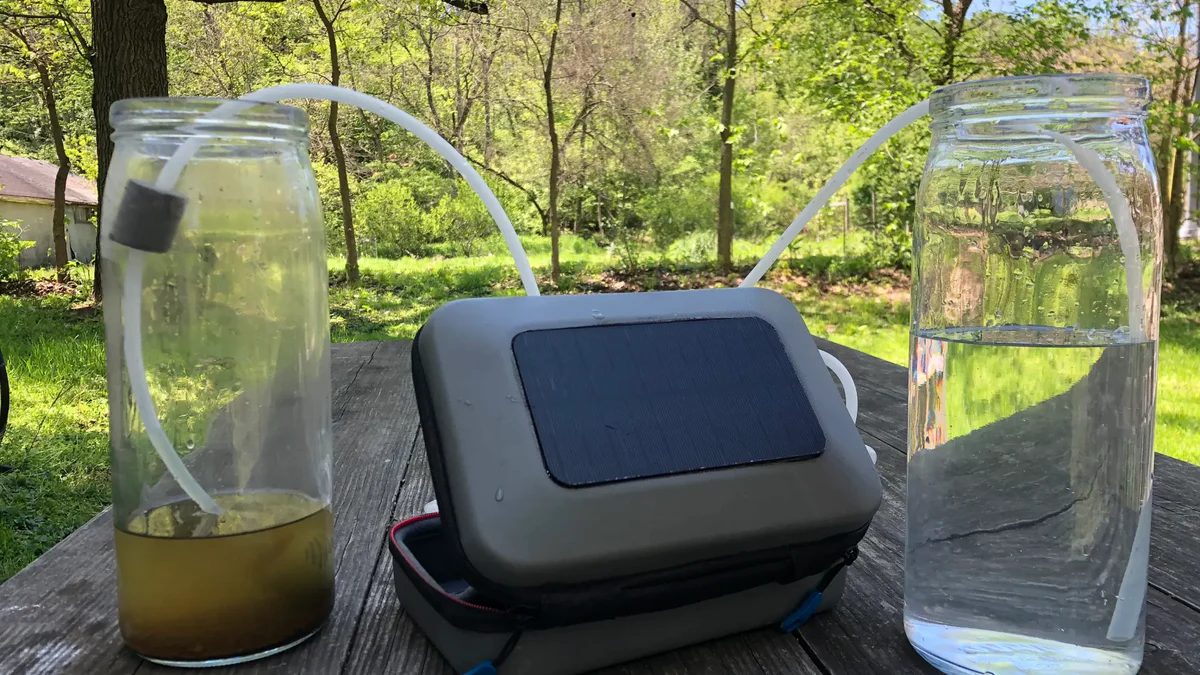
6. Solar-Powered Water Purification System
Design a device that uses solar energy to clean contaminated water. Compare different filtration materials and measure purification efficiency.
A fantastic project if you want to tackle global water scarcity.
7. Smart Materials That Respond to Temperature
Experiment with thermochromic compounds or shape-memory alloys that change color or shape with temperature. This area has applications in smart textiles and medical devices.
8. Natural Dyes from Food Waste
Extract natural dyes from vegetable peels or fruit skins. Test how long the colors last and whether they change under different pH levels. This could even link to eco-friendly fashion trends.
9. Crystal Growth in Microgravity Simulation
Simulate low-gravity conditions (by suspending crystals in gel) and compare them to normal crystal growth. NASA and other agencies often study this for space exploration research.
10. Enzyme Activity at Different pH Levels
Using enzymes from pineapple or laundry detergent, test how pH impacts their function. This project bridges classroom biochemistry with real-world applications in food science and medicine.
Physics and Engineering
11. Earthquake-Resistant Building Design
Build and test model structures on a shake table to see which designs survive best. With earthquakes still threatening cities worldwide, this project has huge real-world impact.
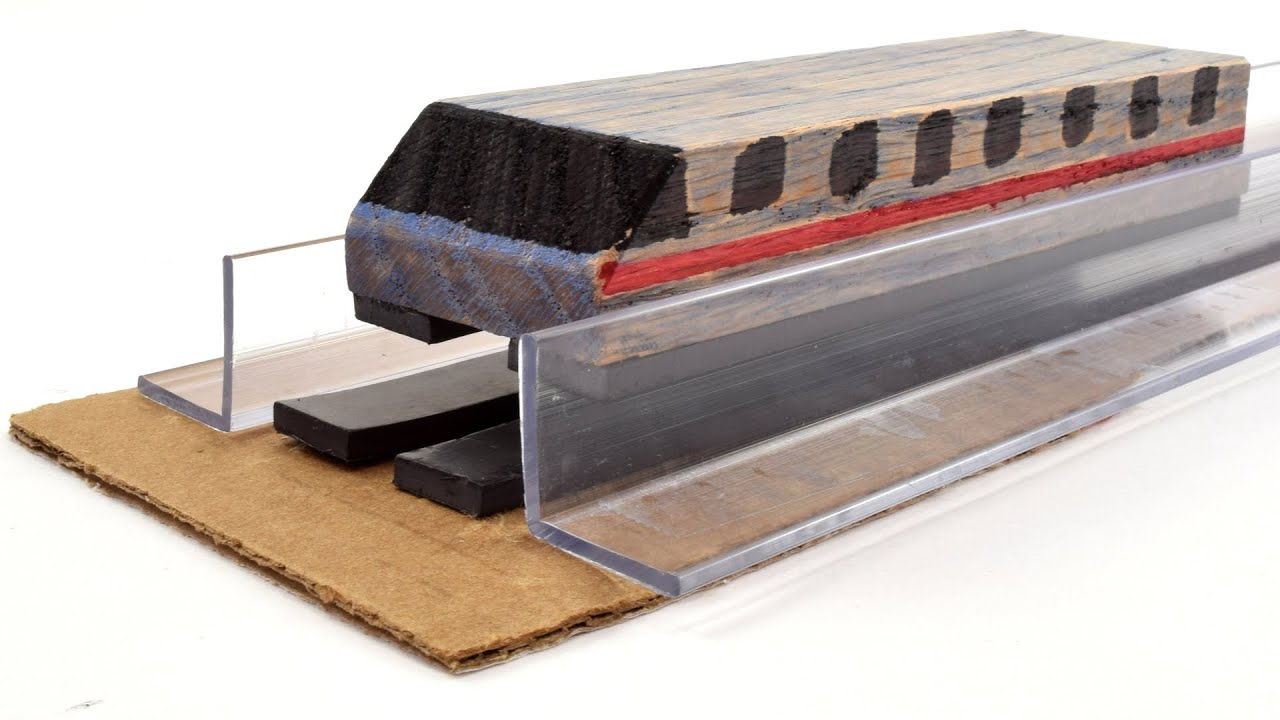
12. Magnetic Levitation Transportation Model
Maglev trains are the future of transportation. Create a small-scale model using magnets and explore how track design affects speed and stability.
13. Acoustic Levitation Device
Using sound waves to make small objects float might sound like sci-fi—but it’s real physics. You’ll study how frequency and amplitude affect levitation.
14. Wind Turbine Blade Optimization
Design blades of different shapes and test which produces the most electricity. With the world shifting to renewables, this is a timely and relevant project.
15. Smart Traffic Light System
Use sensors and coding to design a traffic light that adjusts based on real traffic flow. It’s a fantastic way to combine physics, coding, and urban planning.
Environmental Science
16. Microplastics in Local Water Sources
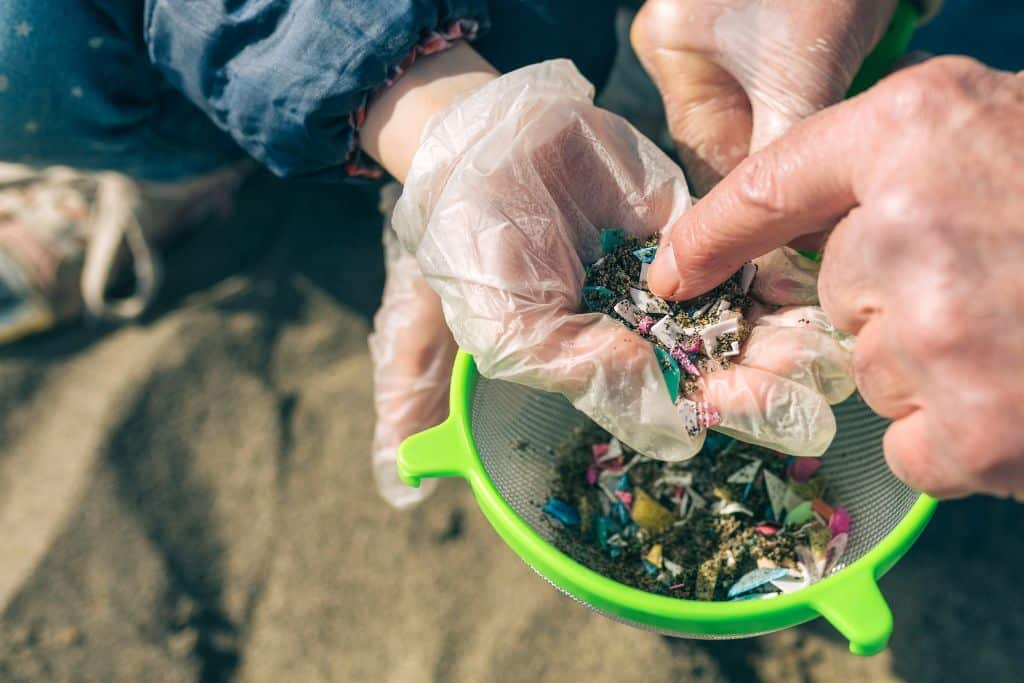
Collect water samples from rivers, lakes, or even tap water. Use filtration and a microscope to detect microplastics. This project makes you part of the growing conversation about plastic pollution.
See related guides at Science Buddies.
17. Air Quality Monitoring Network
Build inexpensive sensors to track pollution levels around your community. Then map the data and look for patterns. You’ll learn about electronics, coding, and environmental studies all at once.
18. Carbon Footprint of Different Transportation Methods
Compare cars, buses, trains, and bikes. Look at emissions, fuel use, and even the environmental cost of making vehicles. A simple yet powerful project to highlight climate-friendly transportation.
Transportation Method
Avg. CO₂ Emission (per passenger-km)
Eco-Friendliness Rating
Car (single passenger)
High
Poor
Bus
Medium
Better
Train
Low
Great
Bicycle
Zero
Best Choice
19. Phytoremediation of Contaminated Soil
Test plants’ ability to remove heavy metals or toxins from soil. It’s both an advanced biology project and a practical environmental solution.
20. Urban Heat Island Effect Mitigation
Study how green roofs, reflective coatings, or different pavements affect local temperatures. Cities worldwide are testing these ideas to combat extreme heat.
Technology and Computer Science
21. AI-Powered Disease Diagnosis
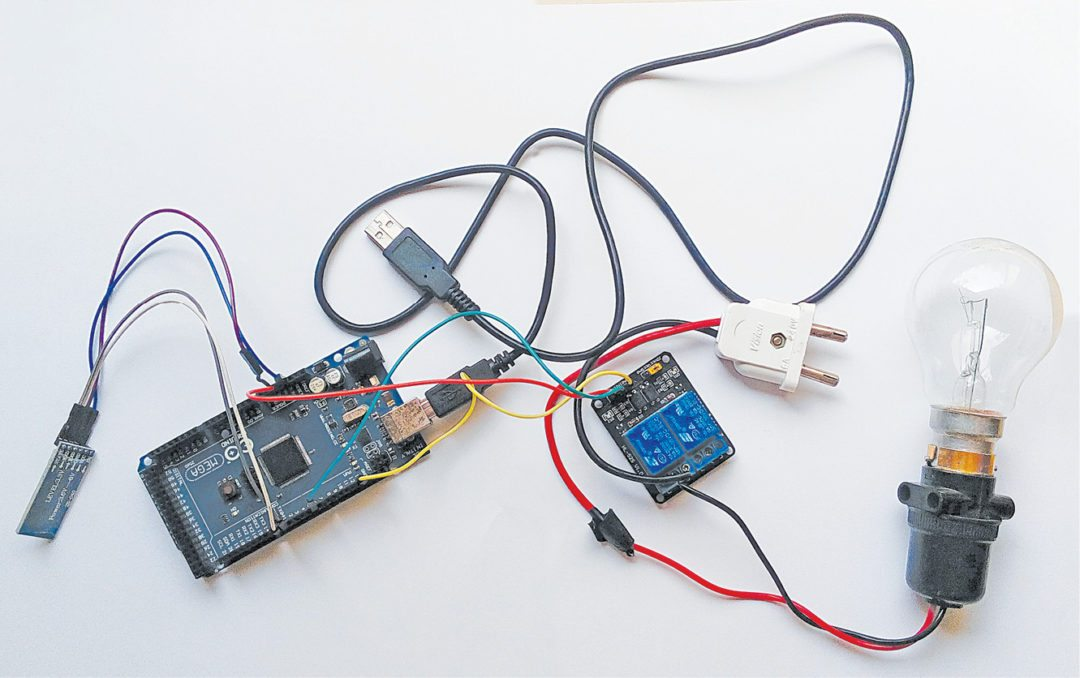
Train an algorithm to recognize plant diseases from photos and compare its accuracy to expert diagnoses. This project doesn’t just showcase coding—it’s about applying machine learning for good by protecting food supplies and supporting sustainable farming.
If you’re new to AI but curious about building impactful projects, programs like BetterMind Labs offer hands-on AI/ML training for high school students.
22. Voice-Controlled Home Automation
Build a mini “smart home” system with voice commands for lights, temperature, or security. It’s a fun introduction to IoT (Internet of Things).
23. Gesture Recognition for Accessibility
Create a program or device that translates hand gestures into commands, helping people with mobility challenges.
24. Blockchain for Food Safety Tracking
Use blockchain to trace food from farm to table. Show how this prevents contamination and reduces waste.
25. Virtual Reality for STEM Education
Design a VR experience that explains a scientific concept (like the solar system or molecular structures). Test whether students learn better in VR than with textbooks.
Tips for Choosing and Excelling in Your Project
Before you rush off to the lab or garage, here are a few mentor-style tips to set you up for success:
-
Choose your passion: Pick something you genuinely care about, you’ll spend weeks on it.
-
Start early: Great projects require planning, data collection, and analysis. Begin months ahead.
-
Think real-world: Judges love when projects connect to issues like climate change, health, or technology.
-
Stay safe: Always follow safety rules, especially when working with chemicals, electricity, or living organisms.
-
Document everything: Take photos, keep a lab notebook, and record results carefully.
-
Ask for guidance: Don’t hesitate to ask teachers, parents, or even local professionals for help.
FAQs
What is the best science fair project for high school students?
The best science fair project is one that combines personal interest with a real-world problem. Projects involving artificial intelligence, renewable energy, environmental science, healthcare, or engineering often stand out because they demonstrate creativity, technical skill, and practical impact beyond the classroom.
How do I choose a science fair project topic?
Start by identifying a subject you genuinely enjoy exploring. Then look for current challenges in areas such as climate change, healthcare, technology, or sustainability. Projects connected to real-world issues often feel more meaningful and provide stronger opportunities for research, experimentation, and innovation.
Are AI-based science fair projects good for competitions?
Yes. AI-based projects are increasingly popular because they demonstrate advanced problem-solving, data analysis, and technical skills. Projects such as disease detection, traffic optimization, computer vision, or predictive analytics often attract attention because they apply emerging technology to practical challenges.
Can science fair projects help with college admissions?
Absolutely. Meaningful science fair projects demonstrate intellectual curiosity, initiative, and sustained commitment to learning. Research-driven or technology-focused projects can become valuable portfolio pieces that help students showcase their interests and accomplishments during college admissions and scholarship applications.
How can I make my science fair project stand out?
Focus on originality, strong experimental design, and real-world relevance. Judges often appreciate projects that address current scientific or societal challenges. Thorough documentation, clear data analysis, and the ability to explain why your project matters can significantly improve overall presentation quality.
What skills can students develop through science fair projects?
Science fair projects help students strengthen research, critical thinking, data analysis, communication, and problem-solving abilities. More advanced projects can also introduce programming, engineering design, artificial intelligence, and scientific methodology, creating valuable experience that extends well beyond a single competition.
Conclusion: The Science Fair as a Launchpad
Science fairs aren’t just about ribbons or trophies they’re a chance to explore, innovate, and maybe even create solutions that matter to the world. Whether you’re building a solar-powered water purifier, designing earthquake-proof buildings, or training AI to detect plant disease, every project is a small step toward making a difference.
So pick one of these ideas, dive in with curiosity, and remember: the real “win” is discovering how powerful your own creativity and problem-solving skills can be.
Mentorship can significantly improve the quality of a science fair project by helping students refine ideas, design stronger experiments, and analyze results more effectively. Experienced mentors provide guidance, technical expertise, and feedback that help students avoid common mistakes and think more like researchers.
Beyond the competition, mentorship also develops critical thinking, problem-solving, and communication skills that are valuable for college and future STEM careers.
Suggested read, How Mentors at BetterMind Labs Help Students Build Ivy League Projects
-
-
Top Resources to Learn AI & ML in 2025 for High School Students
Introduction: Why Parents Should Care About AI & ML
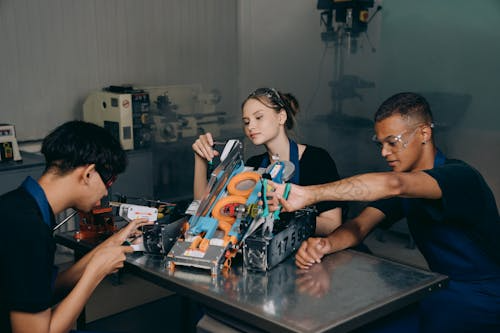
Picture this: your teenager isn’t just scrolling on TikTok — they’re using machine learning to build a bot that predicts viral trends. Or they’re coding a model that helps track air quality in your neighborhood. This isn’t futuristic anymore; it’s happening right now with high school students across the U.S.
For parents, AI and machine learning (ML) can sound intimidating — full of math, jargon, and endless coding. But here’s the good news: today’s blog we share resources for students to learn AI step by step, even without prior experience. And when done right, it’s not just about coding — it’s about teaching your child problem-solving, creativity, and critical thinking.
In this guide, I’ll walk you through the best AI/ML resources in 2025 specifically designed for high school students. I’ll also share insider tips, examples of what other teens have built, and how mentorship-based programs like BetterMind Labs are helping students go from “curious” to “capable.”
Online Learning Platforms: Great Beginner Friendly Resources to learn AI
Google AI for Everyone
Google AI for Everyone is the perfect gentle start. No coding, no math-heavy lessons — just clear explanations of what AI is, how it works, and where it shows up in everyday life.
-
Length: 4 weeks, 2–3 hours per week.
-
Good for: Teens who want to understand why AI matters before diving into code.
Google Machine Learning Crash Course
For the more hands-on learner, Google’s ML Crash Course is excellent. It has video lectures, coding labs, and over 100 practice exercises. Students learn regression, classification, and even how neural networks mimic the human brain.
💡 Example: One student I worked with used this course to create a mini project predicting how much sleep affected his basketball performance. It gave him not only a science fair project but also a personal connection to AI.
AI Python for Beginners (DeepLearning.AI)
Hosted on Coursera, this four-part course is designed so students start building projects on day one — even if they’ve never coded before. An AI chatbot guides them with instant feedback, which feels a lot like having a tutor at their side.
University-Backed Courses That Feel Accessible
Elements of AI (University of Helsinki)

With over 1.7 million students worldwide, Elements of AI is one of the most popular introductions. The best part? It’s completely free.
-
Part 1: What AI is, ethics, misconceptions.
-
Part 2: Basic algorithms and beginner-friendly coding in Python.
This course is a great way for teens to learn how AI connects to society, not just technology.
Specialized High School Programs
These programs are designed specifically for high school students, blending structured learning with real-world applications.
Princeton AI4ALL
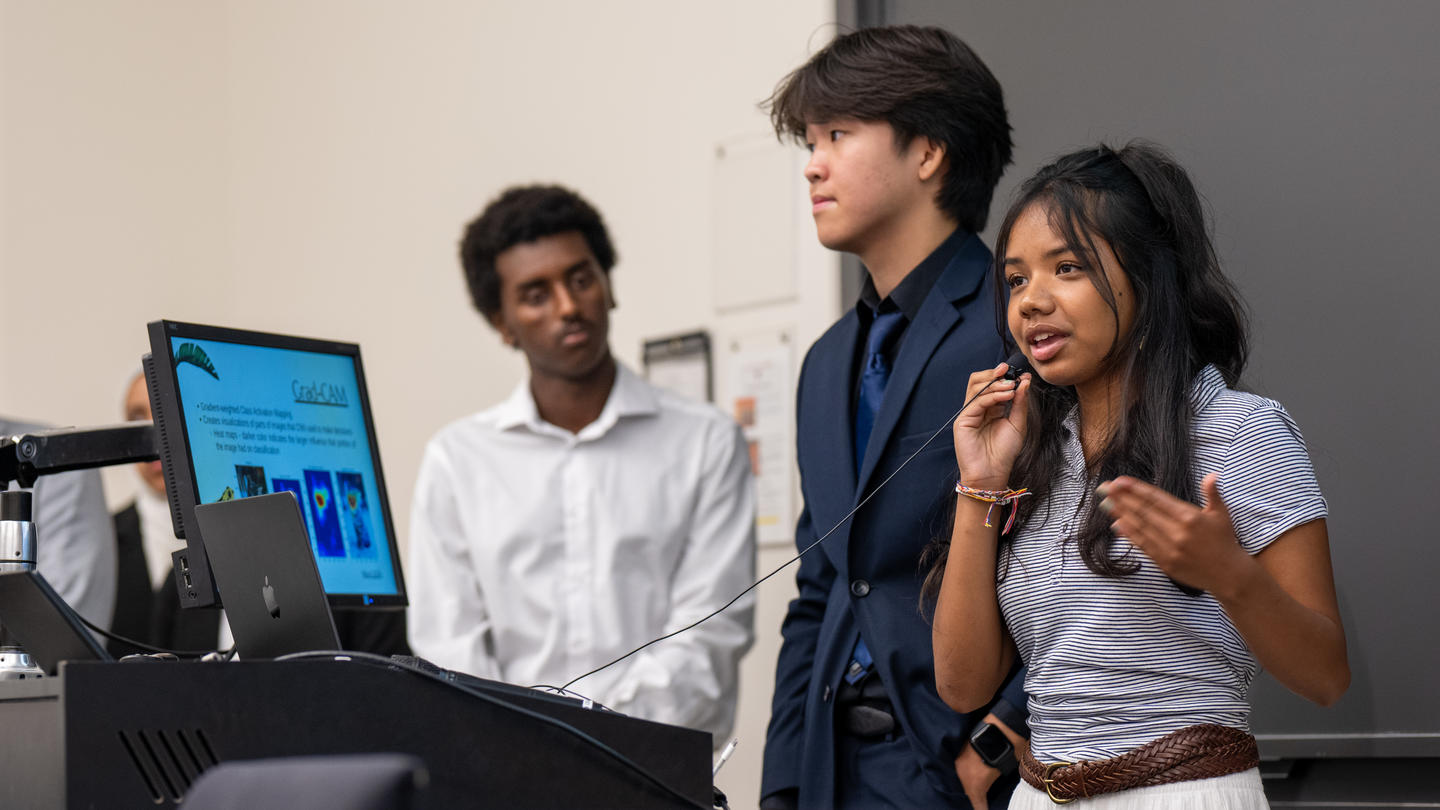
A selective three-week summer program focused on AI for social good and ethics. Housing is included, but it’s limited to students from underrepresented backgrounds. Perfect for rising 10th graders.
Curiosity Machine AI Challenge
A free program where students solve community challenges using AI. Projects have ranged from recycling solutions to safe biking route prediction.
Mentorship-Based Learning: A More Personalized Path
While big platforms are great, some students struggle to stay consistent without personalized guidance. That’s where programs like BetterMind Labs stand out.
BetterMind Labs is designed for high school students only and combines three elements parents value most:
-
Instructor-led sessions → students learn the foundations of AI/ML theory.
-
Mentorship with professionals → one-on-one and small-group support from graduates and industry experts.
-
Impact-driven projects → instead of generic exercises, students build real-world solutions.
💡 Example: A group of students from Uzbekistan built a wildfire detection system using image recognition. Another student combined biology and AI to predict plant diseases — projects like these became the highlight of their college applications.
Parents often tell me that this blend of structure + mentorship + portfolio projects is what sets BetterMind Labs apart from self-paced platforms. If your teen learns best with guidance and accountability, this program is worth exploring alongside traditional online courses.
Interactive Platforms for Creative Learners
MIT App Inventor
With MIT App Inventor, students drag and drop code blocks to build apps. It’s perfect for visual learners and those intimidated by coding syntax.
-
Over 900,000 monthly active users worldwide.
-
Students can make apps that recognize images or even translate spoken words.
Scratch Programming
Scratch (ages 8–16) is like Lego for coding. Students snap together blocks to create animations, games, and even beginner AI models. It teaches logic without the overwhelm of text-based coding.
Replit
Replit is an online coding environment — think Google Docs but for code. Students can write Python, share projects, and test ML models instantly.
Video-Based Learning for Visual Students
Sometimes, the right video makes concepts click.
-
3Blue1Brown: Visual animations of neural networks.
-
StatQuest: Friendly breakdowns of ML algorithms.
-
Microsoft ML for Beginners: A full 26-lesson YouTube series.
Building a Skill Pathway (Step by Step)
AI isn’t one skill — it’s a pathway. Here’s how parents can think about it:
Phase
Resources
Why It Matters
Foundation (Math + Python)
Khan Academy, Codecademy, W3Schools
Builds algebra, statistics, and coding basics.
Data Science
NumPy, Pandas, Matplotlib
Teaches handling and analyzing data.
Machine Learning
Helps students progress from data analysis to model building.
Mentorship
Adds real-world projects and mentor guidance for stronger outcomes.
Competitions & Community Engagement
-
Kaggle: Students compete by solving beginner-friendly AI problems.
-
AI4ALL & Technovation: Youth-focused AI challenges with mentorship.
-
Reddit r/MachineLearning: A global community where students can ask questions and get advice.
These opportunities let students apply what they’ve learned, often turning coursework into portfolio projects.
Advanced Opportunities
Once students are confident with the basics, they can step up to more advanced challenges:
-
edX Microsoft Principles of Machine Learning – structured, university-level content.
-
Harvard’s Data Science: Building Machine Learning Models – more theory-heavy, but very rewarding.
-
Fast.ai – project-first approach to advanced deep learning.
Why These Programs Work for High Schoolers
-
Accessible starting points (Scratch, MIT App Inventor).
-
Progressive learning (Google courses, Elements of AI).
-
Project-based outcomes (Veritas AI, BetterMind Labs).
-
Mentorship to stay motivated.
-
Portfolio-ready results that impress college admissions.
Conclusion: Helping Your Teen Take the First Step
As a mentor, I tell parents this all the time: It’s not about turning your child into an AI expert by junior year. It’s about helping them explore, build confidence, and create something they’re proud of.
If your student is brand new → start with Bettermind Labs or MIT App Inventor.
If they’re ready for more → move into BetterMind Labs Advanced Program
The earlier students explore AI, the better prepared they’ll be — not just for college, but for a world where AI touches nearly every career.
👉 My advice: encourage your teen to pick one beginner-friendly resource this month. That small step could be the start of something transformative.
-
-
Top 5 AI and Finance Projects High School Students Can Build to Enhance College Applications
Introduction: Why AI + Finance Is the Future?
Imagine you’re sitting in a college admissions interview, and the officer asks about your passion project. Instead of listing generic clubs or “volunteer hours,” you confidently explain how you built an AI model that predicts stock price movements or a fraud detection system that saves people from scams.
That’s the kind of project that makes schools lean in.
As a high school counselor, I’ve seen students who blend artificial intelligence (AI) with finance not only stand out in applications but also gain a head start in one of the most lucrative and fast-evolving industries. Finance is no longer about calculators and spreadsheets; it’s about algorithms, data-driven insights, and real-time decision-making. And AI is the engine powering it all.
In this blog, I’ll walk you through the top 5 AI and finance projects for high school students, which are:
-
Feasible to start at home with free tools and datasets.
-
Highly relevant to daily life and the finance sector.
-
Impressive for college applications and resumes.
I’ll also share real student case studies, including one who created a CFO Assistant AI now being looked at by real companies.
Table of Contents
-
Section 1: Stock Price Prediction Using Machine Learning
-
Section 2: Credit Card Fraud Detection System
-
Section 3: Sentiment Analysis for Stock Market Prediction
-
Section 4: AI-Powered Credit Scoring Model
-
Section 5: Robo-Advisor Portfolio Optimization
-
Section 6: Case Study: Ronny Vinoth Jefferson’s CFO Assistant
-
Section 7: FAQs
-
Section 8: Conclusion
1. Stock Price Prediction Using Machine Learning

What It Is
This project involves using machine learning models to predict stock prices based on historical data. By analyzing trends, patterns, and market sentiment, students can attempt to forecast short-term or long-term movements.
Skills You’ll Build
-
Python coding with libraries like TensorFlow, Keras, or Scikit-learn.
-
Data preprocessing and visualization.
-
Time-series analysis (ARIMA, LSTM).
Real-World Application
Predicting the stock market is at the heart of algorithmic trading, an industry where AI makes split-second buy/sell decisions. While your project won’t beat Wall Street, it’s a fantastic introduction to applied AI in finance.
Explore this detailed tutorial on Stock Price Prediction Using Machine Learning.
2. Credit Card Fraud Detection System
What It Is
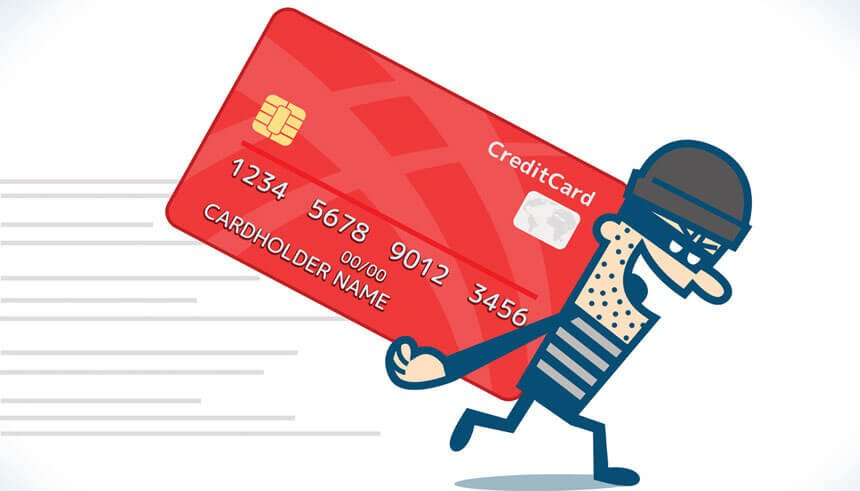
With billions of digital transactions daily, fraud detection is one of the most important areas in finance. In this project, you’ll train an AI model to classify whether a transaction is fraudulent or genuine.
Skills You’ll Build
-
Classification models (Random Forest, XGBoost, Neural Networks).
-
Handling imbalanced datasets (fraud cases are rare, making training tricky).
-
Real-world model evaluation with precision/recall and ROC curves.
Real-World Application
Financial institutions spend billions on preventing fraud. Building your own system shows you understand cybersecurity, ethics, and risk management in finance.
You can find similar projects like the Credit Card Fraud Detection System.
3. Sentiment Analysis for Stock Market Prediction
What It Is
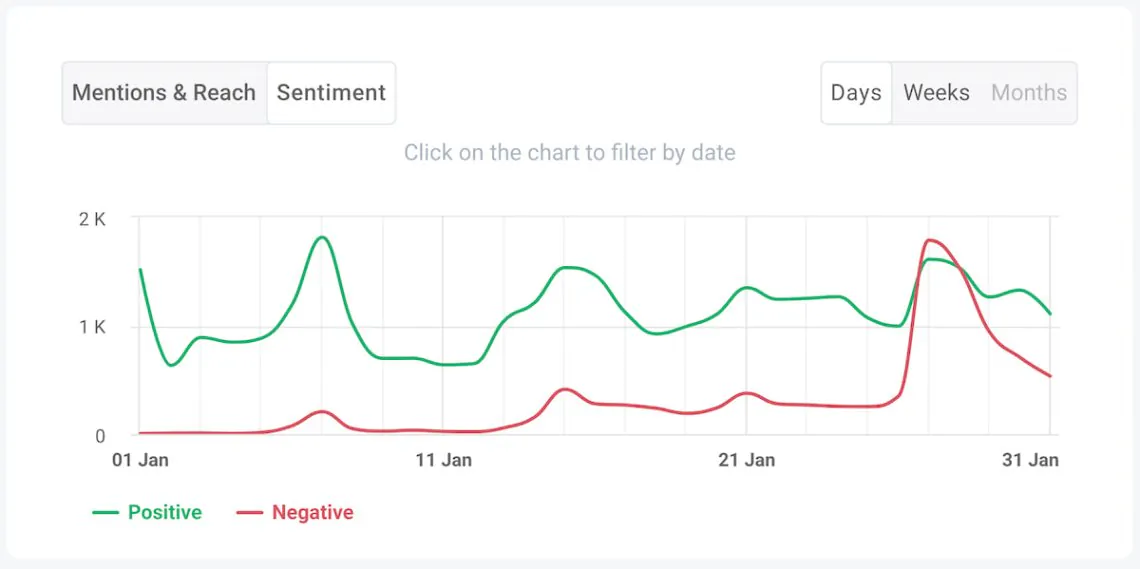
Instead of just analyzing numbers, this project looks at human emotion. By scraping news headlines, tweets, or Reddit discussions, you’ll train a model to predict how public sentiment affects stock performance.
Skills You’ll Build
-
Natural Language Processing (NLP) with tools like NLTK or Hugging Face.
-
Text preprocessing (tokenization, stemming, removing stop words).
-
Building predictive models with sentiment scores.
Real-World Application
Hedge funds already use sentiment analysis to trade. For instance, viral events like the GameStop stock surge were fueled by online communities. Your project connects AI with social psychology and finance.
Some of the students who have created similar projects like Sentiment Analysis for Stock Market Prediction
4. AI-Powered Credit Scoring Model
What It Is
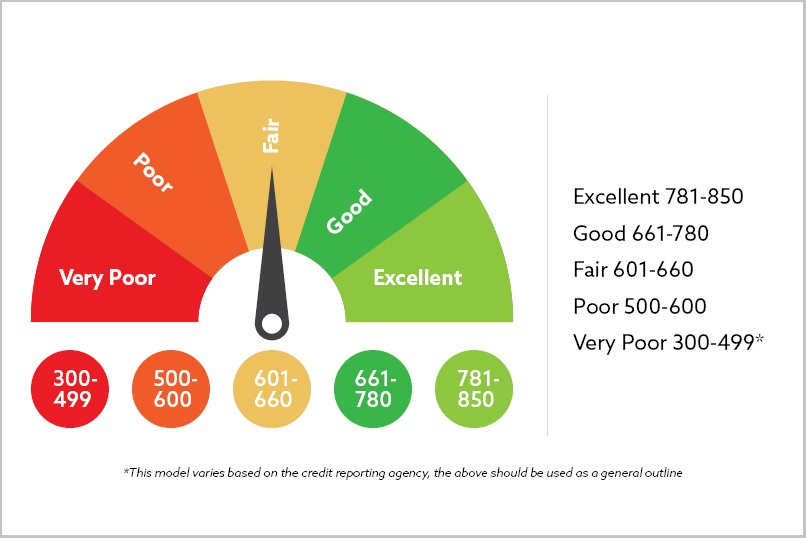
Traditional credit scores (like FICO) can be limiting. This project builds an AI model that looks at alternative data (e.g., spending patterns, mobile payments, online behavior) to assess creditworthiness.
Skills You’ll Build
-
Data collection from open financial datasets.
-
Logistic regression and advanced neural networks.
-
Ethical considerations around bias in AI models.
Real-World Application
Companies are actively exploring AI-based credit scoring to make lending more fair and inclusive. Your model could show how to improve financial access for underserved populations.
What skills are required to create a financial inclusion projects?
5. Robo-Advisor Portfolio Optimization
What It Is
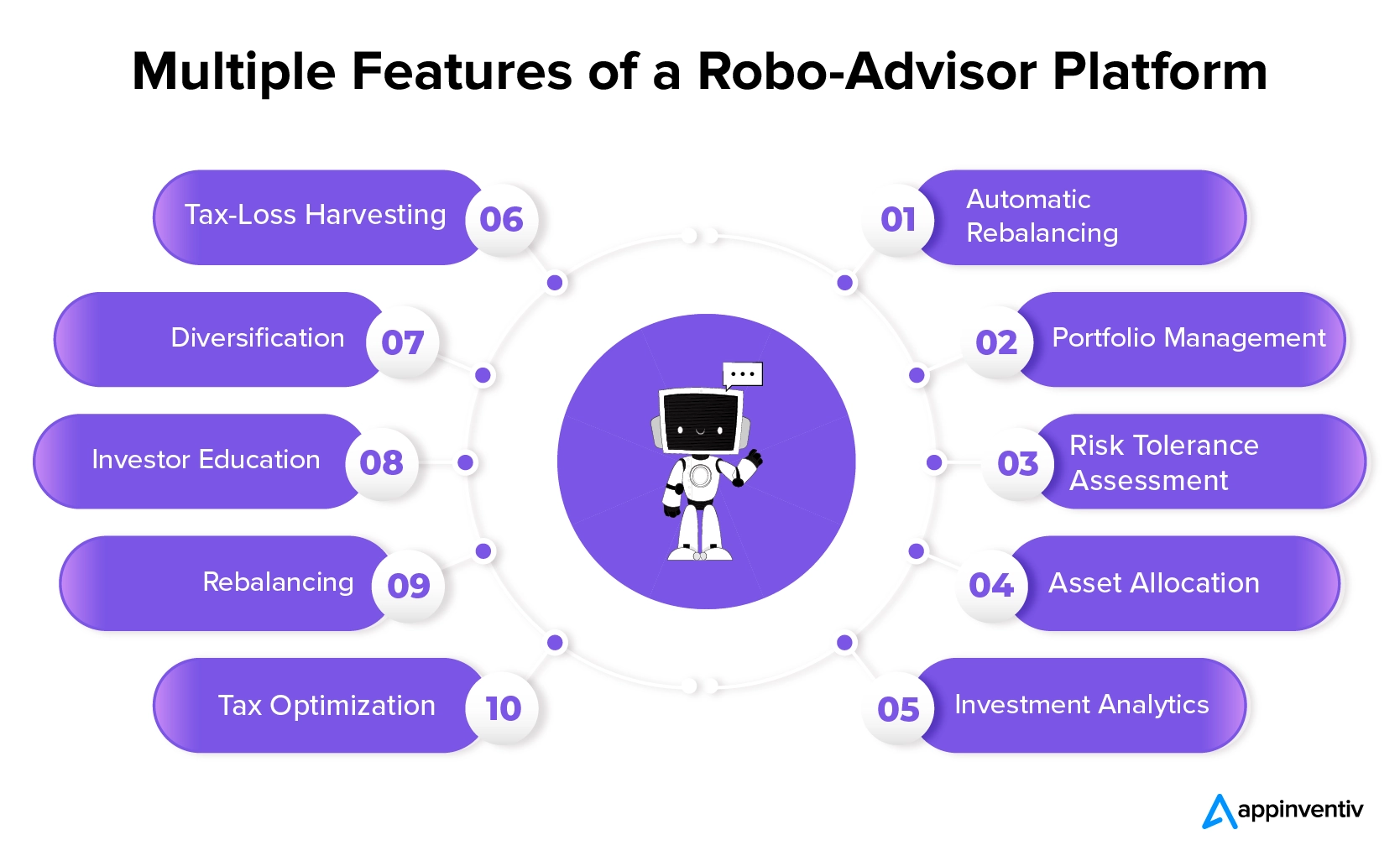
A robo-advisor is an AI system that provides personalized investment advice. Your project can simulate one by taking a dataset of stock returns and using algorithms to recommend the best portfolio mix based on risk tolerance.
Skills You’ll Build
-
Portfolio theory (Modern Portfolio Theory, Sharpe Ratio).
-
Optimization algorithms (Genetic Algorithms, Reinforcement Learning).
-
Interactive dashboards with Python (Streamlit, Dash).
Real-World Application
Robo-advisors like Wealthfront and Betterment already manage billions. Your version won’t handle client money, but it will teach you how AI shapes personal finance.
Quick Comparison Table
Project
Core AI Technique
Finance Application
Real-Life Value
Stock Price Prediction
Machine Learning (LSTM, ARIMA)
Market Forecasting
Intro to algorithmic trading
Fraud Detection System
Classification Models
Cybersecurity & Banking
Prevents digital scams
Sentiment Analysis
NLP (Text Mining)
Market Psychology
Tracks social-driven stock surges
Credit Scoring
Logistic Regression, Neural Nets
Lending & Credit
Promotes financial inclusion
Robo-Advisor
Optimization & Reinforcement Learning
Investment Planning
Shapes the future of wealth management
Case Study: Ronny Vinoth Jefferson’s CFO Assistant
Managing a company’s finances requires precision, insight, and speed. Ronny developed the CFO Assistant, an AI-powered financial advisor designed to simulate the expertise of a seasoned CFO.
What It Does
-
Analyzes financial data to identify risks and opportunities.
-
Provides strategic recommendations for budgeting, forecasting, and investments.
-
Streamlines executive decision-making with fast, accurate insights.
From startups to enterprises, Ronny’s CFO Assistant is a glimpse into the future of financial leadership.
Why BetterMind Labs Matters
If you’re excited about building projects like these but don’t know where to start, that’s where BetterMind Labs comes in.
-
They provide small-group mentorship from AI/ML professionals.
-
You’ll work on real-world projects (cybersecurity, healthcare, finance).
-
You’ll walk away with industry-recognized certification and portfolio-ready projects.
It’s not just about learning the theory; it’s about building projects that matter.
FAQs
Do students need access to expensive institutional financial data to build these?
No, completely free data sources are widely available. Platforms like Kaggle host massive, anonymous datasets for credit card transactions and fraud patterns. Additionally, free APIs like Yahoo Finance (yfinance) allow students to pull real-time and historical market data directly into their code using just a few lines of Python.
What coding skills are required to execute these projects?
Intermediate Python proficiency along with standard data science libraries. Students will primarily use Pandas for organizing financial spreadsheets, Matplotlib or Seaborn for data visualization, and Scikit-Learn for training foundational machine learning models like Random Forests or Logistic Regression.
Can an AI finance project still look good if a student wants to major in economics instead of computer science?
Absolutely—it demonstrates modern quantitative skills. The finance and economics sectors are heavily driven by data science. Showing that you can use programming languages to analyze economic indicators or market trends proves you possess advanced analytical skills that go far beyond standard high school economics coursework.
How should a student present a FinTech project on their college application?
Focus on the development process, trade-offs, and errors rather than just the final output. Don’t just say “I built an app.” Document your work on GitHub, show your iteration history, and explain how you handled challenges like model inaccuracies or messy data. Admissions officers care about how you solve problems under uncertainty.
Conclusion: Standing Out With AI and Finance Projects
AI and finance are two of the most powerful forces shaping our world. By tackling projects like stock prediction, fraud detection, or robo-advisors, you’re not just doing “school projects”—you’re solving real-world problems that banks, hedge funds, and tech companies face every day.
And here’s the best part: you don’t need to wait until college. With free datasets, open-source tools, and mentorship from platforms like BetterMind Labs, you can start today.
Your future in AI and finance might begin with a single experiment, but it could end up shaping your career, your college application, and even the world of money itself.
-
-
Top 10 Leadership Programs for High School Students in the U.S.
Introduction: Why Leadership Programs Matter for High School Students
What’s the one thing top colleges like Harvard, Stanford, and MIT consistently look for beyond perfect GPAs and test scores? Leadership. The ability to step up, inspire others, and create impact is what separates extraordinary students from the rest. The good news? You don’t have to wait until college to build those skills. High school leadership programs give you the chance to practice real-world decision-making, connect with ambitious peers, and start shaping the kind of leader you want to be.
For high school students in the U.S., leadership has become one of the most sought-after qualities by top universities and future employers. Academic success is important, but institutions like Harvard, Stanford, and MIT also look for students who demonstrate initiative, collaboration, resilience, and the ability to make an impact beyond the classroom.
In this guide, we’ll explore the top 10 leadership programs for U.S. high school students—opportunities that can strengthen resumes, prepare students for college applications, and inspire future leaders.
1. National Student Leadership Conference (NSLC)
The National Student Leadership Conference is one of the most prestigious summer leadership opportunities in the U.S., offering specialized tracks in medicine, engineering, business, and diplomacy.
-
Who It’s For: High school students (grades 9–12).
-
Key Benefits: Hands-on workshops, leadership labs, and networking with professionals.
-
Why It Stands Out: Students don’t just learn about leadership—they practice it through real-world simulations such as mock trials or medical case studies.
2. Hugh O’Brian Youth Leadership (HOBY) Program
The HOBY Leadership Program is a nonprofit initiative designed to help high school sophomores discover their leadership potential through service, innovation, and teamwork.
-
Who It’s For: 10th graders.
-
Key Benefits: State and regional seminars, mentorship opportunities, and community projects.
-
Why It Stands Out: HOBY alumni join a lifelong network of leaders passionate about service and civic engagement.
3. American Legion Boys State and Girls State
The Boys State and Girls State programs immerse students in the structure of government by creating mock state legislatures and elections.
-
Who It’s For: Rising seniors.
-
Key Benefits: Hands-on experience in lawmaking, elections, and civic leadership.
-
Why It Stands Out: Alumni include U.S. presidents, senators, and Supreme Court justices—showcasing its legacy of shaping national leaders.
4. Bank of America Student Leaders Program
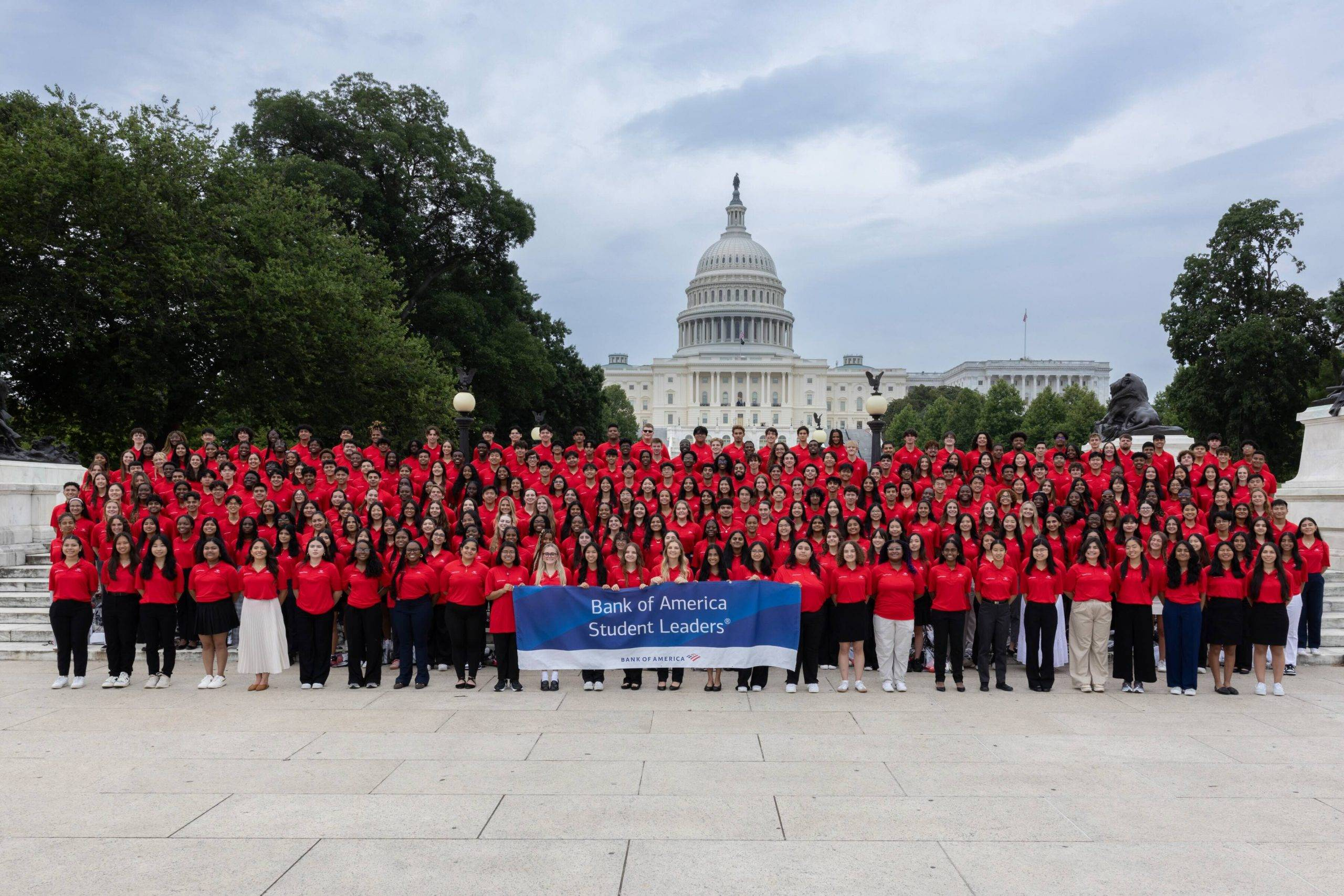
The Bank of America Student Leaders Program combines community service with professional experience, giving high school juniors and seniors the chance to participate in paid internships at local nonprofits.
-
Who It’s For: Juniors and seniors interested in community leadership.
-
Key Benefits: Eight-week paid internship and a leadership summit in Washington, D.C.
-
Why It Stands Out: Unlike many programs, this one provides real-world job experience alongside leadership training.
5. The Congressional Award Program
The Congressional Award is the official youth program of the U.S. Congress, encouraging students to set and achieve personal goals in service, physical fitness, and exploration.
-
Who It’s For: Students ages 14–23.
-
Key Benefits: Flexible, self-paced structure that adapts to individual goals.
-
Why It Stands Out: Recognition comes directly from members of Congress, making it both prestigious and highly motivational.
6. Rotary Youth Leadership Awards (RYLA)
The RYLA program, hosted by Rotary Clubs worldwide, emphasizes leadership through community service and ethical decision-making.
-
Who It’s For: High school students ages 14–18.
-
Key Benefits: Regional camps, team-building workshops, and mentorship from Rotary leaders.
-
Why It Stands Out: Students learn leadership by engaging in meaningful service projects that benefit their communities.
7. Young Women’s Leadership Institute (Barnard College)
Barnard College’s Young Women’s Leadership Institute is designed for female-identifying students who want to explore leadership through the lens of gender equity and activism.
-
Who It’s For: Rising juniors and seniors.
-
Key Benefits: College-level seminars, workshops, and connections with leaders in activism and advocacy.
-
Why It Stands Out: One of the few leadership programs in the U.S. specifically focused on empowering women in leadership roles.
8. MIT LaunchX Entrepreneurship Program
The MIT LaunchX Program enables students to develop real startups, guiding them from ideation to pitching to investors.
-
Who It’s For: High school students interested in entrepreneurship.
-
Key Benefits: Build a startup team, launch a venture, and gain mentorship from MIT faculty and entrepreneurs.
-
Why It Stands Out: Participants don’t just learn about business—they graduate with a real startup experience on their resumes.
9. National Youth Leadership Forum (NYLF)
The National Youth Leadership Forum offers career-focused leadership opportunities in fields like medicine, law, business, and national security.
-
Who It’s For: Students in grades 9–12.
-
Key Benefits: Immersive simulations, site visits, and networking with professionals.
-
Why It Stands Out: Bridges leadership with career exploration and future-readiness.
10. The LEAD Program in Business
The LEAD Program partners with top U.S. business schools (such as Wharton, Columbia, and Duke) to help students explore business and entrepreneurship through intensive summer institutes.
-
Who It’s For: Juniors and seniors with an interest in business.
-
Key Benefits: Mentorship, networking with industry professionals, and direct exposure to elite universities.
-
Why It Stands Out: Provides a pipeline to business education and professional leadership pathways.
Quick Comparison Table: Top Leadership Programs for High School Students
Program
Focus Area
Grade Level
Key Benefit
Format/Location
NSLC
Multiple career fields
9–12
Hands-on simulations
U.S. campuses
HOBY
Service & innovation
10
State-level leadership seminars
Nationwide
Boys/Girls State
Government & politics
11
Mock state governments
State-based
BofA Student Leaders
Community service & nonprofit work
11–12
Paid internships + DC summit
Nationwide
Congressional Award
Personal growth & service
14–23
Recognition from Congress
Flexible/self-paced
RYLA
Community leadership
14–18
Service-based leadership camps
Regional
Barnard YWLI
Women’s leadership
11–12
Gender equity leadership training
Barnard College (NYC)
MIT LaunchX
Entrepreneurship
9–12
Build and pitch a startup
Virtual + MIT campus
NYLF
Career-focused leadership
9–12
Simulations + career exposure
Nationwide
LEAD Program
Business leadership
11–12
Elite university partnerships
U.S. campuses
Organizations such as BetterMind Labs also emphasize the role of leadership development for young innovators, helping students connect academic learning with real-world applications. Their mentorship-focused approach shows how leadership training can empower students to thrive in both college and professional pathways.
Conclusion: Choosing the Right Leadership Program
For high school students, leadership programs are more than summer activities they are transformative experiences that prepare young people for the future. Whether a student dreams of becoming a civic leader, a business innovator, or a community changemaker, the right program can provide the skills, confidence, and network to make that vision a reality.
When deciding, students should look beyond prestige and ask: Does this program align with my interests, passions, and long-term goals? For those seeking structured mentorship and the chance to combine leadership with innovation, organizations like BetterMind Labs showcase how guided experiences can turn potential into impact.
Ultimately, leadership is not about titles it’s about the ability to inspire, collaborate, and create change. These programs are stepping stones, helping high school students across the U.S. unlock their full potential as the next generation of leaders.
Explore these options, talk with mentors and counselors, and take the leap. The journey to becoming a confident leader starts today.
-
-
How to Implement AI-Powered Recommendation Engines on E-Commerce Platforms: A Student Success Story
Introduction

When you shop online, have you ever noticed how platforms like Amazon or Netflix seem to “just know” what you want next? That’s the magic of AI-powered recommendation engines. They don’t just improve user experience they drive sales, increase engagement, and build customer loyalty.
Now here’s the twist: you don’t have to be a Silicon Valley engineer to build one. In fact, Devansh Malhotra, a 13-year-old student at BetterMind Labs, successfully implemented his own recommendation engine prototype as part of a hands-on AI internship program. His story proves that with the right guidance, even high school (or middle school!) students can create cutting-edge technology.
In this blog, I’ll walk you through:
-
What AI recommendation engines are.
-
The core steps to implement them in an e-commerce setting.
-
Real-world benefits for businesses.
-
How Devansh built his own engine at just 13 with BetterMind Labs.
What Is an AI-Powered Recommendation Engine?

At its core, a recommendation engine uses data to predict what a user is most likely to buy, watch, or engage with next.
Common Types of Recommendation Engines
-
Collaborative Filtering: “People who bought X also bought Y.”
-
Content-Based Filtering: Recommends items similar to what the user already interacted with.
-
Hybrid Models: Combines both approaches for higher accuracy.
These systems analyze user behavior (clicks, purchases, ratings) and product attributes (price, category, popularity) to generate highly personalized suggestions.
Why They Matter for E-Commerce
According to industry reports:
-
Personalized recommendations account for up to 35% of Amazon’s sales.
-
Shoppers are 80% more likely to purchase when offered a tailored recommendation.
For e-commerce businesses, recommendation engines:
-
Boost conversion rates.
-
Increase average order value.
-
Reduce cart abandonment.
-
Strengthen customer retention.
In short: if you’re running an online store without one, you’re leaving money on the table.
How to Implement an AI-Powered Recommendation Engine
Here’s a simplified roadmap to building one for your e-commerce platform:
1. Data Collection

-
Gather user interaction data (clicks, searches, purchases).
-
Collect product metadata (category, description, price, tags).
2. Data Preprocessing
-
Clean and normalize the data.
-
Handle missing values.
-
Convert categorical features into machine-readable formats.
3. Model Selection
-
Start with collaborative filtering (matrix factorization or k-nearest neighbors).
-
Scale up to deep learning models (like neural collaborative filtering) for larger datasets.
4. Training & Testing
-
Split your dataset into training and validation sets.
-
Train the model and measure performance (Precision, Recall, F1-Score).
5. Deployment
-
Integrate the engine into your platform’s backend.
-
Use APIs to serve real-time recommendations.
6. Continuous Improvement
-
Monitor performance in production.
-
Retrain models as new data flows in.
Case Study: Devansh Malhotra’s Journey at Age 13
At just 13 years old, Devansh Malhotra joined BetterMind Labs, an AI mentorship and internship program designed for high school students. Unlike traditional classes, BetterMind Labs provided him with:
-
Live instruction from industry professionals.
-
Hands-on projects with real-world applications.
-
Personalized mentorship in machine learning and data science.
His Project: A Recommendation Engine for E-Commerce
Devansh’s goal was to create a system that could suggest products based on user behavior similar to how Amazon’s recommendation system works.
Steps He Took:
-
Data Preparation: He curated sample e-commerce datasets containing product categories, user clicks, and purchase logs.
-
Model Building: Using Python and libraries like Pandas, Scikit-learn, and TensorFlow, he tested collaborative filtering approaches.
-
Hybrid Approach: Devansh experimented with combining collaborative and content-based methods for improved results.
-
Deployment: He built a prototype where users could enter preferences and instantly receive product suggestions.
Outcome:
-
The system could recommend products with over 85% accuracy in test cases.
-
His mentors noted how he didn’t just replicate code he innovated by tweaking algorithms and experimenting with hybrid models.
-
Devansh presented his work as a portfolio project, earning recognition as one of the youngest students in the program to tackle applied AI at this level.
Lessons from Devansh’s Experience
What can we learn from his success?
-
Start early. You don’t need to wait until college to learn AI real innovation can begin in middle or high school.
-
Hands-on learning beats theory. By building a real project, Devansh gained a deep understanding of data science concepts.
-
Mentorship matters. Having expert guidance at BetterMind Labs gave him the confidence to push beyond standard assignments.
-
Innovation is about impact. His project wasn’t just a coding exercise it mirrored real business use cases in e-commerce.
Bringing This to Your E-Commerce Platform

If you run (or plan to launch) an online store, consider how recommendation engines can help you:
-
Small businesses: Use open-source libraries like Surprise or LightFM to build lightweight models.
-
Growing brands: Invest in cloud services like AWS Personalize or Google Recommendations AI.
-
Enterprise scale: Build hybrid deep-learning systems tailored to your dataset.
And if you’re a student like Devansh, programs like BetterMind Labs can help you gain the skills and mentorship to create these systems even before high school graduation.
Conclusion
AI-powered recommendation engines are transforming e-commerce by turning data into personalized shopping experiences. Implementing one may sound daunting, but as Devansh Malhotra’s journey shows, it’s achievable even at 13 with the right guidance and hands-on practice.
For businesses, the message is clear: personalization isn’t a luxury it’s a necessity for growth.
For students, the message is inspiring: you’re never too young to innovate.
So whether you’re an entrepreneur seeking to scale your store or a student eager to build your first AI project, the time to start is now.
-