Tag: AI for High Schoolers

  • How an AI Project by High School Students Is Tackling Real-World Problems

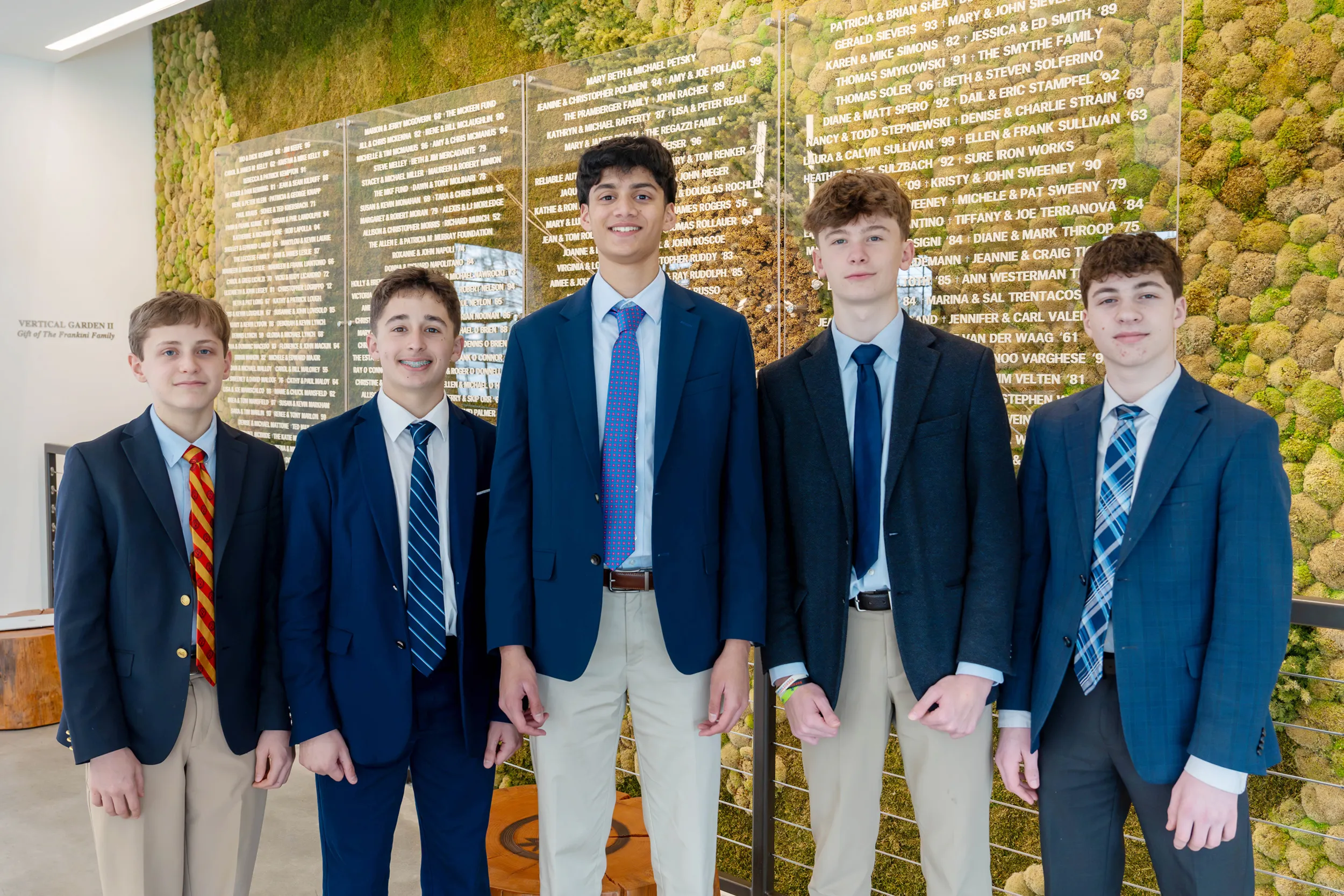
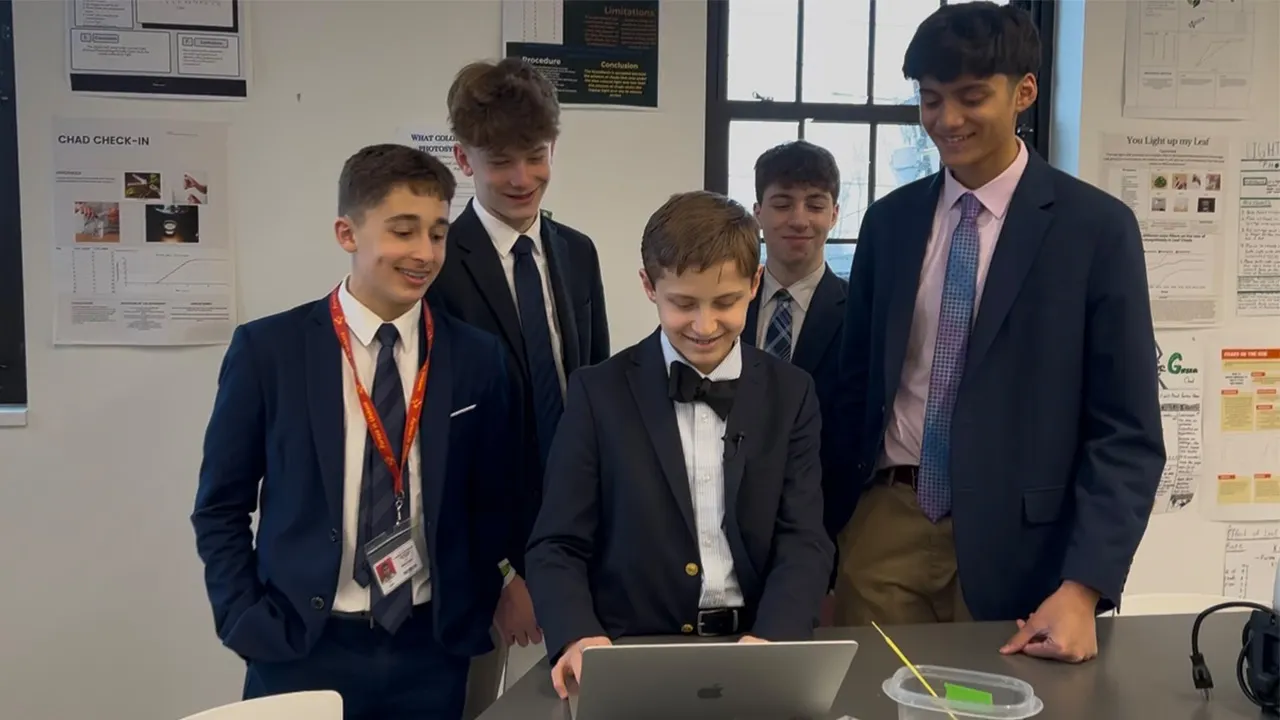
    Five high school students created Buddy Bot, an AI chatbot that supports teens dealing with social media stress.

    We usually expect teenagers to scroll through social media, not build tools to combat its effects. But five 9th graders flipped that script when they created Buddy Bot, an AI chatbot designed to check in on users and spot signs of emotional burnout.
    Let’s break it down.

    Their classmates were stuck in what they called “scroll loops,” mindlessly cycling through TikTok, Instagram Reels, and posts without realizing how much time was flying by or how drained they felt after. The team saw the pattern and asked a question: What if a bot could help you get out of that cycle?

    Buddy Bot: An AI Project by High School Students with Heart

    Buddy Bot is an AI project by high school students, which reads your social posts (with permission) and looks for stress signals and language that hints at burnout, fatigue, or sadness. When it notices something off, it doesn’t send an alert or lecture. It just drops in with a short, human-like message. Think of it as a friend nudging you to breathe.

    The project won the Medical Marvels Challenge, not because it used fancy algorithms, but because it tackled a very real mental health problem with care and intention.

    One of the team members, Andrew Runje Dargento, put it plainly:

    “We’ve all experienced firsthand these issues where we’re on our phone hours upon hours, where we should be doing more productive things.”

    That’s the heart of it. The students weren’t building for a grade or resume line. They were building for each other.
    AI With Heart

    There’s a lot of noise about AI right now, with faster processors, bigger models, and smarter code. But Buddy Bot is a reminder that the most impactful AI doesn’t always solve technical problems. Sometimes, it solves human problems.

    At BetterMind Labs, we’ve seen students bring the same emotional clarity to their work.

    Like MindEase, made by Emma in our program, a quiet, thoughtful tool that supports teens through emotional lows. No notifications. No judgment. Just steady, digital companionship.

    Different bots. Same goal.

    Why This Matters (Especially for Parents and Educators)

    We’re in a moment where high schoolers aren’t just consuming tech, they’re shaping it. But the ones who stand out aren’t the ones building for hype. They’re the ones building for people.

    That’s why programs like Medical Marvels and mentorship spaces like BetterMind Labs are so powerful. They don’t just teach coding. They help students connect technology to real life, feelings, friendships, and self-awareness.
    If you’re a parent of a high schooler in the US or Canada, pay attention to these kinds of projects. They’re signals of where education is headed, and how the next generation is learning to care through code.


    Relevant Links:

    Chaminade Wins 13th Medical Marvels Competition – Feinstein Institutes
    https://feinstein.northwell.edu/news/the-latest/chaminade-wins-13th-medical-marvels-competition

    NASA Human Research Program – IWS 2025
    https://www.nasa.gov/hrp/iws-2025/

    NASA HUNCH Program – High School Students United with NASA to Create Hardware
    https://nasahunch.com/

    How AI Mental Health Tools Built by High School Students Are Helping Astronauts in Space
    https://www.bettermindlabs.org/post/how-ai-mental-health-tools-built-by-high-school-students-are-helping-astronauts-in-space

    Meet the Students Behind BetterMind Labs
    https://www.bettermindlabs.org/students

    Streamlit – The Fastest Way to Build and Share Data Apps
    https://streamlit.io/

    How Astronauts Take Care of Their Mental Health in Space
    https://www.asc-csa.gc.ca/eng/youth-educators/toolkits/mental-health-and-isolation/how-astronauts-take-care-of-their-mental-health-in-space.asp

    BetterMind Labs – AI Projects by High School Students
    https://www.bettermindlabs.org/
  • AI Mental Health Tools Built by High School Students: How Teens Are Supporting Astronauts

    Let’s start with a simple question:

    What does mental health look like… in zero gravity?

    That’s the kind of challenge a group of high school students in Michigan took on, and what they built could actually end up helping NASA astronauts cope with isolation during long space missions.

    Here’s the story of VISTA-AI, and why it matters for every student thinking, “Can I really make a difference while I’m still in high school?”

    From a Michigan High School to a NASA Workshop

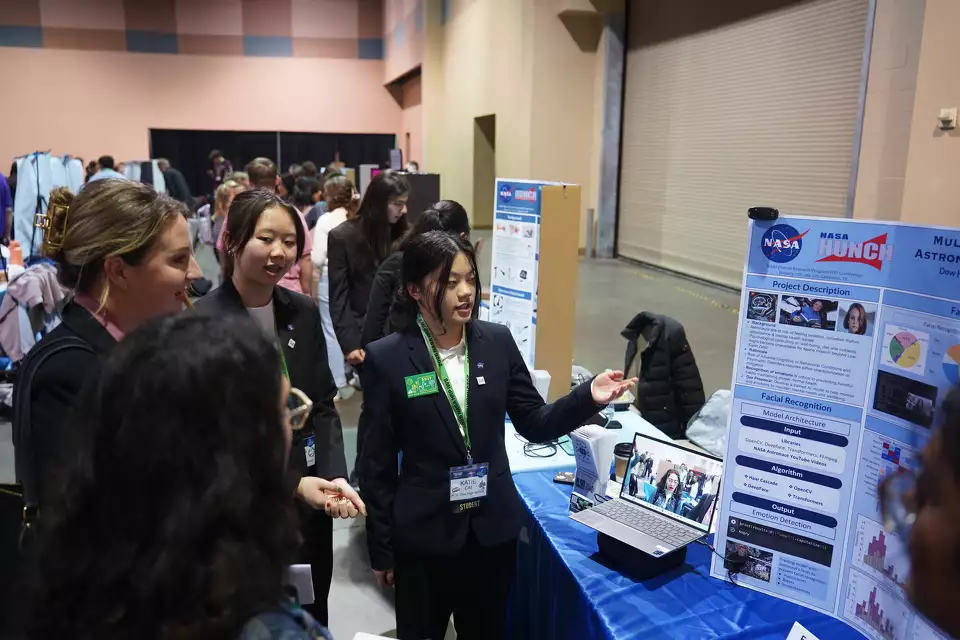
    VISTA-AI is one of the most promising AI mental health tools built by high school students. Created by a group from Michigan, it uses facial expression analysis and tone recognition to monitor astronaut well-being—Track mental states over time, something that’s crucial for astronauts on extended missions.

    Their idea was smart. But what happened next was next-level.

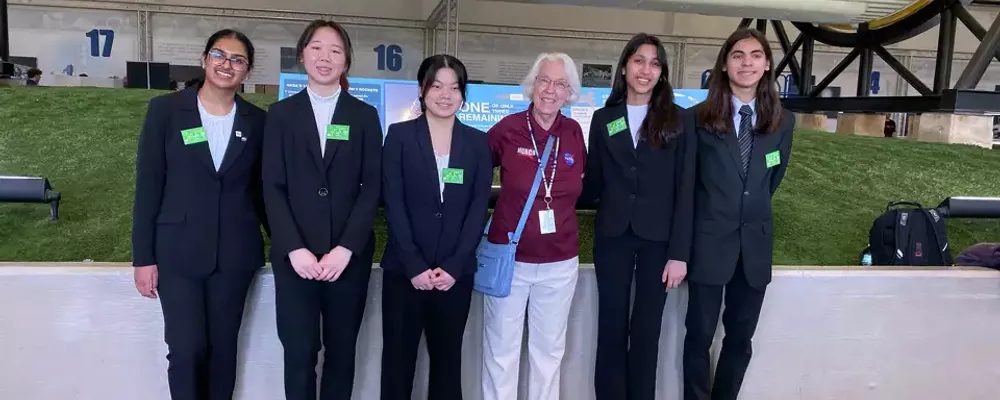
    They were invited to present their work at the NASA Human Research Program Investigators’ Workshop in Texas. There, they got direct feedback from scientists, engineers, and even astronaut Frank Rubio, who spent nearly a full year on the International Space Station.

    Yes, you read that right: high schoolers explaining their invention to someone who’s literally lived in space.

    And they didn’t stop there. The team later showcased their work at the NASA HUNCH Final Design Review in Houston, continuing to refine the tool based on real-world input.

    Why AI Mental Health Tools Built by High School Students Matter in Space

    Imagine spending 6 months or more in a small spacecraft, millions of miles from Earth, with no escape from your environment. No nature. No fresh air. Limited human interaction.

    Mental health in space isn’t just a side topic; it’s mission-critical.

    That’s what makes VISTA-AI such a smart approach. It gives astronauts and mission teams a way to spot emotional red flags early, using passive data like facial tension or voice stress.

    This isn’t just theoretical. If VISTA-AI keeps evolving, it could help astronauts on future moon bases, Mars missions, and even commercial space flights.

    So What Does This Mean for You?

    Here’s the thing: you don’t have to wait until college or even graduation to start working on problems that matter.

    Students across North America are doing real, impactful work right now. Whether it’s AI in space, mental health, sustainability, or education, there’s room for young thinkers at the table.

    Take Zahra Azeem, for example. She’s an alumni at BetterMind Labs, a program where teens explore personalized projects that blend AI, empathy, and innovation. Zahra built Serenity AI, a wellness chatbot that helps people reflect, journal, and receive personalized mental health suggestions. It even uses AI-driven prescription generation, all built on Streamlit, a Python-based app platform.

    Her project didn’t just impress mentors. It reminded everyone that when students care deeply about a problem and have the right guidance, they can actually move the needle.

    How to Get Started

    If you’re a student:

    You don’t need to wait for a big lab or fancy grant. Start small. Get curious. Find a question that bugs you, and build something that tries to answer it.

    If you’re a parent:

    Support your child’s curiosity. Give them space to tinker, explore, and fail. Programs like BetterMind Labs exist to help kids turn passion into direction.

    Because the future isn’t just about getting into college. It’s about shaping the world you want to live in, whether that’s here on Earth, or 250 miles above it.


    Relevant Links:

  • From NASA to Netflix: Where AI Is Being Used Today

    From Rockets to Recommendations, where AI is being used today

    In 2025, artificial intelligence isn’t just a buzzword. It’s a silent force shaping nearly every part of our daily lives. Whether you’re watching your favorite series on Netflix or calculating rover paths on Mars, AI is in the driver’s seat. This blog explores where AI is being used today—from outer space to your smartphone—and why understanding this shift is essential for students, innovators, and future leaders.

    AI in Space: Smarter Missions with NASA

    NASA doesn’t just launch rockets; it launches data—terabytes of it every day. To make sense of it all, NASA uses AI to:

    • Optimize rover routes on Mars using machine learning algorithms that adapt to terrain patterns.

    • Analyze satellite images to detect climate changes, forest fires, and even asteroid movement.

    • Assist astronauts with intelligent virtual assistants onboard spacecraft (like “Callisto,” a voice-operated system on Artemis I).

    In 2022, NASA used AI to process 3 petabytes of climate data to better predict weather patterns on Earth. That’s not science fiction; it’s science reality.

    AI in Entertainment: The Netflix Experience

    When you log into Netflix and see a perfect recommendation, thank AI.

    Netflix uses machine learning to:

    • Predict what you’ll like based on your viewing history.

    • Optimize video streaming quality based on your internet bandwidth.

    • Customize thumbnails for each user to increase click-through rate.

    This is why two users may see completely different posters for the same movie. It’s AI working behind the scenes to keep you watching longer.

    AI in Healthcare: Faster, Smarter Diagnosis

    AI is helping doctors diagnose diseases faster and more accurately than ever before.

    • PathAI uses deep learning to detect cancer in pathology slides with higher accuracy than traditional methods.

    • IBM Watson Health supports doctors by providing evidence-based treatment recommendations.

    • AI chatbots are helping patients manage symptoms and schedule appointments in real-time.

    Our own student at BetterMind Labs, Richard, inspired by his father’s misdiagnosis, built a skin cancer detection tool using AI. His model now helps thousands of people self-check skin lesions.

    AI in Education: Personalized Learning at Scale

    AI is personalizing how students learn.

    • Knewton and Squirrel AI create adaptive learning experiences.

    • Gradescope uses AI to grade handwritten math and science exams.

    • AI-powered chatbots help students learn languages or solve math problems instantly.

    At BetterMind Labs, one of our alumni created an AI-powered Concept-Map Generator to simplify textbook reading, now used by 3 schools.

    AI in Cybersecurity: Protecting in Real-Time

    In today’s digital world, threats evolve faster than humans can detect.

    • CrowdStrike and Darktrace use AI to spot anomalies in network traffic.

    • AI algorithms predict potential breaches and prevent data theft.

    • Phishing URL detectors built by students like ours use natural language processing to identify scam emails before they reach your inbox.

    AI in Business & Finance: Smart Investments and Operations

    AI in business isn’t just about automation—it’s about smarter decisions.

    • JP Morgan uses AI to analyze legal documents and reduce review time.

    • AI-powered CRMs like Salesforce Einstein predict customer behavior.

    • Robo-advisors help people invest with personalized financial strategies.

    BetterMind Labs alumni projects have included a crypto sentiment analyzer, used by young traders to predict market movements based on Reddit and Twitter feeds.

    Why It Matters for Students

    Knowing where AI is being used today helps students:

    • Identify relevant problems worth solving.

    • Build portfolio-worthy projects.

    • Gain skills in demand across multiple industries.

    Whether you’re into medicine, movies, or Mars—AI is there.

    How You Can Start

    Don’t wait for college to get started. Here are 3 steps:

    1. Learn Python and basic ML using YouTube or platforms like Fast.ai.

    2. Pick a problem you care about—mental health, education, climate change.

    3. Start small: build chatbots, detectors, or data visualizations.

    And if you need mentorship, check out our BetterMind Labs’ High School AI Internship. We help students like you build passion projects that make real-world impact.

    Conclusion: Be the Innovator AI Needs

    AI is not the future; it’s the now. And it’s happening in ways you can be a part of. From NASA to Netflix, from hospitals to your own high school classroom—AI is everywhere.

    It’s time to not just use AI, but to create with it. Let BetterMind Labs show you how.

    Applications for BetterMind Labs’ AI Program are now open.

    Where AI Is Being Used Today is more than a question. It’s a map of opportunities—and your name might just be the next point on it.


    Relevant Links

  • AI in Cancer Detection: How High School Students Are Joining the Fight

    Cancer isn’t new—it’s as old as humanity, maybe even older.

    The earliest evidence of cancer was found in a 1.7-million-year-old hominin fossil in South Africa, which showed signs of osteosarcoma, a form of bone cancer. In ancient Egypt, scrolls revealed mentions of breast tumors, often with grim notes like “no treatment available.”

    Around 400 BCE, Hippocrates, the Greek physician widely regarded as the “Father of Medicine,” described cancer as “karkinos, “ meaning crab. The term was inspired by the appearance of tumors with swollen blood vessels—like a crab’s legs stretching out.

    Why Early Detection Matters So Much

    Cancer isn’t just one disease. It’s a group of diseases that all share one terrifying trait: cells that grow out of control

    Detecting cancer early significantly increases the chances of successful treatment. Today, doctors use a variety of diagnostic tools:

    • Mammograms for breast cancer

    • CT scans and MRIs for tumors

    • Biopsies for cellular analysis

    • Blood tests for cancer markers

    Despite these technologies, even trained professionals can miss signs—especially when symptoms are vague or when multiple scans are required. Human fatigue, oversight, and data overload play a role. Even machines make mistakes due to outdated models or limited training data.

    When life is at stake, these margins of error are simply too big.

    Enter AI: Precision Meets Pattern Recognition

    Artificial Intelligence, particularly Machine Learning (ML) and Deep Learning, is revolutionizing cancer diagnostics. Here’s how:

    • Image Recognition: AI algorithms trained on thousands of medical images can detect minute changes or patterns that the human eye might miss.

    • Predictive Analytics: AI can analyze patient history, genetics, and test results to predict the risk of cancer even before symptoms appear.

    • Pathology Analysis: AI models like Google’s LYNA (Lymph Node Assistant) have shown over 92% accuracy in detecting metastatic breast cancer.

    • Real-time Monitoring: AI tools can flag anomalies instantly during routine check-ups or scans.

    Student Spotlight: AI Cancer Detection Project Built by a High School Student

    One of our BetterMind Labs Alumni – let’s call him Richard, had a close family member who went through a delayed diagnosis for skin cancer. Watching the emotional and physical toll it took, Richard decided to take action.

    With no prior coding experience, Richard joined our AI/ML Summer Program for High School Students. Over 12 weeks, guided by a mentor and using Python, TensorFlow, and public dermatological datasets, he built an AI-powered Skin Cancer Detection Tool.

    Here’s how it works:

    1. Image Upload: A user uploads a clear image of a mole or skin lesion.

    2. Preprocessing: The image is normalized and resized.

    3. Prediction Model: Using a convolutional neural network (CNN), the tool compares the image against labeled datasets like HAM10000.

    4. Diagnosis: The model gives a probability score indicating the risk level (benign vs malignant).

    The tool was shared with his school’s health club and local community center. While it’s not meant to replace doctors, it helped raise awareness, sparked interest in regular screening, and even flagged two suspicious cases that were later diagnosed early.

    Why This Matters

    Cancer has existed for thousands of years, but our ability to fight it is evolving faster than ever—thanks to artificial intelligence. And while we usually associate breakthroughs with labs and PhDs, today, AI cancer detection for high school students is no longer just possible—it’s powerful.

    At BetterMind Labs, we’re not just teaching students how to use AI—we’re helping them solve problems that matter to them. Richard’s story isn’t an outlier. Our mentors provide personalized guidance, helping students build real-world, impactful projects.

    Whether it’s healthcare, education, finance, or climate tech, we believe students learn best when they work on what they care about.

    Conclusion: You Can Be Part of the Cure

    AI in cancer detection is only the beginning. As technology advances, our ability to prevent, detect, and cure life-threatening diseases will grow stronger. And innovation doesn’t just happen in billion-dollar labs, it can just as easily begin with a teenager, a laptop, and the determination to solve a problem close to their heart.

    BetterMind Labs’ AI/ML Internship for High School Students is now accepting applications.

    Ready to build your passion project and make a real-world impact? Let’s get started.

    Apply now. Because the world needs what only you can build.


    Relevant Links

  • Why High School Passion Projects Are Your Ticket to a Top College

    If you’re waiting for college to start building something meaningful, you’re already late.

    Most high school students are taught to follow the same formula: get good grades, take tough classes, join a few clubs, maybe win some awards, and hope it’s enough to get into a top college.

    But the students who are actually standing out, those getting into MIT, Stanford, Princeton, and even winning scholarships at public Ivies, are doing something different.

    They’re not just preparing for the future. They’re creating it.

    They’re building projects, launching initiatives, and exploring ideas now, in high school. And colleges are noticing.

    Here’s why high school is not just the right time but the best time to start building something that actually matters.

    Colleges Value Action More Than Perfection

    Let’s look at the numbers.

    In 2023, Stanford received over 56,000 applications and accepted just 2,219 students. That’s an acceptance rate of under 4 percent. At MIT, the rate was about 4.7 percent. For Harvard, it was closer to 3.4 percent.

    And yet, year after year, we hear about students who don’t have perfect GPAs or 1580 SATs but still get in.

    Why?

    Because they show initiative. Because they’ve built something real and meaningful.

    Top colleges are no longer just looking for students who follow instructions. They’re looking for students who take initiative and solve problems.

    A high schooler who uses their free time to build an app that helps seniors manage prescriptions or a website that connects local food banks with volunteers is far more interesting than one who checks all the “right” boxes but creates nothing original.

    You Have Time and Freedom Now

    It might not feel like it, but high school is one of the last stages in life where you have the time, space, and safety to take risks.

    College comes with deadlines, major declarations, job applications, and internships. Adult life adds rent, bills, and far less flexibility. But right now, in high school, your evenings, weekends, and summers can be your most valuable asset.

    You can spend a summer learning Python and apply it to a health-tech project. You can volunteer in your community and turn your experience into a social impact initiative. You can start small and iterate without the pressure of earning income or academic credit.

    You Don’t Need to Be a Prodigy to Start

    Too many students think passion projects are only for geniuses.

    The truth is, you don’t need to invent the next Tesla. You need to find a problem you care about and try to solve it.

    Take the example of Benjy Firester, a high school student from New York who created a model to predict potato blight using weather data. His work ended up helping farmers in the US and abroad. He didn’t have a PhD. He had curiosity, access to public data, and time.

    And that was enough.

    Even small projects, a mobile app, a blog, a YouTube series breaking down tough biology topics, can gain serious traction when done with authenticity and consistency.

    In fact, according to a 2022 NACAC (National Association for College Admission Counseling) survey, over 70 percent of admissions officers said they value “authentic student-led work” as much or more than traditional extracurriculars.

    Why High School Passion Projects Beat Perfect Grades

    Grades show that you can perform. Projects show that you care.

    Colleges are increasingly prioritizing high school passion projects over traditional extracurriculars. When a student builds a passion project, it reflects their interests, personality, and initiative. It becomes a story worth telling in college essays, in interviews, and in recommendation letters.

    Let’s say you want to study environmental engineering. You could wait for college. Or you could start a local campaign now to track air quality in your neighborhood using open-source sensors. That project becomes your proof of commitment. It shows colleges that you’re not just saying you care, you’re doing something about it.

    That’s what admissions readers are looking for. Not just polished students. Real humans who act on their interests.

    You’re Never Too Young to Make an Impact

    There is a myth that teenagers can’t make a difference. It’s simply not true.

    Malala Yousafzai started speaking out for girls’ education at age 11. Gitanjali Rao, named TIME’s Kid of the Year in 2020, built an app to detect cyberbullying while she was still in middle school. Closer to home, thousands of high schoolers every year launch nonprofits, apps, awareness campaigns, podcasts, and research initiatives that impact their communities.

    What do they all have in common?

    They started.

    That’s the secret. You don’t have to wait to be older, smarter, richer, or more connected. You have everything you need right now to begin.

    How BetterMind Labs Helps You Start (and Finish)

    At BetterMind Labs, we’ve worked with hundreds of high school students who didn’t know where to begin. All they had was curiosity and the willingness to explore.

    We help students identify their interests, connect them to real-world problems, and guide them through designing and launching their own independent projects.

    Students in our programs have built everything from brain-age predictors to tools that analyze wildfire spread.

    More importantly, they leave the program knowing they’re capable of building something real and doing it again.

    Final Word: Stop Waiting, Start Building

    The future belongs to builders. To creators. To students who don’t wait for permission to do something meaningful.

    If you’re in high school, you’re not too early. You’re perfectly on time.

    Start now. Build now. Create now.

    Because the best time to make something that matters isn’t after high school. It’s right now.


    Relevant Links:

    https://www.ivycentral.com/acceptance-rate-stanford-university/

    https://features.thecrimson.com/2021/freshman-survey/makeup-narrative/

    https://www.nacacnet.org/wp-content/uploads/NACAC-College-Admission-Process-Research_FINAL.pdf

    https://www.foxbusiness.com/features/teens-winning-irish-potato-famine-science-project-could-save-billions

    https://kindly.unicef.io/

    https://www.bettermindlabs.org/
  • Why Internships in Business, AI, and Tech Are a Must for High School Students

    “Over 70 percent of the students who completed an internship reported gains in key transferable skills. Additionally, over 80 percent of these former interns say that the experience helped to expand their professional and social networks.”

    —  Matthew T. Hora & Hee Song,

    According to Internship.com, 90% of students who completed an internship felt more prepared to succeed in college and their future careers. These aren’t just flattering statistics. It’s a wake-up call for any teenager targeting top colleges, selective scholarships, or a tech, AI, or business career.

    In the current admissions market, a high GPA and test scores won’t cut it. Students require high school internships that provide real-world learning, leadership, and meaning. Whether starting a company, creating an AI product, or working on a real-world business problem, internships are becoming the new requirement.

    The Importance of Internships for High School Students

    High school internships are no longer the exception. They’re the smart thing to do.

    Here’s what they provide:

    • Real-world experience

    Students see how actual companies function, from meetings to problem-solving to teamwork. This kind of early exposure helps students build workplace skills long before college.

    • Career clarity

    Not sure if you’re into marketing or machine learning? Try both. Internships help students explore interests before locking in a college major.

    • Skill development

    Internships develop hard and soft skills: coding, research, data analysis, public speaking, and time management. Whether a tech internship or a business internship for high school students, students graduate better equipped for the future.

    • Confidence and professionalism

    Earning the respect of being treated and viewed as a young professional shifts the way students perceive themselves and how others perceive them as well.

    Types of Internships for High School Students

    Depending on your interests, schedule, and goals, several types of internships for teens offer real impact.

    High School Business Internships

    Perfect for students who want to study marketing, finance, consulting, or entrepreneurship. You could study competitors, create reports, examine trends, or assist with customer experience plans.

    High School Tech Internships

    Perfect for students who love coding, web development, or software engineering. You could learn front-end and back-end programming, work on real apps, or be part of open-source projects.

    Passion Project Mentorships

    Some students go beyond internships and design their own projects. These are strong, particularly if they’re mentored, and can be the crown jewel of college applications.

    AI Internships and Programs for High School Students

    With the rise of artificial intelligence, now students can have access to AI programs for teens where they develop machine learning models, apply data to answer questions, or delve into prompt engineering.

    Take Richard, for example

    Richard had no background in machine learning when he joined BetterMind Labs. However, he was interested in how AI might be used in the healthcare sector. During the summer, he worked on a mentored project that brought his passion for biology and artificial intelligence together, looking at how the two can be combined.

    The outcome? He developed an AI system that is capable of detecting melanoma, or skin cancer, from pictures of bruises on the skin.

    What began as an ember of interest became a fully operational prototype. Richard learned how to train models, gather and clean data, and test for accuracy. More notably, he learned how to turn an idea that was important to him into something real.

    Projects such as Richard’s don’t just build skills. They build purpose.

    And when it came time to write his college essays, Richard didn’t need to search for a story; he had one.

    How Internships Help with College Admissions

    Top universities like Stanford, Harvard, and MIT are no longer just looking for grades. They want evidence of initiative, curiosity, and impact. That’s why passion projects and internships are becoming such a key part of successful applications.

    Internships help by:

    • Showing demonstrated interest

    An internship in AI or business shows you’re exploring your interests beyond school.

    • Providing strong essays and stories

    Students who have actually done real work write more compelling, more memorable essays that admissions reps adore.

    • Enhancing credibility with recommendations

    A positive recommendation from an internship mentor says a lot about character and work ethic.

    • Differentiating in a sea of applicants

    When you have thousands of students applying with comparable academic credentials, internships help you to stand out.

    NACAC says that more than 25% of colleges take internships and work experience into account as a significant factor in admission decisions.

    Final Thoughts

    If you’re a student or a parent of one, trying to navigate high school with college in mind, internships are the smartest way to get ahead. They help teens figure out what excites them, build confidence, and stand out in one of the most competitive admissions landscapes ever.

    Whether a remote AI certification, a summer business internship, or a personal passion project, the idea is to start. Explore. Build. Test. Fail. Learn.

    And in the process, be the kind of student colleges can’t help but notice.


    Relevant Links:

    https://www.naceweb.org/job-market/internships/

    https://ccwt.wisc.edu/wp-content/uploads/2024/09/202408-Lit-Review-Internships-Song-Hora.pdf

    https://www.bettermindlabs.org/aimlprogram

    https://www.nshss.org/resources/blog/blog-posts/how-high-school-internships-enhance-your-college-journey/

    https://theinterngroup.com/internships-for-high-school-students

    https://www.crimsoneducation.org/us/blog/top-colleges-dont-want-well-rounded-students-they-want-specialists/

  • Why AI Internships Matter for College Admissions of High School Students(Even With No Experience)

    Internships aren’t just resume-fillers. They’re proof that you’re not just a learner—you’re a doer. For high school students, especially those in STEM, internships serve as a powerful way to show colleges and future employers that you can apply what you learn in the classroom to the real world. And in fields like artificial intelligence and machine learning, this is more important than ever.

    Why AI Internships Matter to High School Students Applying to College

    When admission officers assess applicants, especially for competitive college programs or early career roles, they’re asking a key question:

    “Can this person contribute to our workflow with minimal hand-holding?”

    Internships show that you’ve already been inside a structured environment, learned to collaborate, solved problems, and met deadlines. It proves that you understand more than theory—you understand practice.

    In a field as fast-moving as AI, it’s not enough to say you know Python or ML models. You need to show that you’ve used them to solve real problems.

    But Here’s the Catch: You Need Experience to Get Experience

    So how do high school students break into AI internships—especially when many ask for previous experience?

    Here’s how:

    1. Start With Self-Initiated Projects

    Maya, 16, loves biology. She starts working on a Python project that uses image classification to detect plant diseases. She documents her process and publishes it on GitHub and Medium.

    Now, when Maya applies for an internship, she has proof of learning, initiative, and real application.

    Lesson: Start small. Build something. Share it.

    2. Look for Instructor-Led Programs, like BetterMind Labs

    Arjun, 17, from a school with no knowledge of AI, joins the BetterMind Labs AI ML Certification Program. He learns AI hands-on, builds a mental health chatbot, and gets mentored by an industry expert.

    This gave him structured experience, a polished project, and a mentor’s recommendation—all of which helped him get into a T20 university.

    Lesson: Structured, instructor-led programs bridge the gap between interest and industry.

    3. Collaborate With Local Organizations or NGOs

    Leah, 15, volunteers at a local food bank. She notices food is wasted due to poor inventory management. With help from online courses, she builds a simple AI model to predict donation surges. Her local impact becomes her story.

    Lesson: Real-world problems are everywhere. Solve one.

    What Admission Officers Actually Look For in a Resume

    Here are the top signals admissions counselors look for:

    • Impactful projects (not toy problems)

    • Collaboration and communication skills

    • Initiative (starting or joining something meaningful)

    • Mentorship or recommendation letters

    • Proof of problem-solving

    How BetterMind Labs Helps You Shine

    At BetterMind Labs, our internship program is designed specifically for high schoolers.

    Here’s how we address what recruiters want:

    • Real Projects: Our students build AI tools for mental health, finance, healthcare, and cybersecurity.

    • Mentorship: 12–16 one-on-one mentorship sessions with industry experts.

    • Certification + Rec Letter: Every graduate gets a letter that highlights their work and growth.

    • Portfolio: A complete, compelling AI project to showcase in college apps.

    Conclusion: Build Experience That Builds Your Future

    Internships are no longer just “nice to have.” They’re essential.

    Whether you join a top program like BetterMind Labs or start by solving problems in your community, the key is to build. Internships give you the edge—not just in admissions, but in becoming someone who can think, adapt, and lead.

    Applications for the High School AI Internship are now open.

    Don’t wait to be ready. Get ready by doing.


    Relevant Links

  • Beyond the Classroom: How High School Students Are Learning & Using AI to Change the World

    Why High School Students Must Learn AI —And Use It to Change the World

    In 2025, the way high school students learn AI has drastically evolved. No longer limited to theory, today’s students are building real AI tools—tools that save lives, redefine credit systems, and support public health efforts.

    Earlier, it wasn’t like this. AI was mostly about symbolic reasoning and rule-based programming to encode human knowledge into machines. But today, it’s the opposite: we enhance human knowledge through machines. AI is no longer a helper—it’s a partner in thinking.

    Today, AI has become a formal part of education. AI literacy is now a core component of high school curricula, with states like California mandating its inclusion across math, science, and social sciences. But theory isn’t enough.

    Students need to go beyond just reading and memorizing. They must use their knowledge to build things that solve real problems and impact society.

    Real Student-Led Impact From BetterMind Labs

    1. Waste Management Chatbot

    Project Name: Warehouse Buddy

    Inspired by the growing inefficiency in warehouse waste management, BetterMind Labs alumni Sanvi Rao built Warehouse Buddy—an AI-powered chatbot that helps warehouses streamline waste collection and storage. By simply asking questions in the chatbot, managers can instantly get insights on item tracking and waste consumption, making warehouse operations faster and more sustainable.

    1. Legal Document Assistant

    Project Name: LawMate

    Frustrated by how expensive and inaccessible legal consulting can be, BetterMind Labs alumni William Hardee built LawMate—an AI-powered assistant that helps people without legal knowledge analyze lengthy, complex documents. The chatbot can process multiple text files and provide tailored insights, giving users a clearer understanding of contracts, policies, and other legal materials.

    Designed, coded, and published independently, this project was fully created and presented by William as a one-person effort.

    1. Employee Retention AI

    Project Name: StaySense

    Noticing how costly and disruptive employee turnover can be for companies, BetterMind Labs alumni Aman Sreejesh created StaySense—a machine learning system that predicts whether an employee is likely to leave. The project involved exploratory data analysis, feature selection, and logistic regression modeling, all integrated into a Streamlit web app.

    By providing HR teams with actionable insights, StaySense serves as a practical tool for improving decision-making and workforce retention planning.

    Can You Do This Alone?

    Yes—but it’s hard. Exploring a new domain alone means spending time figuring out what matters, what works, and what doesn’t. That’s why having a mentor saves time, effort, and energy.

    Want to Try Solo First? Here Are 3 Great Open Resources:

    1. Fast.ai – Practical deep learning for coders.

    2. Google AI Education – Beginner-friendly modules from Google.

    3. Kaggle Datasets + Notebooks – Explore datasets and community-built models.

    Conclusion

    Whether you’re working alone or with mentors, the key is building something that matters—not just something that looks good on an application. At BetterMind Labs, we help you bridge the gap between learning and action.

    We are still accepting applications. Join us and build a project that changes lives, starting with yours.

    You don’t just need AI skills. You need a mission. Let’s build it together.


    Relevant Links

  • Passion Projects: How to Stand Out in T20 College Applications with Your Secret Weapon

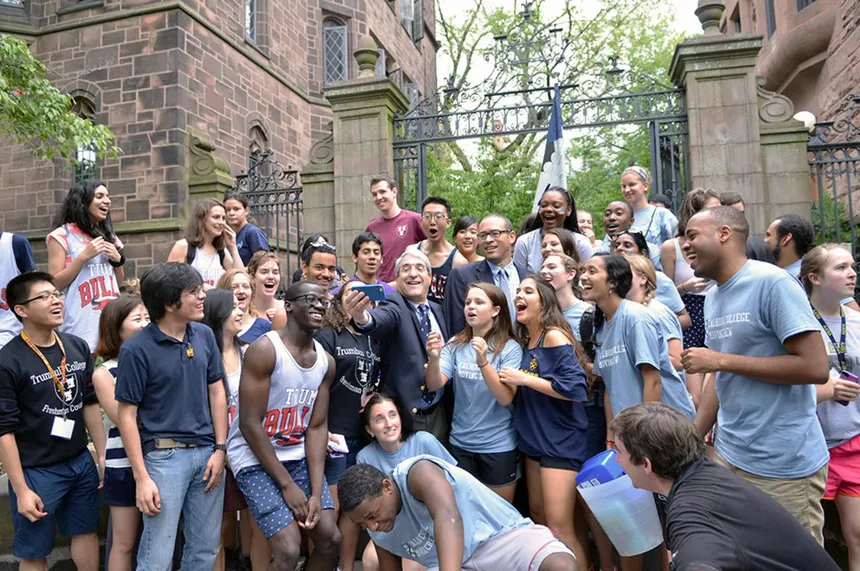
    Yale University
    Yale University

    GPA might open the door, but it won’t get you a seat at the table.

    Applying to a Top 20 college, like Harvard, Stanford, UPenn, MIT, Columbia, or Duke, means stepping into a fiercely competitive arena. Each year, more than 20,000 students apply to Ivy League schools alone with a GPA of 4.0 or higher. Most applicants have strong academics, high SAT or ACT scores, and packed resumes.

    So, how do you truly stand out in T20 college applications?

    It’s All About Real-World Impact

    Top colleges aren’t just looking for high-achieving students. They’re looking for future leaders and change-makers. They want intellectually curious students, take initiative and apply their skills outside of the classroom.

    To rise above the crowd, you need to show depth, authenticity, and real-world application of your interests. In other words, don’t just join clubs, build something meaningful.

    What Stands Out in a T20 College Application

    1. Passion Projects that Show Ownership

    Starting something on your own shows creativity, leadership, and drive. That might be launching a blog or podcast, building a mobile app, starting a nonprofit, or organizing a meaningful community campaign. The key is that it comes from you, your initiative, your energy.

    1. Research Experience that Reflects Academic Curiosity

    Many T20 colleges value students who go beyond the high school syllabus. You can reach out to professors, apply for research internships, or even conduct independent research. Some students publish their work in student journals or enter national research competitions. This tells colleges you’re ready for academic rigor.

    1. AI and Technology Projects that Solve Real Problems

    If you’re inclined toward technology, showing that you can build something using AI or coding is a powerful differentiator. Whether you create a chatbot to support mental health or analyze data to improve your local community, the focus should be on real-world use. Programs like BetterMind Labs give students hands-on guidance to explore tech and social impact together.

    1. Community Impact and Service that Has Depth

    Top colleges care deeply about empathy, initiative, and leadership. If you care about something in your local or online community and take action to improve it, it matters. That might look like organizing mental health sessions in schools, creating a tutoring network for under-resourced kids, or setting up donation drives. Be specific, and if possible, track the number of people helped or outcomes achieved.

    1. Recognition and Awards That Validate Your Work

    Recognition isn’t everything, but when a third party validates your effort, whether through competitions, media coverage, or grants, it can help admissions officers understand the scope and quality of your work. This might come through science fairs, hackathons, Olympiads, or even getting featured for an innovative project you’ve led.

    1. A Cohesive Personal Narrative

    It’s not just about checking off different boxes. The strongest college applications tell a story. What are you passionate about? How have you explored it? What are you hoping to do next? Colleges want to see who you are and how your actions connect to your values.

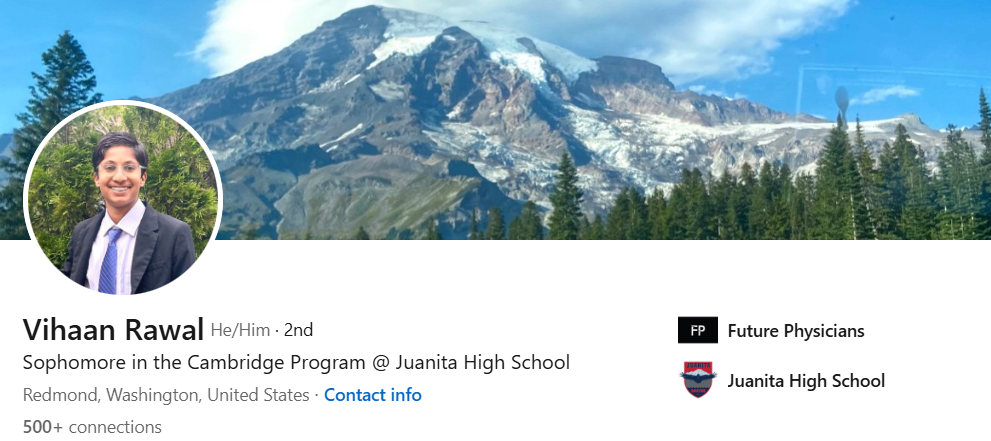
    Real Student Example: Meet Vihaan Rawal

    With a strong emphasis on real-world applications and ethical AI practices, the program equipped me with the skills to build scalable, impactful machine learning solutions!

    Vihaan Rawal, a 10th-grade student, participated in the BetterMind Labs program, a platform that helps high school students explore AI and mental health.

    Through the program, he developed Serenity AI, a digital wellness assistant powered by artificial intelligence that provides emotional support to people experiencing anxiety and distress. What made his work stand out wasn’t just the tech; it was the impact. Vihaan tested the tool with real users, consulted mental health professionals, and refined the experience based on feedback.

    This kind of initiative and follow-through caught the attention of researchers and admissions reviewers and Vihaan was accepted into a Harvard research program.

    Why Passion Projects Work So Well

    When students build something from scratch, whether it’s an app, a nonprofit, a research study, or a campaign, they demonstrate initiative, problem-solving, and purpose. These projects prove that a student is not just thinking about college, but about contributing to the world.

    Vihaan’s story is compelling because he saw a problem, built a solution, and brought it to life.

    What You Can Do Next

    Find what you’re passionate about.

    Start by asking yourself what truly interests you. Is it mental health, climate change, sports analytics, education, or something else?

    Take action.

    You don’t need to wait for permission or a perfect plan. Start a blog, begin a project, or join a program that supports student-led initiatives like BetterMind Labs.

    Document your progress.

    Keep a record of what you do. This could be a digital portfolio, a personal website, or even regular posts on LinkedIn. Admissions officers appreciate growth and self-reflection.

    Find mentors and feedback.

    Seek out teachers, professionals, or organizations that can help guide your journey. Their insights can help you take your ideas further and avoid common mistakes.

    Make it all connect.

    Your academics, extracurriculars, and personal interests should point in a similar direction. A clear, focused narrative helps colleges see who you are and why you matter.

    Final Thoughts

    Top colleges aren’t just admitting good students. They’re admitting people who take action, create opportunities, and lead with purpose.

    Your GPA might help you get noticed. But it’s your ideas, your passion, and your real-world impact that will help you stand out.

    It’s never too early to start building your story. Vihaan did, through BetterMind Labs’ AI program for high school students—where he turned curiosity into real projects and impact. And so can you.


    Relevant Links:

  • Beyond the Checklist: 10 Extracurriculars That Actually Impress Top Colleges

    Let’s be real. Applying to college, particularly to top universities such as Stanford, Harvard, or Columbia, can be daunting. With AP courses, SAT prep, and essay deadlines, it’s not difficult to see extracurriculars as merely another task.

    But here’s the truth: your life outside the classroom may be the strongest aspect of your application.

    They introduce you to colleges when you are outside of grades. They expose what piques your interest and what keeps you awake at night positively. Above all, they illustrate how you use your time when you are not taking orders.

    If you’re unsure what extracurriculars actually count and how you should select the right ones for you, let’s dig in.

    What Constitutes an Extracurricular Anyway?

    Essentially, it encompasses anything that is not part of your required academic curriculum. This includes:

    • Clubs and teams

    • Volunteering

    • Internships

    • Part-time jobs

    • Independent projects

    • Competitions

    • Creative work

    • Online courses or research

    • Even routine child care for a sibling

    If it takes time, effort, and demonstrates genuine interest, it’s counted.

    And yes, they do matter. A recent survey by NACAC revealed that more than 50% of colleges rate extracurriculars as moderately to significantly important in admissions.

    10 Extracurriculars for Top Colleges That Actually Matter

    Experienced admissions readers are seeking some things. Choosing the right extracurriculars for top colleges isn’t about doing everything—it’s about doing a few things well and with passion. It’s not about the quantity of activities, it’s about the consistency, creativity, and impact.

    1. Leadership That Feels Authentic

    It’s easy to join a club. But to lead one, found one, or produce an event demonstrates that you can build something out of nothing and get people mobilized.

    For instance, a student turned a school coding club into a middle school student mentorship program. That’s the impact.

    2. Part-Time Jobs

    Whatever it is that you’re scooping, registering, or stocking, a job demonstrates maturity and responsibility. It indicates to colleges that you can balance your time and fulfill actual-life commitments.

    Perk: You may also receive a very positive recommendation from your supervisor.

    3. Internships and Shadowing

    Gaining real-world experience in an area that interests you demonstrates you’re planning ahead. Even a few hours weekly at a neighborhood start-up or clinic can be valuable.

    Ananya, a student at BetterMind Labs, comes from a family of doctors (radiologists). While shadowing her aunt at a hospital, she got curious about how AI could support diagnoses.

    Through our program, she learned to work with basic machine learning tools and datasets. She built a mini project exploring tumor detection using open-source medical scans.

    4. Student-Led Passion Projects

    These are incredibly worth it. Why? Because they are student-led, demonstrating initiative and motivation.

    Examples are:

    • Creating a podcast on teen mental health

    • Developing a website for a community non-profit

    • Creating a language-learning app

    • Starting a YouTube series on astrophysics

    During the summer after 10th grade, a student watched in awe as the LA wildfires consumed neighborhoods just miles from his cousin’s home. Inspired to act, he joined a mentorship program and developed an AI algorithm to forecast wildfires from satellite imagery and past weather patterns. Not only did it give him real-world application, but it was also the story he shared in his Common App essay.

    Courses such as Google AI Essentials, Google AI for Anyone, and BetterMind Labs enable students to develop actual-world projects with or without any coding background. It bridges the gap between wanting to learn and doing.

    5. Non-Performative Community Engagement

    Volunteering to earn hours does not cut it. Colleges know that.

    Instead, emphasize local actions, long-term dedication, and tangible solutions.

    For instance, a student started a digital literacy class for elderly people in her community. She did not just appear; she built something meaningful.

    6. Sports and Athletics

    Whether you are playing at a Division 1 level or not, sports impart discipline, time management, and perseverance. You score extra points if you’ve been in a leadership position or coached junior athletes.

    7. Academic Competitions and Clubs

    If you’re interested in math, science, writing, or public speaking, lean into it.

    Whether it is the Science Olympiad, Model UN, or the National History Day contest, universities like to see intellectual passion outside of the classroom.

    8. Creative or Artistic Work

    Not everything needs to be about STEM. Activities in visual arts, film, music, dance, or fashion design show creativity and passion.

    If you’ve performed, published, or showcased your work, that’s even better.

    9. STEM Innovation and Tech Projects

    If you’ve made something — an app, a tool, a model — you’re already ahead.

    One teenager created an AI model to study stock market trends and posted his results on a live website. Another designed a stress predictor for IT professionals with machine learning, a project he worked on through a high school AI Program by BetterMind Labs.

    BetterMind Labs, for example, has enabled students to turn imaginative concepts into reality, from brain tumor detection algorithms to mental health software, all with the guidance of actual mentors.

    Want to get an idea? Take a look at some student projects here.

    10. Entrepreneurship

    Creating something from the ground up, even a micro-enterprise or community initiative, says a lot.

    It doesn’t have to make money. It just has to solve a genuine problem or unite people.

    For instance, a student held a thrift swap at her school to minimize waste. Another created a budgeting app for teenagers.

    So… What Should You Do?

    The reality is, the most significant extracurriculars won’t be checked off a list. They’ll be the result of your curiosity.

    Ask yourself:

    • What would I do even if nobody asked me to?

    • What problem irritates me enough that I want to solve it?

    • What subject would I research for hours?

    Then take a step towards making something about it.

    If you’re looking to explore new fields, whether it’s AI, data, tech, or something entirely different, but aren’t sure where to start, seek out programs that offer real guidance, mentorship, and structure. BetterMind Labs is one of the few that delivers all three, welcoming individuals from any background, with no prior experience required.

    Final Thoughts

    Colleges aren’t just admitting GPAs. They’re building communities. They need musicians, builders, organizers, thinkers, creators, and quiet doers. Your extracurriculars show who you really are.

    You don’t have to be “well-rounded.” You need to be rooted in your values, your curiosity, and your commitment.

    Pick a few things. Go deep. Build something. Assist someone. Learn more.

    That’s why we started BetterMind Labs—an AI program for high school students who want to create real projects, explore ideas that matter, and build skills that go beyond the classroom.

    Do not do this because a college expects it; do it because you want to. That’s what will set you apart.


    Relevant Links