Tag: AI for High Schoolers

  • AI for Global Hunger: How High Schoolers Can Help Solve Food Waste

    Every night, while millions scroll through food photos online, nearly 800 million people go to bed hungry. Imagine an entire continent sleeping on an empty stomach. And yet—we produce more than enough food for everyone on Earth. So why are so many still starving? The answer lies in a broken system. But there’s hope, and AI might just be the unlikely hero.

    • Around 733 million people, almost 1 in 11 globally were undernourished in 2023.

    • Despite producing enough food for 10 billion people, 1.5 times our current population, nearly 800 million still don’t get enough to eat.

    Why This Paradox?

    1. Mismanagement in the Supply Chain:

      Food often spoils during farming, storage, transport, and at retail due to a lack of tracking and demand forecasting.

    2. Huge Food Waste:

      Globally, 1.3 billion tonnes (around 30–40%) of food are wasted—nearly a third of all food produced, contributing trillions in losses and CO₂ emissions.

    3. Distribution Gaps & Access Issues:

      Political instability, poverty, and logistics mean food often fails to reach those who need it most.
    How AI for Global Hunger Is Making a Difference

    1. Shelf Engine & Afresh

    AI-driven ordering systems helped reduce grocery-store food waste by 14.8% in pilot programs—preventing ~900,000 tons of waste and saving $2 billion.

    2. Winnow Vision

    Kitchen AI cameras identify waste with more than 80% accuracy—outperforming human staff—and have helped dramatically cut waste in restaurants.

    3. Too Good To Go

    This app connects surplus food to consumers—200 million meals saved so far across 62 million users.

    These initiatives show real, measurable impact—comparing favorably to entire small-country populations.

    How High Schoolers Can Help
    AI isn’t just for big organizations. Students can contribute by tackling problems such as:

    1. Local Food Demand Prediction

      Use ML to forecast demand at food banks, reducing excess and shortages.

    2. Smart Redistribution Tools

      Build ML-driven apps to notify NGOs when surplus food is available nearby.

    3. Waste Recognition App

      Use computer vision to flag spoiled produce in school cafeterias or local stores.

    Student Impact Story

    A student from San Antonio, Texas, noticed excessive food waste at their local shelter. After our AI/ML program, they built a surplus-alert chatbot, which alerted volunteers via SMS when the shelter’s inventory exceeded thresholds.

    The result? 30% less food thrown away, helping feed hundreds more families. This proves how impactful AI for global hunger can be—especially when young minds are part of the solution.

    “I didn’t build this for college apps. I built it to help my neighbors.” — Our Alumni
    Colleges Are Watching Real Impact

    Top universities (T20) are moving beyond generic AI projects. They now look for work that solves real community issues. Hunger reduction models like these show purpose, empathy, and innovation.

    Learn & Build With Mentorship

    Free resources (Kaggle, YouTube, World Bank datasets) are great—but pairing them with one-on-one mentorship is transformative. At BetterMind Labs, students combine theory, coding, and guidance to build projects that matter—not just lines on a resume.

    How You Can Start Today

    1. Learn the basics: Python, Pandas, scikit‑learn.

    2. Find datasets: USDA food bank stats, WFP supply data.

    3. Start small: Build a demand forecasting model.

    4. Join a mentor-driven program—like BetterMind Labs—to bring your ideas to life.

    Conclusion: From Idea to Impact

    Kids, not corporations, can be at the forefront of solving world hunger—if equipped with AI, passion, and mentorship. Build something that matters. Let AI be the tool that turns your compassion into change.
    Apply to the AI/ML Certification Program at BetterMind Labs and start feeding real impact with real solutions.

    Together, we can end hunger—one line of code at a time.


    Relevant Links

  • How AI and High Schoolers Can Help Solve Water Scarcity

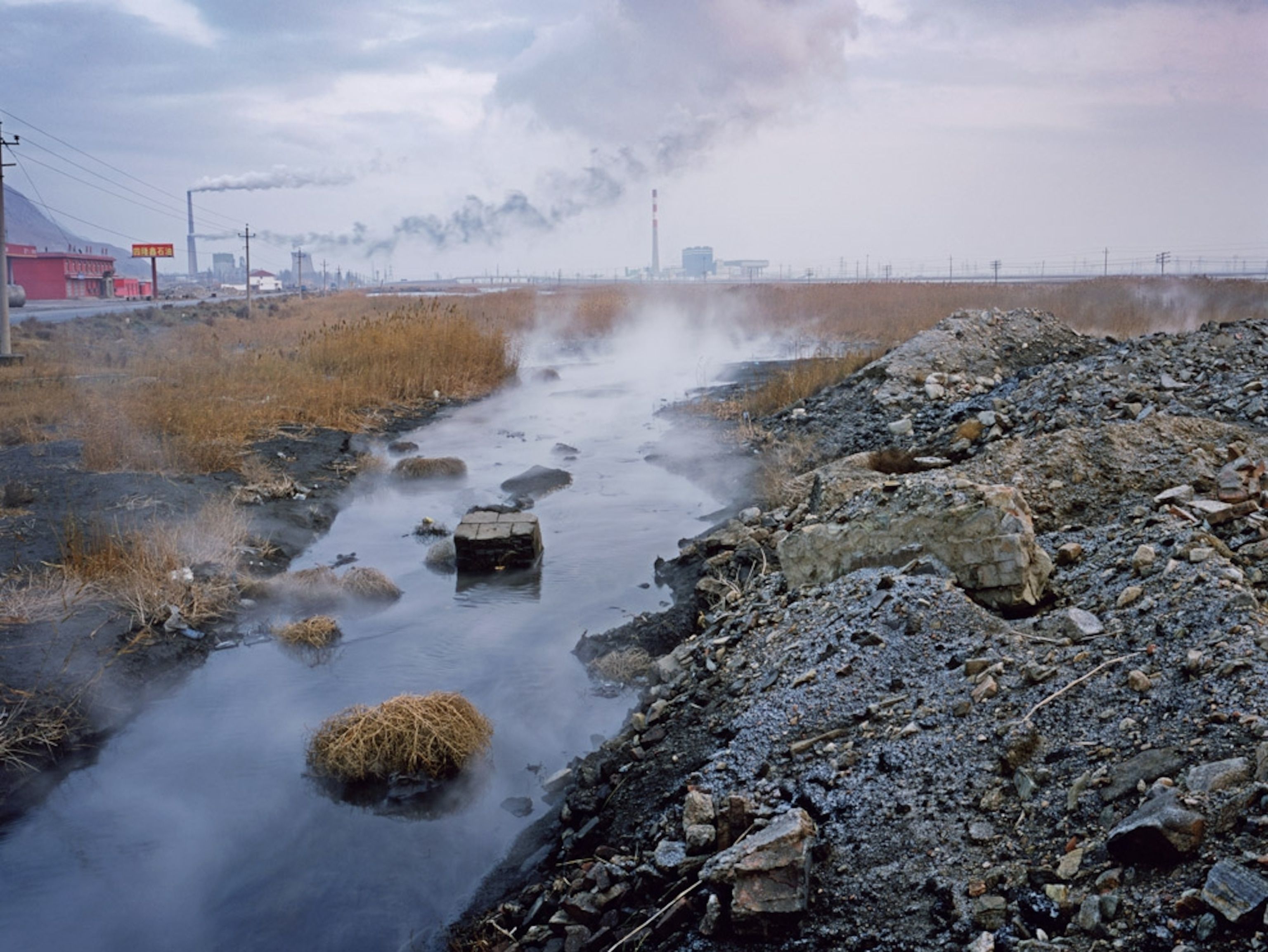
    Why Water Is Scarce, Even on a Planet Full of It

    Every year, unsafe water claims 1.5 million lives — enough to wipe out a city the size of San Francisco.

    It’s easy to forget this when we live on a planet that looks like a giant blue marble from space. But nearly all of that water is out of reach. Only about 3% is freshwater, and most of it is frozen in ice caps or trapped deep underground. The amount we can actually use? Just a drop — roughly 0.014% of all the water on Earth.

    This stark reality underlines the urgent need for reliable filtration, distribution, and conservation solutions.

    Who’s Tackling This & How AI Is Being Used to Solve Water Scarcity

    AI and ML are now core to large-scale water efforts. Here’s a look at three leading projects:

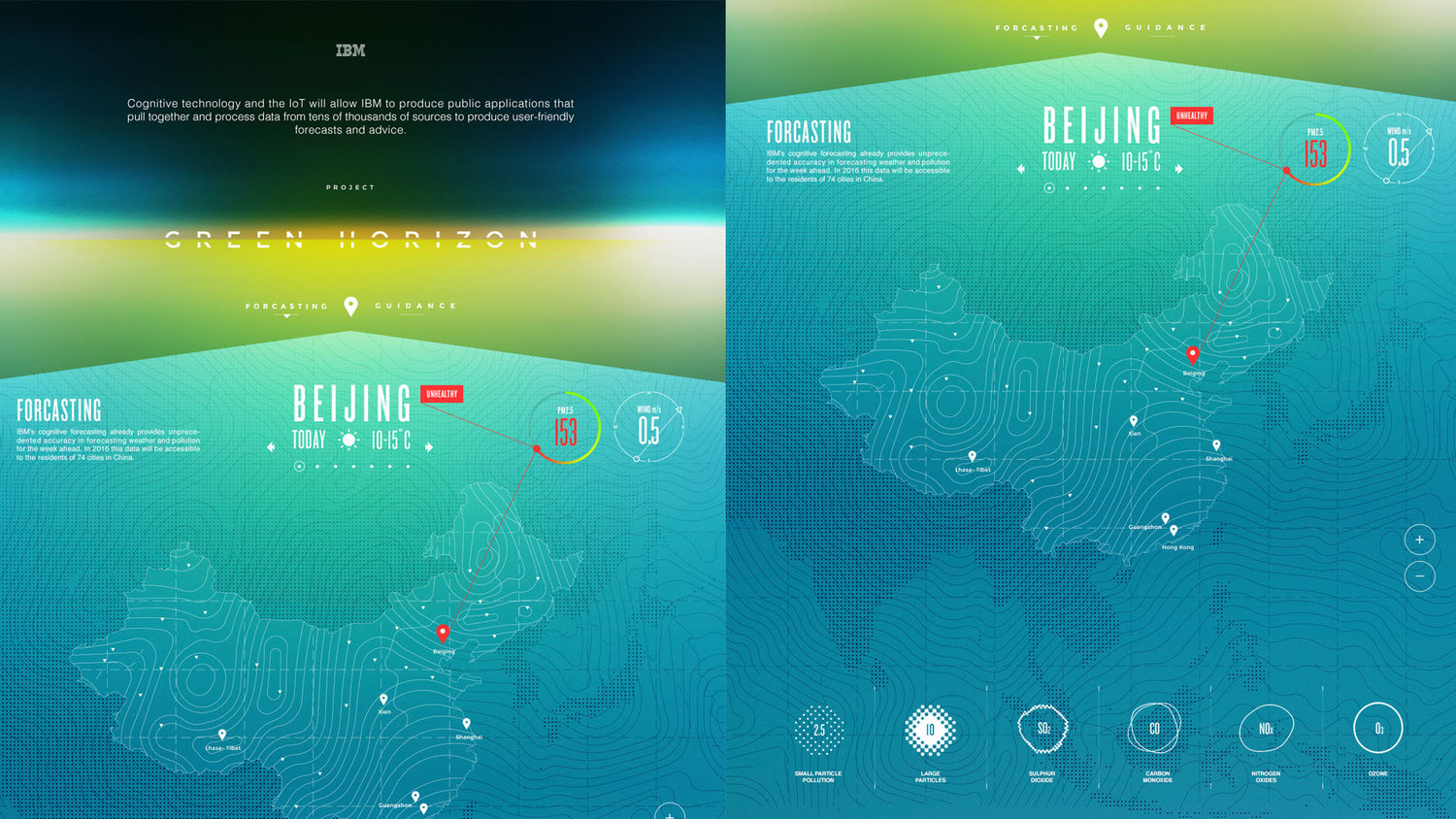
    1. IBM’s Green Horizons for Water

    • Uses IoT sensors + AI to monitor surface or groundwater quality in real-time.

    • ML models detect early signs of pollutants—enabling preventive measures in rivers and lakes.

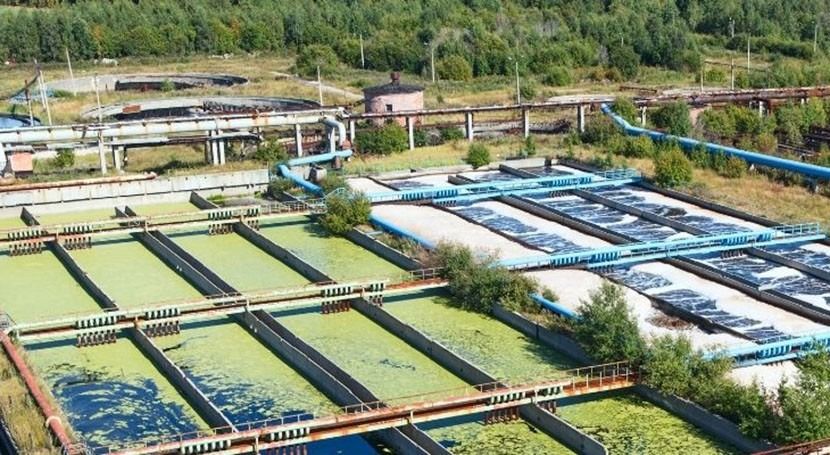
    2. Xylem’s Smart Water Infrastructure

    • ML predicts urban water demand, detects leaks in pipeline sensors, and optimizes treatment plant operations.

    • Some cities report up to a 30% decrease in water loss thanks to predictive analytics.

    3. Google DeepMind + Thames Water

    • Deep learning models forecast when and where pipe failures may occur.

    • Result: fewer water outages and more efficient maintenance schedules.

    Together, these initiatives reflect why billions in funding are being directed to AI-powered water systems.

    What High Schoolers Can Actually Build

    You don’t need a thesis or lab—just curiosity and AI skills. Here are three bite-sized project ideas that can still change lives:

    1. Predict Rural Demand

      • Use weather and usage data to forecast water needs, enabling efficient tanker scheduling.

    2. Contamination Alert Bot

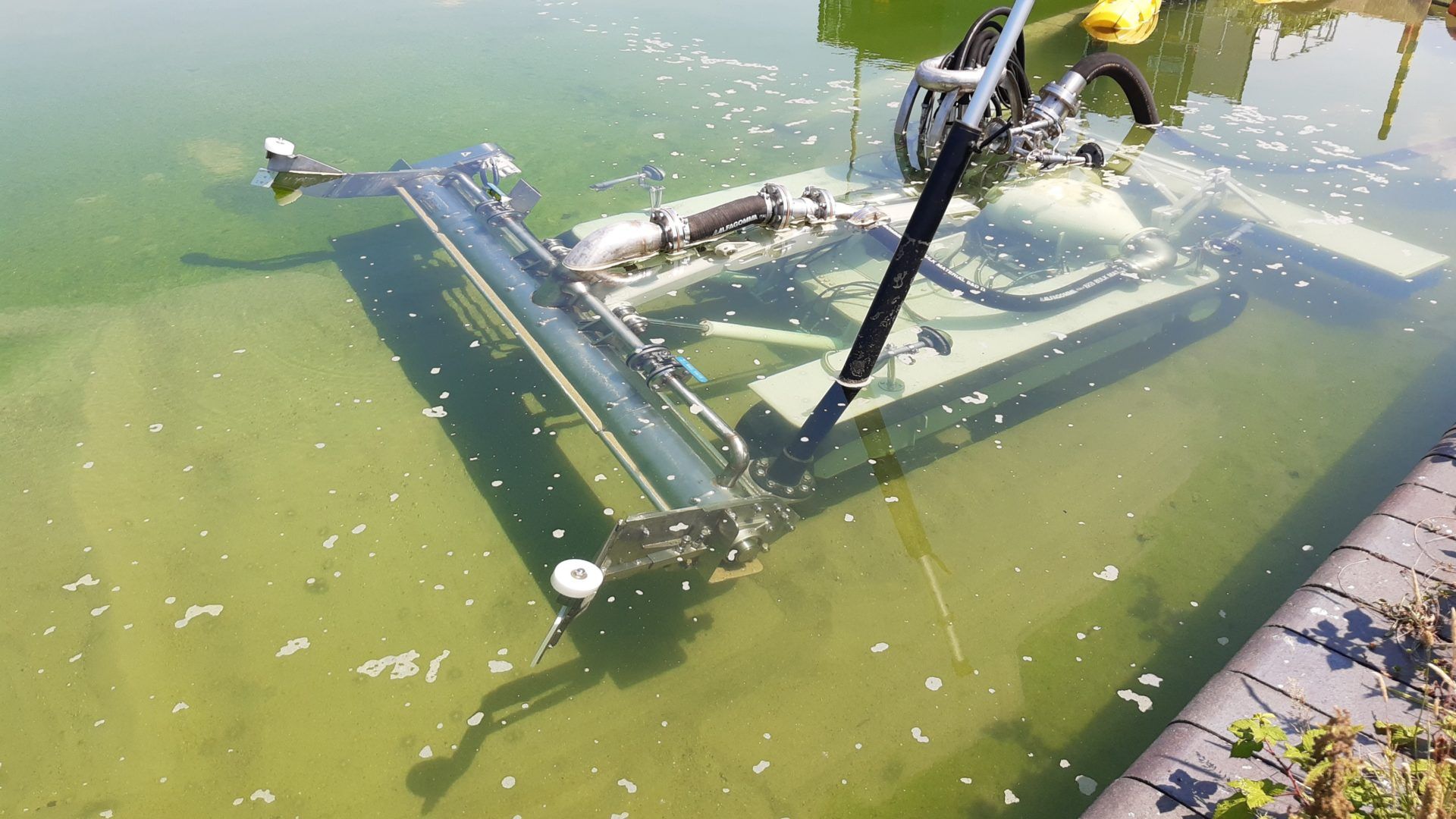
      • Train a classifier on open chemical/water quality data to detect unsafe water conditions.

    3. Smart Leak Detector

      • Pair pressure sensors with ML to identify pipe breaches at a household level.

    A Student’s Success Story

    A student from Central Valley, California—a region facing recurring drought—identified that many families weren’t aware when local water became unsafe. During an AI program at BetterMind Labs, they built a turbidity-based water quality predictor, combining low-cost sensors with ML. That’s how AI was used to solve water scarcity.

    “Now I get texts from neighbors when water quality drops.”

    It was small, but meaningfully protected their community.

    Why Colleges Want This

    Top-tier universities, especially T20s, look for students who solve real-world problems. Original projects—like building an “AI-powered leak detector” versus another “Iris classifier”—resonate with admissions officers and funders.

    Learn the Tools—Mentored

    There are countless free resources (YouTube, Kaggle, NASA datasets), but what accelerates growth is structured mentorship. That’s why at BetterMind Labs, every student has a mentor to guide theory, coding, and implementation into real-world projects.

    Conclusion: Your Ideas, Global Impact

    Water scarcity is one of the biggest challenges of our time—but the solutions don’t require big budgets. With AI skills, creativity, and a mentor, high school students can create projects that help real people and make history.

    If you’re ready to turn ideas into impact, consider applying to BetterMind Labs.

    Let’s turn every drop into a lifeline.


    Relevant Links

  • How High School Students Are Using AI to Make Space Research NASA-Worthy Discoveries

    How High Schoolers Are Using AI in Space Research

    “I used to think space was out of reach, but now I’m training AI models to discover things I never imagined,” 

    said one of our students with a grin. Like them, millions of students today are realizing they can use artificial intelligence to make a real impact in the space industry — from analyzing telescope data to identifying patterns no human eye could detect.

    A prime example is Matteo (Matthew) Paz. Using AI-powered data analysis during his research at Caltech, he uncovered 1.5 million previously unknown objects in space. This breakthrough not only expanded the potential of a NASA mission but also earned him a single-author, peer-reviewed scientific paper, a rare achievement for someone his age.

    Astronomer and IPAC senior scientist Davy Kirkpatrick, who has spent the last five summers mentoring high school students alongside undergraduates, citizen scientists, and graduate fellows, guided Paz through this journey.

    “Meeting Davy was a game-changer,” 

    Paz said. “He gave me the freedom to experiment with AI tools and follow my curiosity without limits. That’s how I grew as both a coder and a scientist.”

    When students are supported by mentors who encourage exploration, whether in coding, AI, or astronomy, they stop setting limits for themselves. The line between what’s possible and what’s not begins to blur, and groundbreaking research like this becomes reality.

    Projects Born From Passion

    Inspired by stories like this, we’ve been mentoring our own students the same way—with openness and encouragement. Some of our favorite space + AI projects include:

    • Asteroid Classification Tool using NASA datasets and clustering algorithms

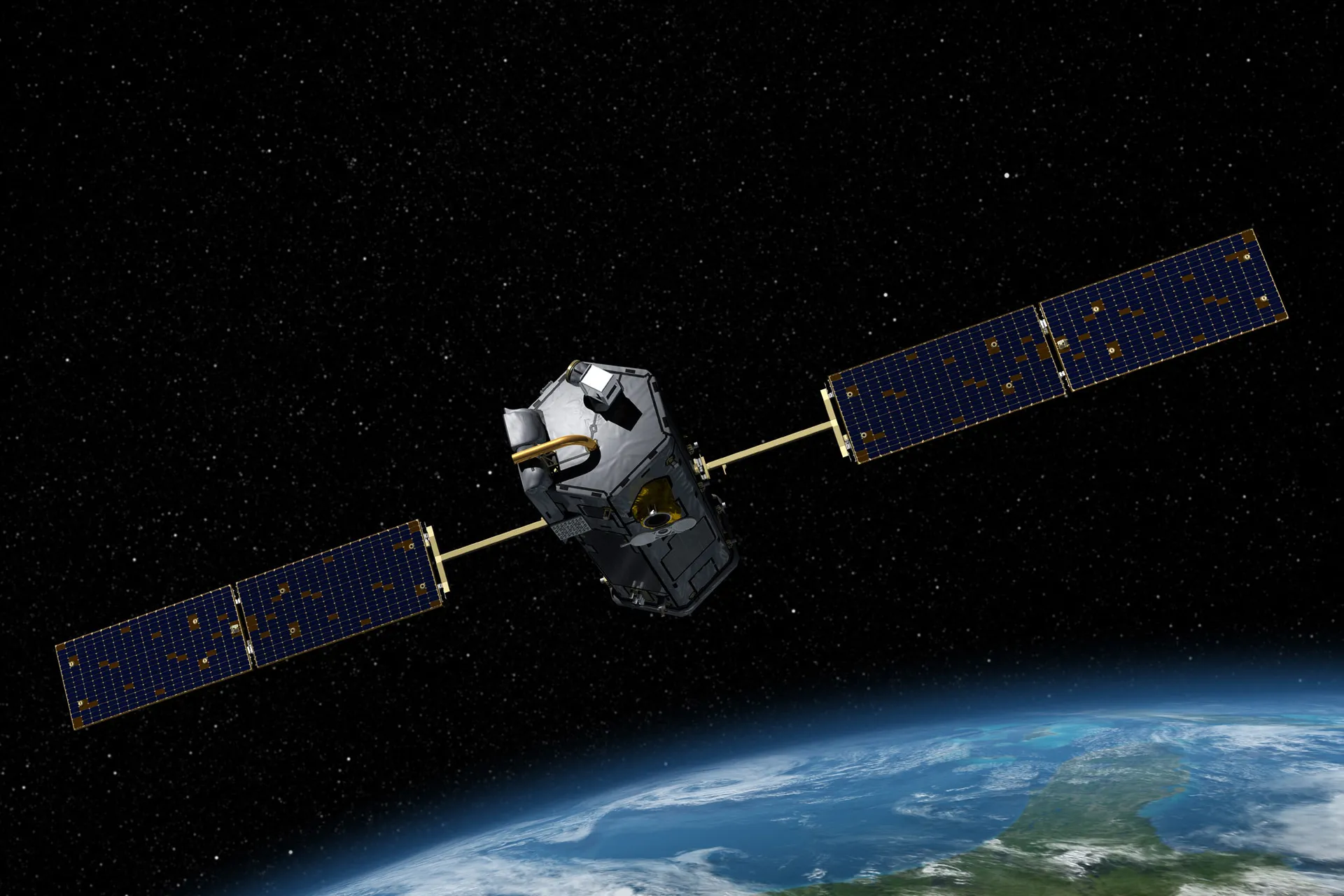
    • Satellite Health Prediction using LSTM models

    • A Space Image Enhancer that sharpens low-resolution telescope imagery using GANs

    How AI is Revolutionizing Space Research

    AI has become the rocket fuel behind major space research. Leading agencies like NASA and ESA are using it extensively:

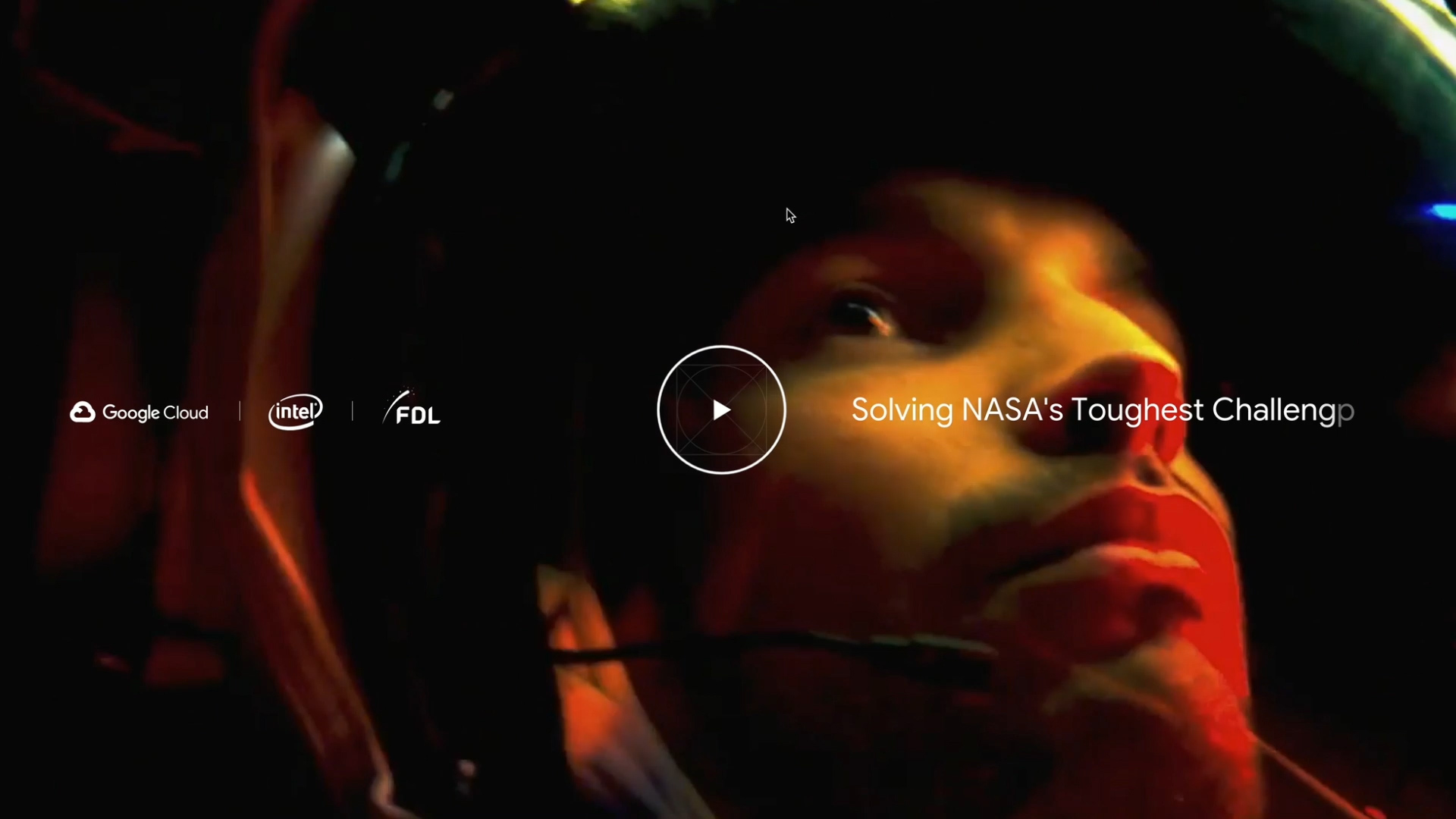
    1. NASA’s Frontier Development Lab

    They use AI for:

    • Lunar terrain analysis

    • Planetary defense simulations

    • Deep learning-based asteroid tracking

    They’ve partnered with tech giants like Intel and Google to explore ways AI can predict hazardous asteroid impacts, optimize rover paths, and even simulate space environments.

    2. European Space Agency (ESA)

    ESA uses AI to:

    • Analyze satellite imagery for climate monitoring

    • Detect exoplanets through light curve classification

    • Enhance telescope data resolution with AI-based super-resolution models

    The technical stack includes CNNs, autoencoders, and edge AI models running on low-power satellites.

    Can High Schoolers Join This Mission?

    Absolutely. Just like Paz, anyone with drive and curiosity can start small and grow into a space innovator.

    Here’s a Roadmap to Get Started:

    1. Learn AI Basics – Start with Python, scikit-learn, and basic data science concepts.

    2. Understand Astronomy Fundamentals – Explore Khan Academy, NASA’s Open Learning platforms.

    3. Try Open Datasets – Use datasets from NASA, Kaggle, and ESA.

    4. Build Mini Projects – Start with notebooks before moving to full apps.

    5. Join a Mentor Program – This is where transformation happens.

    Project Ideas for High School Students:

    1. Galaxy Image Classifier – Use CNNs to sort galaxy shapes.

    2. Satellite Trajectory Predictor – Predict ISS location using time series.

    3. Solar Flare Alert System – Classify solar flare images from SOHO.

    4. Star Brightness Estimator – Use regression to analyze variable stars.

    5. Asteroid Risk Index Calculator – Rank known asteroids by size, speed, and orbit proximity.

    Why Mentorship Changes Everything

    Building these projects alone can be challenging. At BetterMind Labs, you’ll join a small group of up to three students, each guided by an experienced mentor. This way, you get personalized support while working alongside peers. Whether you’re decoding starlight or tracking asteroids, we’ll guide you every step of the way.

    In Conclusion: The Sky Isn’t the Limit

    High school students today don’t need to wait. With the right support, tools, and mindset, they can create space solutions that once seemed like science fiction. We’ve seen students make NASA-worthy projects with just a few weeks of mentorship.

    If you’re dreaming big, the time to start is now.

    Join our July AI/ML Internship at BetterMind Labs and bring your own space project to life.

    Your journey to the stars starts now.


    Relevant Links

    AI Use Cases at NASA – 2024 Report

    https://www.nasa.gov/organizations/ocio/dt/ai/2024-ai-use-cases/

    The Power of AI in Space Exploration – ESA Blog

    https://blogs.esa.int/exploration/the-power-of-ai-in-space-exploration/

    Exploring Space with AI – Caltech

    https://www.caltech.edu/about/news/exploring-space-with-ai

    Machine Learning Research in Astronomy – Harvard-Smithsonian Center for Astrophysics

    https://pweb.cfa.harvard.edu/research/topic/machine-learning

    NASA Open Data Portal

    https://data.nasa.gov/

    High School Space Exploration Projects – Science Buddies

    https://www.sciencebuddies.org/science-fair-projects/science-projects/space-exploration/high-school