Introduction: Why AI + Finance Is the Future?
Imagine you’re sitting in a college admissions interview, and the officer asks about your passion project. Instead of listing generic clubs or “volunteer hours,” you confidently explain how you built an AI model that predicts stock price movements or a fraud detection system that saves people from scams.
That’s the kind of project that makes schools lean in.
As a high school counselor, I’ve seen students who blend artificial intelligence (AI) with finance not only stand out in applications but also gain a head start in one of the most lucrative and fast-evolving industries. Finance is no longer about calculators and spreadsheets; it’s about algorithms, data-driven insights, and real-time decision-making. And AI is the engine powering it all.
In this blog, I’ll walk you through the top 5 AI and finance projects for high school students, which are:
-
Feasible to start at home with free tools and datasets.
-
Highly relevant to daily life and the finance sector.
-
Impressive for college applications and resumes.
I’ll also share real student case studies, including one who created a CFO Assistant AI now being looked at by real companies.
Table of Contents
-
Section 1: Stock Price Prediction Using Machine Learning
-
Section 2: Credit Card Fraud Detection System
-
Section 3: Sentiment Analysis for Stock Market Prediction
-
Section 4: AI-Powered Credit Scoring Model
-
Section 5: Robo-Advisor Portfolio Optimization
-
Section 6: Case Study: Ronny Vinoth Jefferson’s CFO Assistant
-
Section 7: FAQs
-
Section 8: Conclusion
1. Stock Price Prediction Using Machine Learning

What It Is
This project involves using machine learning models to predict stock prices based on historical data. By analyzing trends, patterns, and market sentiment, students can attempt to forecast short-term or long-term movements.
Skills You’ll Build
-
Python coding with libraries like TensorFlow, Keras, or Scikit-learn.
-
Data preprocessing and visualization.
-
Time-series analysis (ARIMA, LSTM).
Real-World Application
Predicting the stock market is at the heart of algorithmic trading, an industry where AI makes split-second buy/sell decisions. While your project won’t beat Wall Street, it’s a fantastic introduction to applied AI in finance.
Explore this detailed tutorial on Stock Price Prediction Using Machine Learning.
2. Credit Card Fraud Detection System

What It Is
With billions of digital transactions daily, fraud detection is one of the most important areas in finance. In this project, you’ll train an AI model to classify whether a transaction is fraudulent or genuine.
Skills You’ll Build
-
Classification models (Random Forest, XGBoost, Neural Networks).
-
Handling imbalanced datasets (fraud cases are rare, making training tricky).
-
Real-world model evaluation with precision/recall and ROC curves.
Real-World Application
Financial institutions spend billions on preventing fraud. Building your own system shows you understand cybersecurity, ethics, and risk management in finance.
You can find similar projects like the Credit Card Fraud Detection System.
3. Sentiment Analysis for Stock Market Prediction
What It Is
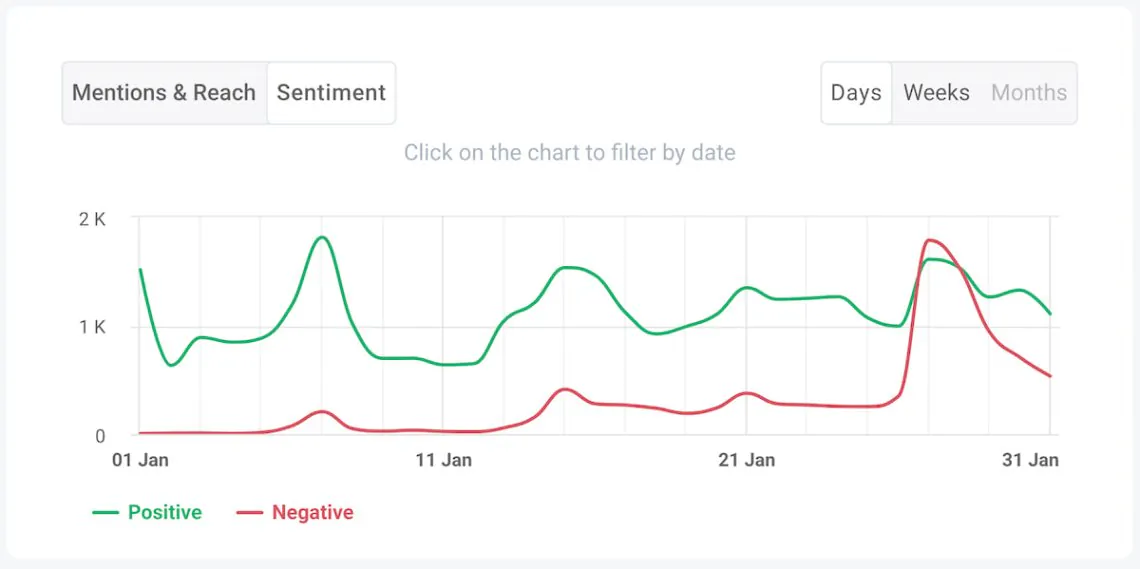
Instead of just analyzing numbers, this project looks at human emotion. By scraping news headlines, tweets, or Reddit discussions, you’ll train a model to predict how public sentiment affects stock performance.
Skills You’ll Build
-
Natural Language Processing (NLP) with tools like NLTK or Hugging Face.
-
Text preprocessing (tokenization, stemming, removing stop words).
-
Building predictive models with sentiment scores.
Real-World Application
Hedge funds already use sentiment analysis to trade. For instance, viral events like the GameStop stock surge were fueled by online communities. Your project connects AI with social psychology and finance.
Some of the students who have created similar projects like Sentiment Analysis for Stock Market Prediction
4. AI-Powered Credit Scoring Model
What It Is
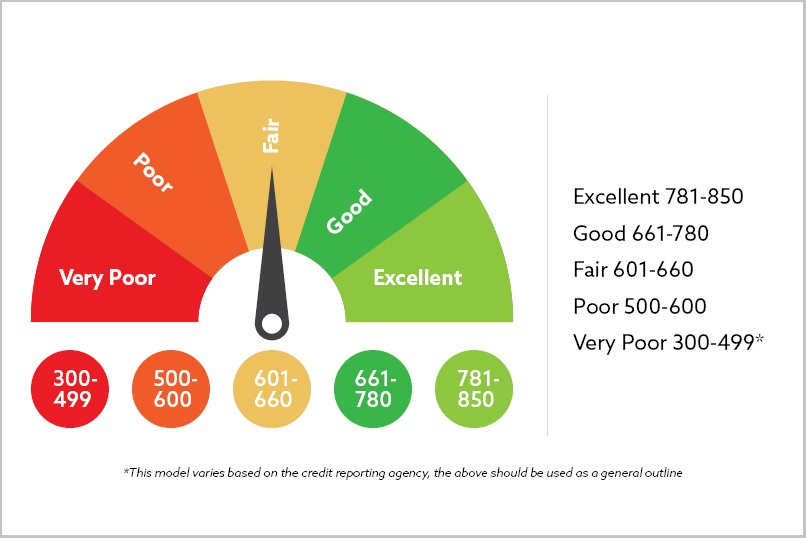
Traditional credit scores (like FICO) can be limiting. This project builds an AI model that looks at alternative data (e.g., spending patterns, mobile payments, online behavior) to assess creditworthiness.
Skills You’ll Build
-
Data collection from open financial datasets.
-
Logistic regression and advanced neural networks.
-
Ethical considerations around bias in AI models.
Real-World Application
Companies are actively exploring AI-based credit scoring to make lending more fair and inclusive. Your model could show how to improve financial access for underserved populations.
What skills are required to create a financial inclusion projects?
5. Robo-Advisor Portfolio Optimization
What It Is
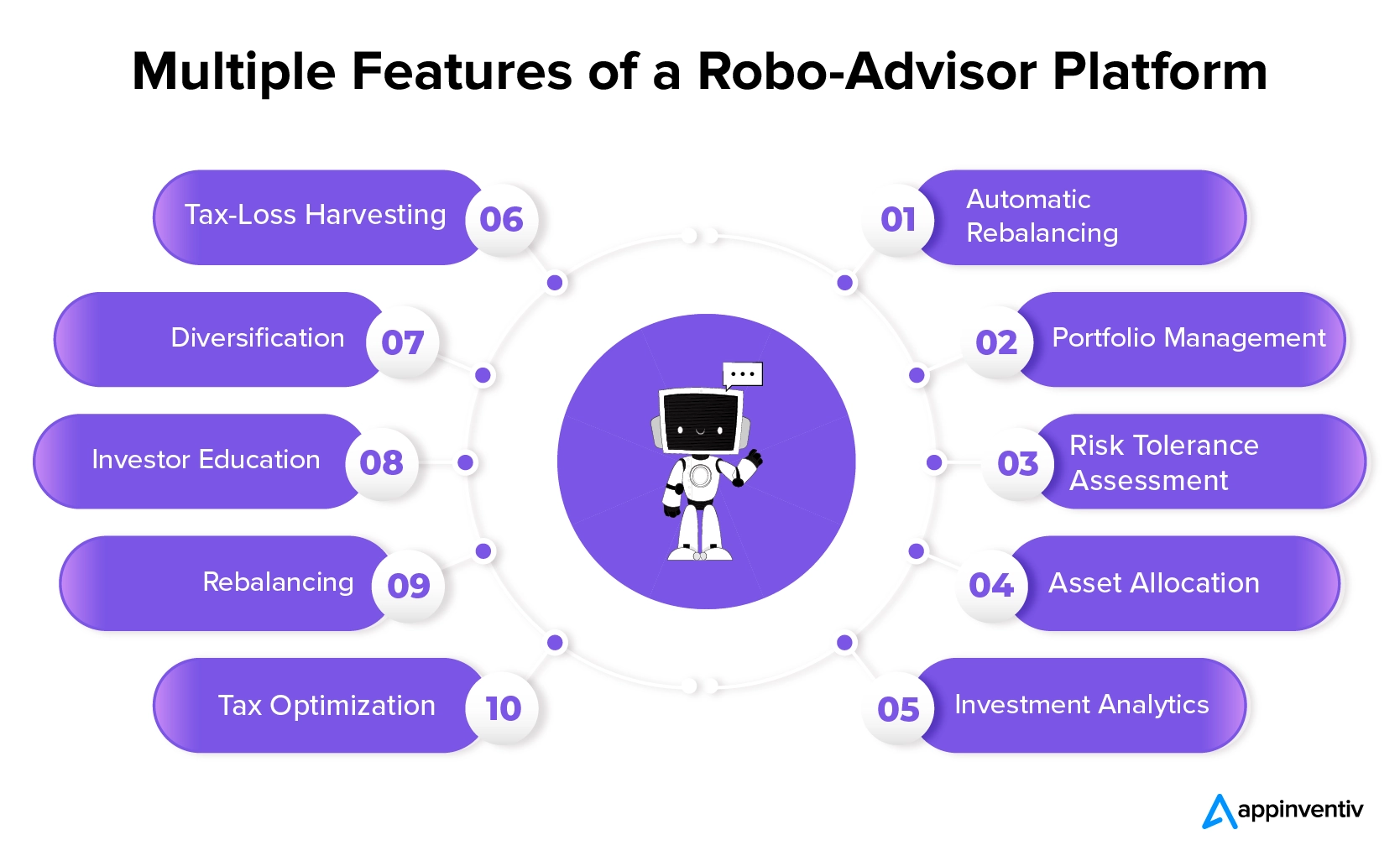
A robo-advisor is an AI system that provides personalized investment advice. Your project can simulate one by taking a dataset of stock returns and using algorithms to recommend the best portfolio mix based on risk tolerance.
Skills You’ll Build
-
Portfolio theory (Modern Portfolio Theory, Sharpe Ratio).
-
Optimization algorithms (Genetic Algorithms, Reinforcement Learning).
-
Interactive dashboards with Python (Streamlit, Dash).
Real-World Application
Robo-advisors like Wealthfront and Betterment already manage billions. Your version won’t handle client money, but it will teach you how AI shapes personal finance.
Quick Comparison Table
|
Project |
Core AI Technique |
Finance Application |
Real-Life Value |
|
Stock Price Prediction |
Machine Learning (LSTM, ARIMA) |
Market Forecasting |
Intro to algorithmic trading |
|
Fraud Detection System |
Classification Models |
Cybersecurity & Banking |
Prevents digital scams |
|
Sentiment Analysis |
NLP (Text Mining) |
Market Psychology |
Tracks social-driven stock surges |
|
Credit Scoring |
Logistic Regression, Neural Nets |
Lending & Credit |
Promotes financial inclusion |
|
Robo-Advisor |
Optimization & Reinforcement Learning |
Investment Planning |
Shapes the future of wealth management |
Case Study: Ronny Vinoth Jefferson’s CFO Assistant
Managing a company’s finances requires precision, insight, and speed. Ronny developed the CFO Assistant, an AI-powered financial advisor designed to simulate the expertise of a seasoned CFO.
What It Does
-
Analyzes financial data to identify risks and opportunities.
-
Provides strategic recommendations for budgeting, forecasting, and investments.
-
Streamlines executive decision-making with fast, accurate insights.
From startups to enterprises, Ronny’s CFO Assistant is a glimpse into the future of financial leadership.
Why BetterMind Labs Matters
If you’re excited about building projects like these but don’t know where to start, that’s where BetterMind Labs comes in.
-
They provide small-group mentorship from AI/ML professionals.
-
You’ll work on real-world projects (cybersecurity, healthcare, finance).
-
You’ll walk away with industry-recognized certification and portfolio-ready projects.
It’s not just about learning the theory; it’s about building projects that matter.
FAQs
Do students need access to expensive institutional financial data to build these?
No, completely free data sources are widely available. Platforms like Kaggle host massive, anonymous datasets for credit card transactions and fraud patterns. Additionally, free APIs like Yahoo Finance (yfinance) allow students to pull real-time and historical market data directly into their code using just a few lines of Python.
What coding skills are required to execute these projects?
Intermediate Python proficiency along with standard data science libraries. Students will primarily use Pandas for organizing financial spreadsheets, Matplotlib or Seaborn for data visualization, and Scikit-Learn for training foundational machine learning models like Random Forests or Logistic Regression.
Can an AI finance project still look good if a student wants to major in economics instead of computer science?
Absolutely—it demonstrates modern quantitative skills. The finance and economics sectors are heavily driven by data science. Showing that you can use programming languages to analyze economic indicators or market trends proves you possess advanced analytical skills that go far beyond standard high school economics coursework.
How should a student present a FinTech project on their college application?
Focus on the development process, trade-offs, and errors rather than just the final output. Don’t just say “I built an app.” Document your work on GitHub, show your iteration history, and explain how you handled challenges like model inaccuracies or messy data. Admissions officers care about how you solve problems under uncertainty.
Conclusion: Standing Out With AI and Finance Projects
AI and finance are two of the most powerful forces shaping our world. By tackling projects like stock prediction, fraud detection, or robo-advisors, you’re not just doing “school projects”—you’re solving real-world problems that banks, hedge funds, and tech companies face every day.
And here’s the best part: you don’t need to wait until college. With free datasets, open-source tools, and mentorship from platforms like BetterMind Labs, you can start today.
Your future in AI and finance might begin with a single experiment, but it could end up shaping your career, your college application, and even the world of money itself.
Leave a Reply