Category: Uncategorized

  • Why AI Projects Are a Must-Have for High School Students Eyeing Top Colleges

    In a world where college applications are overflowing with high GPAs and perfect SAT scores, how do you stand out? One word: impact.

    And today, one of the clearest signs of impact is a well-thought-out, real-world AI project. That’s why AI projects for high school students are more than a trend—they’re a strategic move for future leaders, innovators, and college-bound dreamers.

    Why AI Projects for High School Students Matter More Than Ever

    AI is reshaping every industry—from finance to healthcare, education to space exploration. Students who show they can not only learn about AI but actually use it to solve real problems demonstrate something much deeper than knowledge. They show initiative, curiosity, and a desire to make an impact. These are the exact qualities that top colleges like MIT, Stanford, and the Ivies are desperate to find.

    In fact, a 2024 study by the National Association for College Admission Counseling (NACAC) found that students with hands-on, impact-based projects were 3.4x more likely to be accepted into T20 colleges compared to students with only coursework or generic extracurriculars.

    AI Projects That Started With a Problem

    At BetterMind Labs, our high school students don’t just follow tutorials. They build projects that solve personal and community challenges—earning them portfolio pieces that college admission officers actually remember.

    Crypto Sentiment Tracker — Built by “Samir,” a curious teen from New Jersey

    Samir was tired of watching his family make crypto decisions based on Twitter hype. So, with the help of his mentor, he built a Crypto Sentiment Tracker. It scrapes data from Twitter, Reddit, and news APIs, processes them through sentiment analysis using NLP, and delivers real-time sentiment trends for major coins. The tool helped his parents avoid an emotionally driven loss during a market dip. Samir’s project now has over 500 users.

    Brain Age Predictor — Created by “Ava,” whose grandfather’s condition changed everything

    Ava had always been close to her grandfather. When he was diagnosed with early-onset Alzheimer’s, she wanted to do more than just watch. Inspired by this, she built a Brain Age Predictor using a Kaggle dataset and TensorFlow models. It assesses cognitive performance based on simple tasks and predicts if a person’s brain is aging faster than average. Her model is still used by a small health nonprofit in her town.

    Disaster Relief Optimizer — Engineered by “Jay,” after floods wrecked his neighborhood in Louisiana

    Jay’s hometown was hit by a category 4 storm, and supplies were stuck miles away due to poor logistics. That frustration became motivation. He used reinforcement learning to build a simulation-based Disaster Relief Optimizer that suggests optimal resource distribution across flood-affected regions. Jay’s prototype was presented at a local disaster management summit.

    What Makes a Great AI Project for High School Students?

    1. Personal Relevance: Start with something that matters to you.

    2. Real-World Impact: Think beyond the screen. Will this help someone?

    3. Scalability: Can others benefit from it?

    4. Technical Creativity: Are you using AI in a novel way?

    That’s what turns a school project into a college admission highlight.

    Tip: Use the 3W Framework

    • What frustrates you?

    • Why does it matter?

    • Who could benefit from a solution?

    This approach ensures you’re not picking a project because it “sounds cool,” but because it solves a real problem.

    How BetterMind Labs Helps Students Build AI Projects That Matter

    At BetterMind Labs, we:

    • Run programs for high school students

    • Help them identify problems they care about

    • Teach them Python, AI, ML, NLP, and data science fundamentals

    • Pair them with industry mentors

    • Guide them through building a portfolio-worthy project

    These aren’t “classroom” projects. They’re real tools, solving real problems, often used by real people.

    AI Portfolio = College Admissions Gold

    Colleges want:

    • Proof of problem-solving skills

    • Passion for innovation

    • Ability to work with real-world data

    • Projects with human impact

    And that’s exactly what our students build.
    3 Unexpected AI Projects That Made a Big Impact

    • AI-Powered Urban Tree Counter – Used computer vision to count and classify trees from drone footage for an urban forestation campaign.

    • Fake News Identifier – Used BERT transformers to detect misinformation in regional news outlets.

    • AI Language Buddy – Helped younger ESL students learn English using personalized prompts and feedback.

    None of these projects were just academic—they changed lives, starting with the students who made them.

    Open-Source Resources to Get Started

    Want to try building something solo first? Here are some great resources:

    1. Fast.ai — Practical deep learning for coders.

    2. Kaggle — Datasets, notebooks, and competitions.

    3. Google AI for Youth — Beginner-friendly materials and guides.

    These are free and beginner-friendly, though it helps to have some guidance—especially when you’re looking to scale your project.

    Conclusion: It’s Not Just a Project—It’s Your Story

    In the race to college, the winners won’t just be those with perfect scores. They’ll be the ones who dared to build, solve, and innovate.

    Your AI project could be the thing that sets your application apart.
    At BetterMind Labs, we help you:

    • Discover problems worth solving

    • Learn real-world AI skills

    • Build portfolio projects that matter

    • Impress admission officers and interviewers

    Apply now for BetterMind Labs’ High School AI Internship.

    Spots are limited. Impact is not.


    Relevant Links

  • Why High School Passion Projects Are Your Ticket to a Top College

    If you’re waiting for college to start building something meaningful, you’re already late.

    Most high school students are taught to follow the same formula: get good grades, take tough classes, join a few clubs, maybe win some awards, and hope it’s enough to get into a top college.

    But the students who are actually standing out, those getting into MIT, Stanford, Princeton, and even winning scholarships at public Ivies, are doing something different.

    They’re not just preparing for the future. They’re creating it.

    They’re building projects, launching initiatives, and exploring ideas now, in high school. And colleges are noticing.

    Here’s why high school is not just the right time but the best time to start building something that actually matters.

    Colleges Value Action More Than Perfection

    Let’s look at the numbers.

    In 2023, Stanford received over 56,000 applications and accepted just 2,219 students. That’s an acceptance rate of under 4 percent. At MIT, the rate was about 4.7 percent. For Harvard, it was closer to 3.4 percent.

    And yet, year after year, we hear about students who don’t have perfect GPAs or 1580 SATs but still get in.

    Why?

    Because they show initiative. Because they’ve built something real and meaningful.

    Top colleges are no longer just looking for students who follow instructions. They’re looking for students who take initiative and solve problems.

    A high schooler who uses their free time to build an app that helps seniors manage prescriptions or a website that connects local food banks with volunteers is far more interesting than one who checks all the “right” boxes but creates nothing original.

    You Have Time and Freedom Now

    It might not feel like it, but high school is one of the last stages in life where you have the time, space, and safety to take risks.

    College comes with deadlines, major declarations, job applications, and internships. Adult life adds rent, bills, and far less flexibility. But right now, in high school, your evenings, weekends, and summers can be your most valuable asset.

    You can spend a summer learning Python and apply it to a health-tech project. You can volunteer in your community and turn your experience into a social impact initiative. You can start small and iterate without the pressure of earning income or academic credit.

    You Don’t Need to Be a Prodigy to Start

    Too many students think passion projects are only for geniuses.

    The truth is, you don’t need to invent the next Tesla. You need to find a problem you care about and try to solve it.

    Take the example of Benjy Firester, a high school student from New York who created a model to predict potato blight using weather data. His work ended up helping farmers in the US and abroad. He didn’t have a PhD. He had curiosity, access to public data, and time.

    And that was enough.

    Even small projects, a mobile app, a blog, a YouTube series breaking down tough biology topics, can gain serious traction when done with authenticity and consistency.

    In fact, according to a 2022 NACAC (National Association for College Admission Counseling) survey, over 70 percent of admissions officers said they value “authentic student-led work” as much or more than traditional extracurriculars.

    Why High School Passion Projects Beat Perfect Grades

    Grades show that you can perform. Projects show that you care.

    Colleges are increasingly prioritizing high school passion projects over traditional extracurriculars. When a student builds a passion project, it reflects their interests, personality, and initiative. It becomes a story worth telling in college essays, in interviews, and in recommendation letters.

    Let’s say you want to study environmental engineering. You could wait for college. Or you could start a local campaign now to track air quality in your neighborhood using open-source sensors. That project becomes your proof of commitment. It shows colleges that you’re not just saying you care, you’re doing something about it.

    That’s what admissions readers are looking for. Not just polished students. Real humans who act on their interests.

    You’re Never Too Young to Make an Impact

    There is a myth that teenagers can’t make a difference. It’s simply not true.

    Malala Yousafzai started speaking out for girls’ education at age 11. Gitanjali Rao, named TIME’s Kid of the Year in 2020, built an app to detect cyberbullying while she was still in middle school. Closer to home, thousands of high schoolers every year launch nonprofits, apps, awareness campaigns, podcasts, and research initiatives that impact their communities.

    What do they all have in common?

    They started.

    That’s the secret. You don’t have to wait to be older, smarter, richer, or more connected. You have everything you need right now to begin.

    How BetterMind Labs Helps You Start (and Finish)

    At BetterMind Labs, we’ve worked with hundreds of high school students who didn’t know where to begin. All they had was curiosity and the willingness to explore.

    We help students identify their interests, connect them to real-world problems, and guide them through designing and launching their own independent projects.

    Students in our programs have built everything from brain-age predictors to tools that analyze wildfire spread.

    More importantly, they leave the program knowing they’re capable of building something real and doing it again.

    Final Word: Stop Waiting, Start Building

    The future belongs to builders. To creators. To students who don’t wait for permission to do something meaningful.

    If you’re in high school, you’re not too early. You’re perfectly on time.

    Start now. Build now. Create now.

    Because the best time to make something that matters isn’t after high school. It’s right now.


    Relevant Links:

    https://www.ivycentral.com/acceptance-rate-stanford-university/

    https://features.thecrimson.com/2021/freshman-survey/makeup-narrative/

    https://www.nacacnet.org/wp-content/uploads/NACAC-College-Admission-Process-Research_FINAL.pdf

    https://www.foxbusiness.com/features/teens-winning-irish-potato-famine-science-project-could-save-billions

    https://kindly.unicef.io/

    https://www.bettermindlabs.org/

  • Why Passion Projects Matter for T20 College Admission

    Getting into a top 20 university, places like Stanford, MIT, Harvard, or UC Berkeley, has never been more competitive. Every year, thousands of high school students apply with near-perfect GPAs, stellar SAT or ACT scores, and a long list of APs and honors classes.

    But the reality is, thousands of others do too.

    So, what actually makes an applicant stand out?

    If you’re aiming for a top 20 university, passion projects for college admissions are no longer optional—they’re essential. More often than not, it’s something personal. Something they pursued outside of class, not because they had to, but because they wanted to. Passion projects, independent research, creative builds, and small-scale ventures, these are quickly becoming the new admissions currency at top-tier universities.

    Let’s explore why these independent projects matter so much, especially if you’re a high schooler interested in STEM fields, and how you can start building one today.

    Passion Projects Go Beyond Performance

    Strong grades show that you can handle coursework. But passion projects reveal why you’re doing it.

    For example, designing a low-cost prosthetic or starting a YouTube channel that teaches physics shows a student who’s not just absorbing knowledge, but they’re applying it. They’re curious, self-directed, and thinking beyond the next quiz.

    That kind of mindset is magnetic to college admissions officers. It’s not just about being a good student, it’s about showing you’re someone who genuinely wants to understand the world.

    How Passion Projects for College Admissions Show Initiative and Curiosity

    Here’s something top universities love: students who don’t wait to be told what to do.

    Whether it’s starting a blog about medical myths, organizing a community STEM workshop, or building a machine learning model to predict traffic flow, passion projects demonstrate initiative.

    And initiative matters. Especially at Ivy League and T20 schools, which are known for their collaborative, research-driven, innovation-first cultures. These schools want doers, not just test-takers.

    Real-World Application Beats Memorization

    Let’s compare two students.

    Both aced AP Computer Science. But one of them also used what they learned to build an app that helps seniors track medications.

    Guess who stands out?

    Top colleges care deeply about how students apply their learning in the real world. That means projects, not just problem sets.

    Take Ayaan, a high school junior who joined a program at BetterMind Labs. He had a growing interest in both neuroscience and artificial intelligence, so he combined the two and created a Brain Age Predictor using fMRI data and machine learning. The project helped him understand how aging affects neural pathways and gave him hands-on experience with real datasets, research methodology, and AI frameworks.

    The result? A project that wasn’t just smart, it was his. Original. Interdisciplinary. Personal. And something admissions officers will definitely remember.

    Your Story Makes You Memorable

    Every year, admissions readers go through thousands of applications. Great grades and test scores become white noise.

    But a student who starts a bioethics podcast? Or builds a clean water filtration prototype? Or teaches Python to middle schoolers? That’s hard to forget.

    A strong high school passion project gives your application a narrative. It helps you show up as a person, not just a resume.

    And when two students are equally qualified on paper, the one with a compelling story, the one who built something, almost always wins.

    You’re Already Becoming the Kind of Student Top Colleges Want

    Elite schools aren’t just looking for students who can succeed. They’re looking for students who will bring curiosity, creativity, and initiative to campus from day one.

    When you’ve already built something outside the classroom, especially something aligned with your intended major, it’s proof that you’re already the kind of learner they’re hoping to admit.

    Think about it. Saying “I want to study neuroscience” is good. Showing that you’ve already explored brain science through research, coding, or content creation? That’s powerful.

    You Don’t Have to Change the World. Just Start.

    This is where a lot of students get stuck: “I don’t have a big idea yet.”

    Here’s the secret: it doesn’t have to be big.

    Some of the best projects start small. A blog breaking down complex science. A website that curates scholarships. A simple app that solves a real problem. A resource guide. A data visualization. A short docuseries.

    It just needs to be authentic, actionable, and yours.

    Final Thoughts: What Truly Makes You Stand Out

    Grades and scores still matter. But they’re not the whole story anymore, especially at schools where nearly every applicant has a perfect academic record.

    What sets you apart is what you do when no one’s looking. What you build, what you question, and what you care about.

    So instead of asking, “How do I boost my GPA?” ask:

    “What’s something I can build this year that reflects who I really am?”


    Relevant Links

    The Myth of the Well-Rounded Applicant
    https://www.myprompt.com/post/the-myth-of-the-well-rounded-applicant

    How Passion Projects Can Strengthen Your College Application
    https://www.collegeadvisor.com/resources/passion-projects/

    Getting Started with Hugging Face: A Beginner-Friendly Tutorial
    https://huggingface.co/blog/proflead/hugging-face-tutorial

    TensorFlow Tutorial for Beginners by DataCamp
    https://www.datacamp.com/tutorial/tensorflow-tutorial

    DIY Arduino Water Pollution Monitoring System
    https://www.instructables.com/Arduino-Water-Pollution-Monitor/

    Lung Cancer Detection Using CNN – GeeksforGeeks Guide
    https://www.geeksforgeeks.org/deep-learning/lung-cancer-detection-using-convolutional-neural-network-cnn/

    Brain Tumor Classification Using Machine Learning
    https://data-flair.training/blogs/brain-tumor-classification-machine-learning/

    Capital Asset Pricing Model in Python – MLQ Blog
    https://blog.mlq.ai/capital-asset-pricing-model-python/

    How Stripe Uses Machine Learning to Detect Payment Fraud
    https://stripe.com/resources/more/how-machine-learning-works-for-payment-fraud-detection-and-prevention

    BetterMind Labs – AI Projects by High School Students
    https://www.bettermindlabs.org/

  • AI in Education: How High Schoolers Are Leading a Personalized Learning Revolution

    Why Education Needs AI More Than Any Other Domain

    Every sector is evolving fast—from manufacturing and medicine to finance and warfare. Artificial intelligence is driving massive change everywhere. But one space still craving that transformation is education.. It’s a domain that shapes every future industry, yet it remains one of the most underserved when it comes to leveraging the power of AI.

    Education needs AI—not just for speed and efficiency, but to restore the personal touch that has been lost in scale.

    AI in Education for High School Students: A Shift Back to Personalized Learning

    Let’s go back in time.

    In ancient India, there was the Gurukul system, a residential education model where a student (shishya) would live with and learn from a teacher (guru). It was deeply personalized, spiritual, and character-based.

    Similarly, ancient Greece had the Socratic method—dialogue-based, mentor-driven learning. These systems focused on small groups, often just 5 to 10 students, and were centered on tailored learning experiences.

    But such personalized education came at a price. Only the elite could access it. The masses were left behind.

    With the rise of industrialization, education systems had to scale—and in doing so, they lost the personal touch.. One teacher for 40 students. Standardized tests. Fixed curricula. Students now go through conveyor-belt style learning, regardless of their interests, pace, or understanding.

    How AI Can Bring Back Personalized Learning at Scale

    AI in education for high school students isn’t about replacing teachers—it’s about augmenting their ability to reach every student where they are.

    Here’s how AI is making an impact:

    1. Adaptive Learning Platforms

    AI systems like Knewton and Squirrel AI personalize the learning journey for each student. They analyze how a student interacts with material and adjust the difficulty, pace, and style accordingly. Imagine learning math with a tutor who knows exactly when you’re struggling and jumps in with extra help—without you even having to ask.

    2. Automating Repetitive Tasks for Educators

    Grading assignments, tracking attendance, preparing lesson plans—AI can automate these time-consuming tasks. For example, tools like Gradescope (used in many universities) use machine learning to grade handwritten answers. This gives educators more time to connect with students emotionally and intellectually.

    3. Early Intervention with Predictive Analytics

    AI can analyze patterns in student behavior to detect who might be falling behind—way before the final exam reveals it. Platforms like DreamBox and AltSchool use real-time data to suggest interventions. Teachers can then reach out early and offer help.

    4. Language Support & Accessibility

    Students learning a second language or with learning disabilities benefit massively from AI. Tools like Speechify, Grammarly, or AI tutors like Duolingo’s GPT-powered chatbot offer real-time feedback and assistance in a way that’s tailored, non-judgmental, and always available.

    5. Virtual Mentorship at Scale

    Mentors have always been central to deep learning—but there are never enough of them. AI can act as a bridge. At BetterMind Labs, for instance, students are guided by mentors, and they also use AI models to learn coding, test projects, and explore data. With a combination of real mentors and AI-powered learning aids, students get the best of both worlds.

    The Emotional Element: Can AI Teach with Empathy?

    Many argue that education requires emotion, empathy, and understanding—things AI can’t replicate. True, but AI is not meant to replace these qualities. It’s meant to remove the heaps of admin, repetition, and inefficiency that burn out educators and make them less available to their students.

    It’s also important to note that students today relate to technology emotionally. From talking to AI chatbots to learning via immersive simulations, technology itself has become an emotional tool.

    AI allows educators to focus on what they do best: inspiring, listening, and guiding students.

    Real-World Use Cases of AI in Education

    • Carnegie Learning: An AI-based math platform that adapts to each student’s understanding level.

    • Content Technologies, Inc.: They use AI to create customizable textbooks for different student needs.

    • Querium: Uses AI to help students master STEM skills by giving step-by-step guidance on solving problems.

    These companies are backed by millions in funding—and for good reason. They’re solving real education gaps with real technology.

    What High School Students Can Do

    You don’t have to wait for universities or companies to use AI in education. High school students can start now.

    Projects You Can Build as a Student

    1. AI-Powered Class Schedule Optimizer: Help schools and students automatically schedule. based on energy levels, interests, or commute times.

    2. Homework Assistant Chatbot: An AI tutor that explains math problems or history concepts.

    3. Emotion Detection in Online Classes: Use computer vision to detect student attention or engagement via webcams (with permission).

    Student Spotlight: Concept‑Map Generator for Smarter Studying

    When one of our students from a small school in North Carolina struggled to retain complex science concepts during exam prep, he didn’t turn to flashcards or YouTube summaries. Instead, he built something extraordinary.

    “I realized I was good at remembering stories, not disjointed facts,” he said. “So I wondered—what if my textbook could tell me how ideas are connected, like a map?”

    This thought led him to build an AI-powered Concept‑Map Generator—a tool that reads large chunks of text from a textbook or article and visually displays how the ideas are related.

    Using natural language processing (NLP), the tool extracts key terms from the content. Then it calculates how often these concepts appear together to determine their relationship strength, drawing a concept graph with edge weights based on co‑occurrence.

    The result? A way to turn static content into dynamic visual learning tools—especially useful for visual learners, students with ADHD, or those preparing for finals under pressure.

    His classmates began using it. His teacher shared it with two other schools. The project wasn’t just a great portfolio addition—it was a tool that solved a problem for many.

    This is the kind of project that BetterMind Labs helps students build—not just flashy demos, but passion-driven tools with real-world relevance.

    Why This Matters for T20 Colleges

    Top universities aren’t looking for the same cookie-cutter projects. They want proof of innovation. A project that improves learning for even 10 people is more valuable than 100 LeetCode problems.

    Our AI/ML summer program helps students:

    • Identify problems that matter

    • Learn the tools to solve them

    • Create projects that reflect their values and curiosity

    And all of it is guided by real mentors—not tutorials.

    Conclusion: The Future of Education is Personal—and Powered by AI

    Education is not about standardization anymore. It’s about personalization at scale, and AI is the only technology that can make that possible.

    If you’re a student who believes in meaningful learning, in solving problems, and in changing how the system works—not just for yourself but for others—then AI is your toolkit.

    Applications for BetterMind Labs’ High School AI Internship are open. Let’s build the next big thing in education, together.

    AI in Education for High School Students isn’t the future. It’s the now. Are you ready to be part of it?


    Relevant Links

  • How a Self-Driven Project for High School Students Can Make Your Common App Unforgettable

    “So what have you built outside of school?”

    That was the question a Princeton alum asked Samarth Jajoo during his alumni interview. He didn’t just list achievements—he shared one of his self-driven projects for high school students, an app that detects counterfeit medicine, which then led the conversation.

    Samarth built the app after reading about the high number of fake pharmaceutical drugs in developing countries. He designed it to identify suspicious pill markings and packaging patterns using machine learning models trained on open-source pharmaceutical datasets. He tested it in collaboration with community clinics in India and presented it at science fairs and research conferences.

    That project didn’t just sit on his resume. It became the narrative anchor of his application.

    He got into MIT, Stanford, and Princeton.

    Why Colleges Love Self-Driven Projects

    According to the Harvard Admissions Office, students who demonstrate initiative, creativity, and genuine interest in learning stand out. When admissions officers review thousands of Common Apps, they look for evidence of independent thinking. That usually doesn’t come from a school assignment. It comes from what students choose to do in their free time.

    In fact, the 2023 Harvard Crimson survey found that over 70 percent of admitted students pursued independent academic or creative projects outside the classroom.

    What Counts as a Self-Driven Project for High School Students?

    Let’s clear this up.

    It’s not about building the next Facebook. It’s about authenticity, depth, and initiative.

    Some great examples include:

    • Starting a blog that analyzes political events through the lens of history

    • Designing a mobile app that tracks water usage in your home

    • Launching a podcast that interviews small business owners in your community

    • Conducting original research on plant growth and submitting it to local science fairs

    • Creating a community tutoring network and tracking student progress over time

    Real Students, Real Projects

    Here are examples of real students whose self-driven projects became the centerpiece of their Common App:

    Sriram – Stock Market Prediction Model (BetterMind Labs)

    Sriram, a high school junior with no prior coding experience, joined BetterMind Labs AI and Innovation Lab out of curiosity about how AI could be applied to finance. Over the course of the program, he built a stock market prediction model using historical price data, trading volume, and basic sentiment analysis from financial news headlines. With mentorship from industry experts, he trained and tested regression models, visualized predictions, and even published his findings in a blog aimed at educating other teens about market dynamics. His project became a central focus of his Common App, highlighting his initiative, interdisciplinary thinking, and ability to learn technical concepts independently.

    Brian – F1 Racing Video Game Project

    Brian, a student passionate about computer science and robotics, independently designed and coded an F1-style racing video game. But it wasn’t just for fun. He made deliberate design choices to make the game more inclusive and accessible for a broader range of users, especially female gamers. He documented his process, tested the game in his school community, and used the project to spark interest in computer science among younger students. This project allowed him to demonstrate real-world coding skills, creativity, and initiative, all of which stood out during his application review.

    Jessica – International Creative Publication

    Jessica, an aspiring writer and literature enthusiast, launched an international online publication to give a voice to underrepresented and diasporic writers. Not only did she run the editorial process, but she also designed and delivered online writing courses to help younger contributors develop their voices. Her project had a meaningful impact on students from multiple countries and showed her leadership, empathy, and global perspective. It was a standout in her college applications and reflected her long-term commitment to equity through storytelling.

    What Makes a Self-Driven Project Stand Out on the Common App?

    First, initiative. Did you start it yourself or wait to be told? Colleges love it when students take the lead without external pressure.

    Second, consistency. Was it a weekend idea or something you pursued for months? Projects with depth and ongoing effort always shine more.

    Third, impact. Did it solve a problem, reach an audience, or bring something new to your community? Even a small-scale impact shows thoughtfulness and execution.

    Finally, reflection. What did you learn, and how did it change you? Many students build things but forget to reflect. Colleges want thinkers, not just doers.

    In the Activities section, be specific. Don’t just write “Started a blog.” Instead, try something like: “Founded and wrote a biweekly economics blog read by over 5,000 monthly readers, focusing on Gen Z financial literacy.”

    In your Additional Information section or essays, go deeper. Talk about the process. Talk about the obstacles. Talk about how it shaped you. That’s where your story becomes unforgettable.

    How to Start Your Own Project

    Here’s the truth no one tells you. You don’t need a big passion to begin. You just need curiosity and the willingness to follow it consistently.

    Here’s a simple roadmap:

    Start by picking a topic you’re curious about. Think about what you spend hours reading or watching online. That’s often your best starting point.

    Then look for real problems or gaps in that area. Ask yourself what annoys you or what’s missing. Great projects often begin with simple frustrations.

    Start building in public. This means documenting your progress on Medium, Substack, GitHub, YouTube, or anywhere else your audience might be. Don’t wait to be perfect.

    Keep showing up. Even thirty minutes a day can lead to something big over a few months. Most students stop early. The ones who stick with it are the ones colleges remember.

    Finally, reflect and package it. Once it’s done or in progress, start thinking about how you’ll explain it on the Common App. What you built is important, but what you learned is even more powerful.

    Don’t Wait for Permission

    The biggest lie students believe is that someone has to tell them it’s okay to start. You don’t need a teacher, a club, or a competition to make your project legitimate.

    One of the most successful student founders from the MIT Class of 2027 started with nothing more than a Google Doc and curiosity about decentralized voting systems. That turned into a patent application and a summer internship with a blockchain startup.

    Final Thoughts

    Your grades may get you considered. But it’s your self-driven projects that get you remembered.

    The world’s most selective colleges are not just looking for perfect students. They’re looking for builders, thinkers, and storytellers. Start building yours.


    Relevant Links:

    https://www.thecrimson.com/article/2025/2/10/survey-results-controversial-opinions/

    https://college.harvard.edu/admissions

    https://www.bettermindlabs.org/post/self-driven-projects-for-high-school-students-that-boost-your-common-app

    https://www.bettermindlabs.org/

    https://www.researchgate.net/publication/348390803_Stock_Price_Prediction_Using_LSTM

    https://en.wikipedia.org/wiki/F1_24

  • Why Internships in Business, AI, and Tech Are a Must for High School Students

    “Over 70 percent of the students who completed an internship reported gains in key transferable skills. Additionally, over 80 percent of these former interns say that the experience helped to expand their professional and social networks.”

    —  Matthew T. Hora & Hee Song,

    According to Internship.com, 90% of students who completed an internship felt more prepared to succeed in college and their future careers. These aren’t just flattering statistics. It’s a wake-up call for any teenager targeting top colleges, selective scholarships, or a tech, AI, or business career.

    In the current admissions market, a high GPA and test scores won’t cut it. Students require high school internships that provide real-world learning, leadership, and meaning. Whether starting a company, creating an AI product, or working on a real-world business problem, internships are becoming the new requirement.

    The Importance of Internships for High School Students

    High school internships are no longer the exception. They’re the smart thing to do.

    Here’s what they provide:

    • Real-world experience

    Students see how actual companies function, from meetings to problem-solving to teamwork. This kind of early exposure helps students build workplace skills long before college.

    • Career clarity

    Not sure if you’re into marketing or machine learning? Try both. Internships help students explore interests before locking in a college major.

    • Skill development

    Internships develop hard and soft skills: coding, research, data analysis, public speaking, and time management. Whether a tech internship or a business internship for high school students, students graduate better equipped for the future.

    • Confidence and professionalism

    Earning the respect of being treated and viewed as a young professional shifts the way students perceive themselves and how others perceive them as well.

    Types of Internships for High School Students

    Depending on your interests, schedule, and goals, several types of internships for teens offer real impact.

    High School Business Internships

    Perfect for students who want to study marketing, finance, consulting, or entrepreneurship. You could study competitors, create reports, examine trends, or assist with customer experience plans.

    High School Tech Internships

    Perfect for students who love coding, web development, or software engineering. You could learn front-end and back-end programming, work on real apps, or be part of open-source projects.

    Passion Project Mentorships

    Some students go beyond internships and design their own projects. These are strong, particularly if they’re mentored, and can be the crown jewel of college applications.

    AI Internships and Programs for High School Students

    With the rise of artificial intelligence, now students can have access to AI programs for teens where they develop machine learning models, apply data to answer questions, or delve into prompt engineering.

    Take Richard, for example

    Richard had no background in machine learning when he joined BetterMind Labs. However, he was interested in how AI might be used in the healthcare sector. During the summer, he worked on a mentored project that brought his passion for biology and artificial intelligence together, looking at how the two can be combined.

    The outcome? He developed an AI system that is capable of detecting melanoma, or skin cancer, from pictures of bruises on the skin.

    What began as an ember of interest became a fully operational prototype. Richard learned how to train models, gather and clean data, and test for accuracy. More notably, he learned how to turn an idea that was important to him into something real.

    Projects such as Richard’s don’t just build skills. They build purpose.

    And when it came time to write his college essays, Richard didn’t need to search for a story; he had one.

    How Internships Help with College Admissions

    Top universities like Stanford, Harvard, and MIT are no longer just looking for grades. They want evidence of initiative, curiosity, and impact. That’s why passion projects and internships are becoming such a key part of successful applications.

    Internships help by:

    • Showing demonstrated interest

    An internship in AI or business shows you’re exploring your interests beyond school.

    • Providing strong essays and stories

    Students who have actually done real work write more compelling, more memorable essays that admissions reps adore.

    • Enhancing credibility with recommendations

    A positive recommendation from an internship mentor says a lot about character and work ethic.

    • Differentiating in a sea of applicants

    When you have thousands of students applying with comparable academic credentials, internships help you to stand out.

    NACAC says that more than 25% of colleges take internships and work experience into account as a significant factor in admission decisions.

    Final Thoughts

    If you’re a student or a parent of one, trying to navigate high school with college in mind, internships are the smartest way to get ahead. They help teens figure out what excites them, build confidence, and stand out in one of the most competitive admissions landscapes ever.

    Whether a remote AI certification, a summer business internship, or a personal passion project, the idea is to start. Explore. Build. Test. Fail. Learn.

    And in the process, be the kind of student colleges can’t help but notice.


    Relevant Links:

    https://www.naceweb.org/job-market/internships/

    https://ccwt.wisc.edu/wp-content/uploads/2024/09/202408-Lit-Review-Internships-Song-Hora.pdf

    https://www.bettermindlabs.org/aimlprogram

    https://www.nshss.org/resources/blog/blog-posts/how-high-school-internships-enhance-your-college-journey/

    https://theinterngroup.com/internships-for-high-school-students

    https://www.crimsoneducation.org/us/blog/top-colleges-dont-want-well-rounded-students-they-want-specialists/

  • How can High School Students Build Standout AI Portfolio

    START FROM WITHIN.

    All great engineers started solving problems way before they hit 20. Mark Zuckerberg made Facebook at 20—but his journey didn’t start there. At just 13, he built ZuckNet, a private messaging system for his family so they could communicate within the house. Bill Gates? He wrote his first software program at 13, too—a tic-tac-toe game that let users play against the computer.

    They weren’t waiting for exposure. They were building, learning, and solving their own problems with the latest tech. And that’s the mindset today’s students need to embrace—especially if they want to build a standout AI portfolio for high school students.

    Why Solving Personal Problems Builds a Stronger AI Portfolio for High School Students

    If you want to build a great AI portfolio for high school students, start by solving your own problems. It’s real, personal, and instantly more powerful than generic projects. Think of it this way: your story is your unique edge.

    Take, for example, a student who had trouble managing his sleep cycle. Inspired by his own struggles, he used AI to analyze his screen time, light exposure, and study patterns and to develop a personalized sleep coach. That project didn’t just improve his life—it became the opening line on his college essays.

    Colleges care about this. When they see that you used AI to solve something you deeply cared about, it stands out—not as a checkbox, but as a reflection of your mindset and creativity.

    How One High School Student Used AI to Build a Story Plot Generator

    One of our students at BetterMind Labs struggled with creative writing. He loved stories but found it hard to come up with plot ideas. So, guided by his mentor, he built an AI-powered story plot generator. It used natural language processing (NLP) models to generate new storylines based on genres like sci-fi, romance, and thriller.

    The coolest part? He trained the model on his favorite book series and added character arcs and conflict patterns. Eventually, the tool could generate unique prompts such as “A cyborg violinist uncovers an ancient algorithm buried in music sheets.”

    The result? A tool that not only helped him but was later shared with his school’s creative writing club. When he included this in his AI portfolio for high school students, college counselors were impressed—not because it was flashy, but because it showed initiative, creativity, and a direct use of AI to solve a personal hurdle.

    How BetterMind Labs Helps Students Build a Winning AI Portfolio for High School Students

    At BetterMind Labs, we do things differently:

    • We don’t give you cookie-cutter ideas.

    • We help you identify what you care about.

    • We assign you a mentor to build your passion project using AI/ML.

    Our summer AI internship isn’t about lectures—it’s about building something real, something that belongs in a strong AI portfolio for high school students.

    We’ve helped students build:

    • A crop disease detector for rural farmers

    • A phishing email identifier to help protect NGOs

    • A financial trust predictor to identify borrowers with no credit history

    Each of these projects was sparked by a personal story or community need.

    What Makes a Strong AI Portfolio for High School Students?

    Here’s what separates the best from the rest:

    • Solves a real-world problem — Not just an idea, but a solution with purpose

    • Uses AI with intention — Technical, but rooted in a need

    • Shows learning and evolution — Mistakes are part of it! Show them.

    • Has documentation — Keep screenshots, code links, test results, and reflections

    Whether it’s:

    • AI for climate action

    • Predictive tools in finance

    • Personalized learning assistants

    What matters is why you built it.

    AI Portfolio for High School Students: Where to Start

    Feeling lost? Here’s a roadmap:

    1. Observe Your Life – What slows you down? Frustrates you? Confuses others?

    2. Find a Real Problem – Can AI help you solve it? Make it faster? Safer?

    3. Do a Tiny Test – Use ChatGPT or Teachable Machine to try something small.

    4. Get Feedback – Ask friends, teachers, mentors.

    5. Grow the Idea – Add layers. Train a better model. Share it.

    You don’t need a billion-dollar problem to make a difference. Even helping your grandmother read menus with an OCR scanner is a big win.

    Fun Project Ideas for High School AI Portfolios

    Here are 5 cool, meaningful projects:

    • AI-Powered Recipe Recommender – Based on what’s in the fridge

    • Mental Health Mood Journal – Detect patterns and alert for help

    • Trash Sorting App – Image classifier for recyclables vs. non-recyclables

    • Smart Study Scheduler – Optimize study sessions using past behavior

    • Fake News Detector – Scan URLs or headlines to identify manipulation

    These are projects that people actually use. That’s what makes a portfolio strong.

    What If You Want to Build It On Your Own?

    Totally doable. Here are 3 solid open-source resources to learn from:

    1. Google AI – Beginner-friendly guides

    2. Fast.ai – Project-based deep learning tutorials

    3. Kaggle – Tons of datasets and competition

    But if you want personalized mentorship and a real outcome in 8 weeks, that’s where BetterMind Labs comes in. We help you build more than a portfolio, we help you tell a story through code.

    Conclusion: Build the AI Portfolio That Tells Your Story

    You don’t need to be a genius or have years of experience. You just need:

    • Curiosity to learn

    • Courage to start

    • Mentorship to guide

    At BetterMind Labs, we help students:

    • Learn AI through mentorship

    • Build real projects that solve real problems

    • Craft an AI portfolio that makes college counselors say, “Wow.”

    Applications for BetterMind Labs’ High School AI Internship are open now.

    Make your AI portfolio more than a list. Make it a story of impact, creativity, and future potential.


    Relevant Links

  • Why AI Internships Matter for College Admissions of High School Students(Even With No Experience)

    Internships aren’t just resume-fillers. They’re proof that you’re not just a learner—you’re a doer. For high school students, especially those in STEM, internships serve as a powerful way to show colleges and future employers that you can apply what you learn in the classroom to the real world. And in fields like artificial intelligence and machine learning, this is more important than ever.

    Why AI Internships Matter to High School Students Applying to College

    When admission officers assess applicants, especially for competitive college programs or early career roles, they’re asking a key question:

    “Can this person contribute to our workflow with minimal hand-holding?”

    Internships show that you’ve already been inside a structured environment, learned to collaborate, solved problems, and met deadlines. It proves that you understand more than theory—you understand practice.

    In a field as fast-moving as AI, it’s not enough to say you know Python or ML models. You need to show that you’ve used them to solve real problems.

    But Here’s the Catch: You Need Experience to Get Experience

    So how do high school students break into AI internships—especially when many ask for previous experience?

    Here’s how:

    1. Start With Self-Initiated Projects

    Maya, 16, loves biology. She starts working on a Python project that uses image classification to detect plant diseases. She documents her process and publishes it on GitHub and Medium.

    Now, when Maya applies for an internship, she has proof of learning, initiative, and real application.

    Lesson: Start small. Build something. Share it.

    2. Look for Instructor-Led Programs, like BetterMind Labs

    Arjun, 17, from a school with no knowledge of AI, joins the BetterMind Labs AI ML Certification Program. He learns AI hands-on, builds a mental health chatbot, and gets mentored by an industry expert.

    This gave him structured experience, a polished project, and a mentor’s recommendation—all of which helped him get into a T20 university.

    Lesson: Structured, instructor-led programs bridge the gap between interest and industry.

    3. Collaborate With Local Organizations or NGOs

    Leah, 15, volunteers at a local food bank. She notices food is wasted due to poor inventory management. With help from online courses, she builds a simple AI model to predict donation surges. Her local impact becomes her story.

    Lesson: Real-world problems are everywhere. Solve one.

    What Admission Officers Actually Look For in a Resume

    Here are the top signals admissions counselors look for:

    • Impactful projects (not toy problems)

    • Collaboration and communication skills

    • Initiative (starting or joining something meaningful)

    • Mentorship or recommendation letters

    • Proof of problem-solving

    How BetterMind Labs Helps You Shine

    At BetterMind Labs, our internship program is designed specifically for high schoolers.

    Here’s how we address what recruiters want:

    • Real Projects: Our students build AI tools for mental health, finance, healthcare, and cybersecurity.

    • Mentorship: 12–16 one-on-one mentorship sessions with industry experts.

    • Certification + Rec Letter: Every graduate gets a letter that highlights their work and growth.

    • Portfolio: A complete, compelling AI project to showcase in college apps.

    Conclusion: Build Experience That Builds Your Future

    Internships are no longer just “nice to have.” They’re essential.

    Whether you join a top program like BetterMind Labs or start by solving problems in your community, the key is to build. Internships give you the edge—not just in admissions, but in becoming someone who can think, adapt, and lead.

    Applications for the High School AI Internship are now open.

    Don’t wait to be ready. Get ready by doing.


    Relevant Links

  • AI for Impact: Why Students Must Learn to Solve Real-World Problems

    In today’s world, new problems affecting millions of people are emerging every day, while many old ones are being solved at an unprecedented pace. Artificial Intelligence (AI) has made this possible by accelerating the way we innovate and implement solutions. This pace of innovation is changing how businesses are built across the globe—new startups are forming, new industries are emerging, and new ways of living are being created—all around AI and problem-solving.

    But here’s the truth: not every problem is worth solving. Some problems are personal and unique, but others are shared by entire communities, nations, or the planet. The problems that are general—shared by many—create a massive impact when solved. In fact, solving such problems doesn’t just change lives—it can shape economies.

    How to Identify the Right Problems to Solve

    1. Observation through Empathy

    Spend time watching how people interact with the world. Frustration is a signal. Look for pain points: long queues, delays, lack of access, confusion, waste.

    2. 5 Whys Analysis

    When you spot a problem, ask “why?” five times to get to the root cause. Most problems lie beneath the surface.

    3. Passion Check

    Do you deeply care about the problem? If not, don’t pursue it. Passion sustains you when the work gets hard.

    4. Scale Evaluation

    How many people does this problem affect? How often? The bigger the scope, the higher the impact.

    5. Solution Gap Analysis

    Are there solutions already? If yes, why are they not working? This identifies where innovation can happen.

    This isn’t just theory. It’s a method that top founders, innovators, and impact-makers use—backed by design thinking and lean startup methodologies.

    Why Solve With AI? Because AI Scales.

    Once you know a problem is real and urgent, AI allows you to automate, optimize, and scale the solution in ways traditional methods can’t.

    Here are 3 unexpected, real-world examples of AI in action:

    1. AI for Beehive Health Monitoring

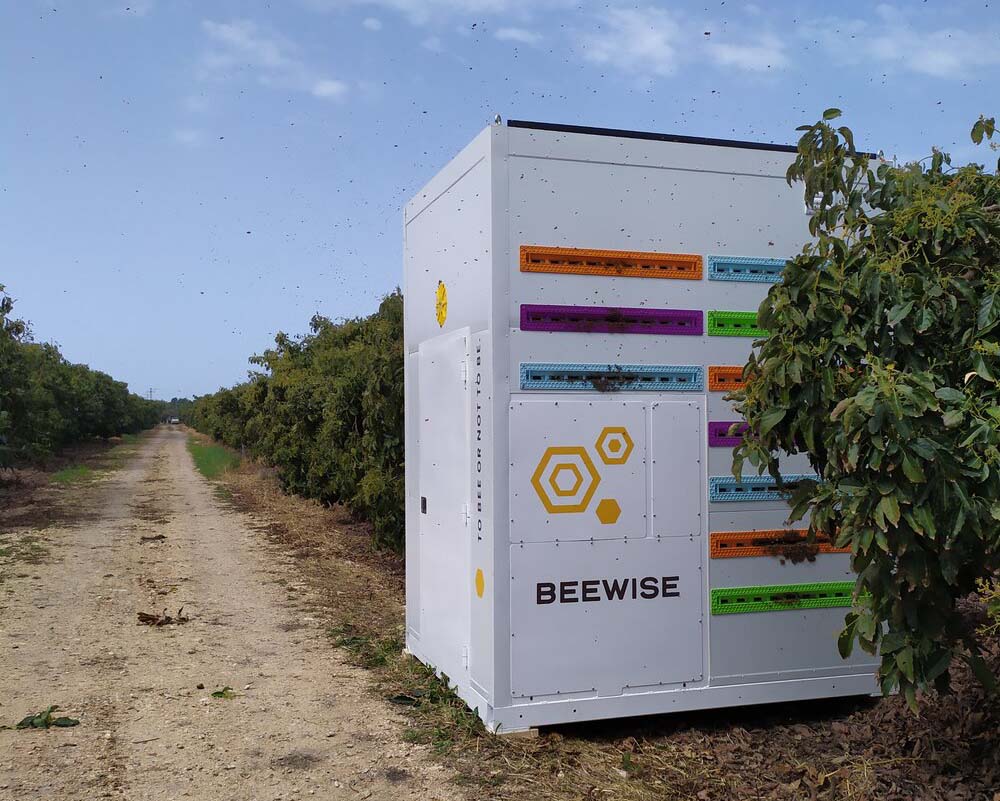
    Beewise uses computer vision and robotics to monitor bees and prevent colony collapse—critical for global agriculture. (Yes, bees are essential to one in three bites of food we eat.)

    2. AI in Waste Sorting

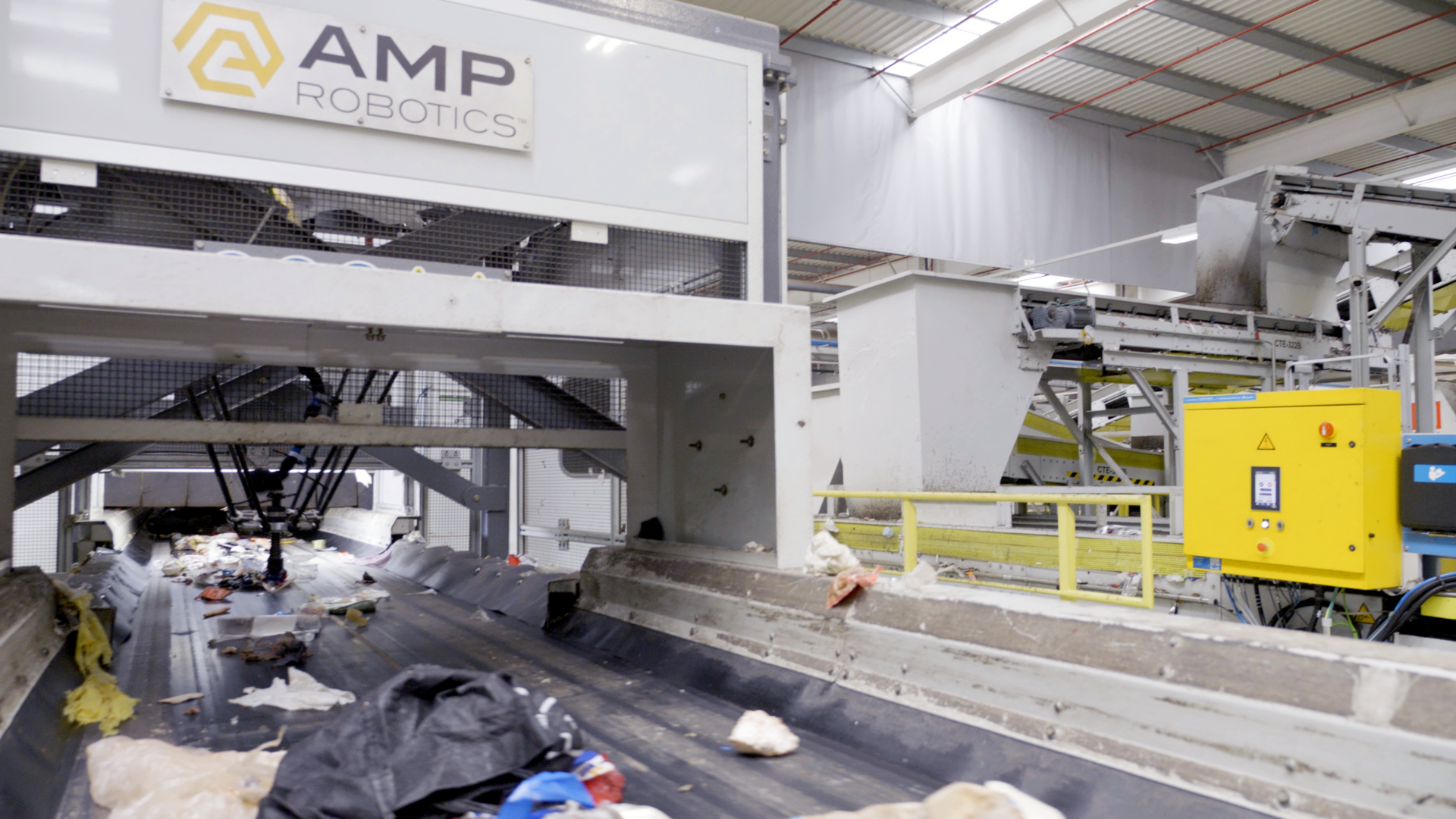
    AMP Robotics has developed robots that identify and sort recyclable materials with high precision, reducing landfill waste and increasing recycling efficiency by over 80%.

    3. AI-Powered Flood Prediction

    Google’s AI flood forecasting tool uses ML to predict river floods 5 days in advance in India and Bangladesh—potentially saving thousands of lives.

    These examples show how AI isn’t just about tech—it’s about impact.

    How Mentorship Boosts AI Learning for Students

    Once you identify a meaningful problem and want to solve it with AI, you need the right guidance. That’s where mentorship comes in.

    At BetterMind Labs, we work with students through focused, personalized guidance to:

    • Help them find meaningful problems

    • Teach them practical AI/ML tools

    • Guide them to build and ship real projects

    • Connect their work with societal impact and college admissions

    This isn’t just theory. It’s real.

    Free & Genuine Resources to Start On Your Own

    Not ready for a program yet? That’s okay. Here are three open-source resources to start:

    1. fast.ai – Free practical deep learning course for beginners.

    2. Google’s Learn with Google AI – Easy-to-understand lessons and projects.

    3. Kaggle Datasets + Notebooks – A goldmine for trying out models on real-world problems.

    Conclusion

    In 2025, top colleges want to see impact. That’s why AI for students has become a powerful way to show initiative and leadership through real-world work. If you’re in high school and dreaming of building something that matters—something that colleges like MIT, Stanford, or Harvard will actually care about—it starts with a real problem, a bit of AI, and a whole lot of heart.

    Whether it’s climate change, hunger, poverty, or education—AI can help you build what matters.

    We at BetterMind Labs are here to help you make that journey.


    Relevant Links

  • Beyond the Classroom: How High School Students Are Learning & Using AI to Change the World

    Why High School Students Must Learn AI —And Use It to Change the World

    In 2025, the way high school students learn AI has drastically evolved. No longer limited to theory, today’s students are building real AI tools—tools that save lives, redefine credit systems, and support public health efforts.

    Earlier, it wasn’t like this. AI was mostly about symbolic reasoning and rule-based programming to encode human knowledge into machines. But today, it’s the opposite: we enhance human knowledge through machines. AI is no longer a helper—it’s a partner in thinking.

    Today, AI has become a formal part of education. AI literacy is now a core component of high school curricula, with states like California mandating its inclusion across math, science, and social sciences. But theory isn’t enough.

    Students need to go beyond just reading and memorizing. They must use their knowledge to build things that solve real problems and impact society.

    Real Student-Led Impact From BetterMind Labs

    1. Waste Management Chatbot

    Project Name: Warehouse Buddy

    Inspired by the growing inefficiency in warehouse waste management, BetterMind Labs alumni Sanvi Rao built Warehouse Buddy—an AI-powered chatbot that helps warehouses streamline waste collection and storage. By simply asking questions in the chatbot, managers can instantly get insights on item tracking and waste consumption, making warehouse operations faster and more sustainable.

    1. Legal Document Assistant

    Project Name: LawMate

    Frustrated by how expensive and inaccessible legal consulting can be, BetterMind Labs alumni William Hardee built LawMate—an AI-powered assistant that helps people without legal knowledge analyze lengthy, complex documents. The chatbot can process multiple text files and provide tailored insights, giving users a clearer understanding of contracts, policies, and other legal materials.

    Designed, coded, and published independently, this project was fully created and presented by William as a one-person effort.

    1. Employee Retention AI

    Project Name: StaySense

    Noticing how costly and disruptive employee turnover can be for companies, BetterMind Labs alumni Aman Sreejesh created StaySense—a machine learning system that predicts whether an employee is likely to leave. The project involved exploratory data analysis, feature selection, and logistic regression modeling, all integrated into a Streamlit web app.

    By providing HR teams with actionable insights, StaySense serves as a practical tool for improving decision-making and workforce retention planning.

    Can You Do This Alone?

    Yes—but it’s hard. Exploring a new domain alone means spending time figuring out what matters, what works, and what doesn’t. That’s why having a mentor saves time, effort, and energy.

    Want to Try Solo First? Here Are 3 Great Open Resources:

    1. Fast.ai – Practical deep learning for coders.

    2. Google AI Education – Beginner-friendly modules from Google.

    3. Kaggle Datasets + Notebooks – Explore datasets and community-built models.

    Conclusion

    Whether you’re working alone or with mentors, the key is building something that matters—not just something that looks good on an application. At BetterMind Labs, we help you bridge the gap between learning and action.

    We are still accepting applications. Join us and build a project that changes lives, starting with yours.

    You don’t just need AI skills. You need a mission. Let’s build it together.


    Relevant Links