Category: Uncategorized

  • Why AI Education Is Essential for Your Teen’s Future

    Let’s Face It: The Future Won’t Wait
    Your teen is growing up in a world where AI isn’t optional—it’s foundational.

    From Netflix recommending movies to hospitals detecting diseases early, artificial intelligence is shaping nearly every aspect of life. And as AI continues to power industries—from healthcare to climate, from gaming to law—the next generation must not just be consumers of this tech but creators and critics of it.

    So the big question is: Is your teen ready?

    The Risk of Not Learning AI Early

    Let’s not sugarcoat it—teenagers who graduate without basic AI literacy may find themselves:

    • Behind in college admissions, especially for competitive majors like CS, business, or bioengineering

    • Less employable, even for internships or entry-level roles

    • Unaware of how AI affects privacy, equity, and ethics in their daily lives

    • Less confident in using tools that will soon be as common as Google Docs or Excel

    This isn’t just about “techies.” AI is now a life skill, like reading or math.

    The Payoff of AI Education for Teens
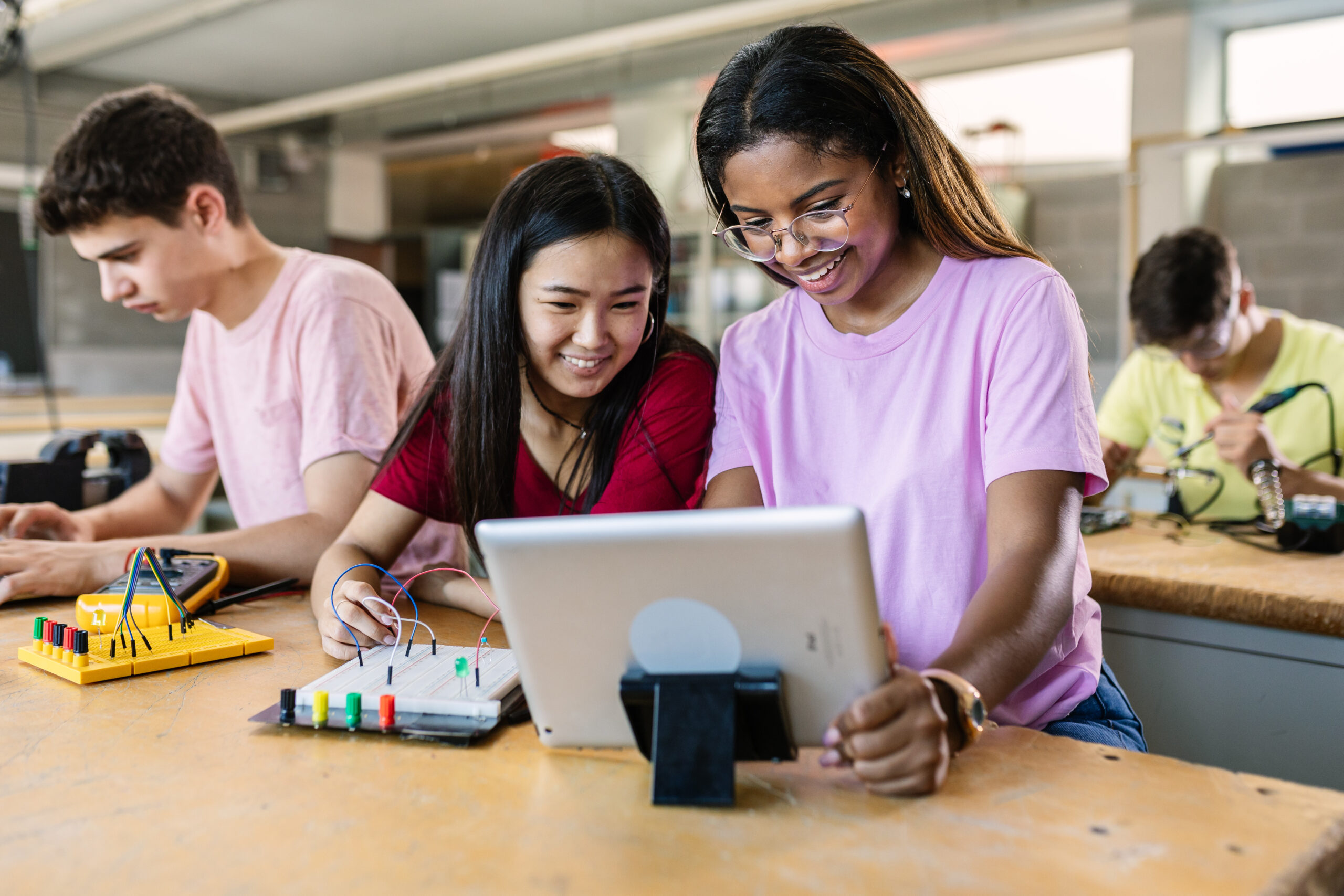
    Here’s what AI education does for your teen… whether or not they want to major in computer science:

    1. Builds Real-World Skills

    AI helps students become better problem-solvers. Whether it’s training a model to detect mental health signals in tweets or optimizing traffic in their hometown, students gain hands-on experience that translates into any career.

    2. Boosts Cognitive Growth

    Understanding algorithms, pattern recognition, and model training strengthens critical thinking, logic, and creativity. These skills help in SATs, college essays, and interviews.

    3. Supercharges College Applications

    Top universities no longer look just for grades—they want students who create impact. A high schooler who builds an AI project around education inequality or healthcare access stands out in a sea of cookie-cutter applications.

    4. Shapes Future Citizens

    Teens who understand AI are more likely to engage with ethical debates around surveillance, misinformation, or climate modeling. That’s how we raise thoughtful, empowered humans—not just employees.

    Real Students. Real Impact.

    At BetterMind Labs, we’ve seen teens build incredible AI projects that matter:

    • Ananya, 11th grade, created an AI model to classify malaria types, inspired by her mom who works in public health.

    • Shaun, 10th grade, built a Crypto Sentiment Tracker after noticing how fake news manipulated prices.

    • Alexei, a biochemistry hopeful, used AI to generate protein-folding simulation datasets, helping him understand his dream major before college.

    None of these students were coding geniuses at first.

    What they had was mentorship, structure, and a reason to build.
    How Can You Introduce AI to Your Teen?

    Here’s a step-by-step plan any family can follow:

    1. Start with Free Resources

    YouTube channels like 3Blue1Brown or CodeBullet make AI entertaining.

    Try courses like Coursera’s AI for Everyone or Kaggle Micro-Courses.

    2. Build a Small Project

    Train an image classifier to sort cats and dogs. Use Python to detect spam in emails.

    These aren’t just projects—they’re confidence boosters.

    3. Join a Guided Program

    That’s where BetterMind Labs comes in.

    We guide high schoolers from idea → research → model → impact while helping them build standout college portfolios.

    Schools Are Catching Up—But Not Fast Enough
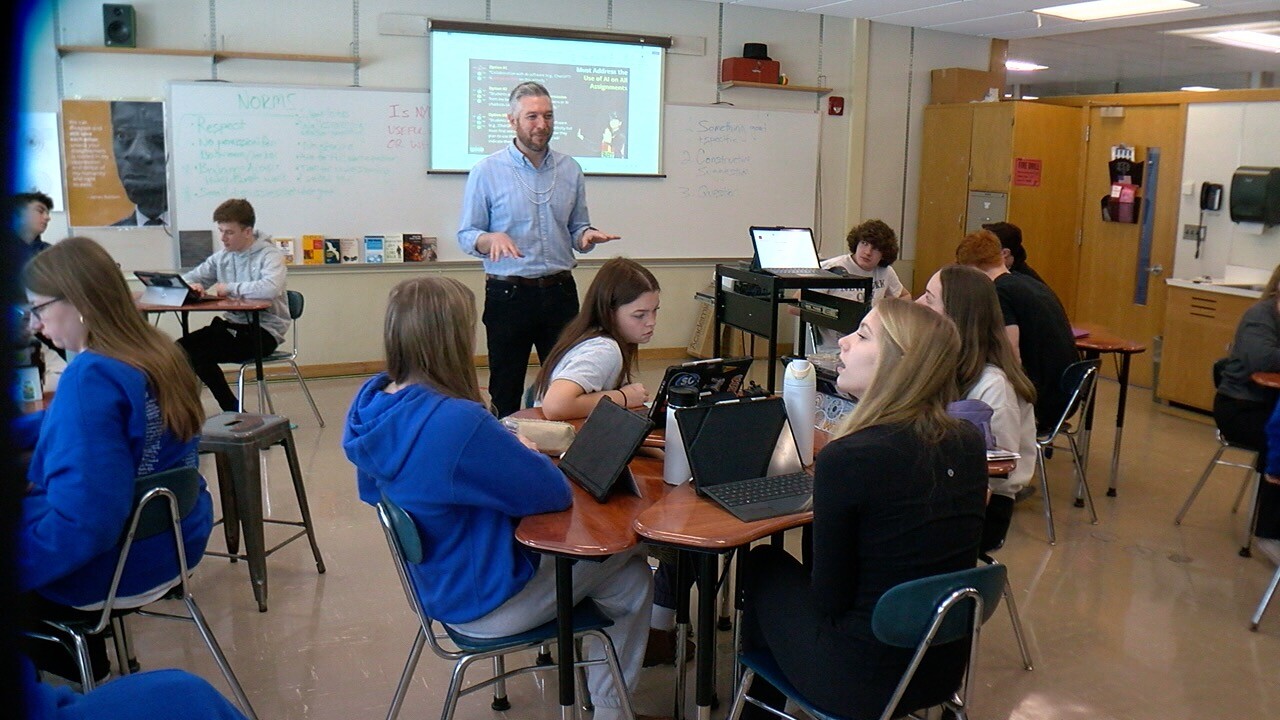
    Yes, AI is making its way into school curriculums.

    States like California and New York are integrating it into science and math.

    But let’s be honest:

    • Teachers are undertrained

    • Resources are limited

    • Projects are often generic or outdated

    Your teen needs beyond-the-classroom exposure to understand how AI works in the real world—alongside mentors, peers, and actual use cases.

    Common Myths (Busted)

    “My teen isn’t into coding.”

    AI isn’t just for coders. At BetterMind Labs, students interested in psychology, business, biology, and even writing have created meaningful AI tools.

    “It’s too early.”

    Middle and high school is actually the perfect time—the brain is flexible, and the stakes are low. Better to experiment now than wait until college.

    “It’s all just hype.”

    AI is now integrated into hiring, education, law, agriculture, sports analytics, and even music composition. It’s not hype—it’s reality.

    Final Thoughts: AI Is Not Just a Skill—It’s a Mindset

    We don’t teach AI just to help teens learn to code.

    We teach it so they can dream smarter, solve bigger problems, and think for themselves.

    Whether your teen wants to become a doctor, architect, journalist, or entrepreneur, understanding AI makes them future-proof.

    And in a world that’s constantly evolving, that might be the best gift you can give them.
    Ready to Get Started?

    BetterMind Labs’ AI/ML Internship for High School Students—is now accepting applications.

    We pair teens with mentors to help them build passion projects that not only impress colleges but impact the world.

    Apply now: https://blog.bmldesk.com/


    Relevant Links

  • How a High School Student’s AI Project Discovered 1.5 Million New Objects in Space

    How a high school student’s machine learning project led to real-world impact and a $250,000 prize?

    Table of Contents

    • High School Student Uses AI to Analyze NASA Telescope Data

    • Machine Learning in Astronomy: How Matteo Did It at Age 17

    • The Power of Mentorship in High School STEM Projects

    • Why AI Projects for High School Students Matter More Than Ever

    • From Curiosity to Code: Star Gazer, Built by a High School Student

    • FAQs

    • Final Takeaway: The Future of STEM Belongs to Students Who Start Early

    High School Student Uses AI to Analyze NASA Telescope Data

    Matteo Paz didn’t have access to a lab or telescope. What he had was curiosity, Python, and a public NASA dataset.

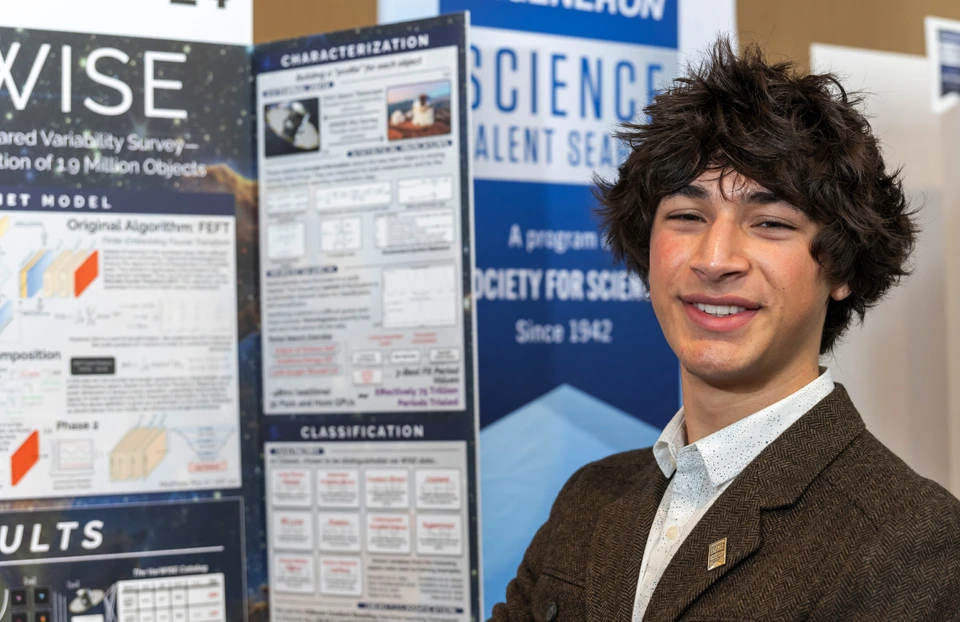
    While most researchers were focused on tracking asteroids, Matteo trained an AI model called VARNet to detect everything else: variable stars, black holes, cosmic flickers that had gone unnoticed.

    The result? His model flagged 1.9 million objects. Over 1.5 million were brand new to astronomy.

    Machine Learning in Astronomy: How Matteo Did It at Age 17

    He used data from NASA’s NEOWISE mission, which scanned the entire sky in infrared for more than a decade. That’s hundreds of billions of data points, enough to make most heads spin.

    But Matteo didn’t get overwhelmed. He built a machine learning model that analyzed brightness fluctuations in stars over time, identifying patterns using wavelet transforms and Fourier analysis.

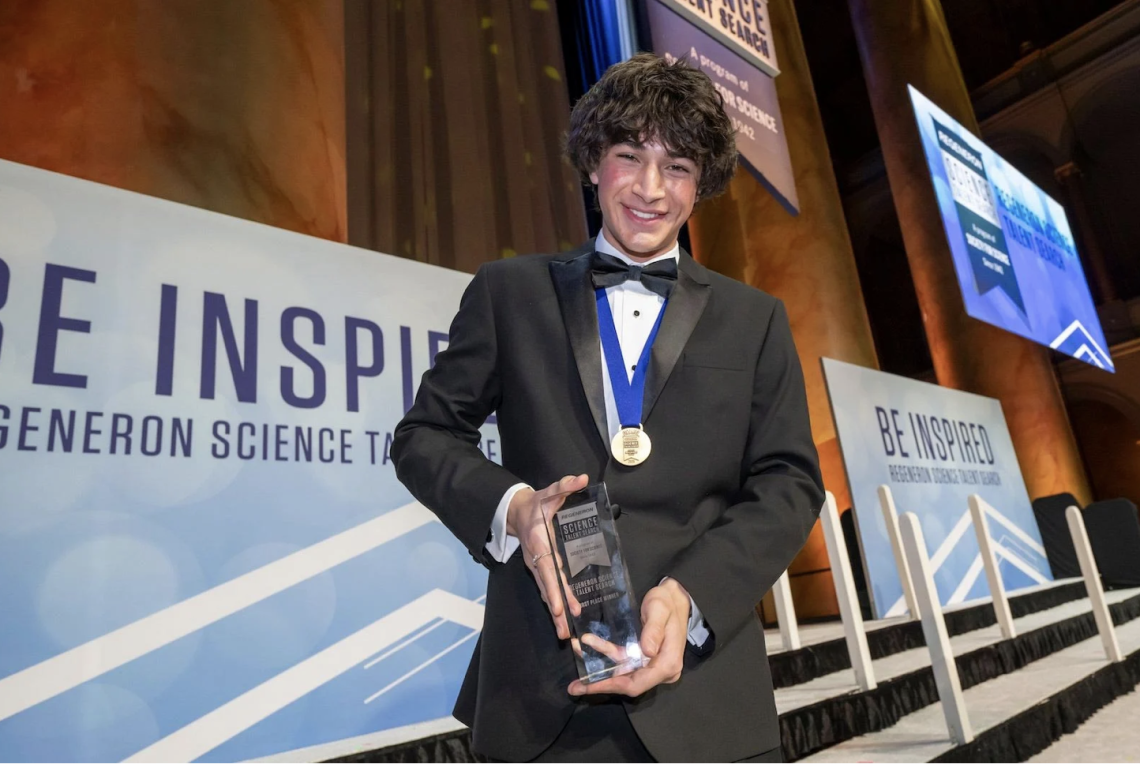
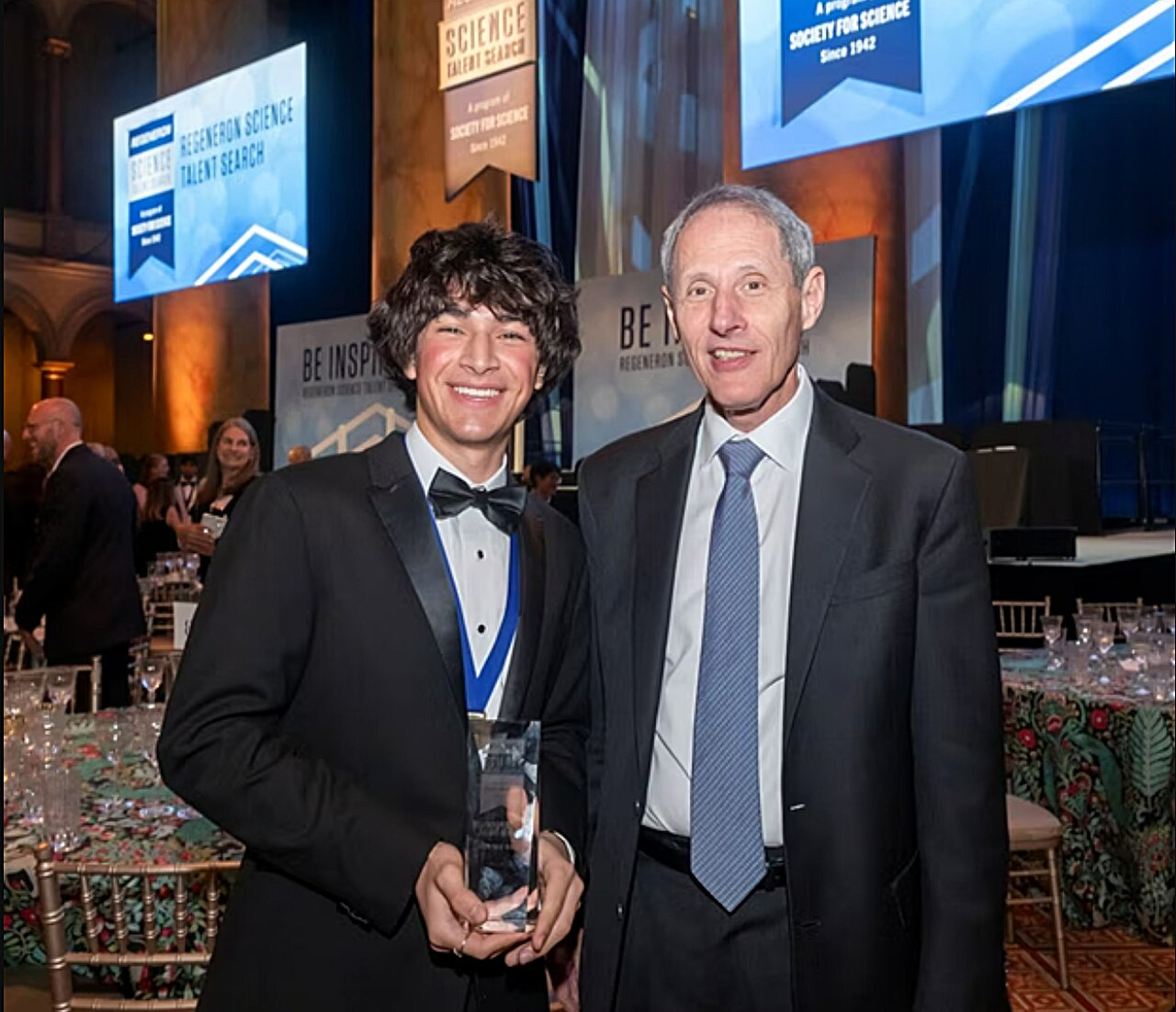
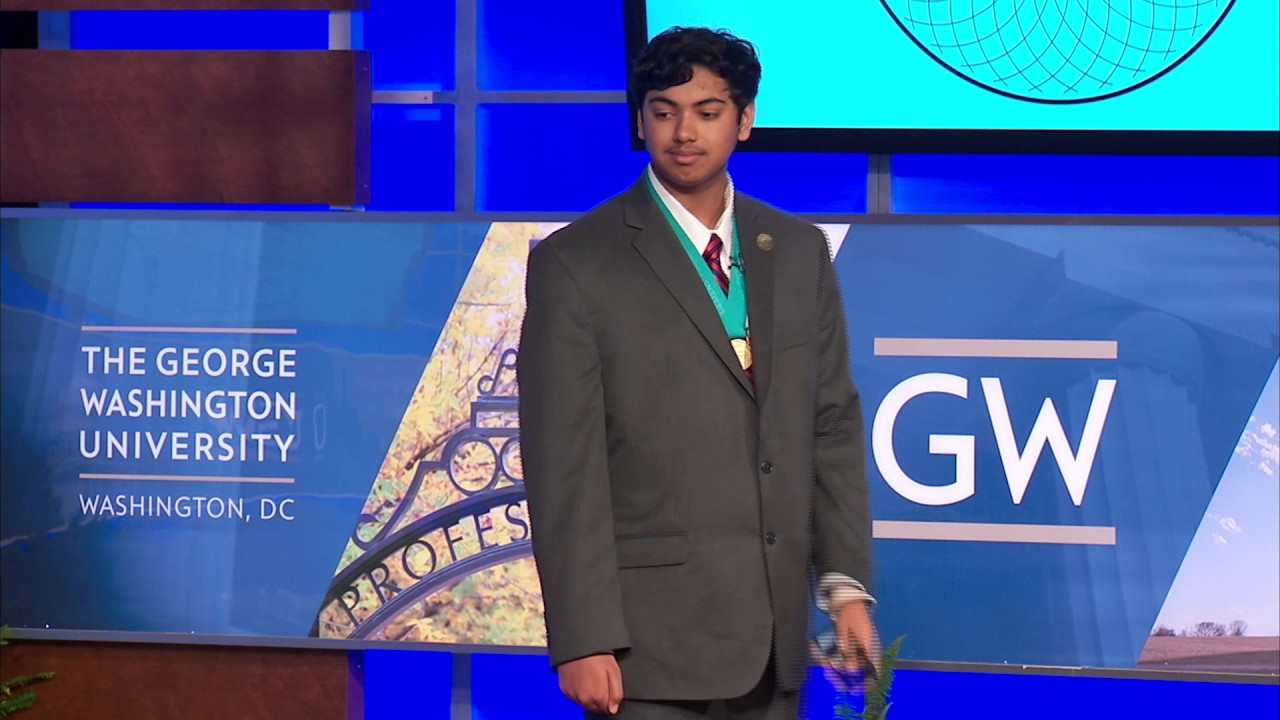
    This wasn’t just a science fair project. His work was published in The Astronomical Journal. And he took home $250,000 at the Regeneron Science Talent Search https://www.societyforscience.org/regeneron-sts/2025-student-finalists/matteo-paz/, one of the most prestigious science competitions for high schoolers in the U.S.

    The Power of Mentorship in High School STEM Projects

    Behind Matteo’s success was a key figure: Dr. J. Davy Kirkpatrick, senior scientist at Caltech. When Matteo told him he wanted to publish his research, Kirkpatrick didn’t say, “Maybe later.” He said, “Let’s talk about that.”

    That one line made all the difference. It’s proof that real mentorship isn’t just helpful, it’s essential.

    Why AI Projects for High School Students Matter More Than Ever

    If you’re a high schooler or the parent of one, here’s what Matteo’s story proves:

    • You don’t need a PhD to use real data. You need direction.

    • AI and machine learning are not college-level-only tools anymore.

    • High schoolers can publish. They can compete. They can get taken seriously.

    • The right mentor can turn a vague interest into a world-class result.

    From Curiosity to Code: Star Gazer, Built by a High School Student

    A few months ago, a student at BetterMind Labs took on a challenge that felt way out of reach: tracking how star brightness shifts over time. Inspired by space missions like NEOWISE, the student built Star Gazer, a tool that uses machine learning to classify variable stars based on their light curves.

    He didn’t start with a background in astrophysics. But he had questions and a mentor who helped him follow them to a working prototype. His project didn’t just end with a presentation. He’s now exploring real-world datasets and refining them further for publication.

    Projects like this are becoming more common, not because students are “geniuses,” but because the tools, guidance, and ambition finally line up.

    Check out BetterMind Labs AI + Space Exploration projects that High School Students can build.

    FAQs

    Who is Matteo Paz and why is his AI project significant?

    Matteo Paz is a high school researcher who developed VARNet, a machine learning model that analyzed NASA’s NEOWISE data to identify variable objects in space. His research led to the discovery of more than 1.5 million previously unknown astronomical objects and earned him the $250,000 top prize at the Regeneron Science Talent Search.

    Can high school students really build advanced AI projects?

    Yes. With access to public datasets, open-source tools, and strong mentorship, high school students can build sophisticated AI projects in fields such as healthcare, astronomy, finance, climate science, and cybersecurity. Many students are already conducting research and developing solutions with real-world impact.

    Do students need advanced math or coding experience to start AI?

    Not necessarily. Many students begin with little or no experience. Learning Python, data analysis, and basic machine learning concepts step by step allows students to gradually build the skills needed for more advanced AI applications.

    Why is mentorship important for AI and research projects?

    Mentorship helps students identify meaningful problems, avoid common mistakes, and develop stronger technical solutions. Experienced mentors also provide guidance on research methodology, data analysis, project presentation, and publication opportunities.

    Can AI projects help with college admissions?

    Absolutely. Meaningful AI projects showcase initiative, intellectual curiosity, problem-solving ability, and real-world impact. Projects often become powerful topics for college essays, research competitions, scholarship applications, and interviews because they demonstrate how students apply knowledge beyond the classroom.

    Final Takeaway: The Future of STEM Belongs to Students Who Start Early

    Matteo Paz’s story is remarkable, but the lesson isn’t that he was extraordinary. The lesson is that he started. He found a problem that interested him, learned the tools he needed, worked with mentors, and stayed committed long enough to create something meaningful.

    That same pattern appears again and again among successful students. The strongest college applicants, scholarship winners, and young researchers are not simply consuming knowledge. They are applying it. They build, test, iterate, and solve problems that matter.

    At BetterMind Labs, we see this transformation happen every year. Students begin with curiosity and leave with projects that tackle challenges in healthcare, finance, sustainability, cybersecurity, and even astronomy. Like Matteo, they learn to work with real datasets, develop machine learning models, and create solutions that extend far beyond a classroom assignment.

    The goal is not to replicate someone else’s success story. It is to create your own.

    Whether you’re analyzing telescope data, building an AI healthcare tool, or designing a sustainability solution, the opportunity to make an impact starts much earlier than most people realize. The tools are available. The data is available. The mentorship is available.

    The students who will shape the future of science and technology are not waiting until college to begin.

    They’re already building.

    And at BetterMind Labs, we’re helping them turn curiosity into research, projects into impact, and ideas into opportunities.

    Checkout BetterMind Labs AI ML Program designed for High School Students (8th to 12th Graders)


    Relevant Keywords:

    Regeneron STS 2025 Finalist – Matteo Paz
    https://www.societyforscience.org/regeneron-sts/2025-student-finalists/matteo-paz/

    NASA NEOWISE Mission Update – April 2025
    https://neowise.ipac.caltech.edu/news/neowise20250411/

    Pranav Sivakumar’s Research Project – Astronomical League PDF
    https://www.astroleague.org/files/awards/Pranav_Sivakumar_project.pdf

    Pranav Sivakumar – Wikipedia
    https://en.wikipedia.org/wiki/Pranav_Sivakumar

    Sloan Digital Sky Survey – Educational Resources
    https://classic.sdss.org/education/

    Fermilab High School Student Internship Programs
    https://internships.fnal.gov/high-school-student-programs/

    BetterMind Labs – AI Projects by High School Students
    https://www.bettermindlabs.org/

  • From Wildfires to Wellness: AI Projects by High School Students Solving Real-World Problems

    High schoolers are building powerful AI projects from wildfire detection to mental health tools. Here’s how students are learning to solve real problems with machine learning and data.

    Artificial intelligence isn’t just changing industries; it’s changing what teenagers can do before they even apply to college.

    In schools, after-school programs, and even bedrooms turned makeshift labs, high schoolers are building AI tools to tackle problems that are real, messy, and sometimes deeply personal.

    And we’re not talking about toy chatbots or recycled code copied from GitHub. We’re talking about students using AI to fight wildfires, protect mental health, reduce bias, and improve healthcare.

    Here’s what that actually looks like.

    Table of Contents

    • Section 1: Why an AI Project by High School Students Matters More Than Ever

    • Section 2: Real Projects. Real Impact.

    • Section 3: How to Get Started (If You’re a Student or a Parent)

    • Section 4: FAQs

    • Section 5: Conclusion

    • Section 6: Relevant Links

    Why an AI Project by High School Students Matters More Than Ever

    AI used to feel like rocket science. Unless you had access to a university lab or a Silicon Valley internship, it was nearly impossible to learn or build anything substantial.

    But that’s changed.

    Tools like Python, TensorFlow, OpenCV, and Google Colab have flattened the learning curve. Free courses from platforms like Fast.ai, Coursera, and Hugging Face give motivated students the structure they need. Public datasets? Everywhere.

    Suddenly, a student who cares deeply about climate change or healthcare inequity can go from idea to prototype in a matter of weeks.

    Real Projects. Real Impact.

    Let’s get specific. Here are a few standout projects built by high school students recently:

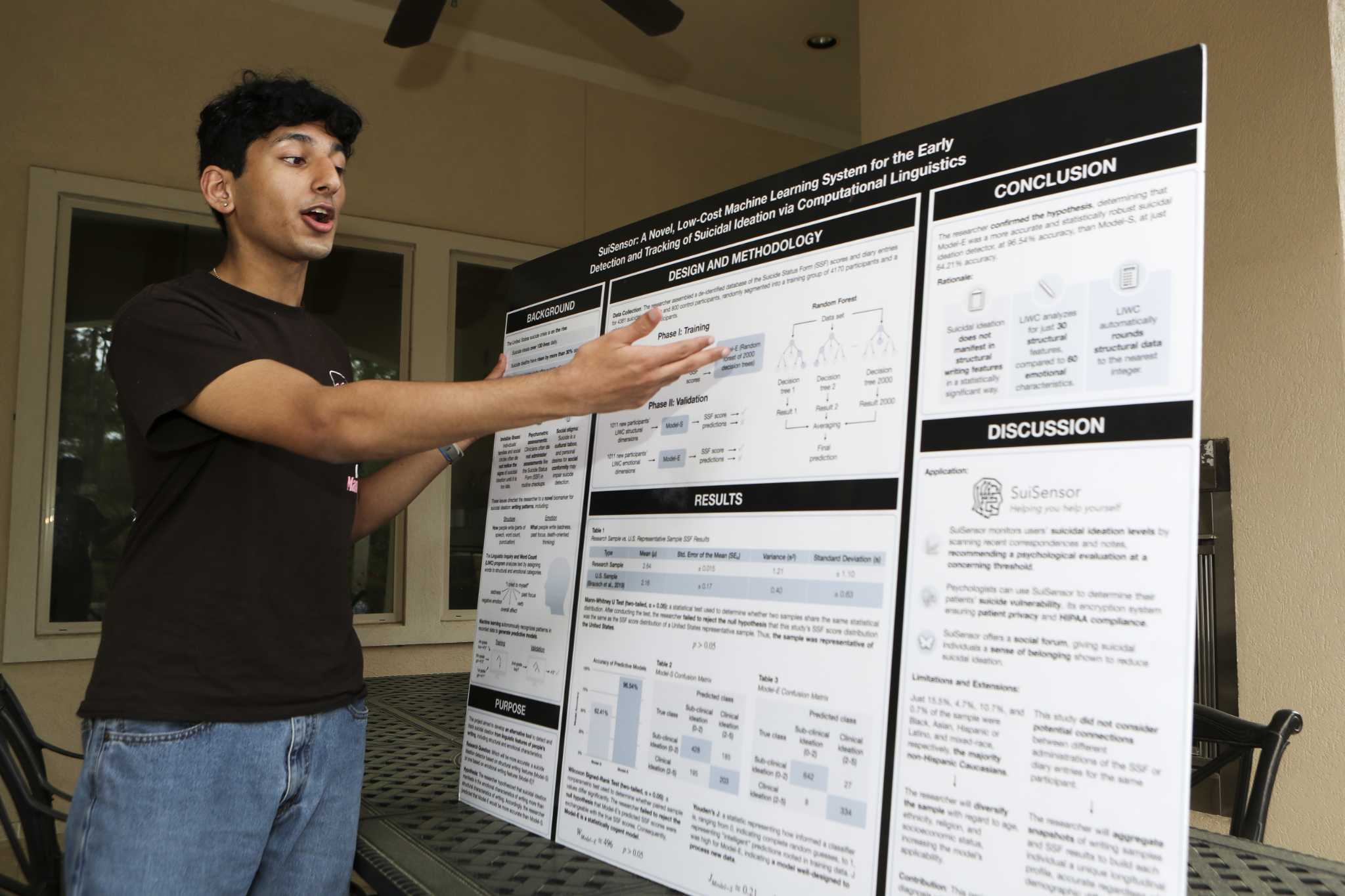
    1. SuiSensor – Siddhu Pachipala, Texas

    After seeing classmates struggle with mental health, Siddhu Pachipala, a high school senior in Houston, built SuiSensor, an app that uses natural language processing to identify early signs of suicidal ideation in written text. His model reached over 98% accuracy on validation tests.

    The project earned him a top spot at the Regeneron Science Talent

    Search https://www.societyforscience.org/regeneron-sts/2023-student-finalists/siddhu-pachipala/, and mental health experts praised its potential to save lives, especially for teens in under-resourced schools.

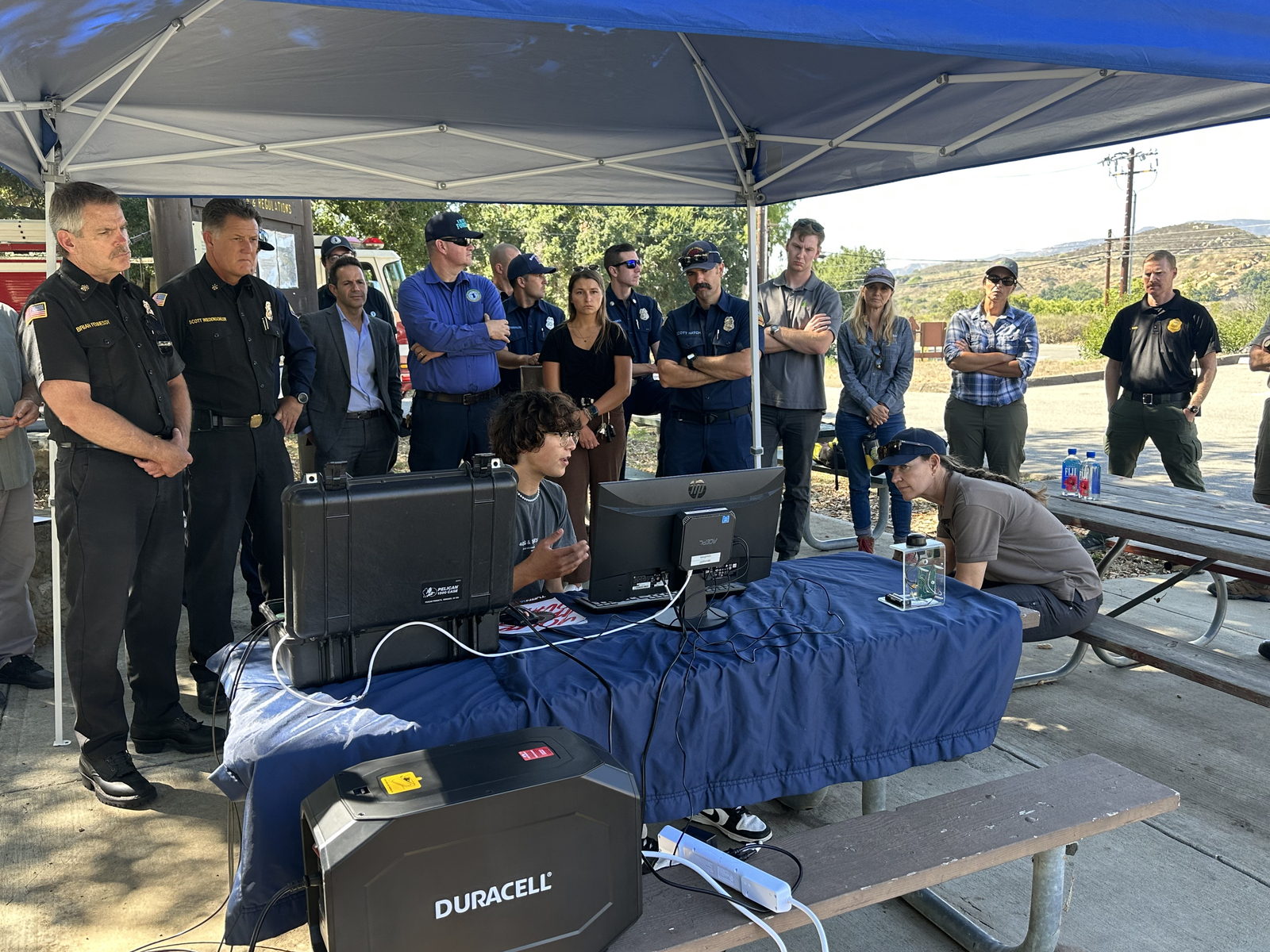
    2. AI Wildfire Sensors – Ryan Honary, California

    At just 14, Ryan Honary created a network of solar-powered wildfire sensors https://www.oneearth.org/climate-hero-ryan-honary/ that detect small fires using infrared and gas data, then send alerts in real time via AI-powered modeling.

    His system is already deployed in Laguna Canyon, in partnership with the Orange County Fire Authority, and has the potential to drastically reduce wildfire damage in remote regions.

    3. MoodMirror – Alex, New Jersey

    His project, MoodMirror, is a lightweight AI tool that runs in the background while students work. It tracks patterns in typing speed, written tone, and screen time. When it senses emotional fatigue, long hours, stress-heavy language, or unusually negative phrasing, it gently prompts the user to pause and reflect.

    It might ask: “You’ve been focused for 90 minutes, do you want a quick break?” Or: “Your last few journal entries sound more anxious than usual. Do you want to talk to someone?”

    Alex built the first version as part of a program at BetterMind Labs, where students explore how AI can be integrated into different fields. MoodMirror isn’t flashy, but it’s personal. And that’s what makes it powerful.

    4. Chronic Disease Prediction & Lifestyle Analysis App

    Meet Vritee Agarwal, a BetterMind Labs student who started with basic Python — and ended up building a full-fledged Disease Prediction and Lifestyle Analysis App.

    Her project uses machine learning models and Gemini AI to predict the likelihood of five major chronic diseases — heart disease, cancer, diabetes, asthma, and obesity — based on both clinical data and daily lifestyle choices.

    What makes it special? Instead of a simple “Yes or No”, her AI provides personalized health insights, prevention tips, and lifestyle recommendations — making it a tool for awareness and early prevention.

    • Predict risk for diabetes, heart disease, asthma, or obesity using health + lifestyle data

    • Output personalized prevention insights via a simple web app

    • Strong fit for pre-med, public health, or data science applicants

    5.AI Stock Price Predictor (Finance + Machine Learning)

    A student-built model that predicts next-day stock movement teaches:

    • Time-series modeling

    • LSTM/RNN fundamentals

    • Market indicators (RSI, MACD, volatility)

    Example from your library:

    Vinay, Aniket, and Eeshan built models that analyze trends, identify hype cycles, and forecast price movements.

    How to Get Started (If You’re a Student or a Parent)

    All you need is curiosity, consistency, and support.

    Here’s a quick roadmap:

    1. Learn the Basics – Python, basic data science, and machine learning concepts. Tons of free options online.

    2. Pick a Problem – What frustrates you? What breaks your heart? What’s something your community struggles with?

    3. Find a Mentor or Program – Whether it’s a school teacher, an online bootcamp, or a space like BetterMind Labs, because guidance matters.

    4. Build. Break. Repeat. – Your first model will probably fail. That’s normal. That’s where the learning happens.

    5. Tell Your Story – Document your journey. Explain your process. This will help with college apps, but also clarify your thinking.

    FAQs :

    What kinds of real-world problems can AI help solve?

    AI can be applied to a wide range of challenges, including environmental monitoring, healthcare, education, accessibility, public safety, and sustainability.

    How long does it take to complete an AI project?

    The timeline varies depending on the project’s complexity, but many student projects can be completed within a few weeks to a few months with consistent effort and mentorship.

    How can AI projects benefit high school students?

    AI projects help students develop technical skills, problem-solving abilities, creativity, and a portfolio of work that can strengthen college applications and future career opportunities.

    Do I need prior coding experience to build an AI project?

    Not necessarily. Many students begin with little or no programming experience and learn the necessary skills while working on a guided project.

    Conclusion :

    The most inspiring AI projects aren’t just about technology—they’re about solving problems that matter. From addressing environmental challenges to improving health and well-being, today’s students are using AI to create meaningful impact in their communities and beyond.

    As AI becomes an increasingly important part of every industry, the ability to identify real-world problems and build innovative solutions will be a valuable skill for the future. Programs like BetterMind Labs help students take that first step by combining mentorship, hands-on learning, and project-based experiences that turn ideas into reality.

    If you’re curious about what you can build with AI, there’s never been a better time to start exploring.


    Relevant Links:

    Chaminade Wins 13th Medical Marvels Competition – Feinstein Institutes

    https://feinstein.northwell.edu/news/the-latest/chaminade-wins-13th-medical-marvels-competition

    NASA Human Research Program – IWS 2025

    https://www.nasa.gov/hrp/iws-2025/

    NASA HUNCH Program – High School Students United with NASA to Create Hardware

    https://nasahunch.com/

    How AI Mental Health Tools Built by High School Students Are Helping Astronauts in Space

    https://www.bettermindlabs.org/post/how-ai-mental-health-tools-built-by-high-school-students-are-helping-astronauts-in-space

    Meet the Students Behind BetterMind Labs

    https://www.bettermindlabs.org/students

    Streamlit – The Fastest Way to Build and Share Data Apps

    https://streamlit.io/

    How Astronauts Take Care of Their Mental Health in Space

    https://www.asc-csa.gc.ca/eng/youth-educators/toolkits/mental-health-and-isolation/how-astronauts-take-care-of-their-mental-health-in-space.asp

    BetterMind Labs – AI Projects by High School Students

    https://www.bettermindlabs.org/

  • How an AI Project by High School Students Is Tackling Real-World Problems

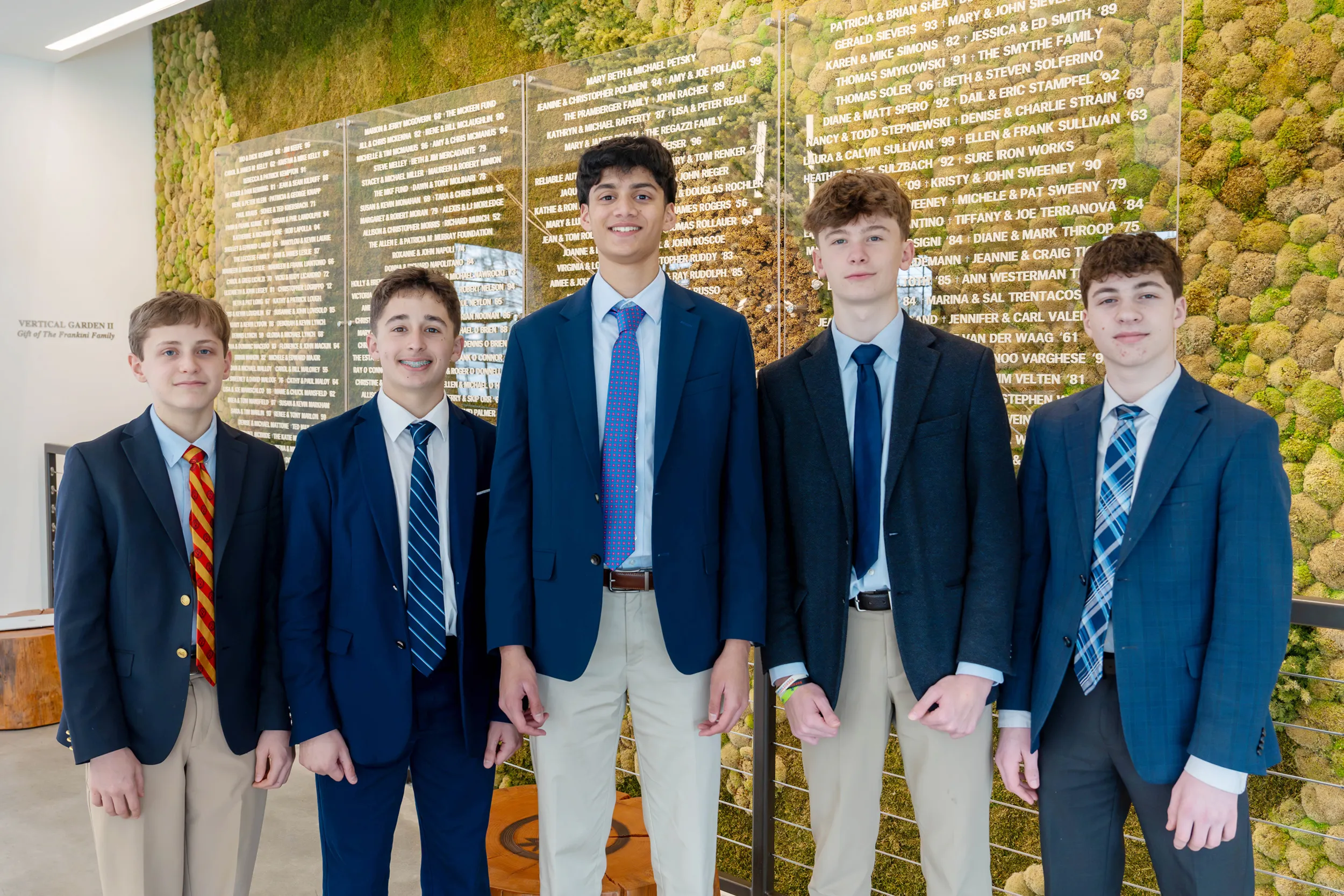
    Five high school students created Buddy Bot, an AI chatbot that supports teens dealing with social media stress.

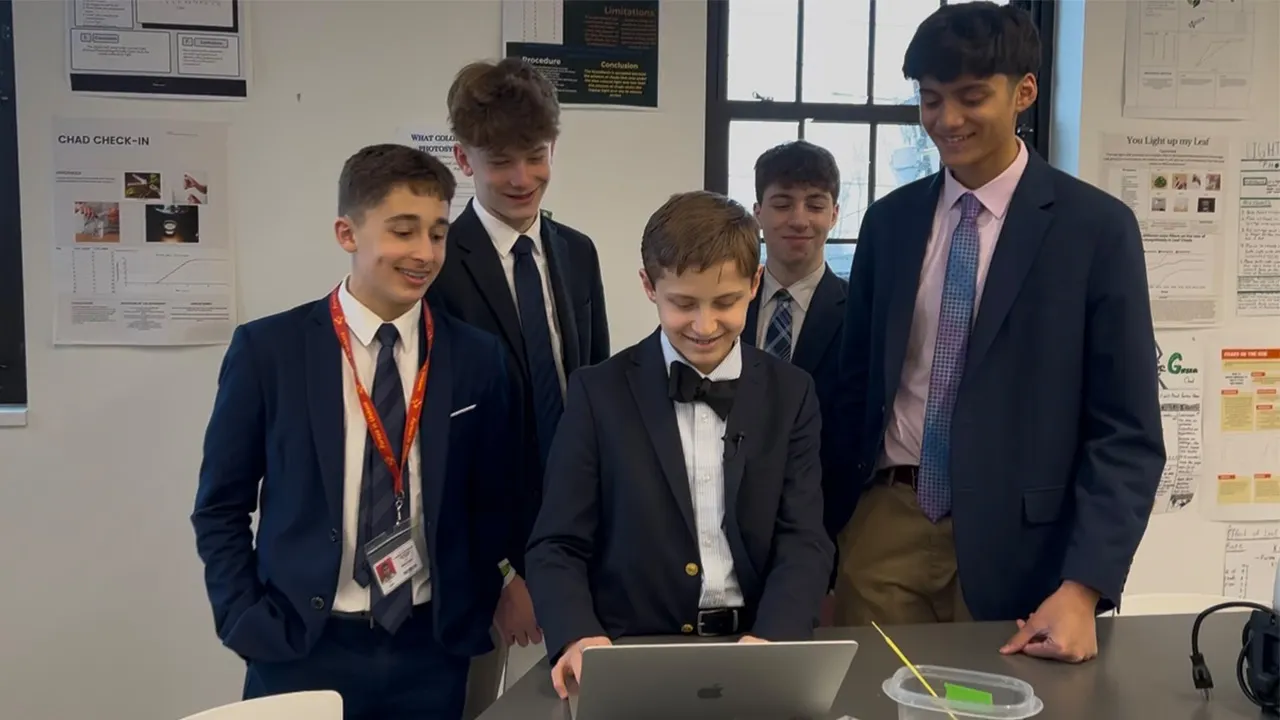
    We usually expect teenagers to scroll through social media, not build tools to combat its effects. But five 9th graders flipped that script when they created Buddy Bot, an AI chatbot designed to check in on users and spot signs of emotional burnout.

    Let’s break it down.

    Their classmates were stuck in what they called “scroll loops,” mindlessly cycling through TikTok, Instagram Reels, and posts without realizing how much time was flying by or how drained they felt after. The team saw the pattern and asked a question: What if a bot could help you get out of that cycle?

    Buddy Bot: An AI Project by High School Students with Heart

    Buddy Bot is an AI project by high school students, which reads your social posts (with permission) and looks for stress signals and language that hints at burnout, fatigue, or sadness. When it notices something off, it doesn’t send an alert or lecture. It just drops in with a short, human-like message. Think of it as a friend nudging you to breathe.

    The project won the Medical Marvels Challenge, not because it used fancy algorithms, but because it tackled a very real mental health problem with care and intention.

    One of the team members, Andrew Runje Dargento, put it plainly:

    “We’ve all experienced firsthand these issues where we’re on our phone hours upon hours, where we should be doing more productive things.”

    That’s the heart of it. The students weren’t building for a grade or resume line. They were building for each other.

    AI With Heart

    There’s a lot of noise about AI right now, with faster processors, bigger models, and smarter code. But Buddy Bot is a reminder that the most impactful AI doesn’t always solve technical problems. Sometimes, it solves human problems.

    At BetterMind Labs, we’ve seen students bring the same emotional clarity to their work.

    Like MindEase, made by Emma in our program, a quiet, thoughtful tool that supports teens through emotional lows. No notifications. No judgment. Just steady, digital companionship.

    Different bots. Same goal.

    Why This Matters (Especially for Parents and Educators)

    We’re in a moment where high schoolers aren’t just consuming tech, they’re shaping it. But the ones who stand out aren’t the ones building for hype. They’re the ones building for people.

    That’s why programs like Medical Marvels and mentorship spaces like BetterMind Labs are so powerful. They don’t just teach coding. They help students connect technology to real life, feelings, friendships, and self-awareness.

    If you’re a parent of a high schooler in the US or Canada, pay attention to these kinds of projects. They’re signals of where education is headed, and how the next generation is learning to care through code.


    Relevant Links:

    Chaminade Wins 13th Medical Marvels Competition – Feinstein Institutes
    https://feinstein.northwell.edu/news/the-latest/chaminade-wins-13th-medical-marvels-competition

    NASA Human Research Program – IWS 2025
    https://www.nasa.gov/hrp/iws-2025/

    NASA HUNCH Program – High School Students United with NASA to Create Hardware
    https://nasahunch.com/

    How AI Mental Health Tools Built by High School Students Are Helping Astronauts in Space
    https://www.bettermindlabs.org/post/how-ai-mental-health-tools-built-by-high-school-students-are-helping-astronauts-in-space

    Meet the Students Behind BetterMind Labs
    https://www.bettermindlabs.org/students

    Streamlit – The Fastest Way to Build and Share Data Apps
    https://streamlit.io/

    How Astronauts Take Care of Their Mental Health in Space
    https://www.asc-csa.gc.ca/eng/youth-educators/toolkits/mental-health-and-isolation/how-astronauts-take-care-of-their-mental-health-in-space.asp

    BetterMind Labs – AI Projects by High School Students
    https://www.bettermindlabs.org/

  • How AI is Changing the World — and What a High School Student AI Astronomy Project Means for Gen Z

    He didn’t have a telescope.

    He didn’t work in a professional lab.

    But at just 15, Pranav Sivakumar launched a high school student AI astronomy project that helped discover gravitationally lensed quasars—some of the rarest and most fascinating objects in the universe.

    His project earned recognition from NASA, Fermilab, and even the White House.

    What’s a Gravitationally Lensed Quasar?

    It sounds like sci-fi, but it’s real astrophysics.

    Quasars are insanely bright, faraway galaxies with black holes at their centers. Sometimes, a massive galaxy lies directly between us and the quasar. That foreground galaxy bends the light from the quasar around it, sort of like a cosmic magnifying glass. That’s gravitational lensing.

    These systems are rare, and finding them helps scientists test theories about dark energy, dark matter, and the very shape of the universe.

    How This High School Student Used AI in Their Astronomy Project

    He used data from the Sloan Digital Sky Survey, a massive open-source catalog of the sky.

    Then, with Python and machine learning models he built himself, he filtered through thousands of galaxy images to flag 109 potential lensing systems. His work impressed researchers at Fermilab and NASA, landing him as a finalist (twice!) in the Google Science Fair and earning him the Virgin Galactic Pioneer Award.

    Eventually, he was invited to the White House Astronomy Night, where President Obama personally acknowledged his work.

    All of this. At fifteen.

    Why This Matters to Parents and Students Today

    Pranav’s story isn’t just inspiring. It’s a clear sign of where the world is heading.

    You don’t need to wait for college to do real science. You don’t need a lab.

    What you do need is the curiosity to ask questions and the support to build something real.

    We’ve seen this firsthand at BetterMind Labs, where high school students are working on their own ambitious projects, from AI-powered wildfire prediction tools to apps that detect signs of early skin cancer using computer vision.

    What Will You  Build?

    The tools are out there. The data is free. The only missing piece? A community that pushes you to go further than school ever will.

    At BetterMind Labs, we help students connect with mentors, use real-world tools, and work on projects that colleges (and the world) actually care about.

    Because at the end of the day, there’s no age limit on changing the world. Just ask Pranav.


    Relevant Links:

    A Glimpse of the Next Generation of AlphaFold – DeepMind
    https://deepmind.google/discover/blog/a-glimpse-of-the-next-generation-of-alphafold/

    Future of Jobs Report 2025 – World Economic Forum
    https://www.weforum.org/stories/2025/01/future-of-jobs-report-2025-jobs-of-the-future-and-the-skills-you-need-to-get-them/

    Khanmigo for Teachers – AI Teaching Assistant by Khan Academy
    https://www.khanmigo.ai/teachers

    Google Workspace with Gemini – AI Tools for Education
    https://edu.google.com/intl/ALL_au/workspace-for-education/add-ons/google-workspace-with-gemini/

    Runway – Creative Tools Powered by AI
    https://runwayml.com/

    Understanding AI Bias in Hiring – VidCruiter
    https://www.vidcruiter.com/interview/intelligence/ai-bias/

    The Promises and Perils of Predictive Policing – CIGI
    https://www.cigionline.org/articles/the-promises-and-perils-of-predictive-policing/

    Timnit Gebru – Wikipedia
    https://en.wikipedia.org/wiki/Timnit_Gebru

    AI Now Institute – Wikipedia
    https://en.wikipedia.org/wiki/AI_Now_Institute

    Teachable Machine – Train Machine Learning Models Easily
    https://teachablemachine.withgoogle.com/

  • AI Mental Health Tools Built by High School Students: How Teens Are Supporting Astronauts

    Let’s start with a simple question:

    What does mental health look like… in zero gravity?

    That’s the kind of challenge a group of high school students in Michigan took on, and what they built could actually end up helping NASA astronauts cope with isolation during long space missions.

    Here’s the story of VISTA-AI, and why it matters for every student thinking, “Can I really make a difference while I’m still in high school?”

    From a Michigan High School to a NASA Workshop

    VISTA-AI is one of the most promising AI mental health tools built by high school students. Created by a group from Michigan, it uses facial expression analysis and tone recognition to monitor astronaut well-being—Track mental states over time, something that’s crucial for astronauts on extended missions.

    Their idea was smart. But what happened next was next-level.

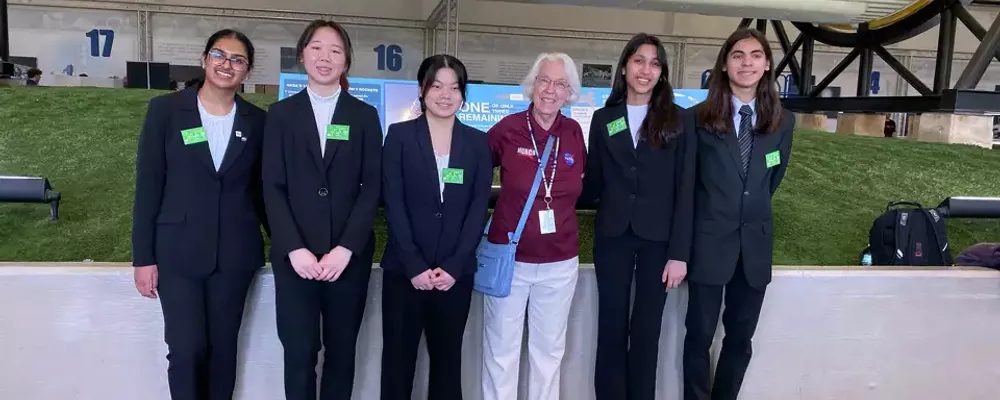
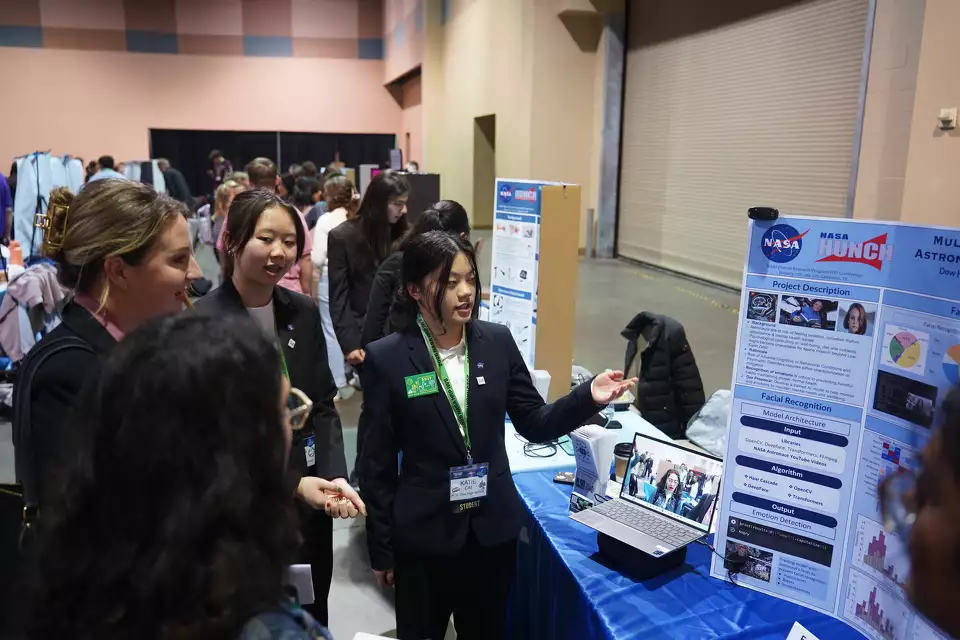
    They were invited to present their work at the NASA Human Research Program Investigators’ Workshop in Texas. There, they got direct feedback from scientists, engineers, and even astronaut Frank Rubio, who spent nearly a full year on the International Space Station.

    Yes, you read that right: high schoolers explaining their invention to someone who’s literally lived in space.

    And they didn’t stop there. The team later showcased their work at the NASA HUNCH Final Design Review in Houston, continuing to refine the tool based on real-world input.

    Why AI Mental Health Tools Built by High School Students Matter in Space

    Imagine spending 6 months or more in a small spacecraft, millions of miles from Earth, with no escape from your environment. No nature. No fresh air. Limited human interaction.

    Mental health in space isn’t just a side topic; it’s mission-critical.

    That’s what makes VISTA-AI such a smart approach. It gives astronauts and mission teams a way to spot emotional red flags early, using passive data like facial tension or voice stress.

    This isn’t just theoretical. If VISTA-AI keeps evolving, it could help astronauts on future moon bases, Mars missions, and even commercial space flights.

    So What Does This Mean for You?

    Here’s the thing: you don’t have to wait until college or even graduation to start working on problems that matter.

    Students across North America are doing real, impactful work right now. Whether it’s AI in space, mental health, sustainability, or education, there’s room for young thinkers at the table.

    Take Zahra Azeem, for example. She’s an alumni at BetterMind Labs, a program where teens explore personalized projects that blend AI, empathy, and innovation. Zahra built Serenity AI, a wellness chatbot that helps people reflect, journal, and receive personalized mental health suggestions. It even uses AI-driven prescription generation, all built on Streamlit, a Python-based app platform.

    Her project didn’t just impress mentors. It reminded everyone that when students care deeply about a problem and have the right guidance, they can actually move the needle.

    How to Get Started

    If you’re a student:

    You don’t need to wait for a big lab or fancy grant. Start small. Get curious. Find a question that bugs you, and build something that tries to answer it.

    If you’re a parent:

    Support your child’s curiosity. Give them space to tinker, explore, and fail. Programs like BetterMind Labs exist to help kids turn passion into direction.

    Because the future isn’t just about getting into college. It’s about shaping the world you want to live in, whether that’s here on Earth, or 250 miles above it.


    Relevant Links:

  • How AI Is Changing the World and What That Means for Gen Z

    A few years ago, the idea of talking to a robot, generating art with a click, or automating entire businesses felt like science fiction. Today, it’s reality. At the center of this shift is Artificial Intelligence, or AI. While AI is transforming nearly every part of society, the generation that will feel its full impact the most is Gen Z, those born between 1997 and 2012.

    If you’re a high school student right now, AI isn’t just a buzzword. It’s shaping your future.

    So what exactly is AI doing to the world, and how can Gen Z prepare for the AI revolution in education, careers, and everyday life? Let’s explore.

    The World Is Being Rewired by AI

    AI is no longer locked in tech labs or reserved for startups. It’s now being used to:

    • Diagnose diseases with more accuracy than human doctors

    • Predict financial markets in real time

    • Write code, generate music, and create realistic videos

    • Drive cars, screen job applicants, and detect cyber attacks

    Industries like healthcare, finance, education, agriculture, and space exploration are being redefined by AI tools. The future of work is being reshaped, and Gen Z will need new skills to thrive in it.

    Take this real-world example. In 2023, Google DeepMind used AI to predict the 3D structures of over 200 million proteins. This groundbreaking research is already speeding up drug development and could lead to cures for diseases we never thought we’d solve. Imagine being part of something that powerful while you’re still in high school.

    That’s not just a dream; students are already doing it. At BetterMind Labs, a high school student built a project called Exoplanet Data Explorer under the mentorship of an AI expert. The project used machine learning to analyze thousands of NASA exoplanet entries and helped visualize which planets might be most Earth-like. It’s a powerful example of how AI and space exploration can come together in hands-on ways, even for teens.

    Why Gen Z Needs to Understand AI Now

    You’re the first generation to grow up with smartphones, YouTube, and now tools like ChatGPT and DALL·E. Whether you dream of becoming an artist, entrepreneur, scientist, or activist, learning how AI works will give you a huge advantage.

    Here’s why AI fluency matters for Gen Z.

    1. Careers of the Future Require AI Skills

    According to the World Economic Forum, AI could generate 97 million new jobs by 2025. These new roles might include:

    • Prompt engineers

    • AI ethicists

    • Machine learning consultants

    • Data storytellers

    • AI product designers

    Even if you don’t plan on coding, AI is going to touch your career. Marketers use AI for customer insights. Journalists use it to analyze public data. Designers use it to generate concepts. AI for high school students is no longer optional, it’s essential.

    2. AI Is Revolutionizing Education

    AI-powered education platforms like Khanmigo and Google Gemini are transforming how Gen Z learns. Instead of one-size-fits-all classes, students now get personalized learning experiences.

    AI in education helps you:

    • Learn faster by adapting to your pace

    • Receive instant feedback on your work

    • Access global knowledge on any subject

    • Use real-world data to build school projects

    The way you study is changing, and those who embrace AI tools will be better prepared for college and beyond.

    3. AI Boosts Creativity, It Doesn’t Replace It

    There’s a myth that AI kills creativity, but Gen Z is proving the opposite. AI tools like Runway ML, Midjourney, and ChatGPT are helping students:

    • Animate short films

    • Launch startups from their bedrooms

    • Write books and scripts

    • Design fashion collections

    A high school student recently used AI to build a mental health chatbot to support her classmates. She ended up speaking at a national tech conference. That’s the power of combining creativity with AI.

    But AI Isn’t All Positive

    With every breakthrough comes new challenges. Gen Z needs to be aware of the risks that come with an AI-driven world.

    1. Bias and Fairness

    AI learns from data, and data can be biased. This has led to real-world problems like:

    • Hiring algorithms that discriminate

    • Predictive policing tools that target minorities

    • Chatbots that spread harmful stereotypes

    Understanding AI ethics is just as important as knowing how the tech works. The future needs leaders who will keep AI fair and inclusive.

    2. Job Displacement

    While AI creates opportunities, it can also automate routine tasks. Roles in customer service, data entry, and manufacturing are already being replaced. Gen Z needs to develop uniquely human skills like:

    • Empathy

    • Leadership

    • Critical thinking

    • Complex problem solving

    These skills will be harder for AI to replicate and will give you a long-term advantage in the job market.

    3. Digital Overload

    Being surrounded by AI-powered screens and apps can lead to burnout and comparison culture. Managing screen time, setting boundaries, and focusing on mental health will be crucial in this AI-powered age.

    How Gen Z Can Prepare for the AI Era

    You don’t need to be a tech genius to get started. Here’s how high school students can begin exploring AI and future careers.

    Start with Curiosity, Not Code

    Tools like Teachable Machine and Scratch with ML make it easy to build AI projects with no coding background. Try them out and see what’s possible.

    Build Passion Projects

    AI isn’t just for science fair winners. You can use it to:

    • Build an AI-powered music generator

    • Create a website that predicts sports stats

    • Design AI-driven fashion recommendations

    Passion projects show colleges and employers that you’re thinking ahead and thinking creatively.

    Understand the Ethics

    Follow AI researchers like Timnit Gebru or groups like AI Now Institute. Read about algorithmic bias, surveillance, and how deepfakes work. Gen Z has the power to create ethical AI systems that work for everyone.

    Collaborate and Connect

    The best AI ideas come from collaboration. Join online hackathons. Start clubs at school. Look for internships or volunteer roles where you can work on real-world problems. AI for teens isn’t just about skills; it’s about building a mindset of innovation.

    Final Thoughts

    Artificial Intelligence is not just another tech trend. It’s the engine transforming how we live, learn, and work. Gen Z isn’t just a passive generation watching it unfold. You’re building the future.

    You don’t need to have all the answers today. But you do need to stay curious, ask bold questions, and keep learning. AI is here to stay, and those who embrace it thoughtfully will help shape a smarter, more creative, and more human-centered world.


    Relevant Links:

    https://deepmind.google/discover/blog/a-glimpse-of-the-next-generation-of-alphafold/

    https://www.weforum.org/stories/2025/01/future-of-jobs-report-2025-jobs-of-the-future-and-the-skills-you-need-to-get-them/

    https://www.khanmigo.ai/teachers

    https://edu.google.com/intl/ALL_au/workspace-for-education/add-ons/google-workspace-with-gemini/

    https://runwayml.com/

    https://www.vidcruiter.com/interview/intelligence/ai-bias/

    https://www.cigionline.org/articles/the-promises-and-perils-of-predictive-policing/

    https://en.wikipedia.org/wiki/Timnit_Gebru

    https://en.wikipedia.org/wiki/AI_Now_Institute

    https://teachablemachine.withgoogle.com/

  • From NASA to Netflix: Where AI Is Being Used Today

    From Rockets to Recommendations, where AI is being used today

    In 2025, artificial intelligence isn’t just a buzzword. It’s a silent force shaping nearly every part of our daily lives. Whether you’re watching your favorite series on Netflix or calculating rover paths on Mars, AI is in the driver’s seat. This blog explores where AI is being used today—from outer space to your smartphone—and why understanding this shift is essential for students, innovators, and future leaders.

    AI in Space: Smarter Missions with NASA

    NASA doesn’t just launch rockets; it launches data—terabytes of it every day. To make sense of it all, NASA uses AI to:

    • Optimize rover routes on Mars using machine learning algorithms that adapt to terrain patterns.

    • Analyze satellite images to detect climate changes, forest fires, and even asteroid movement.

    • Assist astronauts with intelligent virtual assistants onboard spacecraft (like “Callisto,” a voice-operated system on Artemis I).

    In 2022, NASA used AI to process 3 petabytes of climate data to better predict weather patterns on Earth. That’s not science fiction; it’s science reality.

    AI in Entertainment: The Netflix Experience

    When you log into Netflix and see a perfect recommendation, thank AI.

    Netflix uses machine learning to:

    • Predict what you’ll like based on your viewing history.

    • Optimize video streaming quality based on your internet bandwidth.

    • Customize thumbnails for each user to increase click-through rate.

    This is why two users may see completely different posters for the same movie. It’s AI working behind the scenes to keep you watching longer.

    AI in Healthcare: Faster, Smarter Diagnosis

    AI is helping doctors diagnose diseases faster and more accurately than ever before.

    • PathAI uses deep learning to detect cancer in pathology slides with higher accuracy than traditional methods.

    • IBM Watson Health supports doctors by providing evidence-based treatment recommendations.

    • AI chatbots are helping patients manage symptoms and schedule appointments in real-time.

    Our own student at BetterMind Labs, Richard, inspired by his father’s misdiagnosis, built a skin cancer detection tool using AI. His model now helps thousands of people self-check skin lesions.

    AI in Education: Personalized Learning at Scale

    AI is personalizing how students learn.

    • Knewton and Squirrel AI create adaptive learning experiences.

    • Gradescope uses AI to grade handwritten math and science exams.

    • AI-powered chatbots help students learn languages or solve math problems instantly.

    At BetterMind Labs, one of our alumni created an AI-powered Concept-Map Generator to simplify textbook reading, now used by 3 schools.

    AI in Cybersecurity: Protecting in Real-Time

    In today’s digital world, threats evolve faster than humans can detect.

    • CrowdStrike and Darktrace use AI to spot anomalies in network traffic.

    • AI algorithms predict potential breaches and prevent data theft.

    • Phishing URL detectors built by students like ours use natural language processing to identify scam emails before they reach your inbox.

    AI in Business & Finance: Smart Investments and Operations

    AI in business isn’t just about automation—it’s about smarter decisions.

    • JP Morgan uses AI to analyze legal documents and reduce review time.

    • AI-powered CRMs like Salesforce Einstein predict customer behavior.

    • Robo-advisors help people invest with personalized financial strategies.

    BetterMind Labs alumni projects have included a crypto sentiment analyzer, used by young traders to predict market movements based on Reddit and Twitter feeds.

    Why It Matters for Students

    Knowing where AI is being used today helps students:

    • Identify relevant problems worth solving.

    • Build portfolio-worthy projects.

    • Gain skills in demand across multiple industries.

    Whether you’re into medicine, movies, or Mars—AI is there.

    How You Can Start

    Don’t wait for college to get started. Here are 3 steps:

    1. Learn Python and basic ML using YouTube or platforms like Fast.ai.

    2. Pick a problem you care about—mental health, education, climate change.

    3. Start small: build chatbots, detectors, or data visualizations.

    And if you need mentorship, check out our BetterMind Labs’ High School AI Internship. We help students like you build passion projects that make real-world impact.

    Conclusion: Be the Innovator AI Needs

    AI is not the future; it’s the now. And it’s happening in ways you can be a part of. From NASA to Netflix, from hospitals to your own high school classroom—AI is everywhere.

    It’s time to not just use AI, but to create with it. Let BetterMind Labs show you how.

    Applications for BetterMind Labs’ AI Program are now open.

    Where AI Is Being Used Today is more than a question. It’s a map of opportunities—and your name might just be the next point on it.


    Relevant Links

  • AI as a Foundational Skill: Why Every High School Student Needs to Learn AI in 2025

    AI Is No Longer Optional—It’s Foundational

    In 2025, artificial intelligence isn’t just for coders or tech companies. It’s the new literacy. Just like reading, writing, and basic math, AI is becoming a foundational skill for high school students. Whether you’re interested in art, biology, business, or aerospace, AI is shaping how we learn, work, and think.

    AI helps you brainstorm better, learn faster, and problem-solve more creatively. It’s not just a tool to do your homework. It’s a thinking partner, a research assistant, a pattern finder, and sometimes even a co-creator.

    A Real Story: How AI Helped a Biochemistry Student Stand Out

    Take the example of one of our students—let’s call him Alexei. He wasn’t planning to go into computer science. He loved biochemistry and wanted to study how molecules interact in the human body.

    But here’s the twist: Alexi started using AI tools like ChatGPT and PubMed AI to:

    • Break down complex papers into simpler summaries

    • Generate lab experiment ideas based on molecular behavior

    • Visualize protein interactions using open-source AI visualization tools

    Without even knowing it, AI was amplifying his research. When his peers were spending 3 hours reading a dense paper, Alexi could finish it in 30 minutes with a clearer understanding. When writing his college application essay, he used AI to structure his narrative, find research gaps in his project, and polish the final draft.

    He got into one of the top programs for biochemistry. Not because he wanted to be an AI expert—but because he used AI smartly in his own domain.

    Why High School Students Who Use AI Have an Edge

    Imagine two students:

    • One uses AI to gather ideas, create outlines, summarize, fact-check, and iterate

    • The other starts every project from scratch, does manual research, and edits alone

    Who do you think has more time, more clarity, and more output?

    AI users don’t just move faster. They think deeper. With every question they ask an AI tool, they learn how to think critically, ask better questions, and structure their thoughts. It’s like having a private tutor available 24/7.

    Real Examples of How Students Use AI in Non-Tech Fields

    • In History: Creating interactive timelines, writing documentary scripts, summarizing texts

    • In Psychology: Analyzing patterns in behavior data using ML tools, simulating patient scenarios

    • In Art & Design: Using AI to generate creative prompts, test color palettes, or design concepts

    • In Economics: Forecasting market trends, building models to study supply-demand shifts

    But It’s Not Just About Tools—It’s About Mindset

    What matters more than knowing how to use 10 AI tools is knowing how to use them meaningfully. AI doesn’t make you smart, but if you’re smart, it makes you unstoppable.

    That’s why we tell every student at BetterMind Labs: “Don’t build AI projects. Use AI to build your dreams.”

    How BetterMind Labs Helps Students Use AI in Any Field

    Whether you’re into medicine, law, climate change, or economics, our mentors help students:

    • Pick problems they deeply care about

    • Use AI not just as a skill, but as a force multiplier

    • Create real projects that impress colleges and change communities

    Our students have used AI to:

    • Build disaster relief models

    • Create medical image classifiers

    • Optimize crop prediction models

    Conclusion: You Don’t Have to Become an AI Engineer to Use AI Powerfully

    The world is changing. Those who understand AI will shape the world. Those who don’t will just live in it.

    AI for high school students isn’t just a course or a summer camp. It’s a shift in how you think, learn, and grow.

    And it starts with a single question:

    What do you want to build?

    Applications for BetterMind Labs’ AI Internship Program for High Schoolers are now open.

    Start where you are. Use what you have. Let AI do the rest.


    Relevant Links

  • AI in Cancer Detection: How High School Students Are Joining the Fight

    Cancer isn’t new—it’s as old as humanity, maybe even older.

    The earliest evidence of cancer was found in a 1.7-million-year-old hominin fossil in South Africa, which showed signs of osteosarcoma, a form of bone cancer. In ancient Egypt, scrolls revealed mentions of breast tumors, often with grim notes like “no treatment available.”

    Around 400 BCE, Hippocrates, the Greek physician widely regarded as the “Father of Medicine,” described cancer as “karkinos, “ meaning crab. The term was inspired by the appearance of tumors with swollen blood vessels—like a crab’s legs stretching out.

    Why Early Detection Matters So Much

    Cancer isn’t just one disease. It’s a group of diseases that all share one terrifying trait: cells that grow out of control

    Detecting cancer early significantly increases the chances of successful treatment. Today, doctors use a variety of diagnostic tools:

    • Mammograms for breast cancer

    • CT scans and MRIs for tumors

    • Biopsies for cellular analysis

    • Blood tests for cancer markers

    Despite these technologies, even trained professionals can miss signs—especially when symptoms are vague or when multiple scans are required. Human fatigue, oversight, and data overload play a role. Even machines make mistakes due to outdated models or limited training data.

    When life is at stake, these margins of error are simply too big.

    Enter AI: Precision Meets Pattern Recognition

    Artificial Intelligence, particularly Machine Learning (ML) and Deep Learning, is revolutionizing cancer diagnostics. Here’s how:

    • Image Recognition: AI algorithms trained on thousands of medical images can detect minute changes or patterns that the human eye might miss.

    • Predictive Analytics: AI can analyze patient history, genetics, and test results to predict the risk of cancer even before symptoms appear.

    • Pathology Analysis: AI models like Google’s LYNA (Lymph Node Assistant) have shown over 92% accuracy in detecting metastatic breast cancer.

    • Real-time Monitoring: AI tools can flag anomalies instantly during routine check-ups or scans.

    Student Spotlight: AI Cancer Detection Project Built by a High School Student

    One of our BetterMind Labs Alumni – let’s call him Richard, had a close family member who went through a delayed diagnosis for skin cancer. Watching the emotional and physical toll it took, Richard decided to take action.

    With no prior coding experience, Richard joined our AI/ML Summer Program for High School Students. Over 12 weeks, guided by a mentor and using Python, TensorFlow, and public dermatological datasets, he built an AI-powered Skin Cancer Detection Tool.

    Here’s how it works:

    1. Image Upload: A user uploads a clear image of a mole or skin lesion.

    2. Preprocessing: The image is normalized and resized.

    3. Prediction Model: Using a convolutional neural network (CNN), the tool compares the image against labeled datasets like HAM10000.

    4. Diagnosis: The model gives a probability score indicating the risk level (benign vs malignant).

    The tool was shared with his school’s health club and local community center. While it’s not meant to replace doctors, it helped raise awareness, sparked interest in regular screening, and even flagged two suspicious cases that were later diagnosed early.

    Why This Matters

    Cancer has existed for thousands of years, but our ability to fight it is evolving faster than ever—thanks to artificial intelligence. And while we usually associate breakthroughs with labs and PhDs, today, AI cancer detection for high school students is no longer just possible—it’s powerful.

    At BetterMind Labs, we’re not just teaching students how to use AI—we’re helping them solve problems that matter to them. Richard’s story isn’t an outlier. Our mentors provide personalized guidance, helping students build real-world, impactful projects.

    Whether it’s healthcare, education, finance, or climate tech, we believe students learn best when they work on what they care about.

    Conclusion: You Can Be Part of the Cure

    AI in cancer detection is only the beginning. As technology advances, our ability to prevent, detect, and cure life-threatening diseases will grow stronger. And innovation doesn’t just happen in billion-dollar labs, it can just as easily begin with a teenager, a laptop, and the determination to solve a problem close to their heart.

    BetterMind Labs’ AI/ML Internship for High School Students is now accepting applications.

    Ready to build your passion project and make a real-world impact? Let’s get started.

    Apply now. Because the world needs what only you can build.


    Relevant Links