Category: Uncategorized

  • Passion Projects: How to Stand Out in T20 College Applications with Your Secret Weapon

    Yale University
    Yale University

    GPA might open the door, but it won’t get you a seat at the table.

    Applying to a Top 20 college, like Harvard, Stanford, UPenn, MIT, Columbia, or Duke, means stepping into a fiercely competitive arena. Each year, more than 20,000 students apply to Ivy League schools alone with a GPA of 4.0 or higher. Most applicants have strong academics, high SAT or ACT scores, and packed resumes.

    So, how do you truly stand out in T20 college applications?

    It’s All About Real-World Impact

    Top colleges aren’t just looking for high-achieving students. They’re looking for future leaders and change-makers. They want intellectually curious students, take initiative and apply their skills outside of the classroom.

    To rise above the crowd, you need to show depth, authenticity, and real-world application of your interests. In other words, don’t just join clubs, build something meaningful.

    What Stands Out in a T20 College Application
    1. Passion Projects that Show Ownership

    Starting something on your own shows creativity, leadership, and drive. That might be launching a blog or podcast, building a mobile app, starting a nonprofit, or organizing a meaningful community campaign. The key is that it comes from you, your initiative, your energy.

    1. Research Experience that Reflects Academic Curiosity

    Many T20 colleges value students who go beyond the high school syllabus. You can reach out to professors, apply for research internships, or even conduct independent research. Some students publish their work in student journals or enter national research competitions. This tells colleges you’re ready for academic rigor.

    1. AI and Technology Projects that Solve Real Problems

    If you’re inclined toward technology, showing that you can build something using AI or coding is a powerful differentiator. Whether you create a chatbot to support mental health or analyze data to improve your local community, the focus should be on real-world use. Programs like BetterMind Labs give students hands-on guidance to explore tech and social impact together.

    1. Community Impact and Service that Has Depth

    Top colleges care deeply about empathy, initiative, and leadership. If you care about something in your local or online community and take action to improve it, it matters. That might look like organizing mental health sessions in schools, creating a tutoring network for under-resourced kids, or setting up donation drives. Be specific, and if possible, track the number of people helped or outcomes achieved.

    1. Recognition and Awards That Validate Your Work

    Recognition isn’t everything, but when a third party validates your effort, whether through competitions, media coverage, or grants, it can help admissions officers understand the scope and quality of your work. This might come through science fairs, hackathons, Olympiads, or even getting featured for an innovative project you’ve led.

    1. A Cohesive Personal Narrative

    It’s not just about checking off different boxes. The strongest college applications tell a story. What are you passionate about? How have you explored it? What are you hoping to do next? Colleges want to see who you are and how your actions connect to your values.

    Real Student Example: Meet Vihaan Rawal
    With a strong emphasis on real-world applications and ethical AI practices, the program equipped me with the skills to build scalable, impactful machine learning solutions!

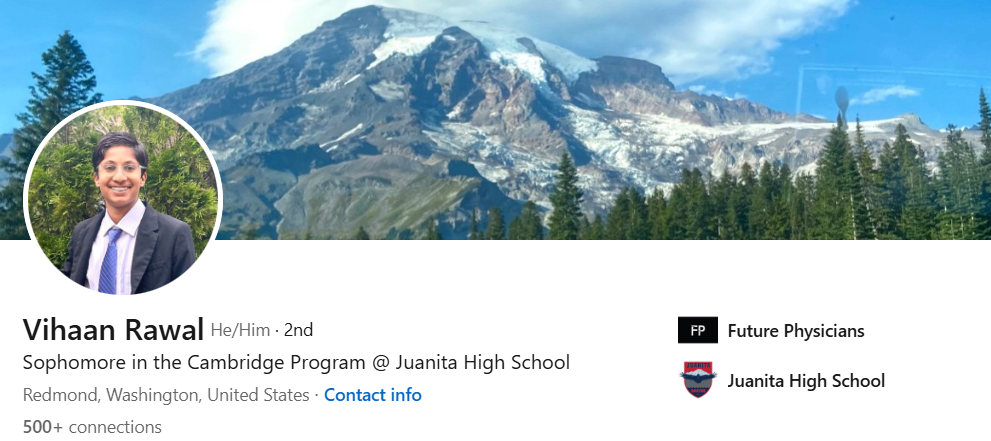
    Vihaan Rawal, a 10th-grade student, participated in the BetterMind Labs program, a platform that helps high school students explore AI and mental health.

    Through the program, he developed Serenity AI, a digital wellness assistant powered by artificial intelligence that provides emotional support to people experiencing anxiety and distress. What made his work stand out wasn’t just the tech; it was the impact. Vihaan tested the tool with real users, consulted mental health professionals, and refined the experience based on feedback.

    This kind of initiative and follow-through caught the attention of researchers and admissions reviewers and Vihaan was accepted into a Harvard research program.

    Why Passion Projects Work So Well

    When students build something from scratch, whether it’s an app, a nonprofit, a research study, or a campaign, they demonstrate initiative, problem-solving, and purpose. These projects prove that a student is not just thinking about college, but about contributing to the world.

    Vihaan’s story is compelling because he saw a problem, built a solution, and brought it to life.

    What You Can Do Next

    Find what you’re passionate about.

    Start by asking yourself what truly interests you. Is it mental health, climate change, sports analytics, education, or something else?

    Take action.

    You don’t need to wait for permission or a perfect plan. Start a blog, begin a project, or join a program that supports student-led initiatives like BetterMind Labs.

    Document your progress.

    Keep a record of what you do. This could be a digital portfolio, a personal website, or even regular posts on LinkedIn. Admissions officers appreciate growth and self-reflection.

    Find mentors and feedback.

    Seek out teachers, professionals, or organizations that can help guide your journey. Their insights can help you take your ideas further and avoid common mistakes.

    Make it all connect.

    Your academics, extracurriculars, and personal interests should point in a similar direction. A clear, focused narrative helps colleges see who you are and why you matter.
    Final Thoughts

    Top colleges aren’t just admitting good students. They’re admitting people who take action, create opportunities, and lead with purpose.

    Your GPA might help you get noticed. But it’s your ideas, your passion, and your real-world impact that will help you stand out.

    It’s never too early to start building your story. Vihaan did, through BetterMind Labs’ AI program for high school students—where he turned curiosity into real projects and impact. And so can you.


    Relevant Links:

  • How to Write a College Essay About Your Passion Project

    Why Essays Matter in College Admissions

    Essays are no longer a luxury. In an environment where thousands of applicants can have identical GPAs and test scores, essays are now the most individualized, unique aspect of your application.

    Admissions officers need to know not only what you have done, but why, how you think, and what motivates you. The Common App says essays assist in highlighting qualities such as intellectual curiosity, creativity, and resilience, which no transcript can capture. For the student applying to competitive schools, a great essay can make all the difference.

    Table of Contents

    • Why Essays Matter in College Admissions

    • What Are Passion Projects?

    • Why Passion Projects Make Great College Essay Topics

    • How to Write a College Essay Around Your Passion Project

    • Frequently Asked Questions

    • Final Thoughts

    What Are Passion Projects?

    A passion project is an independent project based on personal enthusiasm. It’s something you work on because you want to, not because you have to. Passion projects can be artistic, scientific, entrepreneurial, or service-based. What they all share is genuineness.

    Examples include:

    • AI Model to Identify Brain Tumors Based on Medical Imaging Datasets

    • Wildfire Prediction Tool developed with satellite imagery and machine learning

    • Stock Market Predictor from historical financial data and Python

    At BetterMind Labs, students venture into projects that bridge AI and their interests. A highlight: a student who was interested in neuroscience and healthcare created a dual-model AI system to identify brain tumors based on both MRI scans and clinical information. The project involved months of mentoring, several rounds of iteration, and even explainability testing.

    He didn’t do it to win a science fair; he did it because his cousin had previously been misdiagnosed. That’s what made his eventual college essay so strong: it was personal, technically impressive, and emotionally rooted.

    Why Passion Projects Make Great College Essay Topics

    Passion projects naturally provide:

    • A strong narrative

    • Evidence of initiative and perseverance

    • A deep exploration of an area that defines you

    • Practical applicability and concrete results

    This comes in handy, particularly when applying for competitive fields of study in CS, engineering, pre-med, or interdisciplinary fields. Institutions like Stanford, MIT, and Duke value when a student extends learning from the classroom and chronicles that experience with coherence and intention.

    How to Write a College Essay Around Your Passion Project

    Here’s a basic template you can use:

    1. Start With the Spark

    How did it start? What motivated you? This might be a personal experience, a social issue that matters to you, or a class moment that spawned investigation.

    Example: “When my cousin’s seizure went undiagnosed due to lack of access to MRI interpretation in rural clinics, I started wondering how technology could close that diagnostic gap.”

    2. Reveal the Process

    Don’t merely describe the result. Reveal the messy middle:

    • The late nights spent reading research papers

    • The coding bugs that you couldn’t squash

    • The mentor who pushed your assumptions

    • That moment when things started to click

    “After weeks of model accuracy failures, I realized training models for image and tabular data separately got better results, and the day it passed 85% accuracy was the day I felt like a real researcher.”

    3. Highlight What You Learned

    Your essay must reflect growth. What did you learn about:

    • Yourself?

    • Your discipline?

    • The world? This brings maturity and introspection to your story.

    “I learned that great AI isn’t about flashy models, it’s about data integrity, bias mitigation, and human impact. That mindset now guides everything I build.”

    4. Tie It Back to Your Future

    Keep it future-oriented. How will this project (and all you learned from it) inform your aspirations in college and beyond?

    “Now, I’d like to pursue computer science and neuroscience studies, and focus on making early detection tools more accessible for low-resource communities.”

    FAQs

    How can a passion project strengthen a college application essay?

    A passion project gives students a unique story to tell. It demonstrates initiative, curiosity, perseverance, and real-world impact, helping admissions officers understand who the student is beyond grades and test scores.

    Do colleges prefer passion projects over traditional extracurricular activities?

    Colleges do not necessarily prefer one over the other, but passion projects often stand out because they showcase independent thinking, problem-solving, and genuine intellectual engagement that can be difficult to demonstrate through traditional activities alone.

    What types of passion projects make the best college essay topics?

    The best topics are projects that are personally meaningful. Whether the project involves AI, healthcare, environmental science, entrepreneurship, art, or community service, admissions officers are most interested in the student’s motivation, growth, and impact.

    How much technical detail should I include when writing about a passion project in my essay?

    Include enough detail to help readers understand the challenge and your role in solving it, but focus primarily on the personal journey, lessons learned, and how the experience shaped your goals and perspective.

    What is a good program for high school students who want to build a meaningful passion project for college admissions?

    Programs like BetterMind Labs can help students develop ambitious, mentor-guided projects in fields such as artificial intelligence, healthcare, finance, mental health, and environmental science, providing both technical experience and compelling material for future college essays.

    Final Thoughts

    Understanding how to craft a college essay about your passion project can lift your entire application. It’s not bragging. It’s storytelling — showing who you are through what you are passionate about and what you’ve created.

    If your project was in AI, activism, art, or architecture, whatever it was, if it was important to you, it is important to the reader.

    If you’re still seeking ways to take your passions and make something real out of them, look to mentorship platforms such as BetterMind Labs, where students create projects in anything from healthcare and finance to mental health and satellite imagery.

    Begin with the curiosity. Let the passion drive your work. Then share the only story you can tell.


    Relevant Links

  • Beyond the Checklist: 10 Extracurriculars That Actually Impress Top Colleges

    Let’s be real. Applying to college, particularly to top universities such as Stanford, Harvard, or Columbia, can be daunting. With AP courses, SAT prep, and essay deadlines, it’s not difficult to see extracurriculars as merely another task.

    But here’s the truth: your life outside the classroom may be the strongest aspect of your application.

    They introduce you to colleges when you are outside of grades. They expose what piques your interest and what keeps you awake at night positively. Above all, they illustrate how you use your time when you are not taking orders.

    If you’re unsure what extracurriculars actually count and how you should select the right ones for you, let’s dig in.

    What Constitutes an Extracurricular Anyway?

    Essentially, it encompasses anything that is not part of your required academic curriculum. This includes:

    • Clubs and teams

    • Volunteering

    • Internships

    • Part-time jobs

    • Independent projects

    • Competitions

    • Creative work

    • Online courses or research

    • Even routine child care for a sibling

    If it takes time, effort, and demonstrates genuine interest, it’s counted.

    And yes, they do matter. A recent survey by NACAC revealed that more than 50% of colleges rate extracurriculars as moderately to significantly important in admissions.

    10 Extracurriculars for Top Colleges That Actually Matter

    Experienced admissions readers are seeking some things. Choosing the right extracurriculars for top colleges isn’t about doing everything—it’s about doing a few things well and with passion. It’s not about the quantity of activities, it’s about the consistency, creativity, and impact.

    1. Leadership That Feels Authentic

    It’s easy to join a club. But to lead one, found one, or produce an event demonstrates that you can build something out of nothing and get people mobilized.

    For instance, a student turned a school coding club into a middle school student mentorship program. That’s the impact.

    2. Part-Time Jobs

    Whatever it is that you’re scooping, registering, or stocking, a job demonstrates maturity and responsibility. It indicates to colleges that you can balance your time and fulfill actual-life commitments.

    Perk: You may also receive a very positive recommendation from your supervisor.

    3. Internships and Shadowing

    Gaining real-world experience in an area that interests you demonstrates you’re planning ahead. Even a few hours weekly at a neighborhood start-up or clinic can be valuable.

    Ananya, a student at BetterMind Labs, comes from a family of doctors (radiologists). While shadowing her aunt at a hospital, she got curious about how AI could support diagnoses.

    Through our program, she learned to work with basic machine learning tools and datasets. She built a mini project exploring tumor detection using open-source medical scans.

    4. Student-Led Passion Projects

    These are incredibly worth it. Why? Because they are student-led, demonstrating initiative and motivation.

    Examples are:

    • Creating a podcast on teen mental health

    • Developing a website for a community non-profit

    • Creating a language-learning app

    • Starting a YouTube series on astrophysics

    During the summer after 10th grade, a student watched in awe as the LA wildfires consumed neighborhoods just miles from his cousin’s home. Inspired to act, he joined a mentorship program and developed an AI algorithm to forecast wildfires from satellite imagery and past weather patterns. Not only did it give him real-world application, but it was also the story he shared in his Common App essay.

    Courses such as Google AI Essentials, Google AI for Anyone, and BetterMind Labs enable students to develop actual-world projects with or without any coding background. It bridges the gap between wanting to learn and doing.

    5. Non-Performative Community Engagement

    Volunteering to earn hours does not cut it. Colleges know that.

    Instead, emphasize local actions, long-term dedication, and tangible solutions.

    For instance, a student started a digital literacy class for elderly people in her community. She did not just appear; she built something meaningful.

    6. Sports and Athletics

    Whether you are playing at a Division 1 level or not, sports impart discipline, time management, and perseverance. You score extra points if you’ve been in a leadership position or coached junior athletes.

    7. Academic Competitions and Clubs

    If you’re interested in math, science, writing, or public speaking, lean into it.

    Whether it is the Science Olympiad, Model UN, or the National History Day contest, universities like to see intellectual passion outside of the classroom.

    8. Creative or Artistic Work

    Not everything needs to be about STEM. Activities in visual arts, film, music, dance, or fashion design show creativity and passion.

    If you’ve performed, published, or showcased your work, that’s even better.

    9. STEM Innovation and Tech Projects

    If you’ve made something — an app, a tool, a model — you’re already ahead.

    One teenager created an AI model to study stock market trends and posted his results on a live website. Another designed a stress predictor for IT professionals with machine learning, a project he worked on through a high school AI Program by BetterMind Labs.

    BetterMind Labs, for example, has enabled students to turn imaginative concepts into reality, from brain tumor detection algorithms to mental health software, all with the guidance of actual mentors.

    Want to get an idea? Take a look at some student projects here.

    10. Entrepreneurship

    Creating something from the ground up, even a micro-enterprise or community initiative, says a lot.

    It doesn’t have to make money. It just has to solve a genuine problem or unite people.

    For instance, a student held a thrift swap at her school to minimize waste. Another created a budgeting app for teenagers.

    So… What Should You Do?

    The reality is, the most significant extracurriculars won’t be checked off a list. They’ll be the result of your curiosity.

    Ask yourself:

    • What would I do even if nobody asked me to?

    • What problem irritates me enough that I want to solve it?

    • What subject would I research for hours?

    Then take a step towards making something about it.

    If you’re looking to explore new fields, whether it’s AI, data, tech, or something entirely different, but aren’t sure where to start, seek out programs that offer real guidance, mentorship, and structure. BetterMind Labs is one of the few that delivers all three, welcoming individuals from any background, with no prior experience required.

    Final Thoughts

    Colleges aren’t just admitting GPAs. They’re building communities. They need musicians, builders, organizers, thinkers, creators, and quiet doers. Your extracurriculars show who you really are.

    You don’t have to be “well-rounded.” You need to be rooted in your values, your curiosity, and your commitment.

    Pick a few things. Go deep. Build something. Assist someone. Learn more.

    That’s why we started BetterMind Labs—an AI program for high school students who want to create real projects, explore ideas that matter, and build skills that go beyond the classroom.

    Do not do this because a college expects it; do it because you want to. That’s what will set you apart.


    Relevant Links

  • AI for Global Hunger: How High Schoolers Can Help Solve Food Waste

    Every night, while millions scroll through food photos online, nearly 800 million people go to bed hungry. Imagine an entire continent sleeping on an empty stomach. And yet—we produce more than enough food for everyone on Earth. So why are so many still starving? The answer lies in a broken system. But there’s hope, and AI might just be the unlikely hero.

    • Around 733 million people, almost 1 in 11 globally were undernourished in 2023.

    • Despite producing enough food for 10 billion people, 1.5 times our current population, nearly 800 million still don’t get enough to eat.

    Why This Paradox?

    1. Mismanagement in the Supply Chain:

      Food often spoils during farming, storage, transport, and at retail due to a lack of tracking and demand forecasting.

    2. Huge Food Waste:

      Globally, 1.3 billion tonnes (around 30–40%) of food are wasted—nearly a third of all food produced, contributing trillions in losses and CO₂ emissions.

    3. Distribution Gaps & Access Issues:

      Political instability, poverty, and logistics mean food often fails to reach those who need it most.

    How AI for Global Hunger Is Making a Difference

    1. Shelf Engine & Afresh

    AI-driven ordering systems helped reduce grocery-store food waste by 14.8% in pilot programs—preventing ~900,000 tons of waste and saving $2 billion.

    2. Winnow Vision

    Kitchen AI cameras identify waste with more than 80% accuracy—outperforming human staff—and have helped dramatically cut waste in restaurants.

    3. Too Good To Go

    This app connects surplus food to consumers—200 million meals saved so far across 62 million users.

    These initiatives show real, measurable impact—comparing favorably to entire small-country populations.

    How High Schoolers Can Help

    AI isn’t just for big organizations. Students can contribute by tackling problems such as:

    1. Local Food Demand Prediction

      Use ML to forecast demand at food banks, reducing excess and shortages.

    2. Smart Redistribution Tools

      Build ML-driven apps to notify NGOs when surplus food is available nearby.

    3. Waste Recognition App

      Use computer vision to flag spoiled produce in school cafeterias or local stores.

    Student Impact Story

    A student from San Antonio, Texas, noticed excessive food waste at their local shelter. After our AI/ML program, they built a surplus-alert chatbot, which alerted volunteers via SMS when the shelter’s inventory exceeded thresholds.

    The result? 30% less food thrown away, helping feed hundreds more families. This proves how impactful AI for global hunger can be—especially when young minds are part of the solution.

    “I didn’t build this for college apps. I built it to help my neighbors.” — Our Alumni

    Colleges Are Watching Real Impact

    Top universities (T20) are moving beyond generic AI projects. They now look for work that solves real community issues. Hunger reduction models like these show purpose, empathy, and innovation.

    Learn & Build With Mentorship

    Free resources (Kaggle, YouTube, World Bank datasets) are great—but pairing them with one-on-one mentorship is transformative. At BetterMind Labs, students combine theory, coding, and guidance to build projects that matter—not just lines on a resume.

    How You Can Start Today

    1. Learn the basics: Python, Pandas, scikit‑learn.

    2. Find datasets: USDA food bank stats, WFP supply data.

    3. Start small: Build a demand forecasting model.

    4. Join a mentor-driven program—like BetterMind Labs—to bring your ideas to life.

    Conclusion: From Idea to Impact

    Kids, not corporations, can be at the forefront of solving world hunger—if equipped with AI, passion, and mentorship. Build something that matters. Let AI be the tool that turns your compassion into change.

    Apply to the AI/ML Certification Program at BetterMind Labs and start feeding real impact with real solutions.

    Together, we can end hunger—one line of code at a time.


    Relevant Links

  • How AI and High Schoolers Can Help Solve Water Scarcity

    Why Water Is Scarce, Even on a Planet Full of It

    Every year, unsafe water claims 1.5 million lives — enough to wipe out a city the size of San Francisco.

    It’s easy to forget this when we live on a planet that looks like a giant blue marble from space. But nearly all of that water is out of reach. Only about 3% is freshwater, and most of it is frozen in ice caps or trapped deep underground. The amount we can actually use? Just a drop — roughly 0.014% of all the water on Earth.

    This stark reality underlines the urgent need for reliable filtration, distribution, and conservation solutions.

    Who’s Tackling This & How AI Is Being Used to Solve Water Scarcity

    AI and ML are now core to large-scale water efforts. Here’s a look at three leading projects:

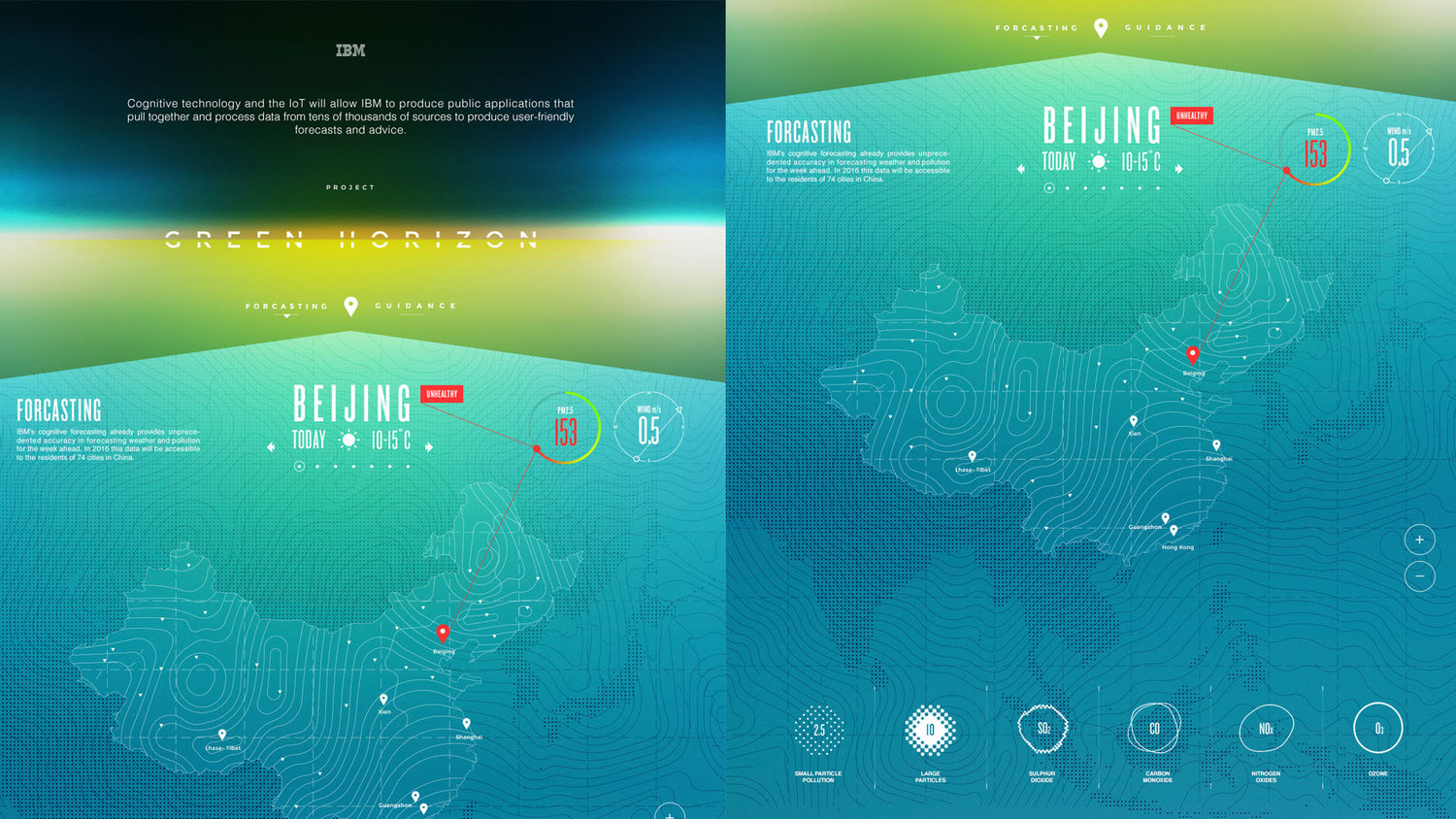
    1. IBM’s Green Horizons for Water

    • Uses IoT sensors + AI to monitor surface or groundwater quality in real-time.

    • ML models detect early signs of pollutants—enabling preventive measures in rivers and lakes.

    2. Xylem’s Smart Water Infrastructure

    • ML predicts urban water demand, detects leaks in pipeline sensors, and optimizes treatment plant operations.

    • Some cities report up to a 30% decrease in water loss thanks to predictive analytics.

    3. Google DeepMind + Thames Water

    • Deep learning models forecast when and where pipe failures may occur.

    • Result: fewer water outages and more efficient maintenance schedules.

    Together, these initiatives reflect why billions in funding are being directed to AI-powered water systems.

    What High Schoolers Can Actually Build

    You don’t need a thesis or lab—just curiosity and AI skills. Here are three bite-sized project ideas that can still change lives:

    1. Predict Rural Demand

      • Use weather and usage data to forecast water needs, enabling efficient tanker scheduling.

    2. Contamination Alert Bot

      • Train a classifier on open chemical/water quality data to detect unsafe water conditions.

    3. Smart Leak Detector

      • Pair pressure sensors with ML to identify pipe breaches at a household level.

    A Student’s Success Story

    A student from Central Valley, California—a region facing recurring drought—identified that many families weren’t aware when local water became unsafe. During an AI program at BetterMind Labs, they built a turbidity-based water quality predictor, combining low-cost sensors with ML. That’s how AI was used to solve water scarcity.

    “Now I get texts from neighbors when water quality drops.”

    It was small, but meaningfully protected their community.

    Why Colleges Want This

    Top-tier universities, especially T20s, look for students who solve real-world problems. Original projects—like building an “AI-powered leak detector” versus another “Iris classifier”—resonate with admissions officers and funders.

    Learn the Tools—Mentored

    There are countless free resources (YouTube, Kaggle, NASA datasets), but what accelerates growth is structured mentorship. That’s why at BetterMind Labs, every student has a mentor to guide theory, coding, and implementation into real-world projects.

    Conclusion: Your Ideas, Global Impact

    Water scarcity is one of the biggest challenges of our time—but the solutions don’t require big budgets. With AI skills, creativity, and a mentor, high school students can create projects that help real people and make history.

    If you’re ready to turn ideas into impact, consider applying to BetterMind Labs.

    Let’s turn every drop into a lifeline.


    Relevant Links

  • How High School Students Are Using AI to Make Space Research NASA-Worthy Discoveries

    How High Schoolers Are Using AI in Space Research

    “I used to think space was out of reach, but now I’m training AI models to discover things I never imagined,” 

    said one of our students with a grin. Like them, millions of students today are realizing they can use artificial intelligence to make a real impact in the space industry — from analyzing telescope data to identifying patterns no human eye could detect.

    A prime example is Matteo (Matthew) Paz. Using AI-powered data analysis during his research at Caltech, he uncovered 1.5 million previously unknown objects in space. This breakthrough not only expanded the potential of a NASA mission but also earned him a single-author, peer-reviewed scientific paper, a rare achievement for someone his age.

    Astronomer and IPAC senior scientist Davy Kirkpatrick, who has spent the last five summers mentoring high school students alongside undergraduates, citizen scientists, and graduate fellows, guided Paz through this journey.

    “Meeting Davy was a game-changer,” 

    Paz said. “He gave me the freedom to experiment with AI tools and follow my curiosity without limits. That’s how I grew as both a coder and a scientist.”

    When students are supported by mentors who encourage exploration, whether in coding, AI, or astronomy, they stop setting limits for themselves. The line between what’s possible and what’s not begins to blur, and groundbreaking research like this becomes reality.

    Projects Born From Passion

    Inspired by stories like this, we’ve been mentoring our own students the same way—with openness and encouragement. Some of our favorite space + AI projects include:

    • Asteroid Classification Tool using NASA datasets and clustering algorithms

    • Satellite Health Prediction using LSTM models

    • A Space Image Enhancer that sharpens low-resolution telescope imagery using GANs

    How AI is Revolutionizing Space Research

    AI has become the rocket fuel behind major space research. Leading agencies like NASA and ESA are using it extensively:

    1. NASA’s Frontier Development Lab

    They use AI for:

    • Lunar terrain analysis

    • Planetary defense simulations

    • Deep learning-based asteroid tracking

    They’ve partnered with tech giants like Intel and Google to explore ways AI can predict hazardous asteroid impacts, optimize rover paths, and even simulate space environments.

    2. European Space Agency (ESA)

    ESA uses AI to:

    • Analyze satellite imagery for climate monitoring

    • Detect exoplanets through light curve classification

    • Enhance telescope data resolution with AI-based super-resolution models

    The technical stack includes CNNs, autoencoders, and edge AI models running on low-power satellites.

    Can High Schoolers Join This Mission?

    Absolutely. Just like Paz, anyone with drive and curiosity can start small and grow into a space innovator.

    Here’s a Roadmap to Get Started:

    1. Learn AI Basics – Start with Python, scikit-learn, and basic data science concepts.

    2. Understand Astronomy Fundamentals – Explore Khan Academy, NASA’s Open Learning platforms.

    3. Try Open Datasets – Use datasets from NASA, Kaggle, and ESA.

    4. Build Mini Projects – Start with notebooks before moving to full apps.

    5. Join a Mentor Program – This is where transformation happens.

    Project Ideas for High School Students:

    1. Galaxy Image Classifier – Use CNNs to sort galaxy shapes.

    2. Satellite Trajectory Predictor – Predict ISS location using time series.

    3. Solar Flare Alert System – Classify solar flare images from SOHO.

    4. Star Brightness Estimator – Use regression to analyze variable stars.

    5. Asteroid Risk Index Calculator – Rank known asteroids by size, speed, and orbit proximity.

    Why Mentorship Changes Everything

    Building these projects alone can be challenging. At BetterMind Labs, you’ll join a small group of up to three students, each guided by an experienced mentor. This way, you get personalized support while working alongside peers. Whether you’re decoding starlight or tracking asteroids, we’ll guide you every step of the way.

    In Conclusion: The Sky Isn’t the Limit

    High school students today don’t need to wait. With the right support, tools, and mindset, they can create space solutions that once seemed like science fiction. We’ve seen students make NASA-worthy projects with just a few weeks of mentorship.

    If you’re dreaming big, the time to start is now.

    Join our July AI/ML Internship at BetterMind Labs and bring your own space project to life.

    Your journey to the stars starts now.


    Relevant Links

    AI Use Cases at NASA – 2024 Report

    https://www.nasa.gov/organizations/ocio/dt/ai/2024-ai-use-cases/

    The Power of AI in Space Exploration – ESA Blog

    https://blogs.esa.int/exploration/the-power-of-ai-in-space-exploration/

    Exploring Space with AI – Caltech

    https://www.caltech.edu/about/news/exploring-space-with-ai

    Machine Learning Research in Astronomy – Harvard-Smithsonian Center for Astrophysics

    https://pweb.cfa.harvard.edu/research/topic/machine-learning

    NASA Open Data Portal

    https://data.nasa.gov/

    High School Space Exploration Projects – Science Buddies

    https://www.sciencebuddies.org/science-fair-projects/science-projects/space-exploration/high-school

  • AI in Cybersecurity: From WannaCry to Building Your First Phishing Detector

    How a 10$ Kill Switch Saved the World: AI and the Fight Against Malware & Phishing

    The Day the World Froze: May 12, 2017

    On May 12, 2017, the world paused. Banks, stock markets, hospitals, government offices—more than 200,000 computers across 150 countries became useless overnight. From FedEx to Honda, Nissan, and the UK’s National Health Service (NHS), even global giants were scrambling. Ambulances were rerouted, patient data vanished, and millions were lost every minute.

    The culprit? A cryptic digital invader: WannaCry.

    The Anatomy of WannaCry

    WannaCry was a worm-type ransomware that spread like wildfire through Windows machines using a vulnerability known as EternalBlue, an exploit leaked by a mysterious hacking group called The Shadow Brokers. This group had been releasing powerful cyberweapons from U.S. intelligence arsenals into the wild since 2016.

    The name “WannaCry” reportedly came from the malware’s internal file strings—hinting at the emotional pain of its victims.

    As systems encrypted and ransom notes popped up, a strange twist brought unexpected relief. Marcus Hutchins, a security researcher, discovered a peculiar domain hardcoded into the malware: iuqerfsodp9ifjaposdfjhgosurijfaewrwergwea.com. The domain was unregistered. Out of curiosity—and luck—he registered it for $10.69.

    That act inadvertently triggered a kill switch, stopping WannaCry’s execution wherever it attempted to ping the now-active domain. While it didn’t undo damage, it stopped the spread.

    Estimated damages? Over $4 billion globally, all because of a tiny .kb-sized file.

    How Attackers use AI in Cyber Attacks

    The WannaCry crisis set the stage for a new era in digital warfare. Fast forward to the Fifth Industrial Revolution, where AI is being used on both sides of the cyber battlefield.

    As per Morgan Stanley, attackers are using AI to:

    • Write highly convincing phishing emails with generative models

    • Evade detection by mutating malware signatures

    • Scan and exploit vulnerabilities at machine speed

    • Launch voice cloning and deepfake scams to bypass security layers

    Meanwhile, defenders are striking back with AI-powered solutions:

    • IBM is safeguarding hybrid cloud environments using AI that adapts in real time to threat behavior.

    • CrowdStrike combines threat intelligence with AI to provide predictive protection, catching threats before they strike.

    From WannaCry to Action: How a High Schooler Is Fighting Cybercrime

    When a student at BetterMind Labs learned how much damage the WannaCry attack had caused, he knew he had to do something. So, he decided to build a phishing URL detector, from the ground up.

    Week 1: The Spark

    After discovering how WannaCry shut down systems around the world, a high school student at BetterMind Labs asked himself:

    “What if I could stop something like that?”

    That question sparked everything. His curiosity, problem-solving mindset, and love for coding were the perfect starting point for a real-world AI project.

    Week 2: Learning with Mentors & Teammates

    We connected him with experienced mentors and a team of students who were just as excited to build. Inside our AI/ML program, they shared ideas, gave each other feedback, and worked side by side to bring the project to life.

    Week 3: Building with AI

    With support from the team, he learned how to:

    • Use NLP to scan email content for red flags

    • Apply TF-IDF to spot suspicious patterns in URLs

    • Train models like Logistic Regression and Decision Trees to detect phishing links

    • Everything was hands-on—with real datasets and real results.

    Week 4: Turning It Into a Tool

    He put it all together into a simple Chrome extension that flags risky links in real time.

    It wasn’t just a class project anymore—it became something that could help protect people from real online threats.

    Want to see how it works? Watch the full project explanation video here.

    5 AI + Cybersecurity Projects for High School Innovators

    Want to try something like that? Here are 5 impactful beginner-friendly ideas:

    1. AI-Based Phishing Email Classifier – Train a model using spam/ham datasets to flag suspicious content.

    2. URL Safety Scorer – Build a tool that scores URLs based on domain trust, SSL, and content.

    3. Voice Scam Detector – Use voice AI to spot deepfakes or cloned voices.

    4. Intrusion Detection System (IDS) – Use AI to monitor traffic patterns and flag anomalies.

    5. Password Strength Predictor – Create a model that evaluates password safety using past breach data.

    Each of these projects can be built in teams of 1–3 with the right mentorship, guidance, and tools—just like we do at BetterMind Labs.

    Ready to Build Real AI Projects?

    AI in cybersecurity isn’t optional anymore—it’s the front line. If you’re a high schooler who wants to do more than just learn about threats—but actually stop them—then this is your call to action.

    Our AI/ML internship at BetterMind Labs is designed to help students build real projects with real-world mentors.

    Whether it’s phishing defense or anomaly detection, it’s time for your first contribution to global safety.

    Let’s build the future. Securely. Together.


    Relevant Links

    What is AI for Cybersecurity? – Microsoft

    https://www.microsoft.com/en-in/security/business/security-101/what-is-ai-for-cybersecurity

    What is WannaCry Ransomware? – Akamai

    https://www.akamai.com/glossary/what-is-wannacry-ransomware

    Advanced Phishing Detection Using AI Techniques – NCS

    https://www.ncs.co/en-sg/make-tomorrow/digital-trust/advanced-phishing-detection-ai-techniques/

    AI-Based Malware Detection – ManageEngine Academy

    https://www.manageengine.com/academy/ai-based-malware-detection.html

    Introduction to AI for Cybersecurity – Coursera

    https://www.coursera.org/learn/introduction-to-ai-for-cybersecurity

    Top Cybersecurity Projects for Beginners – Great Learning

    https://www.mygreatlearning.com/blog/top-cybersecurity-projects-for-beginners/

  • Why Passion Projects Can Make or Break Your College Application

    Passion projects are self-initiated and meaningful projects that reflect an individual’s interests. You care deeply about passion projects and pursue them outside of school or work obligations.

    Passion projects are vital for students personally because they allow them to grow in ways that traditional academics or jobs often don’t. Beyond boosting your resume or college app, passion projects have the power to change you from the inside out.

    Table of Contents

    • Section 1: Here’s why they matter on a personal level

    • Section 2: Let’s discuss a few passion projects that have had an impact in real life

    • Section 3: Why They Matter for Top College Admissions

    • Section 4: FAQs

    • Section 5: Conclusion

    Here’s why they matter on a personal level

    1. You Discover Who You Are

    A passion project can help you explore your field of interest. When you are working on something that you are truly interested in and something in which you find meaning, it hits differently.

    1. You feel a sense of ownership

    You do things not because you are assigned to do them but because you care about them. There is a sense of ownership in Passion projects that gives you direction, and it turns idle time into inspired action.

    1. You build confidence

    When you build something from scratch and it serves the purpose that you wanted it to, you gain a huge amount of confidence, which also helps you in the initial stage of your college life.

    1. You learn to bounce back

    You face hurdles when you work on something like a passion project, and you might face a setback, but come on! You only learn to come back when you face a setback.

    1. You connect with people who have the same interests

    The best part? You’re not alone. Whatever your project is, there’s likely a community out there on Discord, Reddit, Instagram, or even in your neighbourhood that cares about the same thing.

    Passion projects help you build relationships around shared interests. It’s one of the most rewarding parts of the journey.

    Let’s discuss a few passion projects that have had an impact in real life

    1. During high school, Eeshan Khanduja started a passion project named “Reboot for Youth, in which he scrounged for used laptops and restored them to give away to low-income students who had no access to a computer at home. What began as a one-man operation became a non-profit organization that has given away more than 1,000 computers in several states, closing the digital divide and equipping students with the tools of success. His project not only had an impact in the real world but also showed how passion, purpose, and initiative can create meaningful change, even before college.

    Revolutionizing Lung Disease Detection.

    This project came from Abhi, a student at BetterMind Labs (blog.bmldesk.com/). It started with a simple yet powerful question: “Why are so many lung diseases caught too late?”

    Abhi wanted to make a difference. He aimed to create a tool that helps doctors detect lung diseases earlier using X-ray images. He worked with actual medical image data and trained a system to identify signs of various conditions, including COVID-19, pneumonia, and other serious lung problems.

    The journey was challenging. There were obstacles at every turn, but Abhi didn’t face them alone. With continuous support and guidance from his mentors at BetterMind Labs, he managed to make tough decisions, stay focused, and overcome barriers.

    In the end, this wasn’t just a technical achievement. It became a valuable learning experience that helped Abhi grow as a thinker, builder, and problem-solver, all while working on something that could one day help save lives.

    Why They Matter for Top College Admissions

    Top colleges like Harvard, Stanford, and MIT receive thousands of applications yearly from students with perfect GPAs, test scores, and a long list of extracurriculars. So, how do admissions officers decide who stands out?

    The answer is a Passion project, I know it’s unexpected, yet it’s deeply personal. Now, let’s explore why passion projects can make a powerful difference in your college applications.

    1. Passion projects show you’re a self-starter

      Colleges and admissions officers love students who take initiative. When you start your project, it reflects that you are proactive. Whether you launch a climate awareness campaign in your city or start a tutoring service for middle schoolers, you show leadership, independence, and drive, qualities that top universities value highly.

    2. Passion projects uncover the values and vision that define you as a person

      GPAs, test scores, and grades don’t tell the full story about the student. A passion project gives admissions officers a glimpse into your real interests and personality. Are you passionate about sustainability? Social justice? Artificial intelligence? Your project helps them understand what motivates you, and that makes your application more impactful and gives you a competitive edge against other students.

    3. Passion projects demonstrate real-world impact

      Passion projects show that you are a future changemaker, and that’s what universities are looking for. If your project has created even a small ripple of change, like organizing a mental health workshop at your school or building an app that helps seniors with tech, it shows you’re already making a difference in the world. That’s powerful.

    4. Passion projects strengthen your application story

      A passion project becomes a thread that ties everything together: your essays, your activities list, even your letters of recommendation. Instead of appearing scattered, your application shows focus, purpose, and depth. And that kind of narrative is exactly what admissions officers remember.

    5. Passion projects make you stand out

      In a pool of overachievers, it’s hard to be unique. But students who create meaningful, personal projects stand out not because they did more, but because they did something that mattered. Passion projects show creativity, heart, and vision, and that’s something no standardized test can measure.

    FAQs :

    What actually qualifies as a “passion project” in college admissions?

    It is a self-directed, long-term endeavor driven by personal interest rather than a school requirement. It isn’t just joining a club or taking a class; it’s taking independent action. Examples include launching a community service initiative, conducting independent scientific research, writing a novella, or building an app to solve a local problem.

    How do admissions officers verify if a student actually did the work?

    Through specific details, recommendations, and evidence of execution. Your essays will naturally sound different if you actually lived the project versus if you made it up. Furthermore, if your counselor or a mentor mentions the project in their recommendation letters, or if you can link to a live website, app, published paper, or art portfolio, the authenticity is solid.

    What is the biggest mistake students make when starting a project?

    Choosing a topic based on what they think colleges want to see, rather than what they actually care about. If you hate coding but try to build an AI tool just to look tech-savvy, your lack of enthusiasm will show. The best projects are an organic extension of your genuine curiosity because your natural drive is what ultimately sustains the project and makes it successful.

    When is the ideal time for a high school student to start a passion project?

    The earlier, the better—ideally during freshman or sophomore year. A project that spans two or three years shows sustained commitment, resilience, and evolution. If you start a project in the fall of senior year, just weeks before applications are due, admissions officers will likely view it as a superficial attempt to pad your resume.

    Conclusion :

    A passion project isn’t just something that you “add” to your college application; it’s something that defines you.

    A passion project not only helps you get into Top universities, but it also helps you explore and understand yourself. So if you’ve got an idea in which you find purpose and meaning, start working on it.

    You might face challenges along the way, but with resources like Google’s AI Essentials, AI for Anyone, or the BetterMind Labs AI/ML Program (blog.bmldesk.com/), which offers structured guidance, personal mentorship, and internship certification, you’ll have the support you need to complete your project.

  • 20 Passion Project Ideas That Will Make Your College Application Stand Out

    Passion Project Ideas
    Passion Project Ideas

    When discussing the best college admissions outcomes, particularly to T20 institutions such as Stanford, Harvard, or MIT, test scores are merely the beginning. What sets students apart? Passion projects.

    These are independent investigations that demonstrate curiosity, leadership, imagination, and the ability to influence. If you’re interested in technology, writing, social justice, or entrepreneurship, the appropriate project can indicate to admissions staff that you are a talented student and a future change-maker.

    Below are 20 compelling passion project ideas with actual examples and advice on how to turn them into application material.

    • Create an AI-driven mental wellness application using machine learning to design a chatbot or stress-forecasting tool for adolescents. A student created an AI model that tracked typing rhythms to identify symptoms of burnout in IT professionals, winning them an award at a national youth innovation contest. Tip: It’s now simpler than ever to begin with open-source libraries such as Hugging Face and TensorFlow.

    • Create a Local History Podcast. Interview neighbors or grandparents and record their experiences as a virtual archive. Bonus: transcribe shows and donate to a local historical society or library.

    • Build a Water Quality Monitoring System with Arduino. Gather water samples from local rivers or lakes and create a system that alerts users to unhealthy levels of pollutants.

    • Write up your results in a science report and share them with local eco-groups.

    • Train a Deep Learning Model to Detect Lung Disease. This project was inspired by students from an AI/ML program and used chest X-ray databases to diagnose lung diseases through convolutional neural networks (CNNs). Not only was it technically proficient, but it also had direct healthcare applications.

    • Develop a “Passion Finder” App for Middle School students. Younger students can discover their passions with a quiz-style app that suggests resources or clubs. Develop it using simple app development tools (such as Thunkable or Flutter).

    • Write and Publish a YA Novel on Climate Resilience: storytelling meets activism by writing a fictional book based on a young hero fixing climate problems. Self-publish via Amazon Kindle or submit to youth literary competitions.

    • Create a Teen Financial Literacy Platform. One student created an engaging site that defined stock markets, credit scores, and budgeting in layman’s terms. They even employed predictive modeling to forecast the growth of investments.

    • Investigating Brain Tumor Classification Using AI. Real-world project inspiration led students to apply MRI scan data to classify brain tumors with more than 85% accuracy. These types of projects demonstrate true dedication to transdisciplinary problem-solving.

    • Launch a Social Impact Newsletter, write weekly blog posts on international topics, mental health, education equity, sustainability, and invite classmates to guest-write. Build your following on Substack or Medium.

    • Build a capital asset pricing model (CAPM) dashboard with historical data from Yahoo Finance historical data and Python, create an interactive dashboard that illustrates the relationship between risk and return.

    • Create a Personalized AI Tutor. Employ machine learning to develop a web-based tool that adjusts to the pace and subject comprehension of a student. A team of high school students developed a working prototype over a summer mentorship experience.

    • Host a Local Hackathon, Collaborate with local corporations and non-profits to sponsor a youth-driven innovation sprint. Planning an event showcases leadership, initiative, and teamwork.

    • Launch a ‘no-credit-score lending risk’ model predicting loan default risk for underbanked borrowers using public data and logistic regression, as one student did.

    • Construct a Stress Tracker App for Students in Exam Period. Integrate biometric information with self-assessed mood information to provide real-time de-stress recommendations.

    • Produce a Zine on Identity and Belonging. Compile your essays, poetry, and photography into a themed zine, then print or publish online.

    • Develop a land cover image classification model for environmental use. Utilize satellite imagery and ML for land type classification (urban, forest, water).

    • Create a Local Entrepreneurship Club. Gather students who are interested in start-ups and business case studies. Host mini-shark-tank sessions.

    • Construct a Transaction Fraud Detection System. Motivated by participants in BetterMind Labs, one team worked with transaction data to detect anomalies through clustering methods.

    • Build a Digital Repository for Underrepresented Narratives. Digitally collect underrepresented narratives from communities outside the norm in popular media.

    • Forecast Stock Performance with Machine Learning. Scrape data from markets, develop a regression model, and display forecasts in an application or dashboard.

    How do you select passion project ideas for Ivy League schools?

    The best ones don’t simply illustrate technical expertise but also demonstrate curiosity, initiative, and impact. Top universities want to see you own an idea, overcome obstacles, and create something significant.

    How Do I Begin a High School Project that Makes a Difference?

    Begin with an issue you are passionate about. Next, seek resources or mentors to help steer you in the right direction. Some projects have well-defined, mentor-guided paths that allow you to develop and launch meaningful concepts.

    Even if you are a beginner at programming or research, collaborating with mentors allows you to create something ambitious. Platforms such as BetterMind Labs walk students through practical AI/ML projects with experienced mentors to hone ideas and delivery.

    Can Passion Projects Get Me Into Stanford or Harvard?

    Yes. Some consider their project the highlight of their application. One BetterMind Labs student developed an AI-based diagnostic tool to identify early signs of stroke from public datasets and wrote a research paper to document what they found. That project was included in their essays, interviews, and even letters of recommendation. They ended up gaining admission into a T20 engineering program.

    Final Thought

    Passion projects aren’t about creating a résumé; they’re about finding out what gets you going. And in case you ever get bogged down or need assistance hammering out your ideas into something that works, there are communities and mentorship programs around that do nothing but help you with that.

    Your ideas count. What you do with them can alter anything.


    Relevant Links:

    1. How Independent Projects Can Boost Your College Admissionshttps://www.collegeadvisor.com/resources/independent-projects-college-admissions-success/

    2. Getting Started with Hugging Face: A Beginner-Friendly Tutorialhttps://huggingface.co/blog/proflead/hugging-face-tutorial

    3. TensorFlow Tutorial for Beginners by DataCamphttps://www.datacamp.com/tutorial/tensorflow-tutorial

    4. DIY Arduino Water Pollution Monitoring Systemhttps://www.instructables.com/Arduino-Water-Pollution-Monitor/

    5. Lung Cancer Detection Using CNN – GeeksforGeeks Guidehttps://www.geeksforgeeks.org/deep-learning/lung-cancer-detection-using-convolutional-neural-network-cnn/

    6. Brain Tumor Classification Using Machine Learninghttps://data-flair.training/blogs/brain-tumor-classification-machine-learning/

    7. Capital Asset Pricing Model in Python – MLQ Bloghttps://blog.mlq.ai/capital-asset-pricing-model-python/

    8. How Stripe Uses Machine Learning to Detect Payment Fraudhttps://stripe.com/resources/more/how-machine-learning-works-for-payment-fraud-detection-and-prevention

    9. BetterMind Labs – AI Projects by High School Studentshttps://www.bettermindlabs.org/

    10. The Myth of the Well-Rounded Applicanthttps://www.myprompt.com/post/the-myth-of-the-well-rounded-applicant

  • AI vs. Machine Learning: What Every High Schooler Needs to Know

    Artificial Intelligence (AI) and Machine Learning (ML) are two of the hottest buzzwords in tech today. But what do they actually mean? And how do they differ? If you’re a high school student curious about AI/ML, this guide will break it down in simple terms, with fun examples you can relate to!

    AI vs. Machine Learning – What’s the Difference?

    Many people think AI and ML are the same thing, but they’re not! AI is the big umbrella, and ML is a part of it. Let’s break it down:

    • Artificial Intelligence (AI) is when computers are programmed to act smart like humans. They can solve problems, recognize speech, or even play chess.

    • Machine Learning (ML) is a specific way to achieve AI. Instead of giving a computer step-by-step instructions, ML teaches it to learn from data and improve over time.

    Think of AI Like a Video Game Character! 🎮

    Imagine you’re playing a game like Minecraft. The in-game mobs (like zombies and villagers) follow specific rules—that’s basic AI. But if the villagers learned how to fight zombies by watching players, that would be machine learning!

    Examples of AI vs. ML in Everyday Life

    AI Examples

    ML Examples

    Siri or Alexa answering your questions

    Netflix recommending shows based on what you watched

    Self-driving cars following traffic rules

    Google Photos recognizing your friends’ faces

    Chatbots that help you with customer service

    Spam filters learning which emails are junk

    Other Key AI/ML Terms You Should Know

    Once you understand AI vs Machine Learning, you might hear about other cool concepts. Here are a few important ones:

    • Deep Learning – A more advanced version of ML that mimics how the human brain works. Used in self-driving cars and facial recognition.

    • Neural Networks – The building blocks of deep learning, inspired by human brains. Think of them as a big web of connected math functions!

    • Data Science – The science of using data to solve problems. AI and ML rely heavily on data.

    Want to Learn More? Join Our AI/ML Bootcamp! 🚀

    If you’re excited about AI and ML, the best way to learn is by building real projects! At Better Mind Labs AI/ML Bootcamp, we teach students just like you how to:

    Understand AI & ML concepts easily

    Build your own AI models and projects

    Use AI to boost your college applications

    Land your first AI internship

    🔥 Join the Next Generation of AI Innovators!

    Learn AI/ML from experts and get hands-on experience.